What It Is
Irritation of the IT band where it crosses the outer knee, common in runners and cyclists
Understanding the outer knee pain that stops your run
At a glance
What It Is
Irritation of the IT band where it crosses the outer knee, common in runners and cyclists
How It Presents
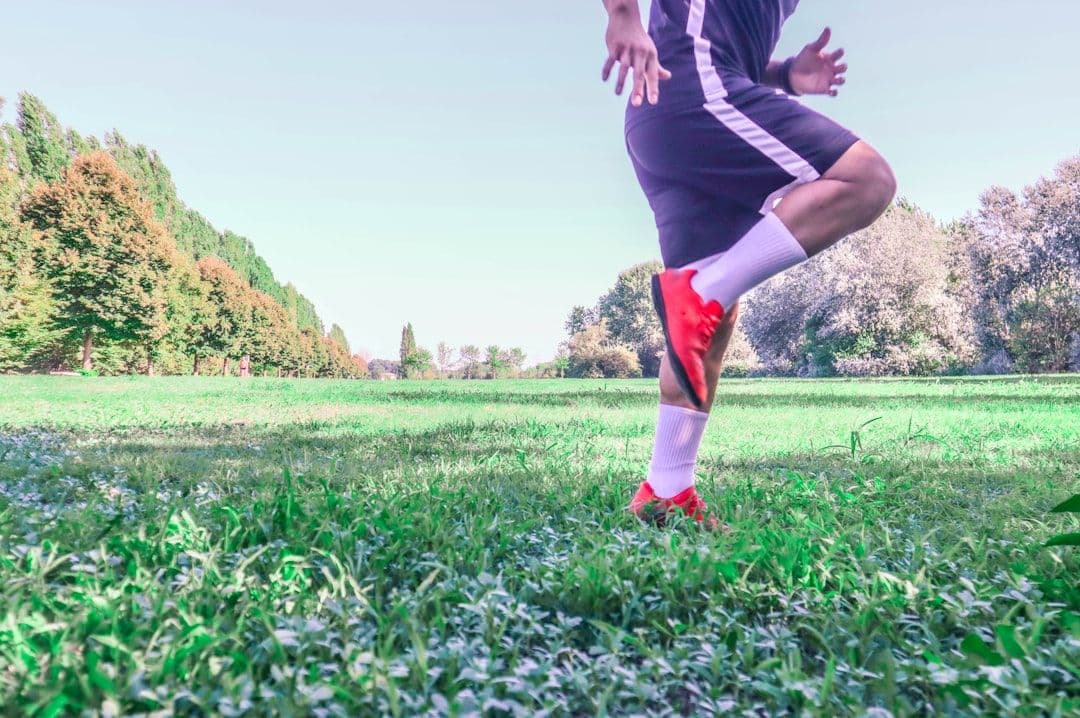
Sharp or burning outer knee pain that starts mid-run and eases with rest, then returns
What May Help
Physiotherapy, foam rolling, load management, and biomechanical correction are well-supported
Evidence Context
Strong evidence supports structured rehab and activity modification for most people with IT band syndrome
See the evidence snapshotWhen to Seek Help
See a professional if pain limits activity, is worsening, or is also felt at the hip
Explanation
Iliotibial band syndrome (ITBS) is a common overuse injury causing lateral knee pain during running, cycling, and other repetitive lower limb activities. The iliotibial band — a thick band of connective tissue running from the hip to the lateral tibia — compresses against the lateral femoral epicondyle during repetitive flexion and extension. It is a leading cause of lateral knee pain in runners. Hip muscle weakness, training load spikes, and biomechanical factors are key contributors.
Could this be you
Iliotibial band syndrome shows up differently for everyone. Browse by how it tends to be felt — these are common experiences, not a checklist or a diagnosis.
Common experiences people describe — not a diagnostic checklist.
Why it happens
Iliotibial band syndrome usually comes from a mix of factors rather than a single cause. These are common contributors — not certainties.
Hip abductor weakness and tighter IT band tissue may increase friction at the lateral knee.
Sudden training load spikes are a common trigger, often linked to race prep pressure.
Foot pronation, leg length differences, and prior knee issues may raise individual risk.
Poor sleep may slow soft tissue recovery and reduce tolerance to repetitive load.
What happens in the body
Iliotibial band syndrome can involve several of the body’s systems. These are common patterns researchers describe — how they show up varies from person to person.
The iliotibial band repeatedly compresses against the lateral femoral epicondyle during knee flexion and extension, irritating the underlying tissue and bursa.
Weakness in the hip abductors may allow excessive inward thigh movement during the stance phase, increasing lateral knee stress with each stride.
Repeated mechanical compression sensitizes local pain receptors in the lateral knee, which may explain the characteristic sharp or burning pain that builds during sustained activity.
Repetitive tissue irritation at the lateral femoral epicondyle can trigger a localized inflammatory response, contributing to tenderness and swelling in the outer knee region.
Process
Management
A physiotherapist may design a progressive program targeting hip abductor and glute strength, which some evidence suggests may support IT band load reduction and recovery.
A doctor may discuss short-term use of anti-inflammatory medications such as ibuprofen to help manage acute lateral knee pain during flare-ups, alongside activity modification.
Regular foam rolling of the IT band and surrounding muscles is something many runners find helpful for easing tightness, though it works best as part of a broader rehabilitation approach.
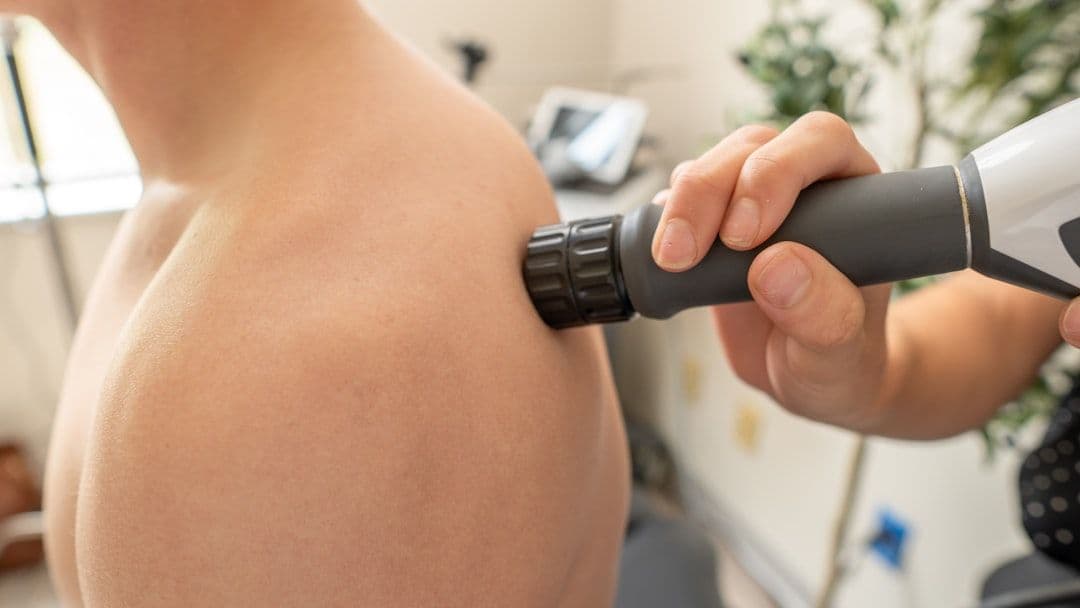
For persistent or severe cases, a sports medicine physician may discuss a corticosteroid injection near the IT band to help calm localized inflammation when other approaches have not provided relief.
Running gait analysis and, where appropriate, custom orthotics may support biomechanical correction of foot pronation or stride patterns that some practitioners suggest contribute to IT band stress.
Self-Care
Temporarily reducing run distance or intensity may allow the IT band area to settle. Gradual, structured increases of no more than 10 percent weekly may support longer-term tolerance.
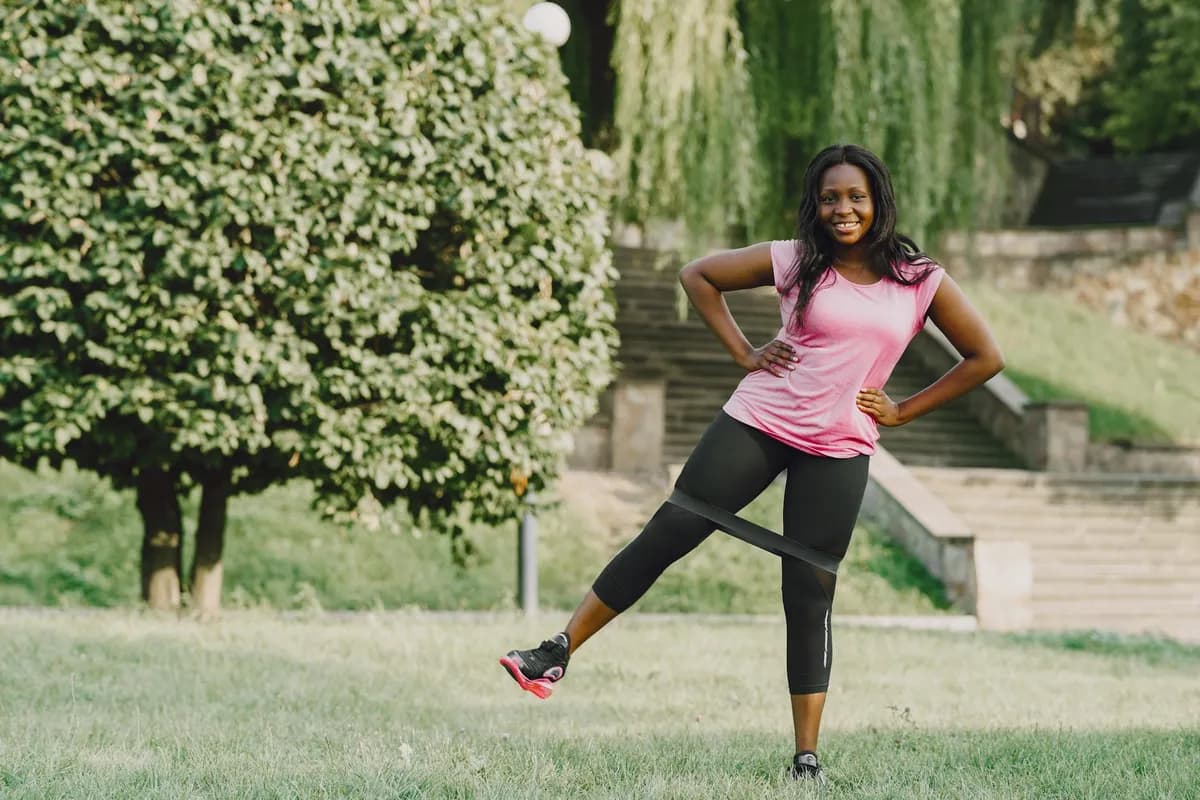
Exercises such as clamshells, side-lying leg raises, and single-leg squats may support better hip stability, which some practitioners suggest can reduce lateral knee stress during running.
Some people find regular foam rolling along the outer thigh and hip area helps ease tightness associated with IT band discomfort, though rolling directly over the painful knee area is generally not advised.
A physiotherapist or sports clinician can assess stride mechanics, cadence, and foot strike. Adjustments such as increasing step rate may help reduce the forces that contribute to IT band irritation.
If foot pronation contributes to your symptoms, supportive footwear or custom orthotics may help. Some people find that addressing lower limb alignment supports a more comfortable return to activity.
The Evidence
What research says about IT band syndrome, its causes, and the approaches most likely to support recovery.
A well-studied overuse injury with clear rehabilitation principles
Iliotibial band syndrome is one of the most researched running injuries, with consistent evidence pointing to hip strengthening, load management, and biomechanical correction as the core of effective recovery. Most people improve with structured conservative care.
Gluteal and hip abductor strengthening is the most consistently supported intervention for ITBS rehabilitation. Temporarily reducing running volume is considered essential, not optional. Foam rolling and manual therapy show short-term benefit for symptom relief but are best used alongside structured rehabilitation rather than as standalone approaches.
ITBS often causes sharp or burning lateral knee pain that appears at a consistent point in a run — commonly 10 to 20 minutes in — then forces a stop. Between sessions, discomfort may be minimal, creating a false impression of recovery. This pattern tends to return promptly on the next run if the underlying contributors have not been addressed.
Massage, acupuncture, and osteopathy are commonly used alongside physiotherapy for ITBS. Evidence for these as standalone interventions is limited, but they may support symptom management and tissue recovery when integrated into a broader rehabilitation plan. Yoga may assist with hip mobility and movement awareness over time.
Sudden severe knee swelling, locking, giving way, or pain following a fall or trauma warrant prompt professional assessment. Fever alongside joint pain, or numbness below the knee, are not consistent with typical ITBS and should be evaluated by a qualified practitioner without delay.
Professional assessment helps identify biomechanical contributors — such as hip weakness, foot mechanics, or training load patterns — that are difficult to evaluate independently. A structured rehabilitation plan reduces the risk of repeated flare-ups. Self-managed approaches alone may provide temporary relief without resolving the underlying drivers.
ITBS can be slow to resolve, particularly when training load is not adequately reduced. Evidence on optimal rehabilitation protocols continues to evolve, and individual responses vary. No single intervention works for everyone. Inflated outcome claims from any single product or technique should be viewed with caution — consistent, guided rehabilitation remains the most supported path.
Safety first
Iliotibial band syndrome is manageable, and support helps. Some situations call for prompt professional help.
Explore approaches
Practices people explore for iliotibial band syndrome — alongside professional care.
FAQ
IT band syndrome is triggered by repetitive movement, not rest. The tissue irritation settles quickly without load, giving a false sense of recovery. Returning to the same training volume tends to reproduce pain at roughly the same point in a run.
Many people find foam rolling the outer thigh and hip area helps reduce tightness and supports recovery alongside other rehab. Some practitioners suggest it works best as part of a broader program including hip strengthening and load management.
Some people find that acupuncture, massage therapy, or anti-inflammatory dietary choices support their overall recovery alongside physiotherapy. These approaches are generally low-risk and may complement structured rehab, though they work best in combination.
If pain is worsening, persisting beyond a few weeks, or also present at your hip, a physiotherapy or sports medicine assessment is worthwhile. Imaging may be needed to rule out other causes of lateral knee pain.
Recovery varies widely. Many people see meaningful improvement within 4 to 8 weeks with consistent rehab and adjusted training loads. Those who continue pushing through pain often find recovery takes considerably longer.
Keep exploring
Browse practitioners, explore honest overviews, and take what you learn to a conversation — at your own pace.