What it is
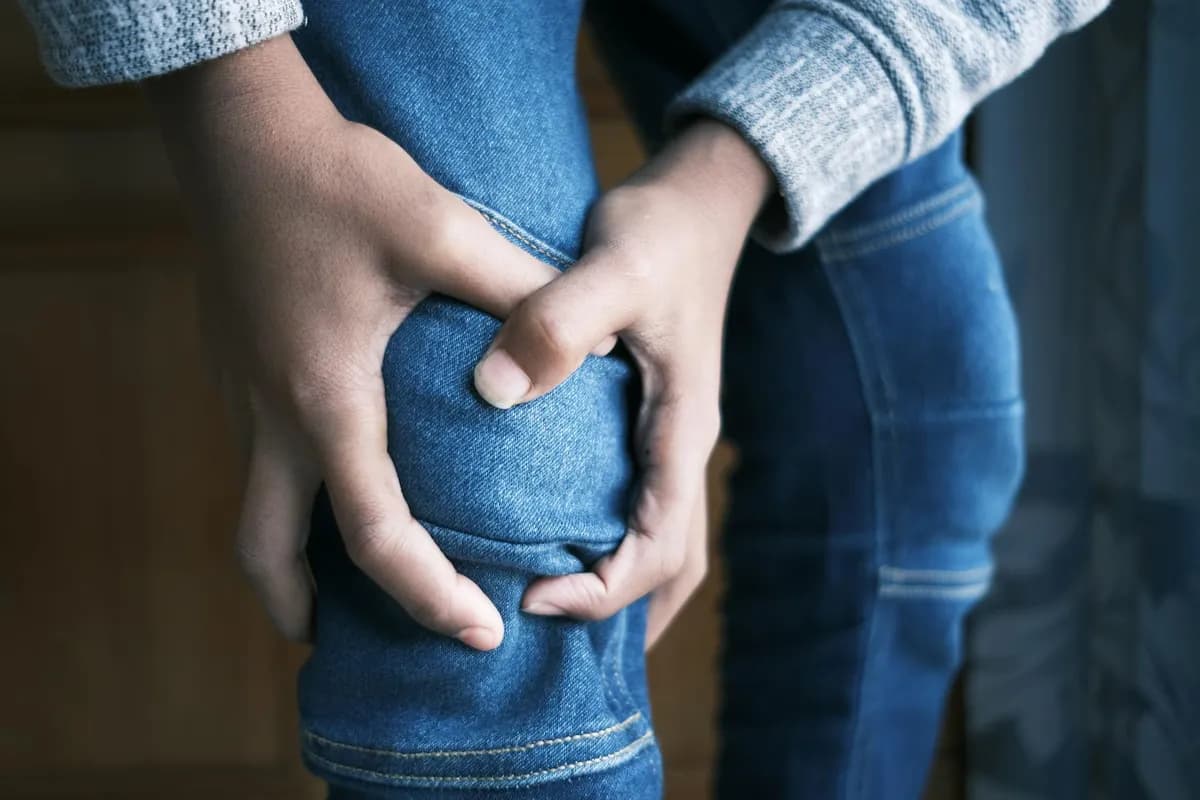
Pain, swelling, or discomfort in and around the knee joint, encompassing a broad range of mechanical and inflammatory causes.
Pain, swelling, or discomfort in and around the knee joint, encompassing a broad range of mechanical and inflammatory causes.
At a glance
What it is
Pain, swelling, or discomfort in and around the knee joint, encompassing a broad range of mechanical and inflammatory causes.
Commonly experienced as
Evidence context
Research-supportedSee the evidence snapshotContext
Knee pain is one of the most common musculoskeletal complaints across all age groups — encompassing conditions ranging from patellofemoral pain syndrome in active young people to osteoarthritis in older adults. The knee is a complex hinge joint dependent on the integrity of cartilage, ligaments, menisci, bursae, tendons, and the quadriceps and hamstring muscles for stable, pain-free function. Common causes include patellofemoral pain syndrome (anterior knee pain in active individuals from altered quadriceps and hip mechanics), meniscal pathology (medial or lateral knee pain with swelling from tears), ligament injury (ACL, MCL, PCL — often trauma-related), osteoarthritis (progressive cartilage loss producing pain with activity and rest), bursitis (infra- or prepatellar), and iliotibial band syndrome (lateral knee pain in runners). Physiotherapy assessment and targeted rehabilitation are first-line management for most mechanical causes.
Could this be you
Knee Pain shows up differently for everyone. Browse by how it tends to be felt — these are common experiences, not a checklist or a diagnosis.
Common experiences people describe — not a diagnostic checklist.
Explore next
The Evidence
What research says about knee pain management, and when to seek professional assessment.
Knee pain is well-studied with clear first-line options
Exercise therapy and physiotherapy have strong evidence across the most common knee conditions. The right approach depends on the underlying cause, making professional assessment an important starting point.
Seek prompt assessment if you experience sudden inability to bear weight, significant joint swelling with redness or heat, symptoms following a fall or trauma, or progressive weakness and loss of function. These presentations may indicate structural injury or inflammatory conditions requiring timely professional evaluation.
Exercise therapy is strongly supported for knee osteoarthritis and patellofemoral pain syndrome. Physiotherapy-led rehabilitation is first-line management for most mechanical knee causes. Weight management has strong evidence for reducing load and symptom burden in osteoarthritis. Evidence quality varies across complementary approaches.
Common causes include patellofemoral pain, meniscal pathology, ligament injury, osteoarthritis, bursitis, and iliotibial band syndrome. Each has distinct features and responds differently to intervention. A professional assessment helps identify the underlying cause and guides appropriate management rather than a one-size-fits-all approach.
Alongside exercise and physiotherapy, people commonly explore options such as acupuncture, massage, hydrotherapy, and movement-based practices. Evidence varies across these approaches. Some may support symptom management as part of a broader plan. Discussing options with a qualified practitioner helps ensure they are appropriate for your specific situation.
A physiotherapist or sports medicine practitioner can assess the likely cause of knee pain and recommend a structured plan. For persistent or complex presentations, referral to an orthopaedic specialist may be appropriate. Gyfts supports discovery of qualified practitioners — it does not replace professional assessment or personalised care.
Information on this platform is educational and evidence-informed, not a substitute for professional assessment. Knee pain has many possible causes, and self-directed management without assessment carries risk of missing significant pathology. Always consult a qualified health professional for persistent, worsening, or trauma-related knee symptoms.
References
Educational sources that inform this overview. Inclusion is for context and does not imply endorsement.
Full citations are maintained by the Gyfts editorial team and reviewed periodically.
Keep exploring
Browse practitioners, explore honest overviews, and take what you learn to a conversation — at your own pace.