What it is
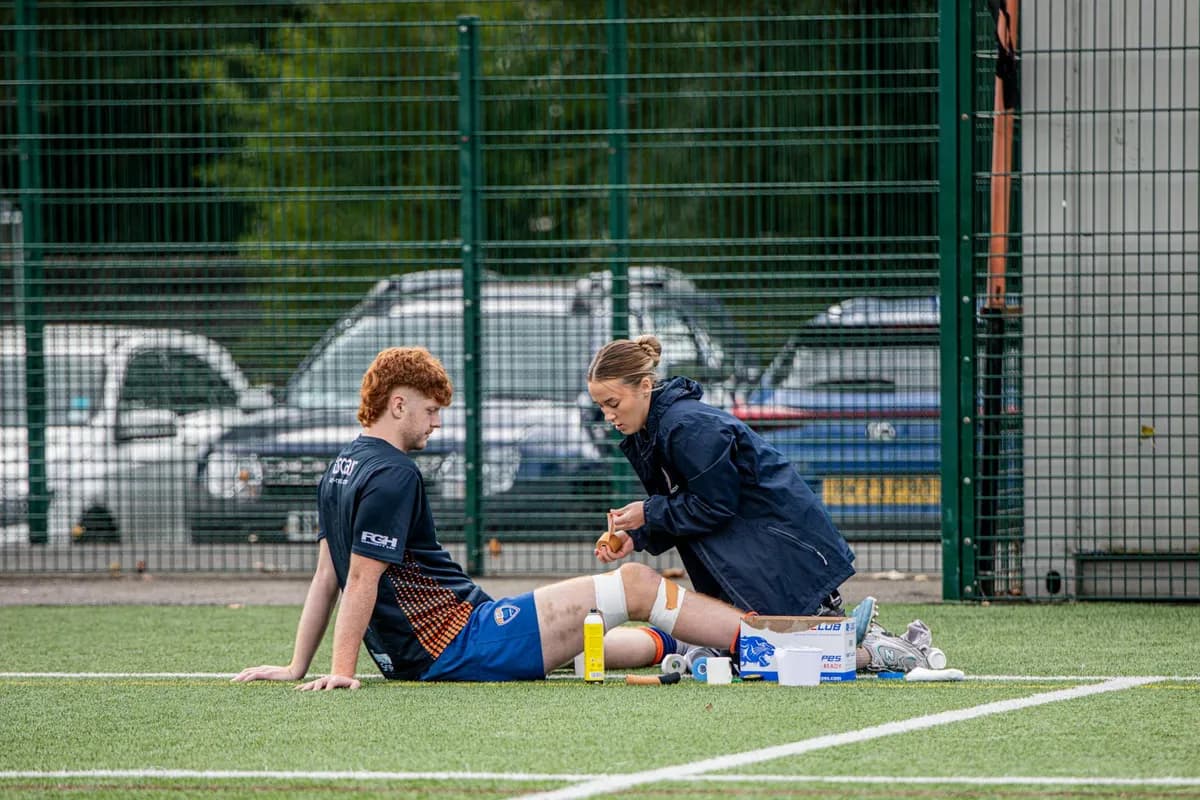
Sports medicine treats athletic injuries like sprains, stress fractures, and overuse conditions.
Sports Medicine is a medical specialty focused on diagnosing, treating, and preventing injuries and conditions related to athletic activi...
At a glance
What it is
Sports medicine treats athletic injuries like sprains, stress fractures, and overuse conditions.
Why explore it
It helps active people recover faster and return to sport with guided, evidence-based care.
How it’s experienced
Expect movement assessment, hands-on therapy, and a rehab plan tailored to your injury and goals.
Evidence context
Exercise rehab and return-to-sport protocols are backed by strong clinical research.
See the evidence snapshotSafety
Risk is low under proper guidance, so share your full history and report any new symptoms promptly.
See staying safeHistory & Origin
Sports Medicine provides comprehensive medical care and expertise in diagnosing and treating sports-related injuries, conditions, and performance optimization.
Sports Medicine emerged as a distinct medical specialty in the mid-20th century, driven by the growing participation in organized athletics and the need for specialized care of athletes. Early pioneers recognized that sports injuries required unique diagnostic and treatment approaches beyond general orthopedic medicine. The specialty gained formal recognition through the establishment of sports medicine fellowships and professional organizations, including the American College of Sports Medicine (founded in 1954) and the American Medical Society for Sports Medicine, which helped standardize training and best practices.
The field developed rapidly following the 1968 Olympics in Mexico City, when medical professionals observed significant injuries among elite athletes and realized the importance of specialized injury prevention and treatment protocols. Key figures including Dr. James Nicholas at Cornell and Dr. Don O'Donoghue at the University of Oklahoma pioneered surgical techniques and rehabilitation protocols that became foundational to modern sports medicine practice. The specialty expanded beyond professional athletes to include weekend warriors, youth sports participants, and individuals seeking performance enhancement through evidence-based medical approaches.
Today, Sports Medicine practitioners work across multiple settings including professional sports teams, university athletic programs, hospital-based clinics, and private practices. The field has integrated advances in imaging technology, biomechanical analysis, regenerative medicine approaches, and performance science. International expansion has brought sports medicine expertise to countries worldwide, with specialized training now available across numerous medical institutions and recognized by major medical boards globally.
Top symptoms
Mechanism
Sports Medicine is a broader health tradition or knowledge system rather than a single technique. Practitioners may draw on cultural teachings, observation, lifestyle guidance, ritual, remedies, bodywork, or community practice. Its working model should be described in its own traditional context and not overstated as biomedical proof. People may explore it for cultural continuity, reflection, and supportive wellbeing practices. Sports medicine practitioners employ a systematic approach combining clinical assessment, diagnostic imaging, and evidence-based treatment.
Your first visit
A typical session outline to help you feel prepared
A sports medicine session blends conversation, hands-on evaluation, and a personalized care plan to help you move and feel your best again.
You'll fill out paperwork covering your injury history, current symptoms, activity level, and goals. Expect this to take about 10-15 minutes before you see the doctor.
Your sports medicine physician sits down with you to walk through your history in detail, asking about how and when the injury happened, what makes it better or worse, and what activities you want to get back to.
The doctor will assess your posture, range of motion, strength, and stability in the affected area. You may be asked to perform simple movements like squatting or raising your arm so they can watch how your body moves.
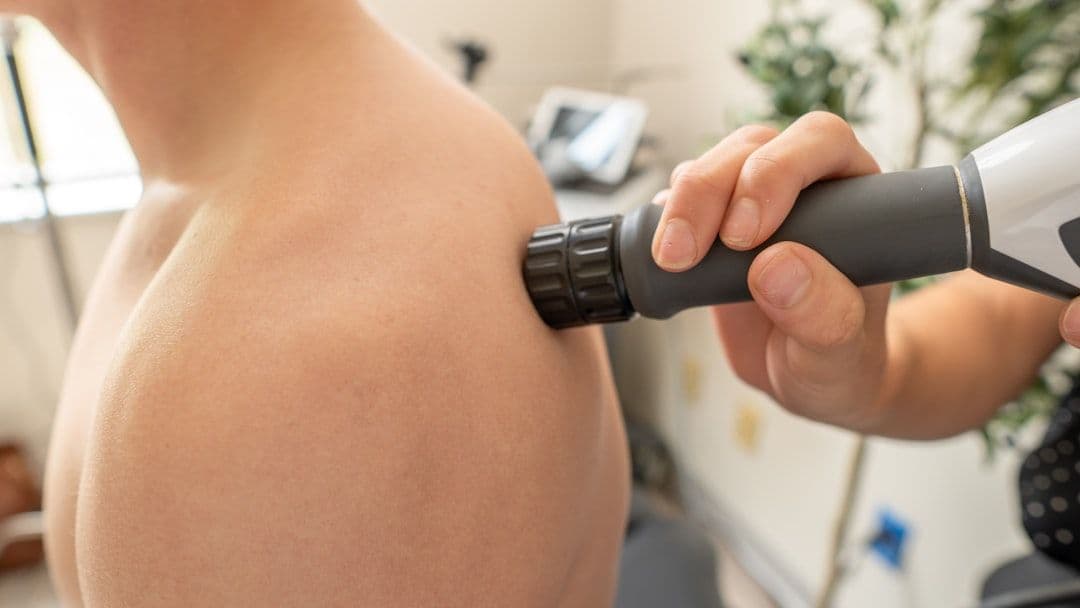
If needed, your doctor may use in-office diagnostic ultrasound to get a real-time look at muscles, tendons, or ligaments. This is painless and involves a small handheld device pressed gently against y
Your doctor explains what they found in plain language, walking you through the likely source of your pain or limitation and answering any questions you have before moving forward.
Together you'll map out next steps, which might include physical therapy referrals, bracing, activity modifications, or in-office procedures like a corticosteroid or PRP injection, all tailored to you
If a procedure like an injection is recommended and you consent, the area is cleaned and prepped with care. You may feel brief pressure or a mild sting, and your doctor will talk you through each mome
Before you leave you'll get clear guidance on activity restrictions, home care steps, and when to return. Follow-up visits are scheduled to track your progress and adjust your plan as you recover.
The Evidence
What the research says about sports medicine, where evidence is strong, and where some areas are still developing.
One of the most research-supported fields in musculoskeletal care
Sports medicine is grounded in decades of peer-reviewed research, with high-quality evidence supporting many injury assessment, rehabilitation, and return-to-sport protocols. Some newer interventional approaches, such as regenerative therapies, remain active areas of ongoing study.
Randomized controlled trials and systematic reviews support many rehabilitation exercise protocols, surgical techniques for structural injuries, and structured return-to-sport progressions. Large injury databases from professional and collegiate programs have strengthened outcome measurement across the field. Evidence quality is generally high for established care approaches.
Regenerative approaches such as platelet-rich plasma injections and certain biologic therapies show variable results across studies, with evidence quality differing by injury type and application. Individual responses can vary considerably, and not all interventions have been tested across diverse populations. Ongoing research continues to refine best-practice guidance.
Practitioners combine clinical history, physical examination, and imaging such as MRI or ultrasound to build an accurate picture of an injury. Care may range from physiotherapy and anti-inflammatory strategies to injections or surgery, depending on severity. Plans are typically tailored to the individual's activity level, goals, and recovery timeline.
Severe acute injuries with significant swelling, inability to bear weight, obvious deformity, or neurological symptoms such as numbness or weakness warrant immediate medical evaluation. Certain injection therapies may be unsuitable during active infection, pregnancy, or with specific medications. Always inform your practitioner of your full medical history before any intervention.
Sports medicine physicians typically complete postgraduate fellowship training following medical qualification, with professional bodies such as the American College of Sports Medicine setting standards internationally. Allied practitioners including physiotherapists and athletic trainers work within the field under their own regulated scopes. Verifying credentials and experience relevant to your injury type is advisable.
Sports medicine complements primary care and other medical specialties by offering focused expertise in musculoskeletal injury, rehabilitation, and performance. Seekers often engage with it alongside general practice, orthopaedics, or allied health disciplines. For serious or unresolved concerns, collaboration with or referral to other medical specialists is common practice within the field.
Safety first
General guidance to help you decide whether this approach is appropriate for you. This is informational only and not a substitute for medical, psychological, or professional advice.
If you are pregnant, managing a health condition, recovering from injury or surgery, or taking medication, consult a qualified healthcare professional first.
Some situations call for extra care or a different approach. Share any conditions, injuries, or sensitivities with your practitioner before your first session.
Look for clear boundaries, transparent pricing, and practitioners who avoid fear-based claims or pressure to book frequent sessions.
Mild, short-lived effects such as tenderness, tiredness, or temporary soreness can occur. Rest, hydrate, and tell your practitioner how you respond.
For you?
A simple, human way to weigh it up. This is general guidance, not personal medical advice — a qualified practitioner can advise on your situation.
Gyfts is a discovery platform, not a medical provider. Nothing here diagnoses, treats or replaces professional care. In an emergency, contact your local emergency number.
Explore approaches
Other practices people often explore alongside sports medicine.
In their words
FAQ
While orthopedic surgeons treat a broad range of musculoskeletal conditions, sports medicine physicians specialize specifically in sports-related injuries and the unique needs of active individuals. Sports medicine practitioners are trained in both conservative and surgical management, with particular expertise in injury prevention, performance optimization, and return-to-sport decision-making. Many sports medicine physicians have additional fellowship training beyond medical school and residency.
The number of sessions varies significantly depending on injury severity, type of injury, chosen treatment approach, and individual healing capacity. An acute ankle sprain might require 2-4 follow-up visits, while a post-surgical ACL reconstruction may involve 8-12 appointments over several months as you progress through rehabilitation phases. Your physician will provide an estimated timeline during your initial consultation.
Not all sports injuries require surgery. Sports medicine physicians typically employ a stepped approach, starting with conservative treatments (rest, rehabilitation, injections) before considering surgery. Some injuries, such as minor strains or contusions, heal well with physical therapy alone. Your physician will discuss whether surgery is necessary based on your diagnosis, functional goals, and response to conservative treatment.
Return-to-sport timelines depend on injury type, severity, treatment approach, and individual factors. Simple muscle strains might allow return within 2-4 weeks, while ACL reconstructions typically require 6-9 months of rehabilitation. Your physician uses objective criteria (pain-free range of motion, strength benchmarks, functional testing) to clear you for return rather than relying solely on time since injury.
The initial management typically follows the RICE protocol (Rest, Ice, Compression, Elevation). Avoid activities that worsen pain, apply ice for 15-20 minutes several times daily for the first 48-72 hours, use compression wraps to reduce swelling, and elevate the injured area when possible. Schedule an evaluation with a sports medicine physician promptly to determine the extent of injury and appropriate next steps.
Properly administered injection therapies (corticosteroids, platelet-rich plasma, hyaluronic acid) are generally considered safe when performed by trained practitioners using sterile technique and image guidance. Like any medical intervention, injections carry minimal risks including infection, allergic reaction, or temporary pain increase. Your physician will discuss specific risks and benefits based on your condition and medical history.
Yes. Sports medicine physicians provide injury prevention expertise through movement assessment, training program optimization, and identification of risk factors. They can recommend specific strengthening exercises, flexibility protocols, and technique modifications to reduce injury risk. This preventive approach is particularly valuable for competitive athletes and those with previous injuries.
References
Educational sources that inform this overview. Inclusion is for context and does not imply endorsement.
Full citations are maintained by the Gyfts editorial team and reviewed periodically.
Keep exploring
Browse practitioners, explore honest overviews, and take what you learn to a conversation — at your own pace.