What It Is
Discomfort or aching in one or more joints, caused by inflammation, wear, injury, or autoimmune activity.
Understanding what your joints are telling you
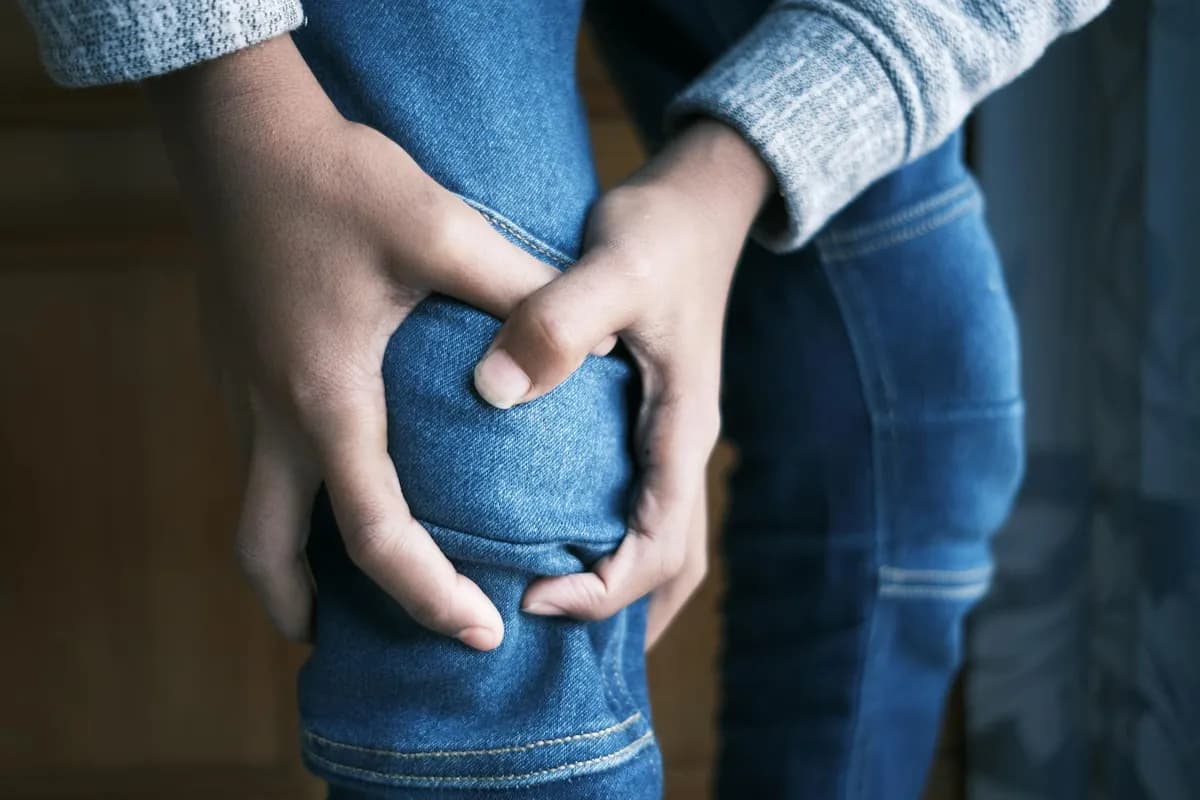
At a glance
What It Is
Discomfort or aching in one or more joints, caused by inflammation, wear, injury, or autoimmune activity.
How It Presents
Stiffness, swelling, warmth, and a deep ache — often worse in the morning or after long periods of rest.
What May Help
Movement, weight management, anti-inflammatory nutrition, and mind-body practices are commonly explored.
Evidence Context
Research on joint pain is well-developed, with strong support for several lifestyle and movement-based approaches.
See the evidence snapshotWhen to Seek Help
Seek care for sudden severe pain, fever with joint swelling, deformity, or inability to bear weight.
Explanation
Joint pain is a broad presenting complaint arising from a wide range of underlying causes, including osteoarthritis, inflammatory arthritis such as rheumatoid arthritis and gout, injury, infection, and autoimmune disease. It is one of the most common reasons people seek both conventional medical care and complementary therapies. The joint most commonly affected varies by cause: osteoarthritis typically involves the knees, hips, and hands; gout most frequently targets the big toe; rheumatoid arthritis often begins in the small joints of the hands and feet. Approaches people explore include movement therapies, manual therapies, acupuncture, and nutritional strategies that may support healthy inflammation levels.
Could this be you
Joint Pain shows up differently for everyone. Browse by how it tends to be felt — these are common experiences, not a checklist or a diagnosis.
Common experiences people describe — not a diagnostic checklist.
Why it happens
Joint Pain usually comes from a mix of factors rather than a single cause. These are common contributors — not certainties.
Genetics, aging, and joint structure can raise the likelihood of cartilage breakdown or inflammation over time.
Chronic stress may heighten inflammation and pain sensitivity, potentially worsening joint discomfort.
Excess weight, sedentary habits, and prior injuries place added load on joints, accelerating wear.
Poor sleep may lower pain tolerance and reduce the body's ability to manage joint inflammation overnight.
What happens in the body
Joint Pain can involve several of the body’s systems. These are common patterns researchers describe — how they show up varies from person to person.
In osteoarthritis, cartilage that cushions joint surfaces gradually breaks down, causing bones to move with less protection and generating pain and stiffness.
In inflammatory arthritis, the immune system may mistakenly target joint tissue, triggering chronic synovial inflammation that can cause swelling, warmth, and progressive joint damage.
Persistent joint inflammation sensitizes local nerve endings, which may lower the pain threshold over time and cause the nervous system to amplify pain signals from the affected area.
In gout, elevated uric acid in the blood can lead to crystal deposits forming inside joint spaces, provoking an acute inflammatory response that causes intense localized pain.
Process
Management
A doctor may discuss over-the-counter or prescription anti-inflammatory medications to help manage pain and reduce swelling around affected joints.
Guided exercise programs may support joint stability, strength, and range of motion, and are commonly recommended for both acute and chronic joint pain.
Some people find regular acupuncture sessions help ease joint discomfort and stiffness, and research suggests it may support pain management in certain conditions.
Hands-on therapies targeting surrounding muscle tension may support relief around painful joints, with some people reporting improved mobility and reduced aching.
Gentle, structured movement practices such as yoga may support joint flexibility and help manage the impact of chronic pain on daily function and mood.
Self-Care
Low-impact activities like walking, swimming, or tai chi may support joint mobility and reduce stiffness without placing excessive strain on affected areas.
Some people find that reducing processed foods and increasing omega-3-rich fish, colorful vegetables, and olive oil helps ease joint discomfort over time.
Warm compresses or baths may ease morning stiffness, while cold packs applied after activity may help reduce swelling and achiness around the joint.
Even modest weight reduction may lessen mechanical load on weight-bearing joints like the knees and hips, which some people find noticeably reduces daily discomfort.
Gentle massage of the surrounding muscles may help ease tension around stiff joints, and some people find it supports better sleep and reduced pain sensitivity.
The Evidence
What research says about joint pain and the non-pharmacological approaches people commonly explore.
Well-researched condition with guideline-supported options
Joint pain is one of the most studied areas in musculoskeletal health, with strong evidence supporting exercise, physiotherapy, and manual therapy. Several complementary approaches also have meaningful research backing, particularly for osteoarthritis.
Seek prompt medical attention for sudden severe joint swelling, a hot red swollen joint, joint pain accompanied by fever, or pain following an injury. Being unable to bear weight or noticing visible joint deformity are also signs that warrant same-day professional assessment rather than self-management.
Exercise therapy, physiotherapy, and manual therapy are guideline-recommended for conditions like osteoarthritis. Acupuncture has Cochrane-reviewed evidence for knee osteoarthritis. Anti-inflammatory nutrition and omega-3 supplementation carry moderate evidence. Tai chi and yoga have RCT support for mobility and pain reduction. Glucosamine and chondroitin evidence remains mixed.
Osteoarthritis involves gradual cartilage breakdown; inflammatory arthritis involves immune-driven synovial inflammation; gout involves uric acid crystal deposits in joint spaces. Identifying the underlying cause matters, as it shapes which approaches are appropriate and which may need to be avoided or adapted.
Acupuncture, massage, yoga, and movement-based therapies such as tai chi are among the most researched complementary options. These are generally used alongside, not instead of, conventional management. Evidence quality varies by approach and condition type, so it is worth discussing options with a qualified practitioner familiar with your specific situation.
Avoid high-impact activity on acutely inflamed joints. Some manual therapies may need to be modified depending on the severity and type of joint involvement. Always inform any practitioner of your full health history, including medications, as some supplements may interact with commonly used drugs for inflammatory conditions.
Because joint pain has multiple possible causes, professional assessment is important before committing to a management plan. A GP, rheumatologist, or physiotherapist can help identify the underlying condition. Complementary practitioners work most effectively when they have access to this information and can coordinate care accordingly.
Safety first
Joint Pain is manageable, and support helps. Some situations call for prompt professional help.
Explore approaches
Practices people explore for joint pain — alongside professional care.
FAQ
See a doctor if pain is sudden and severe, accompanied by fever, or if the joint looks deformed or cannot bear weight. Persistent pain lasting more than a few weeks also warrants professional evaluation.
For many people, gentle low-impact movement such as walking, swimming, or cycling may support joint function and reduce stiffness. Some people find that rest alone worsens symptoms over time.
Some research suggests that an anti-inflammatory eating pattern — rich in vegetables, oily fish, and whole grains — may support comfort in people with joint pain. Individual responses vary widely.
Some people find practices like gentle yoga, tai chi, or acupuncture helpful for managing joint discomfort and improving mobility. Some practitioners suggest these as part of a broader, integrated approach.
Not necessarily. Joint pain can stem from overuse, minor injury, bursitis, or other causes unrelated to arthritis. A healthcare provider can help identify the underlying cause and guide next steps.
Keep exploring
Browse practitioners, explore honest overviews, and take what you learn to a conversation — at your own pace.