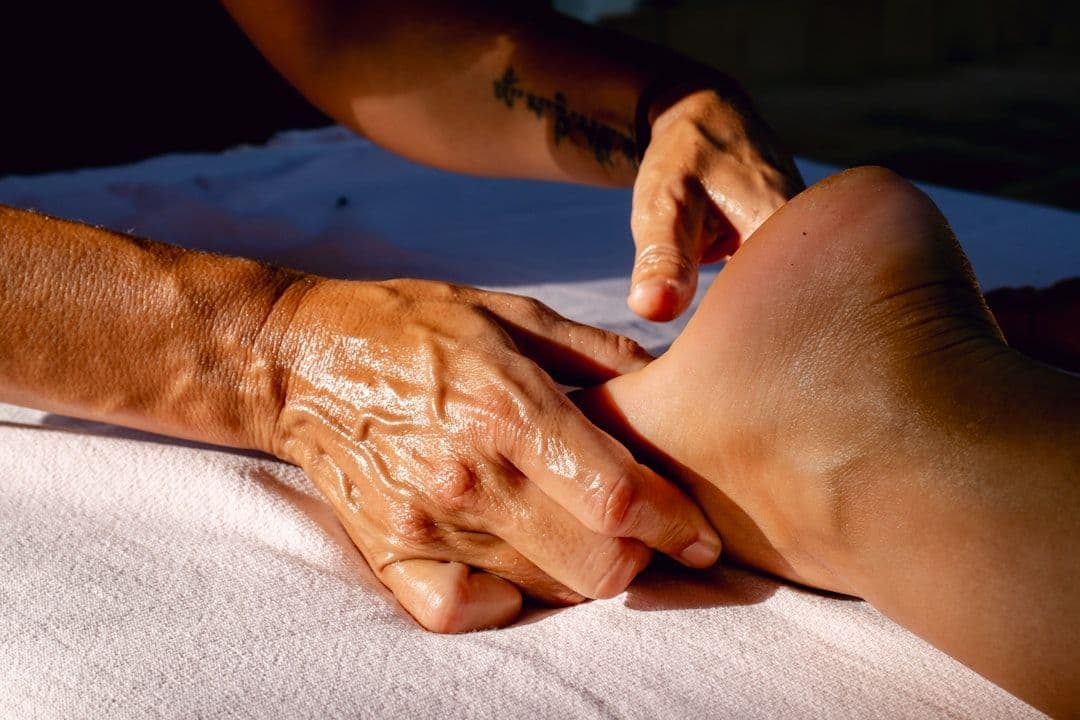
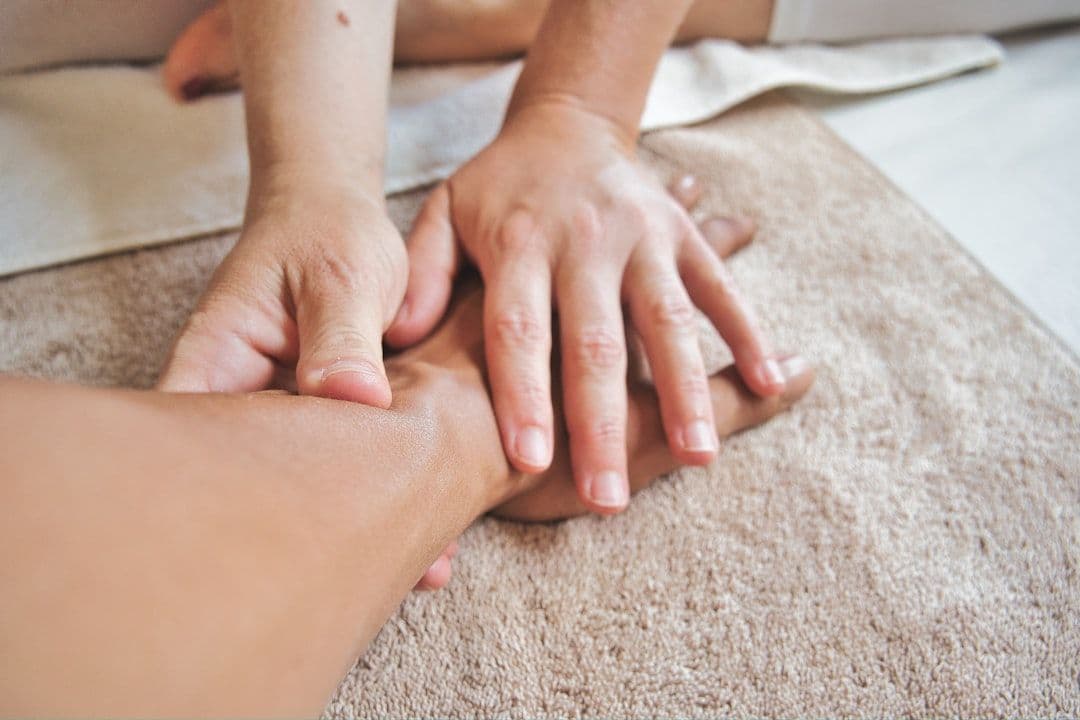
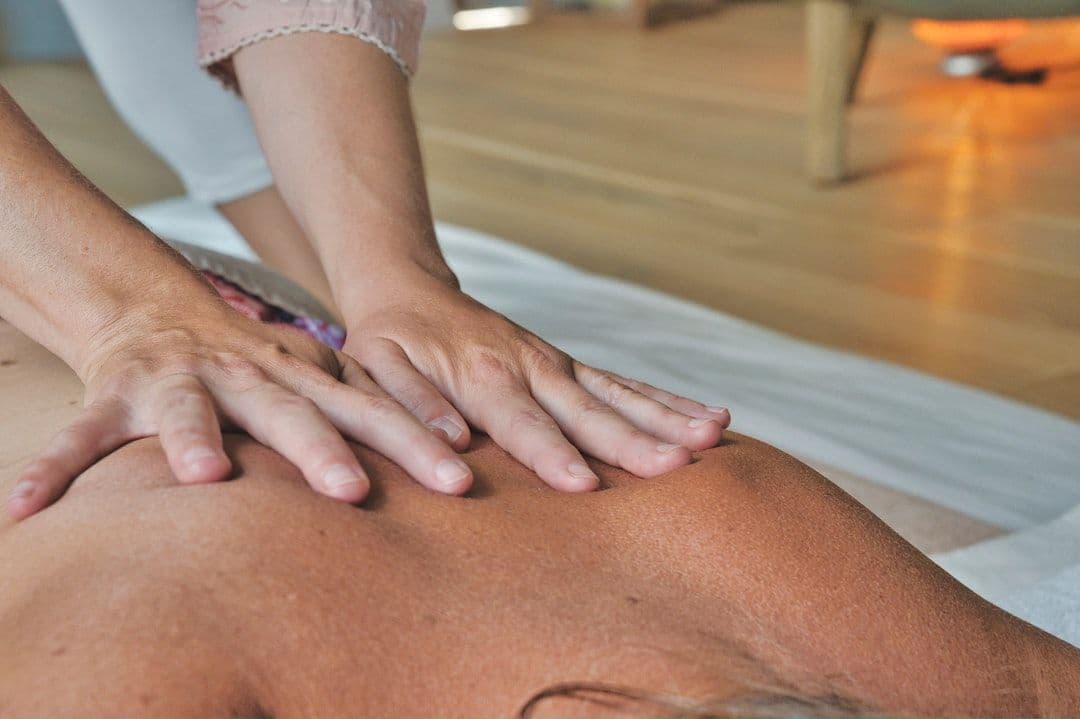
What it is
Hands-on therapy that works muscles and soft tissue to ease tension and promote relaxation.
Massage therapy involves the hands-on manipulation of muscles and soft tissues to promote relaxation, reduce tension, and relieve pain
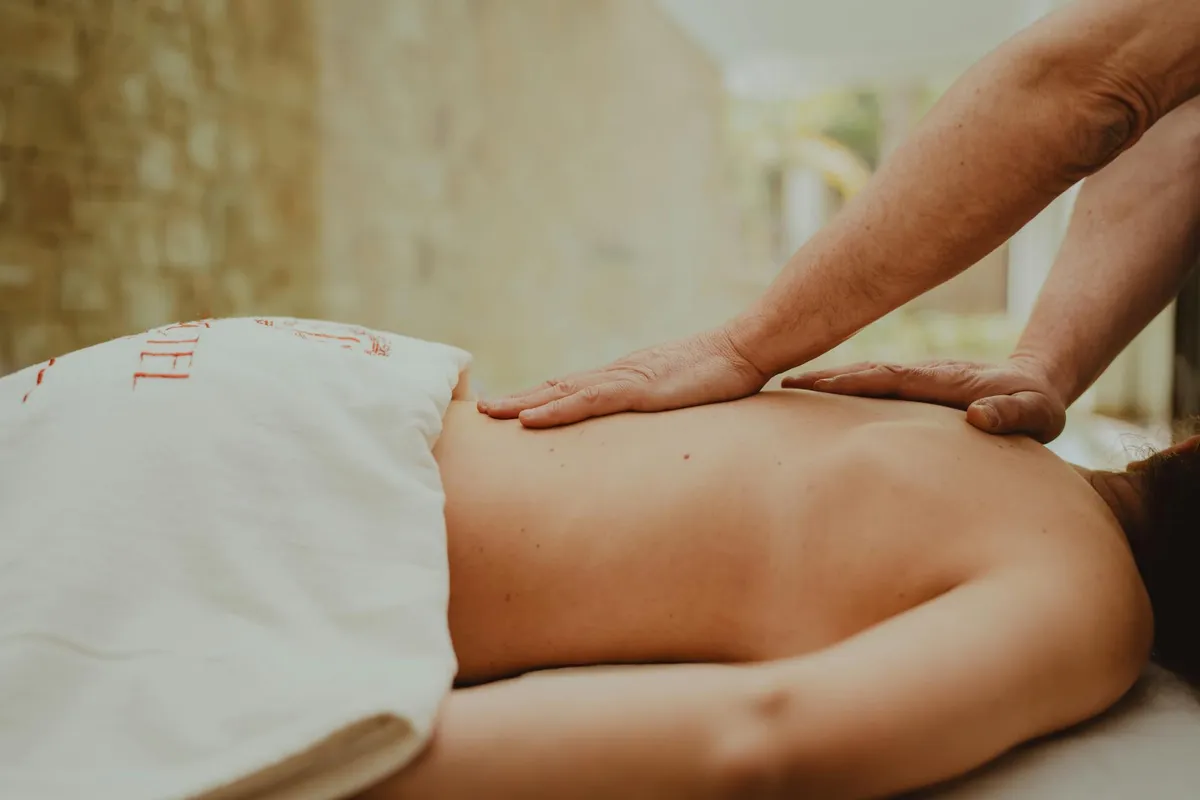
At a glance
What it is
Hands-on therapy that works muscles and soft tissue to ease tension and promote relaxation.
Why explore it
May help with back pain, neck stiffness, post-workout soreness, stress, sleep, and mild anxiety.
How it’s experienced
A licensed therapist guides a 30–90 minute session tailored to your comfort and specific concerns.
Evidence context
Good support exists for back pain and muscle soreness, though results vary by technique and frequency.
See the evidence snapshotSafety
Very low risk with a trained therapist, but check with your doctor if pregnant, post-surgery, or on blood thinners.
See staying safeHistory & Origin
Massage involves hands-on manipulation of muscles and soft tissues to promote relaxation, alleviate tension, and relieve pain.
Massage therapy is one of the oldest healing practices, with evidence of its use dating back thousands of years across multiple civilizations. Ancient Egyptian tomb paintings depict massage being performed, while traditional Chinese medicine incorporated massage techniques (Tui Na) as early as 2700 BCE. In India, Ayurvedic medicine has long featured massage as a core therapeutic practice for balancing the body's energies.
During the Renaissance and into the 19th century, European physicians began systematizing massage techniques, with Swedish physician Per Henrik Ling developing Swedish massage in the 1830s—one of the most widely practiced forms today. Ling's approach emphasized anatomical knowledge and specific strokes designed to improve circulation and muscle function, helping legitimize massage within Western medical frameworks.
Massage gained significant popularity in the late 20th century as part of the broader complementary health movement. Research into its physiological effects expanded considerably from the 1980s onward, leading to its integration into sports medicine, physical rehabilitation, and wellness programs worldwide. Today, massage therapy exists in many forms—from traditional Eastern practices to modern clinical approaches—making it one of the most accessible and widely sought complementary therapies globally.
Approaches
Massage isn’t a single method. Practitioners may train in one tradition or blend several — here are the styles you’re most likely to meet.
Uses gliding strokes, kneading, and gentle rhythm for relaxation and general muscle tension.
Uses slower, firmer pressure for deeper layers of muscle and connective tissue.
Focuses on athletic recovery, mobility, and areas stressed by training or competition.
Uses light, specific strokes to support lymph fluid movement.
Adapts positioning and pressure for pregnancy comfort and safety.
Mechanism
Massage is generally described as working through skilled touch, careful pacing, and the body's response to pressure, movement, warmth, or stillness. Practitioners may focus on muscle tone, joint comfort, circulation, breath, or relaxation depending on the method. Traditional explanations may also include energy flow or whole-person balance. Research support varies by modality, so the experience is best framed as supportive care with outcomes that vary. Massage stimulates specialised nerve fibers in the skin and underlying tissues, triggering the body's pain-inhibiting pathways while simultaneously activating the parasympathetic nervous system — the physiological state associated with relaxation and recovery.
Your first visit
A typical session outline to help you feel prepared
A massage session guides you through gentle to firm hands-on bodywork designed to ease tension, support relaxation, and leave you feeling more at ease in your body.
Your therapist will ask about your health history, any areas of tension or discomfort, and what you're hoping to get from the session so they can personalize their approach.
You'll discuss pressure preferences, any areas to avoid, and your comfort with draping, ensuring you feel safe and in control before anything begins.
You'll be given privacy to undress to your comfort level and lie down on a padded table covered with soft sheets, with bolsters available to support your knees or ankles.
Your therapist will knock before re-entering and will keep you covered with a sheet throughout, only uncovering the area they're actively working on to protect your privacy.
Using oil or lotion, your therapist works through strokes, kneading, and pressure techniques on muscles and soft tissue — you may feel warmth, mild tenderness in tight spots, or deep relaxation.
Your therapist may periodically ask about pressure or comfort during the session, and you're always welcome to speak up if anything feels too intense or uncomfortable.
The session closes with slower, lighter strokes to ease your body out of deep relaxation, and your therapist will quietly let you know when they've finished.
Take your time getting up slowly, drink plenty of water throughout the day, and expect any mild soreness to fade within a day or two as your muscles settle.
The Evidence
What research says about massage therapy, where the evidence is strong, where it is limited, and what to keep in mind.
Meaningful research support with some methodological caveats
Massage has a substantial and growing research base, with consistent findings for pain, stress, and relaxation outcomes. Evidence quality varies across studies, and some popular claims extend beyond what the science currently supports.
Well-designed trials show moderate evidence for chronic low back pain, neck pain, and headaches. Stress reduction is among the better-supported outcomes, with measurable changes in cortisol and heart rate variability documented across multiple studies. Benefits appear comparable to, or complementary to, standard care in these areas.
Many trials are small and lack adequate control groups. Because recipients know they are receiving massage, blinding is not possible, which can inflate perceived benefit. Publication bias may also skew results toward positive findings. Claims about toxin removal or energy manipulation are not supported by current evidence.
Within the MACH framework, massage sits in the Complementary category. It is most commonly used to support recovery, manage symptoms, and improve wellbeing alongside professional medical care. It is not a substitute for professional assessment or management of underlying conditions.
Massage therapy is included in clinical guidelines for musculoskeletal conditions in several countries and is offered within some hospital and rehabilitation settings. Licensing and certification requirements vary significantly by region, so checking local practitioner standards is advisable.
Avoid massage over active infections, open wounds, acute blood clots, or uncontrolled high blood pressure. Those with severe osteoporosis, recent surgery, or blood-thinning medications should consult a doctor first. Pregnant individuals should seek practitioners trained in prenatal massage. Choose a licensed or certified therapist where available.
Licensing requirements for massage therapists differ by country and region. Look for practitioners with recognised formal training and membership in a professional body where available. Always communicate your health history, current conditions, and any concerns before a session so the therapist can adapt their approach appropriately.
Safety first
General guidance to help you decide whether this approach is appropriate for you. This is informational only and not a substitute for medical, psychological, or professional advice.
If you are pregnant, managing a health condition, recovering from injury or surgery, or taking medication, consult a qualified healthcare professional first.
Some situations call for extra care or a different approach. Share any conditions, injuries, or sensitivities with your practitioner before your first session.
Look for clear boundaries, transparent pricing, and practitioners who avoid fear-based claims or pressure to book frequent sessions.
Mild, short-lived effects such as tenderness, tiredness, or temporary soreness can occur. Rest, hydrate, and tell your practitioner how you respond.
For you?
A simple, human way to weigh it up. This is general guidance, not personal medical advice — a qualified practitioner can advise on your situation.
Gyfts is a discovery platform, not a medical provider. Nothing here diagnoses, treats or replaces professional care. In an emergency, contact your local emergency number.
Explore approaches
Other practices people often explore alongside massage.
In their words
FAQ
A typical session begins with a brief consultation about your health and preferences, followed by 30-90 minutes of hands-on manipulation of your muscles and soft tissues while you lie on a padded table. The practitioner uses techniques like kneading, stroking, and gentle stretching, adjusting pressure based on your comfort. The environment is usually quiet and warm to promote relaxation, and you remain draped with sheets or towels throughout.
This varies significantly depending on your condition and goals. Some people experience relief after a single session, while others benefit from a series of treatments. For acute issues, 2-4 sessions weekly may be recommended initially. For chronic conditions, ongoing sessions every 2-4 weeks are often more effective. Your practitioner can recommend a personalized plan based on your response to initial treatments.
Common types include Swedish massage (gentle, flowing strokes), deep tissue massage (more intense pressure targeting deeper muscles), sports massage (focused on athletic performance and injury prevention), Thai massage (assisted stretching and pressure), Shiatsu (acupressure-based), and reflexology (focused on feet and hands). Each technique has different goals and benefits—your practitioner can help determine which is best for you.
Massage should not cause severe pain. Some techniques, particularly deep tissue work, may involve pressure that feels intense or slightly uncomfortable as tight muscles release, but this should be tolerable and improve as muscles relax. Always communicate with your practitioner about pain levels—good practitioners adjust their approach to your comfort threshold.
Many people find massage helpful for chronic pain conditions like back pain, fibromyalgia, and arthritis. It works by reducing muscle tension, improving circulation, and promoting relaxation. However, results vary, and massage is often most effective as part of a broader pain management approach that may include exercise, other therapies, and medical care.
Most people tolerate massage well. Minor side effects can include temporary soreness (similar to post-exercise soreness), mild bruising if pressure was deep, or brief emotional release (crying or mood shifts as tension releases). These typically resolve quickly. Serious side effects are rare when performed by trained practitioners, but inform your provider of any concerning symptoms.
Massage can be beneficial during pregnancy when performed by a practitioner trained in prenatal massage, but you should obtain clearance from your healthcare provider first. Prenatal massage uses modified techniques and positioning to accommodate pregnancy changes and address common discomforts like back pain and swelling.
Costs vary widely by location, practitioner experience, and session length, typically ranging from $40-$200+ per session. Some insurance plans cover massage therapy if prescribed by a physician for specific conditions. Many practitioners offer package discounts for multiple sessions, and some sliding scale rates may be available.
References
Educational sources that inform this overview. Inclusion is for context and does not imply endorsement.
Full citations are maintained by the Gyfts editorial team and reviewed periodically.
Keep exploring
Browse practitioners, explore honest overviews, and take what you learn to a conversation — at your own pace.