What It Is
A tick-borne bacterial infection that can affect the joints, nervous system, and overall energy levels.
Understanding your body when Lyme disease lingers
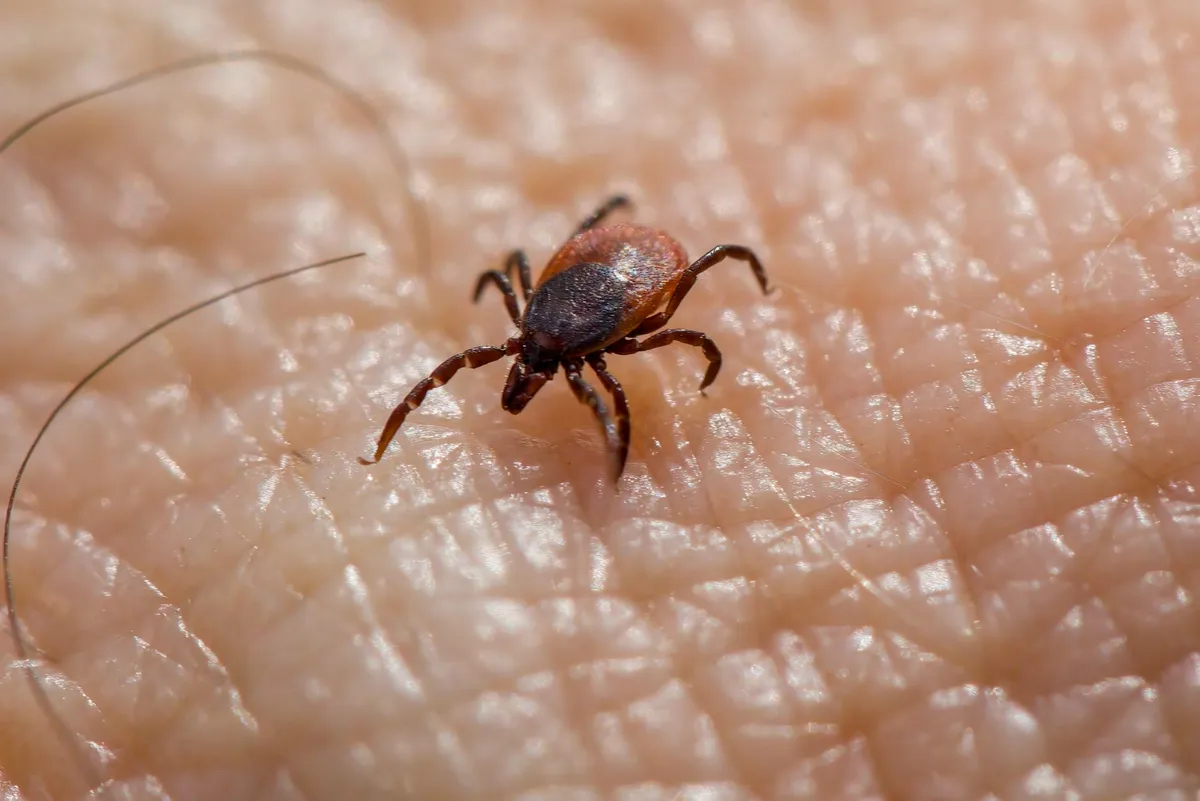
At a glance
What It Is
A tick-borne bacterial infection that can affect the joints, nervous system, and overall energy levels.
How It Presents
Fatigue, joint pain, brain fog, and sometimes a distinctive expanding rash after a tick bite.
What May Help
Herbal medicine and acupuncture are among the approaches some people explore alongside conventional care.
Evidence Context
Research into complementary support for Lyme disease is still emerging, with limited but growing interest.
See the evidence snapshotWhen to Seek Help
A tick bite with rash, neurological symptoms, or persistent issues after treatment all warrant medical attention.
Explanation
Lyme disease is caused by Borrelia burgdorferi, transmitted through the bite of infected Ixodes ticks. Early-stage infection is effectively treated with antibiotics, with high recovery rates when caught promptly. Diagnosis is frequently delayed because the characteristic rash is absent in many cases and early symptoms — fatigue, fever, headache, muscle aches — are non-specific. Disseminated infection can affect the joints, heart, and nervous system. Some people develop persistent symptoms after completing treatment, a poorly understood condition sometimes called post-treatment Lyme disease syndrome. Integrative approaches may support immune function, inflammation management, and symptom relief alongside conventional care.
Could this be you
Lyme Disease shows up differently for everyone. Browse by how it tends to be felt — these are common experiences, not a checklist or a diagnosis.
Common experiences people describe — not a diagnostic checklist.
Why it happens
Lyme Disease usually comes from a mix of factors rather than a single cause. These are common contributors — not certainties.
Borrelia burgdorferi bacteria, transmitted by infected ticks, may evade the immune system and contribute to persistent symptoms.
Chronic stress may dampen immune function, potentially making it harder for the body to respond to infection.
Delayed diagnosis or incomplete treatment may increase the risk of symptoms spreading beyond the initial infection site.
Poor sleep may worsen fatigue and cognitive difficulties commonly reported in persistent Lyme disease cases.
What happens in the body
Lyme Disease can involve several of the body’s systems. These are common patterns researchers describe — how they show up varies from person to person.
Borrelia burgdorferi may trigger persistent immune activation, leading to ongoing inflammation even after the bacteria are cleared or reduced.
The bacteria can infiltrate the central and peripheral nervous system, potentially causing nerve pain, cognitive difficulties, and facial palsy.
Inflammatory responses driven by infection may accumulate in joint tissues, contributing to swelling, stiffness, and significant pain in affected joints.
Prolonged illness, diagnostic uncertainty, and contested recognition of chronic symptoms may contribute to psychological distress and reduced quality of life.
Process
Management
A doctor may discuss oral or intravenous antibiotics such as doxycycline or amoxicillin as the standard medical approach, particularly in early or disseminated Lyme disease.
Some practitioners suggest certain herbs such as Japanese knotweed or cat's claw may support immune function; evidence is emerging and use should be guided by a qualified herbalist.
Some people find acupuncture may support management of pain, fatigue, and muscle tension associated with Lyme disease, particularly in persistent cases.
Some practitioners suggest an anti-inflammatory dietary approach, reducing processed foods and emphasizing whole foods, may support overall immune resilience during recovery.
Some people with persistent symptoms explore integrative care combining conventional and complementary approaches; working with a practitioner experienced in Lyme care is strongly advisable.
Self-Care
Some people with Lyme-related fatigue find that gradually increasing activity levels, rather than pushing through exhaustion, may support steadier energy over time
Maintaining regular sleep and wake times may support immune function and help manage the fatigue and cognitive difficulties that commonly accompany Lyme disease
Some practitioners suggest reducing processed foods and emphasizing vegetables, omega-3-rich fish, and whole grains, as this approach may support overall inflammatory balance
Keeping a simple daily log of fatigue, joint pain, brain fog, and mood may help a knowledgeable practitioner identify patterns and tailor your support more effectively
Using EPA-registered repellents, wearing long clothing in wooded or grassy areas, and checking for ticks after outdoor time are practical steps many people find helpful for ongoing prevention
The Evidence
What research and clinical practice currently tell us about Lyme disease, and conventional and complementary care options.
Antibiotic care is standard for early-stage; evidence for persistent symptoms remains limited and debated
Early Lyme disease responds well to antibiotics when identified promptly. Evidence for complementary approaches is limited and primarily relates to managing persistent symptoms after antibiotic care — an area of ongoing clinical debate.
Conventional medicine recognises strong evidence for antibiotic care of early-stage Lyme disease. Evidence for complementary approaches — including anti-inflammatory nutrition, herbal protocols, and immune support — is limited and largely based on small studies or clinical observation. Controlled trials in persistent Lyme symptoms remain scarce.
Post-treatment Lyme disease syndrome is recognised by mainstream medicine, though its mechanisms are not fully understood. Integrative practitioners often work with seekers experiencing prolonged fatigue, joint pain, and cognitive difficulties. The field is complicated by differing professional positions on long-term antibiotic use and the validity of some testing approaches.
Seek immediate professional attention for an expanding circular rash after a tick bite, facial drooping or palsy, heart palpitations, severe neurological symptoms, unexplained joint swelling, or a tick that cannot be removed. These signs may indicate active infection requiring antibiotic care. Delaying care in acute Lyme disease can lead to serious complications.
Holistic approaches should never substitute antibiotic therapy for acute Lyme disease. Some herbal protocols may interact with antibiotics or immunosuppressants. Detoxification protocols can cause Herxheimer-like reactions and require medical guidance. Pursuing complementary care without professional assessment for symptoms that may indicate active infection carries real risk.
Acupuncture may support pain management and nervous system regulation in persistent Lyme symptoms, though evidence is limited. Herbal protocols targeting inflammation and immune function are widely used in integrative practice. These approaches are best considered adjuncts to conventional care, not alternatives, and should be discussed with a qualified practitioner.
Given the complexity of Lyme disease — particularly persistent cases — working across disciplines is recommended. Differing guidelines between bodies such as IDSA and ILADS mean seekers may encounter conflicting advice on long-term care and testing validity. Inform all practitioners of any supplements or herbal protocols in use, and raise the question of co-infection assessment if symptoms remain unexplained after initial evaluation.
Safety first
Lyme Disease is manageable, and support helps. Some situations call for prompt professional help.
Explore approaches
Practices people explore for lyme disease — alongside professional care.
FAQ
Some people experience lasting fatigue, pain, and brain fog after antibiotic treatment, sometimes called post-treatment Lyme disease syndrome. The reasons are not fully understood. A doctor experienced in post-treatment care can help guide next steps.
Some practitioners suggest certain herbs may support immune function and help manage fatigue or inflammation. Evidence is early-stage, so herbal approaches are best discussed with a qualified practitioner alongside conventional medical care.
Some people find acupuncture helpful for managing pain, fatigue, and tension associated with Lyme disease. Research is limited, so it is considered a complementary option rather than a primary treatment.
Seek care promptly for facial drooping, heart palpitations, severe headache, or numbness after a tick bite. An expanding circular rash is also a reason to see a doctor quickly, as early treatment matters.
Many people report this experience, and it is a recognized challenge. Lyme diagnosis can be complex and contested. Seeking a practitioner who is familiar with post-treatment Lyme care may help you feel better supported.
Keep exploring
Browse practitioners, explore honest overviews, and take what you learn to a conversation — at your own pace.