What It Is
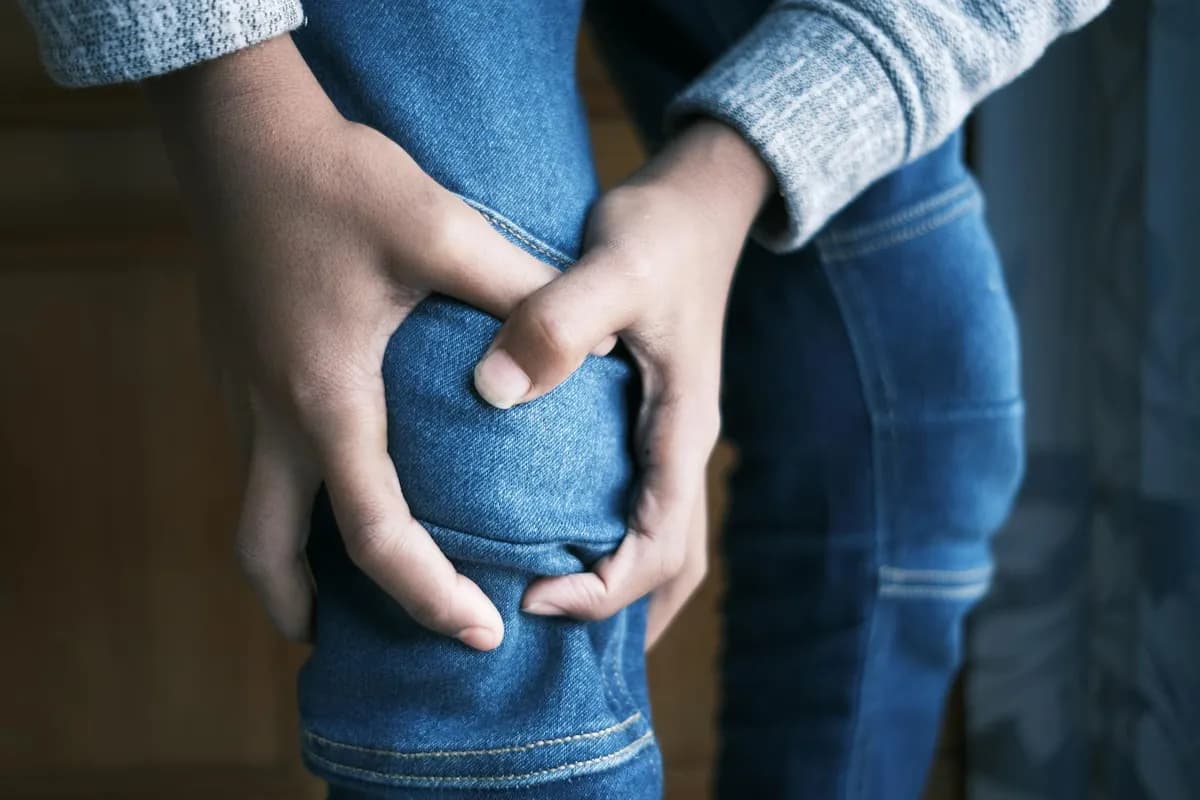
Pain arising from the kneecap pressing unevenly against the thigh bone during movement
Understanding the ache behind your kneecap
At a glance
What It Is
Pain arising from the kneecap pressing unevenly against the thigh bone during movement
How It Presents
Aching front-of-knee pain worsened by stairs, squatting, or sitting with bent knees
What May Help
Physiotherapy, hip and quad strengthening, taping, and activity modification are widely explored
Evidence Context
Strong evidence supports progressive strengthening and biomechanical correction for meaningful relief
See the evidence snapshotWhen to Seek Help
See a physiotherapist if pain persists beyond a few weeks or limits daily activity
Explanation
Patellofemoral pain syndrome (PFPS) is anterior knee pain arising from the interface between the patella and femoral trochlea. It is one of the most common knee complaints, particularly in younger adults and runners. Pain is typically provoked by squatting, prolonged sitting, stair use, and running. Biomechanical factors including hip muscle weakness, patella maltracking, and foot pronation are key drivers. It is often associated with tight lateral structures and relatively weak hip abductors.
Could this be you
Patellofemoral pain syndrome shows up differently for everyone. Browse by how it tends to be felt — these are common experiences, not a checklist or a diagnosis.
Common experiences people describe — not a diagnostic checklist.
Why it happens
Patellofemoral pain syndrome usually comes from a mix of factors rather than a single cause. These are common contributors — not certainties.
Weakness in hip abductors and quad imbalances may allow the kneecap to track unevenly under load.
High training stress or sudden load spikes may exceed the knee's capacity to adapt comfortably.
Foot pronation and a tight iliotibial band may alter knee alignment and contribute to front-knee pain.
Poor sleep may slow tissue recovery, potentially making the knee more sensitive to repeated loading.
What happens in the body
Patellofemoral pain syndrome can involve several of the body’s systems. These are common patterns researchers describe — how they show up varies from person to person.
The kneecap may track unevenly across the femoral groove, creating uneven pressure and irritation on the cartilage beneath it.
Weakness in the hip abductors and quad imbalances may allow the thigh to rotate inward, increasing lateral stress on the patella during movement.
Excess inward rolling of the foot during walking or running may shift load up the kinetic chain, altering how force is distributed across the kneecap.
Persistent anterior knee pain may involve sensitization of local nerve endings, making the joint more reactive to mechanical load over time.
Process
Management
A structured physiotherapy program focusing on quadriceps and hip strengthening is widely considered the foundation of care and may support long-term pain reduction and function.
A doctor may discuss over-the-counter anti-inflammatory medications such as ibuprofen to help manage acute flare-ups, though these address symptoms rather than underlying muscle imbalances.
McConnell taping techniques or patellar stabilizing braces are commonly used alongside rehab; some people find these reduce pain during activity and allow more consistent exercise participation.
Custom or prefabricated shoe inserts may support improved lower-limb alignment in people with notable foot pronation, and some practitioners suggest these work best alongside strengthening.
Temporarily reducing high-load activities such as running or stair climbing while maintaining general movement may support tissue tolerance and reduce symptom flare-ups during recovery.
Self-Care
Exercises like clamshells, side-lying leg raises, and resistance band walks may support better kneecap tracking by improving hip abductor and glute strength.
Short-arc quads, straight-leg raises, and wall sits are often well-tolerated early on and may help reduce stress on the patellofemoral joint over time.
Sudden spikes in running distance or training intensity are a common trigger. Keeping weekly mileage increases to around ten percent may help prevent flare-ups.
Some people find that McConnell taping or a patellar tracking sleeve reduces discomfort during activity, making it easier to stay moving while building strength.
Foot pronation may contribute to poor kneecap alignment. A podiatrist or physiotherapist can assess whether supportive footwear or custom insoles may support symptom relief.
The Evidence
What research says about patellofemoral pain syndrome and the approaches most likely to support recovery.
Well-researched condition with clear rehabilitation pathways
Patellofemoral pain syndrome is one of the most studied knee complaints, with strong evidence supporting targeted strengthening and biomechanical correction. Most people improve with structured physiotherapy, though recovery timelines vary.
Multiple trials support progressive hip abductor and quadriceps strengthening as the most effective approach. Foot orthotics show meaningful benefit in people with excess foot pronation. McConnell taping has moderate supporting evidence for short-term pain relief. Acupuncture has some supporting evidence, though the research base is smaller.
PFPS typically arises when the patella tracks unevenly across the femoral groove, creating localised pressure on the cartilage beneath it. Hip abductor weakness, quad imbalances, and foot pronation all contribute by altering load distribution up the kinetic chain. Pain is often provoked by squatting, stairs, and prolonged sitting.
Massage may help address tightness in lateral structures around the knee and hip. Yoga and Pilates can support hip stability and movement awareness, which are relevant to PFPS recovery. These approaches are best used alongside, not instead of, a structured rehabilitation programme. Evidence for standalone use is limited.
Sudden severe knee swelling, inability to bear weight, or the knee giving way completely are not typical of PFPS and need prompt assessment. Fever with joint pain, or sharp pain at rest, may indicate a different condition requiring professional evaluation. Do not self-manage if these features are present.
Because PFPS involves contributors at the hip, knee, and foot, a practitioner who can assess the whole lower limb is valuable. Physiotherapy is the most evidence-supported starting point. Osteopathy may also address movement patterns and soft tissue contributors. Self-directed exercise without professional assessment risks missing key biomechanical factors.
Recovery timelines vary considerably and some people experience recurrence, particularly if underlying hip weakness or training load is not addressed. Evidence quality across some complementary approaches remains limited. No approach should be presented with inflated outcome claims. If symptoms are not improving with rehabilitation, further professional assessment is appropriate.
Safety first
Patellofemoral pain syndrome is manageable, and support helps. Some situations call for prompt professional help.
Explore approaches
Practices people explore for patellofemoral pain syndrome — alongside professional care.
FAQ
Prolonged knee bending increases pressure between the kneecap and thigh bone. This is sometimes called the cinema sign. Standing and gently moving the knee often brings temporary relief.
Research strongly supports targeted hip and quadriceps strengthening to improve kneecap tracking. Many people find consistent exercise over six to twelve weeks leads to meaningful reduction in pain and improved function.
Some people find patellar taping or bracing may support pain relief during activity. Massage and movement practices like yoga or Pilates are sometimes explored to support hip mobility and overall lower-limb alignment.
Imaging is not routinely needed for diagnosis. A physiotherapist can usually identify patellofemoral pain through clinical assessment alone. Imaging may be recommended to rule out other conditions if your symptoms are atypical.
If pain is severe, involves significant swelling, or has not improved after two to three months of consistent self-management and physiotherapy, an orthopaedic assessment is worth pursuing.
Keep exploring
Browse practitioners, explore honest overviews, and take what you learn to a conversation — at your own pace.