What It Is
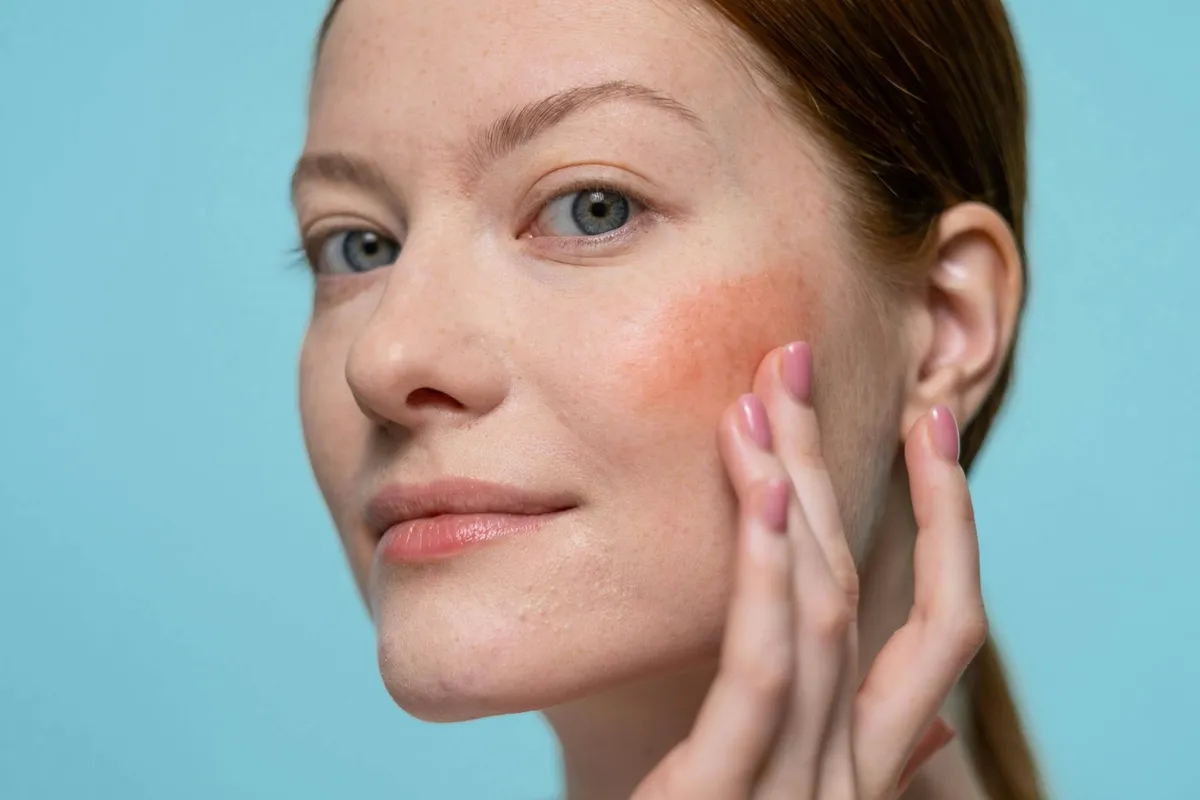
A chronic skin condition causing facial redness, visible vessels, and sometimes acne-like bumps
Understanding the flush beneath rosacea's surface
At a glance
What It Is
A chronic skin condition causing facial redness, visible vessels, and sometimes acne-like bumps
How It Presents
Persistent flushing, burning, visible capillaries, and flares triggered by heat, food, or emotion
What May Help
Trigger identification, gentle skincare, sun protection, and stress-management practices
Evidence Context
Research is still emerging; some approaches show promise but large-scale evidence remains limited
See the evidence snapshotWhen to Seek Help
See a dermatologist if redness spreads, vision is affected, or flares significantly impact daily life
Explanation
Rosacea is a chronic skin condition causing facial redness, visible blood vessels, and sometimes papules, triggered by heat, stress, alcohol, and certain foods. Gut health, anti-inflammatory diet, trigger management, and stress reduction are core holistic approaches alongside dermatological care.
Could this be you
Rosacea shows up differently for everyone. Browse by how it tends to be felt — these are common experiences, not a checklist or a diagnosis.
Common experiences people describe — not a diagnostic checklist.
Why it happens
Rosacea usually comes from a mix of factors rather than a single cause. These are common contributors — not certainties.
Genetic predisposition and a reactive vascular system may make some people more prone to rosacea flares.
Emotional stress is a well-recognized trigger that some people find worsens facial flushing and flare frequency.
Skin barrier disruption and microbial imbalance may contribute to ongoing facial sensitivity in rosacea.
Poor sleep may heighten inflammation, which some people find increases rosacea flare-ups over time.
What happens in the body
Rosacea can involve several of the body’s systems. These are common patterns researchers describe — how they show up varies from person to person.
Facial blood vessels may become chronically dilated and hypersensitive, leading to persistent redness, flushing, and visible capillaries near the skin surface.
Dysregulated innate immune signaling, including elevated cathelicidin peptides, may drive chronic low-grade skin inflammation and contribute to papule formation.
Heightened neurovascular sensitivity may cause exaggerated flushing responses to triggers such as heat, stress, spicy food, and alcohol.
Stress-related hormonal shifts may influence skin inflammation and vascular reactivity, potentially worsening flare frequency and intensity over time.
Process
Management
A doctor may discuss topical options such as metronidazole, azelaic acid, or ivermectin cream, which are commonly used in conventional rosacea management to help reduce redness and papules.
Low-dose oral antibiotics, particularly doxycycline, are sometimes prescribed by dermatologists for their anti-inflammatory properties in managing rosacea flares rather than for infection.
Procedures such as intense pulsed light or vascular laser therapy are options some dermatologists offer to help reduce the appearance of persistent redness and visible blood vessels.
Some people find that fragrance-free, organic facial treatments and carefully chosen cosmetics formulated for sensitive skin may support a calmer skin barrier and reduce the likelihood of irritation-related flares.
Some practitioners suggest that supporting gut health through an anti-inflammatory diet rich in whole foods, and limiting known dietary triggers such as alcohol and spicy foods, may support overall skin comfort in rosacea.
Self-Care
Some people with rosacea find that using fragrance-free, non-abrasive cleansers and moisturizers may support a calmer skin barrier and reduce day-to-day reactivity.
Keeping a simple diary of flare-ups alongside diet, environment, and activities may help you spot patterns — common triggers include heat, alcohol, spicy foods, and sun exposure.
Sun exposure is a widely reported rosacea trigger. Applying a mineral-based SPF 30 or higher each morning may support reduced flushing and flare frequency over time.
Some practitioners suggest an anti-inflammatory eating pattern — rich in vegetables, omega-3s, and fermented foods — may support overall skin comfort in rosacea-prone individuals.
Stress is a recognized rosacea trigger. Practices like gentle breathwork, yoga, or short walks may help moderate the stress response that some people find precedes a flare.
The Evidence
What research and clinical practice currently suggest about managing rosacea through conventional and complementary approaches.
Dermatological care leads; lifestyle support adds value
Rosacea has a well-established dermatological evidence base for conventional management. Complementary approaches including nutritional therapy, stress reduction, and trigger management have emerging support and are often used alongside professional skin care.
Topical and oral dermatological treatments have the strongest evidence base for rosacea. Lifestyle strategies such as trigger identification and skin barrier support have moderate evidence. Nutritional therapy, mindfulness, and certain herbal approaches have emerging evidence, with some individuals reporting meaningful symptom support when used alongside professional care.
Management typically combines topical agents, sun protection, and personalised trigger avoidance. Ocular rosacea may require additional specialist input. Holistic practitioners may focus on gut health, anti-inflammatory nutrition, and stress reduction as supportive strategies alongside — not instead of — conventional dermatological care.
Nutritional therapy, acupuncture, mindfulness, and herbal medicine are among the approaches people explore for rosacea support. Evidence varies across these modalities and is generally at an early stage. Where used, they are best considered supportive tools within a broader care plan rather than standalone interventions.
Heat, UV exposure, alcohol, spicy foods, and emotional stress are common rosacea triggers, though patterns vary significantly between individuals. Keeping a trigger diary, supporting the skin barrier with gentle products, and incorporating stress management practices such as mindfulness or yoga may help reduce flare frequency over time.
Seek prompt medical attention for rapidly spreading facial infection, severe facial swelling, fever accompanying a skin flare, intense or worsening eye pain, or sudden skin ulceration. These may indicate complications that require professional assessment and should not be managed with self-care or complementary approaches alone.
Many complementary studies for rosacea are small, short-term, or lack standardised outcome measures. This makes it difficult to draw firm conclusions about effectiveness. Individual responses to both conventional and complementary approaches differ widely. Gyfts does not substitute for professional skin assessment, and practitioners on the platform do not provide medical assessment or prescribe.
Safety first
Rosacea is manageable, and support helps. Some situations call for prompt professional help.
Explore approaches
Practices people explore for rosacea — alongside professional care.
FAQ
Flares are highly individual but commonly linked to sun exposure, heat, spicy food, alcohol, exercise, and emotional stress. Keeping a trigger diary may help you identify your personal patterns over time.
Some people find that practices like mindfulness, dietary adjustments, and gentle anti-inflammatory eating may support calmer skin. Evidence is emerging rather than conclusive, so these are best explored alongside medical guidance.
They are distinct conditions, though both can cause facial bumps. Rosacea typically involves persistent redness and flushing, and standard acne treatments are not always appropriate and can sometimes irritate rosacea-prone skin.
Consult a dermatologist if redness is worsening, spreading, affecting your eyes, or significantly limiting your daily activities. Prescription options exist and early support may help prevent progression.
Many people experience self-consciousness, social avoidance, and emotional fatigue from living with a visible chronic condition. Acknowledging this impact is valid, and support for both skin and emotional health may be worth exploring.
Keep exploring
Browse practitioners, explore honest overviews, and take what you learn to a conversation — at your own pace.