What It Is
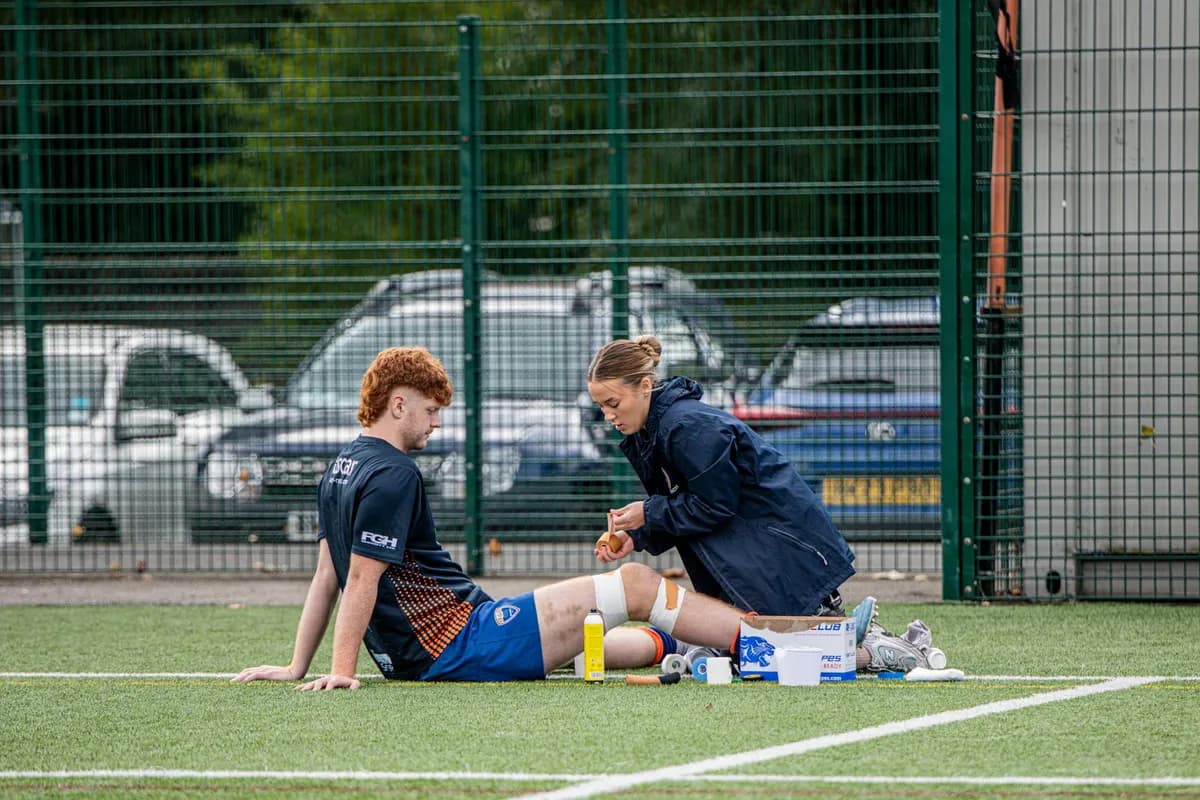
Sprains, strains, tendinopathies, and overuse injuries that occur during athletic or exercise activity
Understanding your body's path back to movement
At a glance
What It Is
Sprains, strains, tendinopathies, and overuse injuries that occur during athletic or exercise activity
How It Presents
Sudden or gradual pain, swelling, bruising, stiffness, and reduced ability to use the affected area
What May Help
Rest, physical therapy, nutrition, sleep, and mind-body approaches are commonly explored during recovery
Evidence Context
Strong evidence supports structured rehab and load management; complementary approaches vary in research quality
See the evidence snapshotWhen to Seek Help
Seek care promptly for suspected fracture, dislocation, severe swelling, or complete loss of movement
Explanation
Sports injuries are musculoskeletal injuries resulting from athletic activity, exercise, or physical training. They are broadly categorized as acute (sprains, strains, fractures, dislocations) or overuse injuries that develop gradually from repetitive loading, such as tendinopathies and stress fractures. Commonly affected areas include the ankle, knee, shoulder, and lower back. Standard management typically follows PRICE principles in the acute phase, progressing to rehabilitation and gradual reloading. Complementary approaches including massage therapy, acupuncture, and sports nutrition may support recovery, pain management, and injury prevention alongside conventional physiotherapy.
Could this be you
Sports Injuries shows up differently for everyone. Browse by how it tends to be felt — these are common experiences, not a checklist or a diagnosis.
Common experiences people describe — not a diagnostic checklist.
Why it happens
Sports Injuries usually comes from a mix of factors rather than a single cause. These are common contributors — not certainties.
Anatomical factors like joint hypermobility or muscle imbalances may increase vulnerability to sprains and strains.
High mental stress can reduce focus and coordination, raising the likelihood of missteps or poor movement during training.
A history of prior injury or conditions affecting bone density may contribute to a higher risk of re-injury during sport.
Poor sleep impairs reaction time and tissue repair, which may increase both injury risk and recovery time after exertion.
What happens in the body
Sports Injuries can involve several of the body’s systems. These are common patterns researchers describe — how they show up varies from person to person.
Acute trauma or repetitive loading may disrupt tendons, ligaments, or bone integrity, triggering localized inflammation, micro-tearing, and impaired structural function.
Injured tissue may release pro-inflammatory signaling molecules that drive swelling, heat, and pain as part of the body's initial repair cascade.
Tissue damage may sensitize local nociceptors and spinal pain pathways, contributing to both acute pain and longer-term heightened sensitivity around the injury site.
Disruption to athletic identity and loss of exercise routine may contribute to low mood, anxiety, and fear-avoidance patterns that can persist beyond physical recovery.
Process
Management
Rest, ice, compression, and elevation are a standard first-line response; a doctor may discuss anti-inflammatory medications to help manage acute pain and swelling.
Structured physiotherapy programs may support recovery of strength, mobility, and movement patterns, and are widely used across injury types and severities.
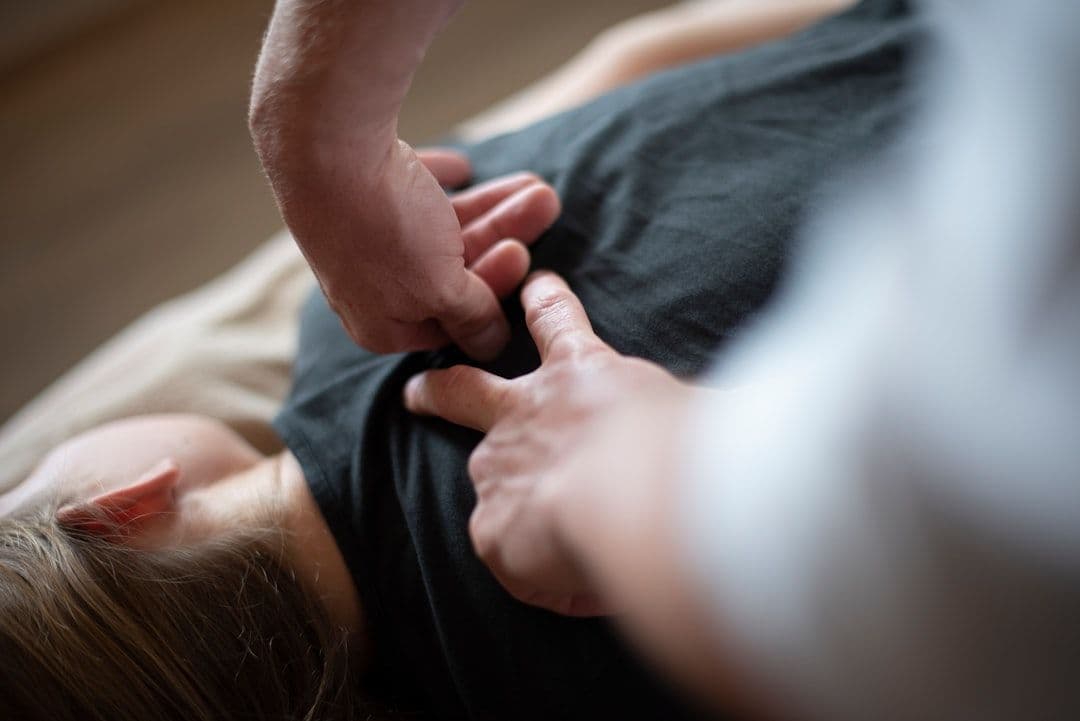
Some people find targeted muscle and soft tissue work helpful for addressing tension, compensatory patterns, and restricted movement following a sports injury.
Microcurrent therapy and pulsed electromagnetic field therapy are approaches some practitioners suggest may support tissue recovery and comfort during rehabilitation.
A gentle, non-invasive bodywork approach that some people explore alongside conventional care to help ease muscle tension and support overall recovery comfort.
Self-Care
Protection, Optimal Loading, Ice, Compression, and Elevation in the first 48 to 72 hours may support initial recovery and help manage swelling after an acute injury.
Spending 10 to 15 minutes on dynamic movement before activity and gentle stretching afterward may support tissue readiness and help reduce the likelihood of re-injury.
Some practitioners suggest increasing training volume or intensity by no more than 10 percent per week to allow tissues to adapt and lower the risk of overuse flare-ups during recovery.
Targeted strengthening of the injured side, guided by a physiotherapist or strength coach, may support functional recovery and help restore confidence in movement over time.
Consistent, quality sleep is when much of the body's repair work takes place. Some people find that prioritizing seven to nine hours and managing stress may support a smoother recovery timeline.
The Evidence
What the research says about complementary approaches to sports injury recovery, pain management, and rehabilitation support.
Rehabilitation for sports injuries is well-supported by research
Sports injury management has one of the stronger evidence bases in complementary health, with physiotherapy and exercise rehabilitation as the foundation. Several complementary modalities show meaningful support for recovery, pain, and tissue healing alongside conventional care.
Exercise-based rehabilitation and physiotherapy have the strongest evidence for sports injury recovery. Massage therapy has moderate evidence for reducing delayed onset muscle soreness and supporting recovery. Acupuncture has specific evidence for conditions such as lateral epicondylitis and knee pain. Nutritional approaches including protein and collagen show emerging evidence for tissue repair.
Acute management typically involves protection, rest, ice, compression, and elevation. This progresses to structured rehabilitation focused on restoring strength, mobility, and function. Complementary approaches such as manual therapy, acupuncture, and sports nutrition are commonly integrated alongside physiotherapy to support pain management and recovery timelines.
Myotherapy, massage, and osteopathy may support soft tissue recovery and movement quality. Acupuncture is used for pain modulation and inflammation management in specific injury types. Anti-inflammatory nutrition and collagen supplementation are increasingly used to support tissue healing. These approaches work best as part of a coordinated plan with a qualified sports health professional.
Seek prompt medical assessment if you experience suspected fracture, joint dislocation, complete loss of function, severe or rapidly worsening swelling, numbness or tingling in a limb, or inability to bear weight. Deep tissue work should not be applied to acute injuries without prior professional assessment. These presentations require imaging or clinical evaluation first.
For many people, sport and exercise are central to mental health and identity. Injury-related loss of routine may contribute to low mood, anxiety, and fear-avoidance patterns that persist beyond physical recovery. Addressing the psychological dimension of recovery — through support, education, and gradual reloading — is increasingly recognised as important to full rehabilitation outcomes.
A sports physiotherapist or sports medicine physician is typically the appropriate first point of contact for assessment and rehabilitation planning. Complementary practitioners with sports-specific training can add value within a coordinated care approach. Ensure any practitioner you work with is aware of your injury history, current treatment plan, and recovery stage before beginning new modalities.
Safety first
Sports Injuries is manageable, and support helps. Some situations call for prompt professional help.
Explore approaches
Practices people explore for sports injuries — alongside professional care.
FAQ
Recovery varies widely by injury type and severity. A mild ankle sprain may resolve in days, while ligament tears or stress fractures can take months. Consistent rehabilitation and gradual return to load are key factors in recovery timelines.
Seek medical attention if you suspect a fracture or dislocation, cannot bear weight, notice severe swelling, or experience numbness. Prompt evaluation helps rule out serious structural damage and guides safe recovery.
Some people find that approaches like massage, acupuncture, or cold and heat therapy may support comfort and mobility during recovery. These are generally used alongside, not instead of, evidence-based rehabilitation.
Fear of re-injury is a recognized part of sports injury recovery. Some practitioners suggest working with a sports psychologist or counselor may help rebuild movement confidence alongside physical rehab.
Adequate protein, micronutrients like vitamin C and zinc, and overall caloric intake may support tissue repair. Some practitioners suggest that poor nutrition can slow recovery, making diet a worthwhile consideration during healing.
Keep exploring
Browse practitioners, explore honest overviews, and take what you learn to a conversation — at your own pace.