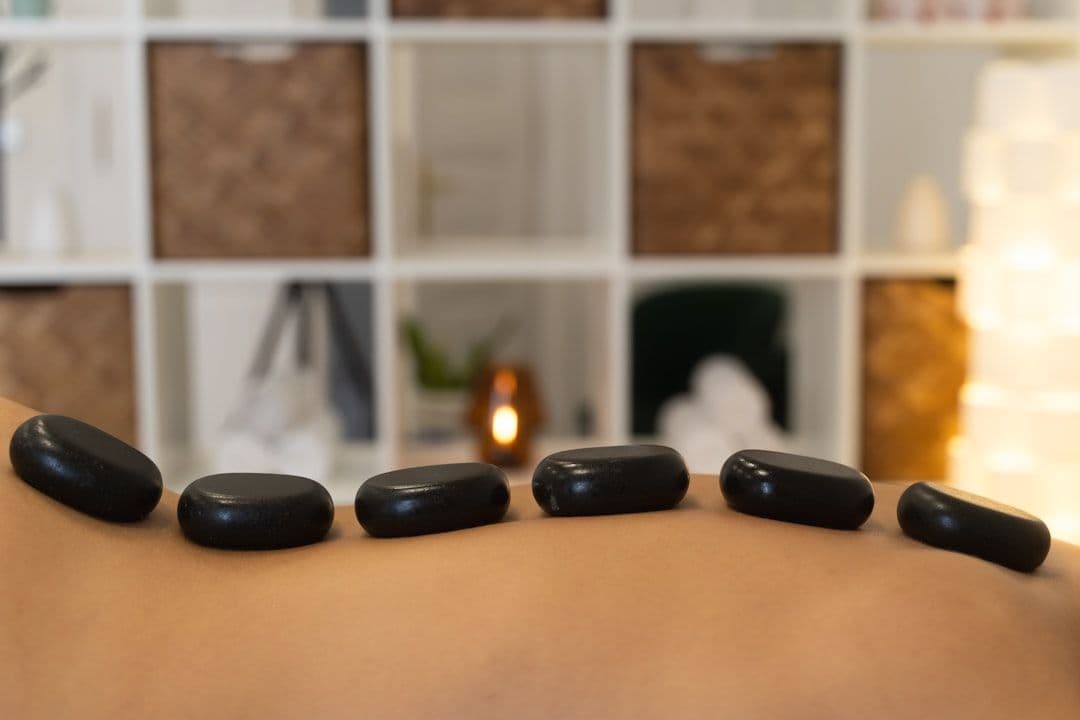
What it is
Magnet therapy uses magnetic fields to support circulation and ease joint discomfort.
Applying magnetic fields to the body using magnets, magnetic jewelry, or specialized devices, with practitioners claiming benefits for pa...
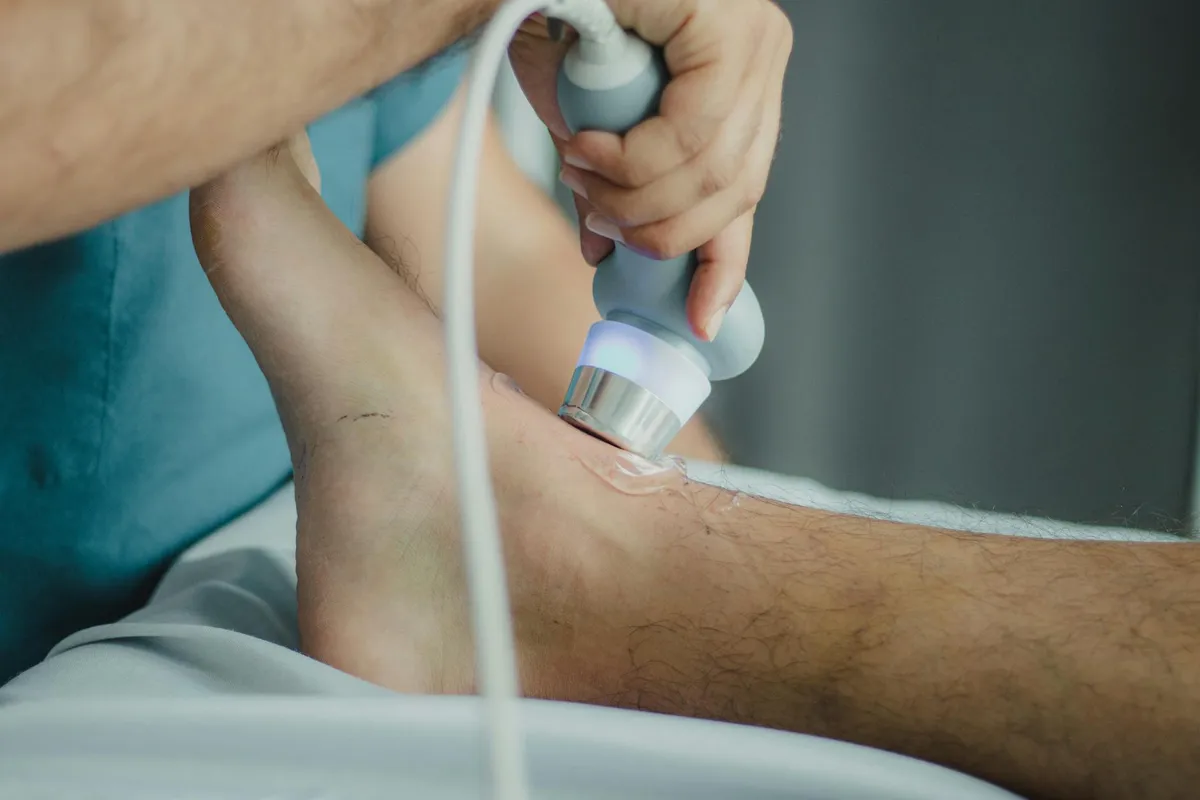
At a glance
What it is
Magnet therapy uses magnetic fields to support circulation and ease joint discomfort.
Why explore it
It's a non-invasive, easy-to-use option that may support muscle comfort and relaxation.
How it’s experienced
Wear magnetic jewelry or place magnets near sore areas for around 15 to 20 minutes.
Evidence context
Research is limited, but some people find it a gentle complement to their wellness routine.
See the evidence snapshotSafety
Avoid if you have a pacemaker or implant, and check with your doctor if you are pregnant.
See staying safeHistory & Origin
Magnet Therapy involves the therapeutic use of magnets and magnetic fields for health and well-being.
Magnet therapy has ancient roots, with references to magnetic stones appearing in traditional Chinese medicine and Ayurvedic texts dating back thousands of years. Healers in ancient Egypt, Greece, and Rome documented the use of magnetite and lodestones for therapeutic purposes, believing magnets could balance vital life forces and promote healing.
The modern form of magnet therapy emerged in the 20th century, gaining particular popularity in the 1970s and 1980s when researchers and entrepreneurs began exploring the physiological effects of magnetic fields on human tissue. Practitioners hypothesized that magnets could improve blood flow, reduce inflammation, and accelerate healing by influencing cellular activity and ion movement.
Magnet therapy spread globally through wellness communities, with magnetic products becoming widely available as consumer health items. The modality gained attention in sports medicine and pain management circles, though mainstream medical acceptance remained limited. Today, magnet therapy exists as a complementary approach, with advocates continuing to promote it for various health applications while the scientific community calls for more rigorous clinical research.
Mechanism
Magnet Therapy is generally framed as a guided process for attention, reflection, learning, and emotional integration. Depending on the method, a practitioner may use conversation, imagery, structured exercises, body awareness, or therapeutic techniques to help the person explore patterns and choices. It should not be presented as a standalone solution or a substitute for urgent care, but it may support self-understanding when practiced within an appropriate scope. Magnet therapy posits that applying magnetic fields to the body influences cellular activity and blood flow.
Your first visit
A typical session outline to help you feel prepared
A magnet therapy session is a gentle, fully clothed experience where small magnets or magnetic devices are placed near areas of concern to support your body's natural balance and relaxation.
Your practitioner will review your health history, current concerns, and any conditions or implanted devices like pacemakers that may affect placement of magnets.
You'll share what you're hoping to get from the session, whether that's easing tension, improving sleep, or general wellness, so your practitioner can tailor the approach.
You stay fully clothed throughout, so wear comfortable, loose-fitting layers. You'll settle onto a massage table or chair in a calm, quiet space.
Your practitioner gently places magnetic patches, wraps, or devices near specific areas of your body, such as joints, the spine, or points of discomfort, with no pressure or manipulation involved.
You simply rest quietly while the magnets remain in place for roughly 20 to 60 minutes. Many people notice a mild warmth, tingling, or deep sense of relaxation during this time.
Your practitioner may check on your comfort partway through and adjust placement if needed, ensuring the experience feels right for your body's responses.
At the end of your session, your practitioner carefully removes all devices and asks how you're feeling, noting any sensations you noticed for future reference.
You can return to normal activities right away. Your practitioner may recommend magnetic wraps or patches to use at home and will outline a follow-up plan based on your progress.
The Evidence
What the research currently shows, where the gaps are, and how to approach magnet therapy with informed expectations.
Promising interest, but no strong clinical consensus yet
Magnet therapy has attracted research interest, particularly for pain and circulation, but systematic reviews consistently find methodological weaknesses in existing studies. Current evidence does not firmly establish it as an effective primary intervention for any condition.
Some preliminary studies report modest effects on pain and inflammation, but most are limited by small sample sizes and poor controls. Systematic reviews have not found consistent, reproducible results. A meaningful placebo effect is difficult to rule out, as creating a truly inert magnet placebo is methodologically challenging.
Researchers have suggested magnet therapy may influence ion channels, blood flow, or cellular signalling. Laboratory studies confirm magnetic fields can affect biological systems at a cellular level. However, whether these effects translate into meaningful clinical outcomes in living humans has not been established by current evidence.
As an Alternative modality, magnet therapy is often sought by people looking outside conventional medicine for pain relief or wellness support. It is not recognised as a standard clinical intervention. Users should be aware that choosing it as a sole approach for significant health concerns may mean other options go unexplored.
Ancient Chinese, Ayurvedic, Egyptian, and Greek traditions all documented therapeutic use of magnetic stones. The modern consumer form emerged in the late 20th century, gaining traction in wellness and sports recovery communities. Historical use reflects cultural significance, though it does not itself constitute clinical evidence of effectiveness.
People with pacemakers, ICDs, insulin pumps, or other electronic implants must seek explicit medical clearance before use, as magnets can interfere with device function. Pregnant individuals should consult their obstetrician. Avoid applying magnets over open wounds or skin infections, and source devices from reputable suppliers.
The evidence does not support magnet therapy as a substitute for professional assessment or management of serious conditions. If you are exploring it for chronic pain or a diagnosed condition, discuss it openly with your healthcare provider. It may complement a broader wellness approach, but should not delay or replace appropriate care.
Safety first
General guidance to help you decide whether this approach is appropriate for you. This is informational only and not a substitute for medical, psychological, or professional advice.
If you are pregnant, managing a health condition, recovering from injury or surgery, or taking medication, consult a qualified healthcare professional first.
Some situations call for extra care or a different approach. Share any conditions, injuries, or sensitivities with your practitioner before your first session.
Look for clear boundaries, transparent pricing, and practitioners who avoid fear-based claims or pressure to book frequent sessions.
Mild, short-lived effects such as tenderness, tiredness, or temporary soreness can occur. Rest, hydrate, and tell your practitioner how you respond.
For you?
A simple, human way to weigh it up. This is general guidance, not personal medical advice — a qualified practitioner can advise on your situation.
Gyfts is a discovery platform, not a medical provider. Nothing here diagnoses, treats or replaces professional care. In an emergency, contact your local emergency number.
Explore approaches
Other practices people often explore alongside magnet therapy.
In their words
FAQ
A typical session involves the practitioner assessing your condition, then placing magnetic devices (patches, wraps, or pads) on or near the affected area. You remain clothed and comfortable while the magnets are positioned. Sessions last 20-60 minutes, and you'll remain relaxed during treatment. The process is painless and non-invasive.
This varies significantly based on your condition, symptom severity, and individual response. Some people report benefits after a single session, while others benefit from regular sessions over several weeks. A typical initial course might involve 2-3 sessions weekly for 4-8 weeks, with reassessment to determine if continued treatment is helping. Your practitioner will discuss this with you based on your response.
Practitioners explain that magnetic fields may influence blood flow, reduce inflammation, and affect ion movement in cells to promote healing. However, the exact physiological mechanisms are not well-established scientifically. Some theories suggest magnets affect circulation and cellular function, but more research is needed to confirm these mechanisms.
For most people without electronic medical implants, magnet therapy is considered low-risk with minimal side effects. However, it should not replace conventional medical treatment for serious conditions. Those with pacemakers, ICDs, or insulin pumps must avoid magnet therapy or obtain medical clearance first. Always inform your practitioner of all medical implants and medications.
Yes, many practitioners recommend home use of magnetic patches, bracelets, or mattresses as complementary support between professional sessions. Ensure devices are from reputable sources and follow practitioner guidance on placement and duration of use. Home use should complement, not replace, professional care for serious conditions.
Magnets themselves do not directly interact with medications. However, inform your practitioner of all medications you take, especially blood thinners or cardiac medications, so they can provide appropriate guidance. If you have concerns about interactions, consult your primary care physician.
Response varies considerably. Some people report immediate relief or improved relaxation after a single session, while others notice gradual improvements over several weeks of treatment. Chronic conditions typically require longer treatment periods than acute issues. Realistic expectations and patience with the process are important.
Research on magnet therapy is limited and mixed. Some small studies suggest potential benefits for pain relief and circulation, but larger, more rigorous clinical trials are needed. Current evidence does not strongly support magnet therapy as a primary treatment, though some people report subjective benefits. It is best used as complementary support alongside conventional care.
References
Educational sources that inform this overview. Inclusion is for context and does not imply endorsement.
Full citations are maintained by the Gyfts editorial team and reviewed periodically.
Keep exploring
Browse practitioners, explore honest overviews, and take what you learn to a conversation — at your own pace.