What it is
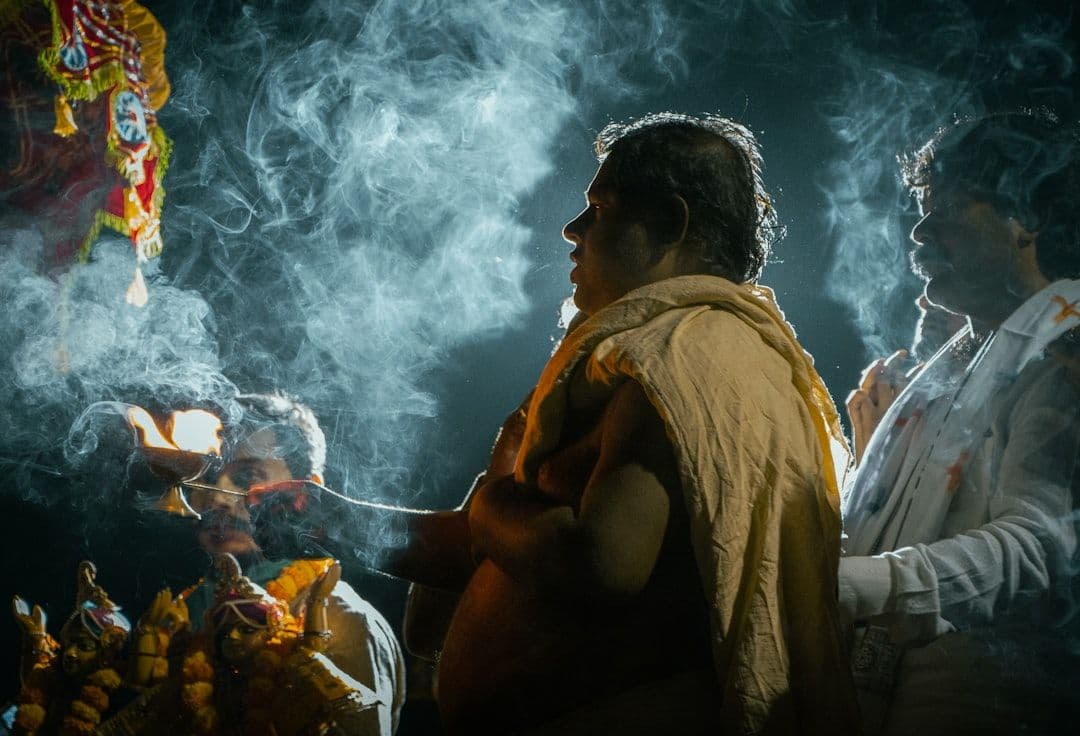
Bhakti is a Hindu path of loving devotion to the divine through prayer, chanting, and ritual.
Bhakti is a devotional spiritual practice rooted in Hinduism that emphasizes loving surrender and connection to the divine through prayer...
At a glance
What it is
Bhakti is a Hindu path of loving devotion to the divine through prayer, chanting, and ritual.
Why explore it
Many find emotional healing, stress relief, and deeper meaning through Bhakti's heart-centered surrender.
How it’s experienced
Practices include mantra chanting, kirtan, puja rituals, and meditation, alone or within a community.
Evidence context
Research is limited, so Bhakti's value rests mainly on centuries of lived tradition within Hindu lineages.
See the evidence snapshotSafety
Bhakti is low-risk, but seek professional guidance first if you have religious trauma or mental health concerns.
See staying safeHistory & Origin
Bhakti is a spiritual path focused on love and devotion towards a personal deity or divine principle.
Bhakti yoga emerged as one of the primary spiritual paths in ancient India, with roots tracing back to the Vedic period over 3,000 years ago. The practice gained prominence during the medieval period (roughly 6th-15th centuries CE) through the Bhakti movement, which emphasized personal devotion over ritualistic practices and made spirituality accessible to people regardless of caste or social status. Key figures include saints like Mirabai, Tulsidas, Chaitanya Mahaprabhu, and the Tamil Alvars and Nayanars, who composed devotional poetry and songs that remain central to practice today.
The Bhagavata Purana and the Bhagavad Gita provided foundational texts for bhakti philosophy, outlining nine forms of devotional practice including listening to divine stories, chanting names, remembering the divine, serving, worshipping, prostrating, befriending, and complete surrender. The tradition recognizes various relationships with the divine, from servant to master, child to parent, friend to friend, and lover to beloved.
Bhakti spread throughout the Indian subcontinent through wandering saints and regional movements, adapting to local languages and customs while maintaining core principles of love and devotion. In the 20th century, teachers like Paramahansa Yogananda, A.C. Bhaktivedanta Swami Prabhupada, and others brought bhakti practices to the West, where they have been integrated into yoga studios, meditation centers, and interfaith spiritual communities.
Today, bhakti is practiced globally both within traditional Hindu contexts and as adapted secular spiritual practices, often incorporating elements like kirtan (call-and-response chanting), deity worship, and devotional meditation techniques.
Mechanism
Bhakti is best framed as a traditional, symbolic, energetic, reflective, or spiritual practice rather than a validated medical mechanism. Practitioners may use ritual, attention, sound, imagery, touch-free work, cards, symbols, prayer, or intention to support meaning-making and a sense of connection. People may explore it for reflection, calm, or spiritual context, while health claims should remain cautious and personal. Bhakti cultivates devotion through regular practices of prayer, chanting (mantra or kirtan), ritual worship, and meditation focused on a chosen deity or divine principle.
Your first visit
A typical session outline to help you feel prepared
A Bhakti session guides you through heart-opening devotional practices including chanting, kirtan, and meditation, creating a sacred space for you to explore love and connection.
Your session opens with a relaxed chat about your spiritual background, any experience with chanting or devotion, and what draws you to Bhakti practice. There is no right or wrong answer — your practi
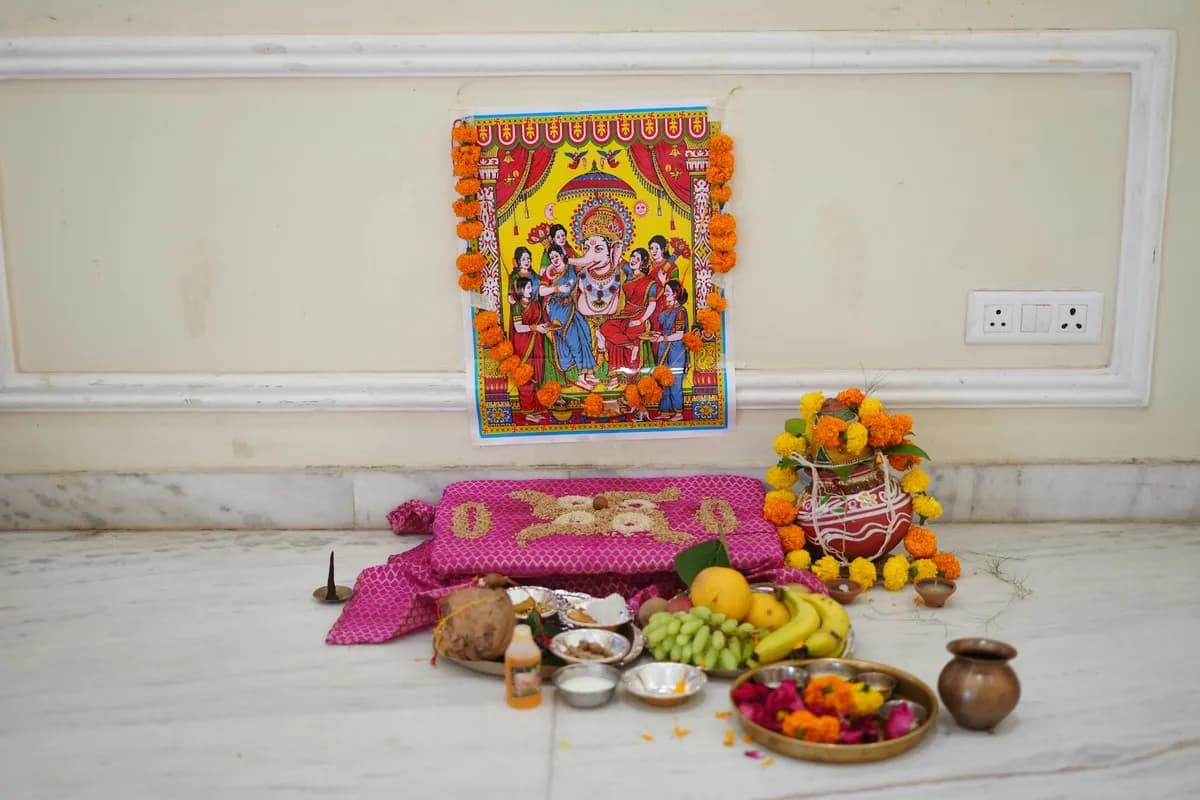
The practitioner arranges a simple altar with candles, flowers, or sacred imagery to create a devotional atmosphere. You may be invited to sit comfortably on a cushion or chair facing the altar as the
A few minutes of slow, conscious breathing help you arrive fully and quiet the mind before devotional practice begins. This soft transition signals the heart to open and the thinking mind to soften.
Your practitioner introduces a simple mantra — often a Sanskrit name or phrase connected to divine love — and explains its meaning and feeling-quality. You are never expected to have it memorized; rep
Together you begin chanting the mantra aloud, sometimes accompanied by harmonium, drum, or recorded music in a call-and-response kirtan style. Many first-timers notice a surprising warmth or emotional
After chanting settles, you are guided into a quiet meditation that holds the resonance of the mantra in your heart. Your practitioner may offer a simple visualization of light or love expanding from the heart center.
You may be invited to participate in a small ritual gesture — lighting incense, placing a flower, or offering a candle — as an outward expression of inner devotion. This act is symbolic and entirely o
The session closes with a brief sharing of what arose for you and gentle suggestions for bringing Bhakti into daily life, such as morning mantra repetition or devotional journaling. Your practitioner
The Evidence
What research and tradition tell us about devotional practice and its relationship to wellbeing.
Rooted in tradition; limited formal clinical research
Bhakti is primarily studied through theological, anthropological, and phenomenological lenses rather than clinical trials. Broader research on religious participation and related practices like chanting offers some supportive findings, but direct evidence specific to bhakti remains limited.
Studies on kirtan chanting and mantra repetition suggest potential benefits for stress reduction, mood, and social connection. Broader research on religious and spiritual participation shows positive associations with mental health and life satisfaction. However, isolating bhakti's specific effects from community and lifestyle factors remains methodologically difficult.
Rooted in Vedic tradition and shaped by the medieval Bhakti movement, this path made devotional spirituality accessible across social boundaries. Foundational texts like the Bhagavad Gita and Bhagavata Purana outline nine forms of devotional practice. Saints such as Mirabai and Chaitanya Mahaprabhu left enduring literary and cultural legacies still central to practice today.
Rather than targeting isolated symptoms, bhakti orients the whole person toward love, surrender, and service. Practitioners often report shifts in perspective, reduced self-centredness, and greater compassion. These qualities may support emotional resilience and meaning-making, though these outcomes are largely self-reported and not yet well-measured in formal research.
Most available research relies on self-report, small samples, or studies of religious practice broadly rather than bhakti specifically. Placebo effects, community belonging, and lifestyle factors are difficult to separate from devotional practice itself. Gyfts presents this information for educational purposes only — it is not a substitute for professional assessment or care.
Those with severe mental health conditions, a history of religious trauma, or vulnerability to high-control group dynamics should seek qualified support before engaging intensively. Intense emotional releases can occur. Be cautious of groups demanding excessive devotion to human teachers, financial contributions, or social isolation.
Authentic bhakti teachers typically ground instruction in established lineages and encourage integration with everyday life rather than dependency. If you are exploring bhakti alongside mental health challenges, consider working in parallel with a qualified mental health professional. Community-based practice, such as kirtan groups, can also offer accessible entry points.
Safety first
General guidance to help you decide whether this approach is appropriate for you. This is informational only and not a substitute for medical, psychological, or professional advice.
If you are pregnant, managing a health condition, recovering from injury or surgery, or taking medication, consult a qualified healthcare professional first.
Some situations call for extra care or a different approach. Share any conditions, injuries, or sensitivities with your practitioner before your first session.
Look for clear boundaries, transparent pricing, and practitioners who avoid fear-based claims or pressure to book frequent sessions.
Mild, short-lived effects such as tenderness, tiredness, or temporary soreness can occur. Rest, hydrate, and tell your practitioner how you respond.
For you?
A simple, human way to weigh it up. This is general guidance, not personal medical advice — a qualified practitioner can advise on your situation.
Gyfts is a discovery platform, not a medical provider. Nothing here diagnoses, treats or replaces professional care. In an emergency, contact your local emergency number.
Explore approaches
Other practices people often explore alongside bhakti.
In their words
FAQ
A typical bhakti session includes guided devotional practices such as mantra chanting, kirtan singing, prayer, meditation on divine qualities, and sometimes simple worship rituals. The focus is on opening the heart, cultivating love and devotion, and developing a personal relationship with the divine. Sessions are supportive and non-judgmental, welcoming people of all backgrounds and belief levels.
Bhakti is typically viewed as a lifelong spiritual path rather than a short-term treatment. Many people begin to experience emotional benefits and increased peace within a few sessions, but developing a mature devotional practice often takes months or years. Some attend regular group sessions weekly or monthly while maintaining daily personal practice, while others work intensively with a teacher for shorter periods to establish their foundation.
While bhakti originated in Hinduism, the principles of devotional love can be adapted to various spiritual beliefs. Many practitioners work with universal concepts like divine love, compassion, or even nature as their focus of devotion. However, traditional bhakti does involve personal relationship with divine forms, so some comfort with devotional imagery and concepts is helpful.
Many practitioners report that bhakti practices help with emotional difficulties by providing a sense of connection, meaning, and support through divine relationship. The emphasis on surrender can reduce anxiety, while devotional practices often cultivate joy and peace. However, bhakti should complement, not replace, professional mental health treatment for clinical depression or anxiety disorders.
Bhakti yoga is the yoga of devotion — one of the four classical paths of yoga described in Hindu philosophy alongside Jnana (knowledge), Karma (action), and Raja (meditation). It centres on cultivating a loving, devotional relationship with the divine through prayer, chanting (kirtan), ritual, and service. Unlike the physical emphasis of Hatha yoga, Bhakti yoga is primarily a spiritual and emotional practice. It is associated with the Vaishnava tradition and the teachings of figures such as Mirabai and Chaitanya Mahaprabhu. In contemporary contexts, it is practised through mantra repetition, kirtan gatherings, and devotional service.
References
Educational sources that inform this overview. Inclusion is for context and does not imply endorsement.
Full citations are maintained by the Gyfts editorial team and reviewed periodically.
Keep exploring
Browse practitioners, explore honest overviews, and take what you learn to a conversation — at your own pace.