What it is
A Celtic herbal tradition using seasonal plant knowledge to support vitality and wellness.
Druidic Medicine is a holistic healing system rooted in Celtic traditions that uses herbal remedies, plant knowledge, and nature-based pr...
At a glance
What it is
A Celtic herbal tradition using seasonal plant knowledge to support vitality and wellness.
Why explore it
A nature-rooted, plant-based path worth exploring if you seek seasonal or stress support.
How it’s experienced
Expect herbal teas, tinctures, and Celtic-guided lifestyle advice tailored to the seasons.
Evidence context
Rooted in Celtic tradition with limited clinical research; evidence is traditional use only.
See the evidence snapshotSafety
Herbs are active, so check with your doctor before starting, especially if on medications.
See staying safeHistory & Origin
Druidic Medicine utilizes traditional Celtic herbal remedies and healing practices for holistic health.
Druidic Medicine draws from the healing traditions of ancient Celtic peoples, particularly those of Ireland, Wales, Scotland, and Brittany. The Druids—intellectual and spiritual leaders of Celtic societies—were keepers of extensive knowledge about medicinal plants, seasonal rhythms, and the interconnection between humans and the natural world. This knowledge was transmitted orally through apprenticeship and was deeply embedded in Celtic spiritual and cultural practices, with healers working alongside communities for thousands of years.
Celtic herbalism was sophisticated and systematic, with practitioners developing detailed understanding of plant properties, preparation methods, and timing of harvest according to lunar and seasonal cycles. Many of these practices were documented in medieval manuscripts after Christianity arrived in Celtic lands, allowing some traditional knowledge to be preserved. Figures like the legendary healer Aesculapius and various Celtic saints known for their healing abilities became associated with plant medicine traditions.
Modern Druidic Medicine represents a revival and reconstruction of these ancient practices, drawing on historical texts, archaeological evidence, and contemporary herbalism. Contemporary practitioners study medieval manuscripts, folklore, and ethnobotanical records to understand and apply traditional Celtic healing approaches. The movement gained momentum in the late 20th century alongside broader interest in Celtic culture and revival movements, particularly through organizations focused on Druidic spirituality and nature-based wellness.
Today, Druidic Medicine exists at the intersection of historical herbalism, contemporary herbal practice, and Celtic spiritual philosophy. Practitioners emphasize harmony with seasonal cycles, respect for plant spirits, and the holistic integration of physical, emotional, and spiritual well-being—principles that reflect core Celtic worldviews about interconnection and balance.
Mechanism
Druidic Medicine is a broader health tradition or knowledge system rather than a single technique. Practitioners may draw on cultural teachings, observation, lifestyle guidance, ritual, remedies, bodywork, or community practice. Its working model should be described in its own traditional context and not overstated as biomedical proof. People may explore it for cultural continuity, reflection, and supportive wellbeing practices. Druidic Medicine operates through direct application of plant knowledge and seasonal alignment.
Your first visit
A typical session outline to help you feel prepared
A Druidic Medicine session blends Celtic herbal tradition with nature-rooted wisdom, guiding you toward balance through conversation, plant allies, and seasonal insight.
Your practitioner opens the session with a brief grounding ritual, often lighting herbs or inviting a moment of stillness to help you arrive fully present before anything begins.
You'll share your health history, daily rhythms, stress patterns, and relationship with the natural world, giving your practitioner a full picture of where you are right now.
Your practitioner considers your constitution in relation to the current season and Celtic lunar cycle, as Druidic Medicine views your body as deeply connected to natural rhythms and cycles.
Drawing on traditional Celtic herbalism, your practitioner identifies specific plant allies suited to your needs, which may include woodland herbs, roots, or botanicals tied to Druidic tradition.
Your practitioner walks you through the remedies chosen for you, explaining teas, tinctures, or salves in plain terms so you leave knowing exactly how and when to use each one.
You may be guided through a short nature-based meditation, breathwork, or simple ritual to reinforce the session's intention and deepen your connection to the healing process.
Before you leave, your practitioner puts together your personalized plan, including herbal preparations and lifestyle suggestions rooted in Celtic seasonal wisdom to support you between visits.
You'll agree on a check-in timeline, typically every few weeks, so your practitioner can adjust your protocol as your body responds and the seasons continue to shift.
The Evidence
What research and tradition tell us about Druidic Medicine, and where the evidence is strong, limited, or absent.
Rooted in tradition; individual herbs have more support than the system as a whole
Some Celtic herbs used in Druidic Medicine have been studied and show measurable biological activity. The broader Druidic framework—including spiritual and seasonal dimensions—has not been evaluated in clinical research.
Individual herbs associated with Celtic traditions—such as hawthorn, chamomile, and nettle—have been studied in modern research, with some showing moderate support for specific uses. The Druidic Medicine system as a whole, including its philosophical and spiritual dimensions, has not been evaluated in clinical trials. Claims should be assessed herb by herb, not for the system broadly.
Rather than isolating active compounds, Druidic Medicine considers the whole person in relation to natural cycles and environment. This holistic orientation is meaningful to many practitioners and users, though it sits outside conventional research frameworks. The value of this approach is experiential and philosophical as much as it is measurable.
Druidic healing knowledge developed over centuries within Celtic communities across Ireland, Wales, Scotland, and Brittany. Some practices were preserved in medieval manuscripts after Christianity arrived in Celtic lands. This long history of use is meaningful context, though historical use alone does not confirm safety or effectiveness for any specific purpose.
Consult a qualified healthcare provider before using herbal preparations if you take prescription medications, are pregnant or breastfeeding, have liver or kidney concerns, or manage a diagnosed condition. Many herbs are contraindicated during pregnancy. Inform any practitioner of known plant allergies. Druidic Medicine is not a substitute for professional assessment of serious or acute health concerns.
There is no single internationally recognised qualification for Druidic Medicine. Look for practitioners with formal training in Western or Celtic herbalism, transparency about their methods, and willingness to work alongside your existing healthcare providers. A responsible practitioner will not make inflated outcome claims or discourage you from seeking conventional care when it is needed.
This practice is not a substitute for professional assessment, emergency care, or evidence-based management of diagnosed conditions. Where evidence for specific herbs is limited or absent, that limitation should be acknowledged openly. Users are encouraged to maintain open communication with all their healthcare providers when exploring Druidic Medicine alongside conventional care.
Safety first
General guidance to help you decide whether this approach is appropriate for you. This is informational only and not a substitute for medical, psychological, or professional advice.
If you are pregnant, managing a health condition, recovering from injury or surgery, or taking medication, consult a qualified healthcare professional first.
Some situations call for extra care or a different approach. Share any conditions, injuries, or sensitivities with your practitioner before your first session.
Look for clear boundaries, transparent pricing, and practitioners who avoid fear-based claims or pressure to book frequent sessions.
Mild, short-lived effects such as tenderness, tiredness, or temporary soreness can occur. Rest, hydrate, and tell your practitioner how you respond.
For you?
A simple, human way to weigh it up. This is general guidance, not personal medical advice — a qualified practitioner can advise on your situation.
Gyfts is a discovery platform, not a medical provider. Nothing here diagnoses, treats or replaces professional care. In an emergency, contact your local emergency number.
Explore approaches
Other practices people often explore alongside druidic medicine.
In their words
FAQ
Druidic Medicine is a specific approach to herbalism rooted in Celtic traditions and philosophy. While all Druidic Medicine involves herbalism, not all herbalism is Druidic. Druidic practitioners emphasize working with plant spirits, honoring seasonal and lunar cycles, and maintaining harmony with nature—principles that reflect Celtic worldviews. Conventional herbalism is more focused on the biochemical properties of plants. Many modern herbalists draw from multiple traditions; some integrate Celtic approaches while others do not.
This varies significantly depending on the condition being addressed and the individual. Some people notice shifts in energy, mood, or sleep within days to weeks of starting herbal preparations. Others experience more gradual changes over months. Chronic conditions typically require longer support than acute concerns. Your practitioner will discuss realistic timelines during consultation. Many recommend committing to at least 4-6 weeks of consistent use before assessing effectiveness, as the body often needs time to respond to herbal support.
Yes, and in most cases it's advisable. Druidic Medicine is best understood as complementary to conventional care rather than a replacement. However, you must inform both your medical doctor and your Druidic practitioner about all treatments you're receiving, as some herbs can interact with medications or medical conditions. Never stop prescribed medications without consulting your doctor, and never delay necessary medical treatment while pursuing herbal support alone.
Look for practitioners with formal training in herbal medicine through accredited programs, combined with knowledge of Celtic traditions and history. Relevant credentials might include certification in herbalism, clinical herbalism, or botanical medicine. Some organizations like the International Herbal Association or regional herbalism guilds maintain standards and directories. Be cautious of practitioners claiming purely spiritual authority without herbalism training. Ask about their training, experience, liability insurance, and whether they refer clients to doctors when appropriate.
Yes. All medicinal herbs contain active compounds and can produce effects and side effects. These are typically milder than pharmaceutical drugs but are real. Common mild effects include digestive sensitivity, headaches during detoxification, or allergic reactions. More serious interactions can occur with certain medications or in people with specific health conditions. This is why working with a knowledgeable practitioner and maintaining communication with your doctor is important. Any concerning symptoms should be reported immediately.
Many Druidic practitioners work with the concept of plant spirits—the idea that plants have a consciousness or energetic presence beyond their chemical constituents. Some practitioners incorporate ritual, intention-setting, or ceremonial elements into their practice. However, not all Druidic Medicine practitioners emphasize spirituality equally; some focus primarily on the herbal and practical aspects grounded in historical Celtic herbalism. Discuss with a potential practitioner how much spiritual work is part of their approach and ensure it aligns with your comfort level.
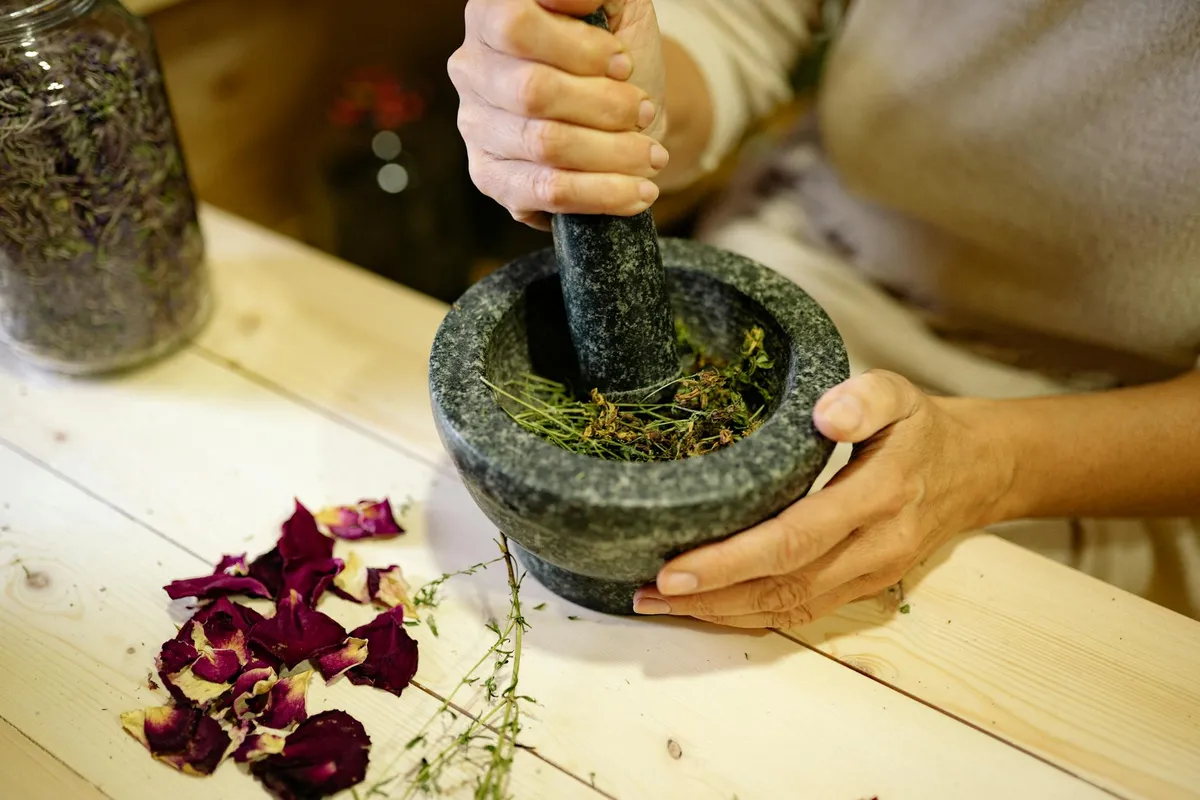
Common preparation methods include infusions (steeping dried herbs in hot water), decoctions (simmering tougher plant materials), tinctures (extracting herbs in alcohol or glycerin), salves and oils (for topical use), dried herb bundles, and fresh plant preparations. Some traditional methods honor seasonal timing—such as harvesting and processing herbs according to lunar phases or specific times of year believed to contain optimal plant potency. Your practitioner will recommend specific forms suited to the herb and your needs, along with clear preparation instructions.
References
Educational sources that inform this overview. Inclusion is for context and does not imply endorsement.
Full citations are maintained by the Gyfts editorial team and reviewed periodically.
Keep exploring
Browse practitioners, explore honest overviews, and take what you learn to a conversation — at your own pace.