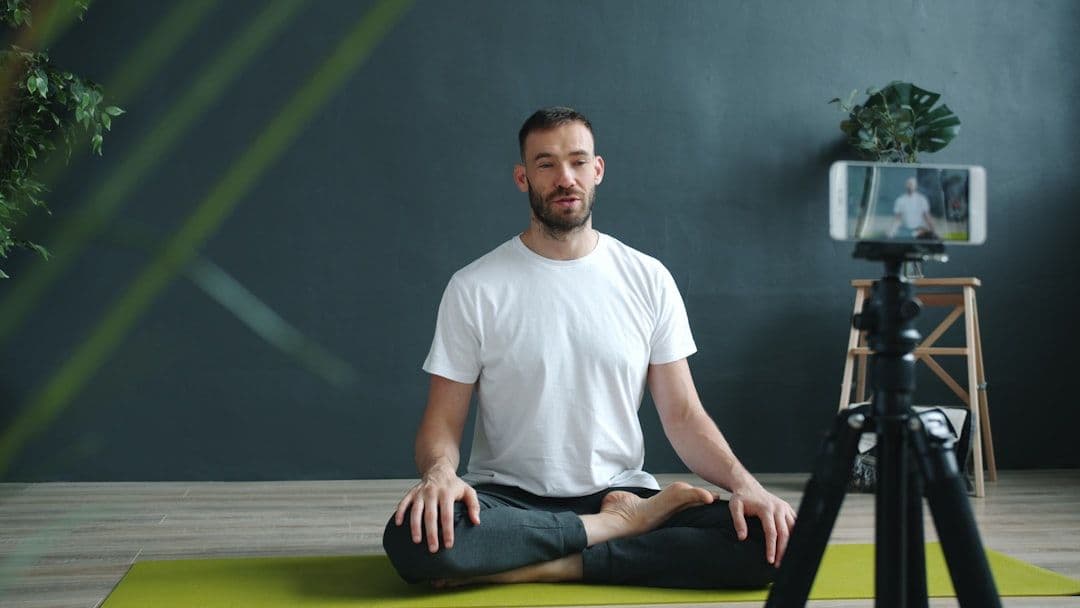
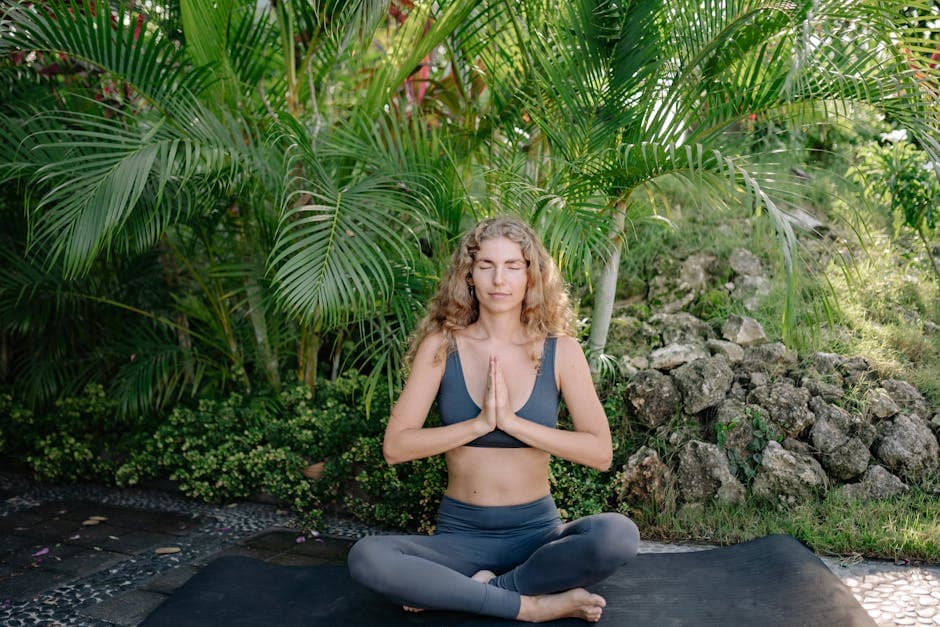
What it is
Hatha yoga unites gentle postures, breathwork, and relaxation to balance body and mind.
Combines physical postures (asanas), breathing exercises (pranayama), and relaxation techniques to balance mind and body
At a glance
What it is
Hatha yoga unites gentle postures, breathwork, and relaxation to balance body and mind.
Why explore it
Regular practice may boost flexibility, ease stress, improve sleep, and deepen body awareness.
How it’s experienced
A guided 45–90 min class blends poses, breath cues, and rest, with props for extra support.
Evidence context
Research shows promise for stress and joint health, though results vary and it won't replace medical care.
See the evidence snapshotSafety
It's low-risk when practiced mindfully, but tell your instructor about any injuries or limitations.
See staying safeHistory & Origin
Hatha Yoga is a yoga practice that emphasizes physical postures, breath control, and relaxation techniques.
Hatha Yoga has roots in ancient Indian philosophy and is documented in classical texts dating back thousands of years, including the Yoga Sutras of Patanjali and the Bhagavad Gita. The term "hatha" itself is derived from Sanskrit, with "ha" meaning sun and "tha" meaning moon, representing the balance of opposing energies. The physical practice of Hatha Yoga as we know it today was significantly shaped during the 15th-16th centuries with texts like the Hatha Yoga Pradipika, which systematically described asanas and pranayama techniques.
The modern codification of Hatha Yoga owes much to 20th-century teachers who adapted traditional practices for Western audiences. Figures such as T. Krishnamacharya and his students, including B.K.S. Iyengar and K. Pattabhi Jois, played pivotal roles in bringing structured Hatha Yoga instruction to the West. These teachers emphasized proper alignment, use of props, and sequential progression through poses, making the practice more accessible to practitioners of varying abilities and ages.
Hatha Yoga spread globally throughout the 20th century, gaining popularity as interest in holistic health and wellness grew. What was once an esoteric spiritual practice became integrated into mainstream fitness and wellness cultures, with studios and classes now available worldwide. Today, Hatha Yoga is recognized as both a traditional spiritual discipline and a contemporary mind-body practice, maintaining its core principles while adapting to modern practitioners' needs and lifestyles.
Mechanism
Hatha Yoga is usually understood through movement, breath, attention, and repeated practice. A session may invite the body to explore safer patterns, steadier pacing, or a more settled relationship with sensation. Some traditions describe this as balancing energy or awareness, while contemporary explanations may focus on coordination, nervous system regulation, mobility, and confidence. Experiences vary by person, teacher, setting, and consistency. Hatha Yoga operates through three integrated physical and mental mechanisms.
Your first visit
A typical session outline to help you feel prepared
A Hatha Yoga session guides you through breathing, held poses, and deep rest, leaving you feeling grounded, stretched, and calm.
Your instructor greets you and asks about any injuries, health concerns, or areas of tension so the practice can be tailored safely to your body that day.
You'll sit or lie quietly on your mat, remove your shoes, and begin to arrive by closing your eyes and letting the outside world fade into the background.
The session begins with pranayama, or guided breathing exercises, which slow your nervous system and draw your attention inward before any movement starts.
Your instructor leads you through easy seated or standing movements to warm the spine and joints, preparing your body for the deeper postures ahead.
The heart of the session, you'll move through a series of asanas held for several breaths each, building strength and flexibility while your instructor offers alignment cues and optional modifications.
Your instructor may gently guide your body into better alignment with a light touch, always with your consent, helping you feel the pose more fully and safely.
The pace slows with softer, restorative postures that release any remaining tension in the hips, hamstrings, and lower back before the session closes.
You'll lie flat on your back in Savasana for five to ten minutes, fully still, allowing your body and mind to absorb the practice before you slowly sit up and close out.
The Evidence
What research says about Hatha Yoga, where the evidence is strong, where it is limited, and what to keep in mind.
A well-studied practice with meaningful but uneven support
Hatha Yoga has a growing research base supporting benefits for flexibility, stress reduction, and musculoskeletal health. Evidence is strongest for lower back pain and anxiety, though many studies have methodological limitations that call for cautious interpretation.
Multiple studies show Hatha Yoga improves flexibility, balance, and muscle tone, with moderate-to-good evidence for chronic lower back pain and anxiety reduction. Sleep quality improvements are also reasonably well supported. Evidence for other specific health conditions is less consistent and should be interpreted with care.
Many yoga studies involve small sample sizes, lack control groups, and use varying definitions of what constitutes a Hatha Yoga intervention. This makes it difficult to compare findings or generalise results. Larger, well-designed randomised controlled trials are still needed across most health applications.
While Hatha Yoga is widely practised alongside conventional care, it originates from a distinct philosophical and physical tradition. Its mechanisms — posture, breathwork, and relaxation — are increasingly studied through a physiological lens, but the practice retains its own internal logic and does not require a biomedical framing to be used meaningfully.
Documented in texts such as the Hatha Yoga Pradipika and shaped by 20th-century teachers including B.K.S. Iyengar, the practice has evolved considerably over time. Modern Hatha Yoga blends classical principles with structured, accessible instruction. Understanding this lineage helps contextualise both its depth and its diversity of styles.
Those with spinal conditions, recent surgery, uncontrolled high blood pressure, significant osteoporosis, or balance disorders should consult a healthcare provider before beginning. Certain postures carry specific risks — for example, deep forward bends for those with vertebral compression concerns. Always inform your instructor of any health conditions or injuries before class.
Seek instructors with recognised training and experience working with your specific needs. If you are managing a health condition, a one-to-one session or therapeutic yoga class may be more appropriate than a general group class. Hatha Yoga is not a substitute for professional assessment or medical care, but can complement it effectively when practised with appropriate guidance.
Safety first
General guidance to help you decide whether this approach is appropriate for you. This is informational only and not a substitute for medical, psychological, or professional advice.
If you are experiencing severe distress, suicidal thoughts, psychosis, acute trauma, or another serious mental health concern, seek qualified support first.
This approach is not suitable for diagnosis, treatment instructions, or decisions that require medical, legal, financial, or professional advice.
Look for clear boundaries, transparent pricing, and practitioners who avoid fear-based claims or pressure to book frequent sessions.
Treat any insight as one reflective perspective, not absolute truth. Important decisions should be considered with appropriate professional support.
For you?
A simple, human way to weigh it up. This is general guidance, not personal medical advice — a qualified practitioner can advise on your situation.
Gyfts is a discovery platform, not a medical provider. Nothing here diagnoses, treats or replaces professional care. In an emergency, contact your local emergency number.
Explore approaches
Other practices people often explore alongside hatha yoga.
In their words
FAQ
Wear comfortable, breathable clothing that allows free movement of your limbs. Many practitioners prefer stretchy pants or yoga pants and a fitted or loose-fitting shirt. Avoid heavy jewelry that might distract you or get in the way. Most studios are warm, so dress accordingly. Socks are optional; many people practice barefoot for better grip and proprioceptive feedback.
A yoga mat is recommended to provide cushioning and prevent slipping. Props such as blocks, straps, blankets, and bolsters are helpful for modifications and support. Beginners can start with just a mat; studios typically provide props, or you can purchase them affordably. As you progress, having your own props at home enables a consistent personal practice.
Many people notice improved relaxation and reduced muscle tension after a single session. Noticeable improvements in flexibility, strength, and balance typically emerge after 4-8 weeks of consistent practice. For meaningful changes in posture, chronic pain, or stress levels, a commitment of 8-12 weeks of regular practice (1-3 times per week) is generally recommended. Individual results vary based on consistency, effort, and starting fitness level.
Yes, many people find that Hatha Yoga helps reduce chronic back pain by improving flexibility, strengthening core muscles, and promoting better posture. However, acute back pain or certain spinal conditions require medical evaluation first. A qualified instructor can modify poses to accommodate your specific condition. It's important to work with both your healthcare provider and a knowledgeable yoga instructor when addressing back pain.
Hatha Yoga has roots in Hindu and yogic spiritual traditions, but modern Hatha Yoga classes can be secular or spiritual depending on the instructor and studio. Many studios focus on the physical and mental health benefits without emphasizing spiritual aspects, while others integrate meditation and philosophical teachings. Choose a class environment that aligns with your preferences and comfort level.
Hatha is the umbrella term for all physical yoga practices, but in modern studios it typically refers to slower-paced classes with longer-held poses and emphasis on alignment. Vinyasa yoga features flowing sequences synchronized with breath; Ashtanga follows set sequences in a specific order; Bikram/hot yoga is practiced in heated rooms; Yin yoga uses very long-held poses targeting connective tissue. Hatha is generally considered more accessible and meditative than vigorous styles.
Absolutely. Hatha Yoga is one of the most beginner-friendly yoga styles. Classes are designed to accommodate all levels, with instructors providing modifications for different abilities. Poses are held longer, giving you time to understand proper alignment. Starting with beginner or "Level 1" classes ensures you learn foundational techniques safely. Don't hesitate to let your instructor know you're new—they can offer additional guidance.
Hatha Yoga addresses both mental and physical aspects of wellness. Physically, it builds strength, flexibility, and improves balance and posture. Breathing exercises activate the parasympathetic nervous system, promoting relaxation and reducing stress hormones. The combination of focused movement, breath awareness, and meditation cultivates mindfulness and emotional resilience. Regular practice often leads to improved sleep, better body awareness, and greater overall sense of calm and well-being.
References
Educational sources that inform this overview. Inclusion is for context and does not imply endorsement.
Full citations are maintained by the Gyfts editorial team and reviewed periodically.
Keep exploring
Browse practitioners, explore honest overviews, and take what you learn to a conversation — at your own pace.