What it is
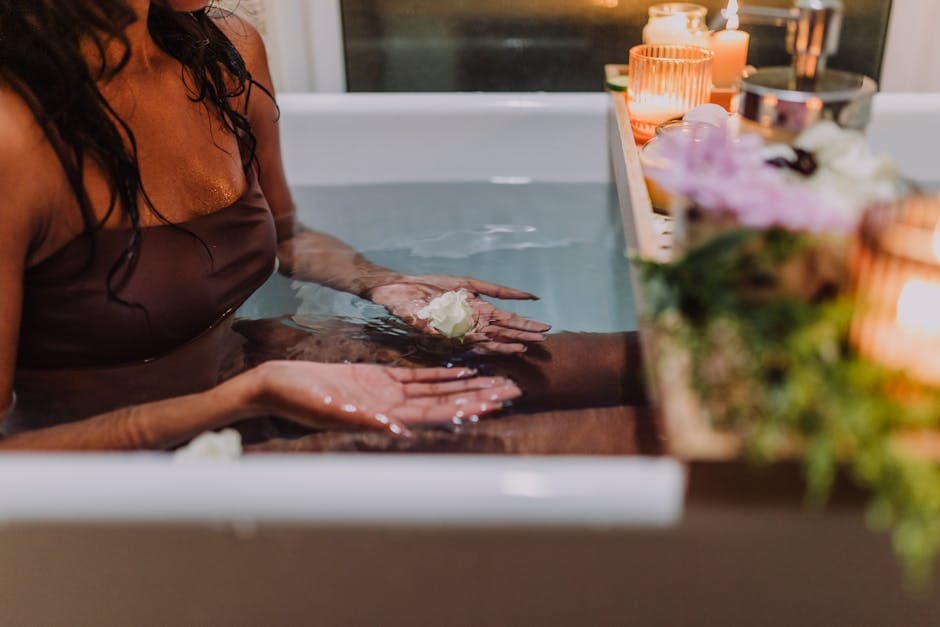
Hydrotherapy uses water's heat and buoyancy to support pain relief and muscle recovery.
Hydrotherapy is the therapeutic use of water in various forms—including immersion, steam, jets, and contrast temperatures—to promote ...
At a glance
What it is
Hydrotherapy uses water's heat and buoyancy to support pain relief and muscle recovery.
Why explore it
It may ease chronic pain, aid injury recovery, and improve flexibility through water's natural effects.
How it’s experienced
Sessions use warm pools, cold plunges, or jets, tailored by a practitioner to your needs.
Evidence context
Research best supports hydrotherapy for arthritis and fibromyalgia, with broader benefits noted too.
See the evidence snapshotSafety
It's generally safe when supervised, but check with your doctor if you have any health conditions.
See staying safeHistory & Origin
Hydrotherapy involves the therapeutic use of water, such as hot baths or hydro-massage, to promote physical and mental well-being.
Hydrotherapy has ancient roots spanning multiple civilizations. The Romans built elaborate bathhouses (thermae) around natural hot springs, recognizing water's therapeutic properties for both physical ailment and social wellness. Greek physicians, including Hippocrates, documented the healing effects of bathing in hot and cold water for various conditions. This tradition continued through medieval times, with European spas developing around mineral springs believed to possess curative powers.
The modern scientific approach to hydrotherapy emerged in the 19th century, particularly through the work of Father Sebastian Kneipp, a Bavarian priest who developed a systematic water cure protocol combining hot and cold water treatments, exercise, and lifestyle changes. His methods gained widespread popularity across Europe and America, leading to the establishment of numerous hydrotherapy centers and spas. Kneipp's approach emphasized the body's natural healing capacity and the importance of contrast therapy in stimulating circulation and immune function.
During the late 19th and early 20th centuries, hydrotherapy became integrated into physical medicine and rehabilitation programs in hospitals and clinics. The development of modern pools, whirlpools, and specialized equipment expanded its applications. Today, hydrotherapy remains a cornerstone of physiotherapy and rehabilitation medicine, used alongside conventional treatment in hospitals, sports medicine facilities, and wellness centers worldwide.
The practice has evolved to incorporate various techniques including aquatic exercise, immersion therapy, steam treatments, and hydrotherapy jets, each with specific therapeutic applications supported by both traditional practice and contemporary research.
Top symptoms
Mechanism
Hydrotherapy is generally framed as a guided process for attention, reflection, learning, and emotional integration. Depending on the method, a practitioner may use conversation, imagery, structured exercises, body awareness, or therapeutic techniques to help the person explore patterns and choices. It should not be presented as a standalone solution or a substitute for urgent care, but it may support self-understanding when practiced within an appropriate scope. Hydrotherapy leverages water's physical and thermal properties to produce therapeutic effects.
Your first visit
A typical session outline to help you feel prepared
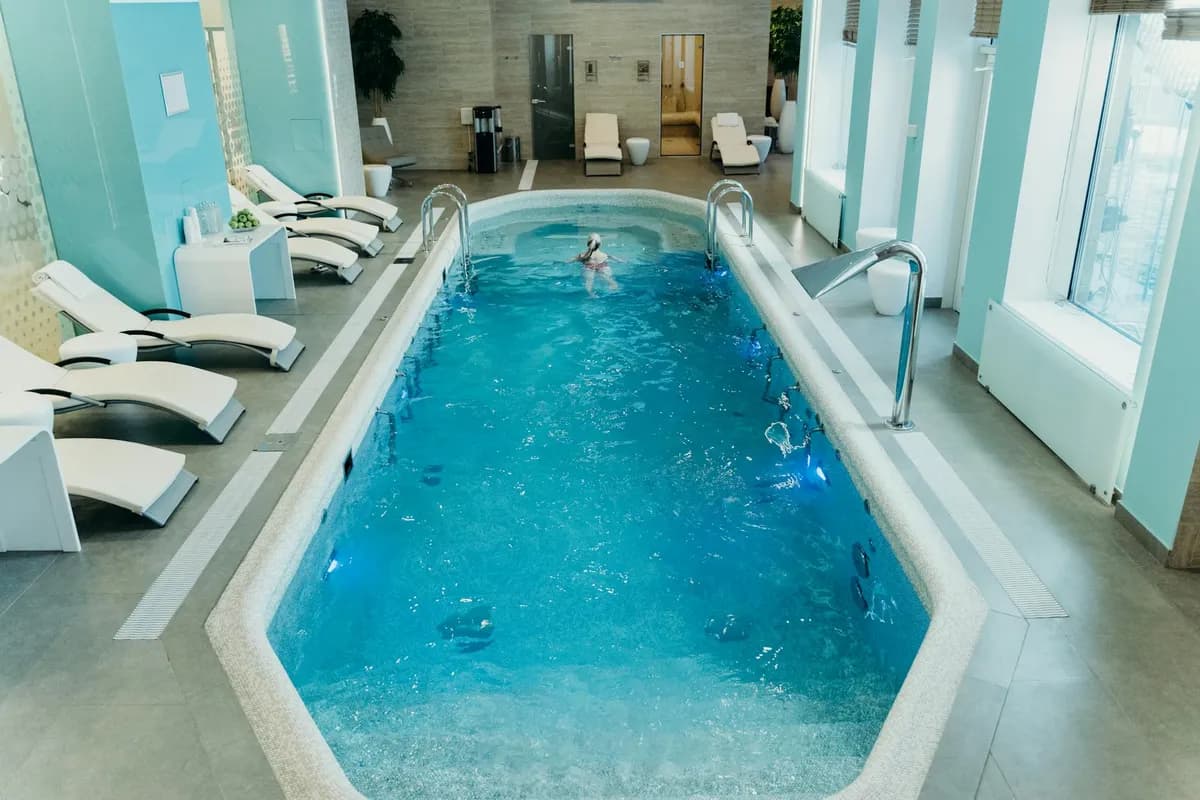
A hydrotherapy session uses water in various forms and temperatures to support your body's natural wellbeing, blending soaking, movement, and targeted water techniques in a calm, spa-like setting.
Your practitioner reviews your health history, any injuries, and your goals for the session. This helps them choose the right water temperatures, techniques, and duration that feel safe and appropriate for you.
You'll be shown where to change into a swimsuit or provided coverings as needed. The practitioner will explain which areas or pools you'll be using and walk you through what to expect so nothing feels surprising.
You ease into a warm soaking bath or pool, typically around 98 to 104 degrees Fahrenheit, allowing your muscles and joints to begin relaxing. The warmth encourages circulation and helps your body sett
If contrast therapy is part of your plan, you'll alternate between warm and cool water in timed intervals, often one to three minutes each. You may feel a gentle rush or tingling as your circulation r
Your practitioner may direct jet streams, apply wet compresses, or guide you through gentle aquatic movement exercises in the water. These techniques focus on specific areas of tension, stiffness, or
Sessions typically close with a brief cool rinse or a period of still, neutral-temperature water to help your body transition. You'll exit the water slowly, and your practitioner will assist you as ne
After drying off and changing, you're encouraged to sit quietly for ten to fifteen minutes before heading out. Drink plenty of water, as the heat and water immersion can be gently dehydrating even whe
The Evidence
What research says about water-based therapy, where evidence is strong, and where important gaps remain.
Well-supported for rehabilitation and pain management
Hydrotherapy has a meaningful evidence base, particularly for aquatic exercise, arthritis management, and post-surgical rehabilitation. Evidence varies by application, and some traditional claims extend well beyond what current research supports.
Multiple clinical trials support hydrotherapy for arthritis, chronic pain, and post-surgical rehabilitation. Warm water immersion consistently shows benefits for pain relief and relaxation. Aquatic exercise has moderate evidence for improving circulation and reducing inflammation. Evidence quality varies across specific techniques and conditions.
Water's physical properties create conditions difficult to replicate on land. Buoyancy reduces joint load, enabling movement with less pain. Hydrostatic pressure may reduce swelling and improve proprioception. Thermal effects influence circulation and muscle tension. These mechanisms are well-understood and underpin hydrotherapy's use in mainstream rehabilitation settings.
Claims that hydrotherapy detoxifies the body or produces inflated outcome claims for serious illness are not supported by current evidence. Hydrotherapy is not a substitute for professional assessment or medical management of complex conditions. Where it is used alongside conventional care, it is best understood as a supportive approach rather than a primary intervention.
Greek physicians documented hot and cold bathing for various ailments. Roman thermae formalised communal water therapy. In the 19th century, Sebastian Kneipp developed systematic contrast water protocols that shaped modern hydrotherapy practice. This historical depth informs contemporary applications, though traditional rationales are not always confirmed by modern research.
People with uncontrolled cardiovascular conditions, active infections, open wounds, unhealed surgical sites, or pregnancy complications should consult a healthcare provider before using hydrotherapy. Hot water immersion carries specific cautions during pregnancy and acute inflammation. Absolute contraindications include active fever, severe cardiovascular instability, and uncontrolled seizure disorders.
Physiotherapists, aquatic therapists, and rehabilitation specialists can design hydrotherapy programmes appropriate to individual needs. For general wellness use, reputable facilities with trained staff reduce risk. If you have an existing health condition, involving your primary care provider in the decision supports safer, more effective outcomes.
Safety first
General guidance to help you decide whether this approach is appropriate for you. This is informational only and not a substitute for medical, psychological, or professional advice.
If you are pregnant, managing a health condition, recovering from injury or surgery, or taking medication, consult a qualified healthcare professional first.
Some situations call for extra care or a different approach. Share any conditions, injuries, or sensitivities with your practitioner before your first session.
Mild, short-lived effects such as tenderness, tiredness, or temporary soreness can occur. Rest, hydrate, and tell your practitioner how you respond.
Look for clear boundaries, transparent pricing, and practitioners who avoid fear-based claims or pressure to book frequent sessions.
For you?
A simple, human way to weigh it up. This is general guidance, not personal medical advice — a qualified practitioner can advise on your situation.
Gyfts is a discovery platform, not a medical provider. Nothing here diagnoses, treats or replaces professional care. In an emergency, contact your local emergency number.
Explore approaches
Other practices people often explore alongside hydrotherapy.
In their words
FAQ
Wear comfortable swimwear or clothing you don't mind getting wet, depending on the type of treatment. Some treatments (like contrast bathing) may be done in regular clothing or specialized garments. Your practitioner will provide specific guidance. Bring a towel and change of clothes for afterward.
Many people experience immediate relaxation and pain relief after the first session. However, lasting improvements in mobility, strength, and chronic pain typically develop over 4-8 weeks of consistent treatment. The timeline varies based on your condition, age, and overall health. Your practitioner can provide more specific expectations after the initial assessment.
Warm water immersion (below 100°F) is generally considered safe during pregnancy and can help relieve back pain and swelling. However, very hot water and certain contrast therapies should be avoided, and you should always consult your healthcare provider first. A qualified hydrotherapy practitioner experienced with pregnant clients can modify treatments appropriately.
While hydrotherapy alone is not a weight loss treatment, it can support weight management goals. Aquatic exercise increases calorie expenditure while being gentle on joints, improved circulation and lymphatic drainage may support metabolism, and stress reduction can help reduce emotional eating. Hydrotherapy is most effective for weight management when combined with balanced nutrition and regular physical activity.
Frequency depends on your condition and treatment goals. For acute conditions or rehabilitation, 2-3 sessions per week may be recommended initially, reducing to 1 session per week as you improve. For chronic conditions and maintenance, 1-2 sessions monthly may be sufficient. Your practitioner will recommend an optimal schedule based on your individual response and goals.
Yes, many hydrotherapy techniques can be adapted for home use, including warm baths, contrast showers, and self-massage in warm water. However, professional hydrotherapy offers personalized guidance, specialized equipment, and professional monitoring that enhances safety and effectiveness. Your practitioner can teach you home techniques to extend the benefits of professional sessions.
Hydrotherapy generally does not interfere with most medications. However, some medications may increase sensitivity to heat or cold, affect blood pressure, or increase dehydration risk. Always inform your practitioner of all medications you take so they can adjust treatment accordingly. If you take blood pressure medications or have cardiac concerns, professional monitoring is especially important.
While a warm bath shares some therapeutic properties with hydrotherapy, professional hydrotherapy is more comprehensive. It involves scientifically-guided water temperatures, specific techniques (contrast therapy, jets, exercise), professional assessment and monitoring, and treatment tailored to your condition. A practitioner can maximize therapeutic benefit while ensuring safety, especially for complex conditions or health concerns.
References
Educational sources that inform this overview. Inclusion is for context and does not imply endorsement.
Full citations are maintained by the Gyfts editorial team and reviewed periodically.
Keep exploring
Browse practitioners, explore honest overviews, and take what you learn to a conversation — at your own pace.