What it is
Light Healing uses colored light and energy work to support emotional and energetic balance.
Light Healing is a complementary practice that uses the therapeutic properties of light energy, including color therapy and light-based e...
At a glance
What it is
Light Healing uses colored light and energy work to support emotional and energetic balance.
Why explore it
Many seek it for relaxation, emotional wellness, and as a complement to mindfulness or spiritual practice.
How it’s experienced
A practitioner guides you through colored light or visualization, often paired with breathwork or meditation.
Evidence context
This practice draws on tradition and anecdote rather than clinical research, so approach it with open curiosity.
See the evidence snapshotSafety
Low-risk for most adults, but consult your doctor first if you have epilepsy, eye conditions, or bipolar disorder.
See staying safeHistory & Origin
Light Healing involves healing techniques that utilize the energy and properties of light for well-being.
Light healing practices have ancient roots across multiple cultures, with evidence of color and light use in healing rituals appearing in traditional Chinese medicine, Ayurveda, and ancient Egyptian practices. Historical texts describe the use of colored gemstones, sunlight exposure, and colored oils in therapeutic contexts. Modern Light Healing emerged in the late 19th and early 20th centuries as complementary practitioners began systematizing color therapy and light-based energy work, influenced by theosophy and New Thought movements that emphasized the connection between light, energy, and consciousness.
In the mid-20th century, practitioners like Dinshah P. Ghadiali developed formal systems of color therapy based on frequency and wavelength principles, while others integrated light work into broader energy healing frameworks. The practice gained broader popularity during the wellness movement of the 1970s and 1980s. Contemporary Light Healing often combines insights from color psychology, circadian rhythm science, and energy healing traditions, though the mechanisms proposed by practitioners differ significantly from mechanisms studied in conventional phototherapy research.
Today, Light Healing remains primarily within complementary and metaphysical health spaces. Some elements—particularly light therapy for seasonal affective disorder—have gained mainstream acceptance and scientific study. However, the broader spiritual and energetic frameworks underlying many Light Healing practices remain outside conventional medical paradigms and lack robust clinical evidence.
Mechanism
Light Healing is best framed as a traditional, symbolic, energetic, reflective, or spiritual practice rather than a validated medical mechanism. Practitioners may use ritual, attention, sound, imagery, touch-free work, cards, symbols, prayer, or intention to support meaning-making and a sense of connection. People may explore it for reflection, calm, or spiritual context, while health claims should remain cautious and personal. Light Healing involves healing techniques that utilize the energy and properties of light for well-being.
Your first visit
A typical session outline to help you feel prepared
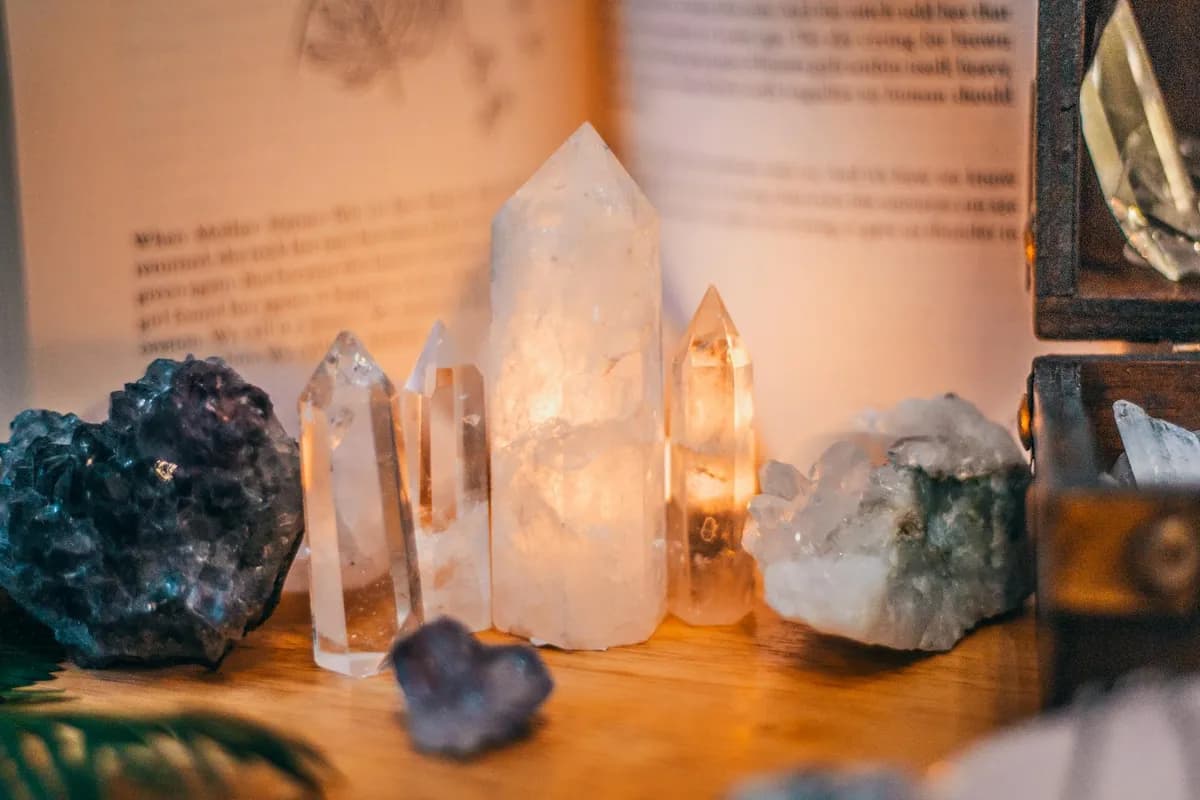
A Light Healing session guides you into deep relaxation while your practitioner works with colored light, visualization, and crystals to support your energy and sense of wellbeing.
Your practitioner greets you and asks about your current energy, mood, and any areas of your life or body where you feel out of balance. This conversation usually takes 5 to 10 minutes and helps shape the session.
Together, you and your practitioner identify a focus or intention for the session, such as releasing stress, finding clarity, or restoring a sense of calm. This gives the session a meaningful direction.
You lie fully clothed on a treatment table or recline in a comfortable chair. Loose, light-colored clothing is ideal. Your practitioner may dim the lights, play soft music, and invite you to close you
The practitioner gently scans your energy field by moving their hands a few inches above your body, sensing areas that feel heavy, blocked, or depleted. Crystals may be placed on or around you at this point.
Your practitioner begins directing specific colored lights toward different areas of your body, or uses focused visualization to channel light energy. Each color is chosen intentionally to correspond
As the session progresses, you may notice warmth, a tingling sensation, a feeling of heaviness, or simply a profound sense of stillness. Many people drift into a deeply relaxed, dreamlike state during this phase.
The practitioner gently closes the session by grounding your energy, removing any crystals, and guiding you back to full wakefulness with slow, steady breathing. This transition usually takes 5 to 10 minutes.
Your practitioner shares observations from the session and may suggest self-care practices such as drinking water, spending time in natural light, or journaling. A series of follow-up visits is often
The Evidence
What research and tradition say about Light Healing, and how to understand its place in a broader wellness picture.
A metaphysical practice with roots in ancient tradition
Light Healing operates within complementary and metaphysical frameworks rather than conventional medical science. Its foundations are cultural and traditional, and its proposed mechanisms have not been validated through rigorous scientific study.
Practitioners understand light as carrying distinct energetic or vibrational qualities that can influence well-being. These ideas belong to a metaphysical framework and are not claims about measurable biological mechanisms. Engaging with this practice means entering a different conceptual space than conventional health science.
Ayurveda, traditional Chinese medicine, and ancient Egyptian practices all incorporated light and color in wellness contexts. Modern Light Healing drew further from 19th-century movements such as theosophy and New Thought. Contemporary practice often blends these historical threads with energy healing frameworks.
Bright light therapy for seasonal mood changes has a strong evidence base. However, this is distinct from Light Healing's energy-based model. The broader claims of Light Healing — such as color frequencies balancing energy fields — have not been tested or supported in peer-reviewed research. Evidence here is limited to traditional use.
Common reasons for seeking Light Healing include stress reduction, emotional processing, and spiritual development. These are personal and subjective experiences. While they fall outside what science currently measures, they can hold genuine value for individuals within their own wellness journey.
People with photosensitive conditions, eye disorders, or seizure disorders triggered by light should avoid sessions involving flashing or intense light devices. This practice is not a substitute for professional assessment of any health concern. If you have an active medical condition, speak with your healthcare provider before starting.
There is no internationally standardised qualification for Light Healing. Look for practitioners who are transparent about their methods, do not make inflated outcome claims, and actively encourage you to maintain your existing healthcare relationships. A trustworthy practitioner will not discourage conventional care.
Safety first
General guidance to help you decide whether this approach is appropriate for you. This is informational only and not a substitute for medical, psychological, or professional advice.
If you are experiencing severe distress, suicidal thoughts, psychosis, acute trauma, or another serious mental health concern, seek qualified support first.
This approach is not suitable for diagnosis, treatment instructions, or decisions that require medical, legal, financial, or professional advice.
Look for clear boundaries, transparent pricing, and practitioners who avoid fear-based claims or pressure to book frequent sessions.
Treat any insight as one reflective perspective, not absolute truth. Important decisions should be considered with appropriate professional support.
For you?
A simple, human way to weigh it up. This is general guidance, not personal medical advice — a qualified practitioner can advise on your situation.
Gyfts is a discovery platform, not a medical provider. Nothing here diagnoses, treats or replaces professional care. In an emergency, contact your local emergency number.
Explore approaches
Other practices people often explore alongside light healing.
In their words
FAQ
Sessions typically involve sitting or lying in a relaxed state while the practitioner directs colored light toward your body or energy field. The specific colors and light frequencies used depend on your concerns and the practitioner's approach. Sessions often incorporate elements like visualization, color selection based on energy assessment, and positioning of light or colored objects. Most sessions last 30-60 minutes and aim to promote relaxation and support energy balance. The experience is generally non-invasive and relaxing, though individual responses vary.
There is no standardized protocol. Some practitioners recommend weekly sessions for 4-8 weeks initially, while others suggest a different frequency. The number of sessions needed depends on your goals, concerns, and individual response. Some people experience benefits after a single session, while others prefer regular ongoing sessions for maintenance and wellness support. Discuss expectations and frequency with your practitioner, and adjust based on your experience.
Light Healing is generally considered low-risk when practiced by knowledgeable practitioners using appropriate light sources. However, people with photosensitive conditions, light sensitivity, eye diseases, or seizure disorders triggered by light should consult their doctor first. Always inform your practitioner of any health conditions or medications, and avoid practitioners who make guaranteed cure claims or suggest replacing conventional medical care.
Light therapy typically refers to clinically studied treatments using specific light wavelengths (often bright light therapy for seasonal affective disorder or specific medical conditions), with established protocols and measurable outcomes studied in clinical settings. Light Healing is a broader complementary practice incorporating color, light energy, and spiritual or metaphysical frameworks for wellness support. While some overlap exists, they operate in different contexts—light therapy is conventional medical care, while Light Healing is metaphysical in nature.
Light Healing should not be presented as a way to address specific medical conditions. It is best viewed as a complementary wellness practice supporting relaxation and perceived energy balance. If you have a diagnosed medical condition, work with your conventional healthcare provider for appropriate treatment. Light Healing may be used alongside conventional care to support overall well-being, but it should not replace medical diagnosis or treatment.
Many people report feeling relaxed, calm, or peaceful after sessions. Some notice subtle shifts in mood or energy, while others feel more grounded or centered. Responses vary widely—some feel immediate effects, others notice changes over hours or days, and some report minimal perceptible change. It's common to feel mild fatigue or emotional release. These subjective experiences are interpreted by practitioners as evidence of healing, though they may also reflect relaxation and expectation effects.
Light Healing as a metaphysical practice lacks robust clinical evidence. Some underlying concepts—such as light therapy for seasonal affective disorder—are supported by research. However, the broader frameworks of color healing, energy balancing through light, and the specific mechanisms proposed by Light Healing practitioners have not been demonstrated in controlled scientific studies. Light Healing remains a traditional and complementary practice based primarily on historical use and practitioner experience rather than clinical evidence.
References
Educational sources that inform this overview. Inclusion is for context and does not imply endorsement.
Full citations are maintained by the Gyfts editorial team and reviewed periodically.
Keep exploring
Browse practitioners, explore honest overviews, and take what you learn to a conversation — at your own pace.