What it is
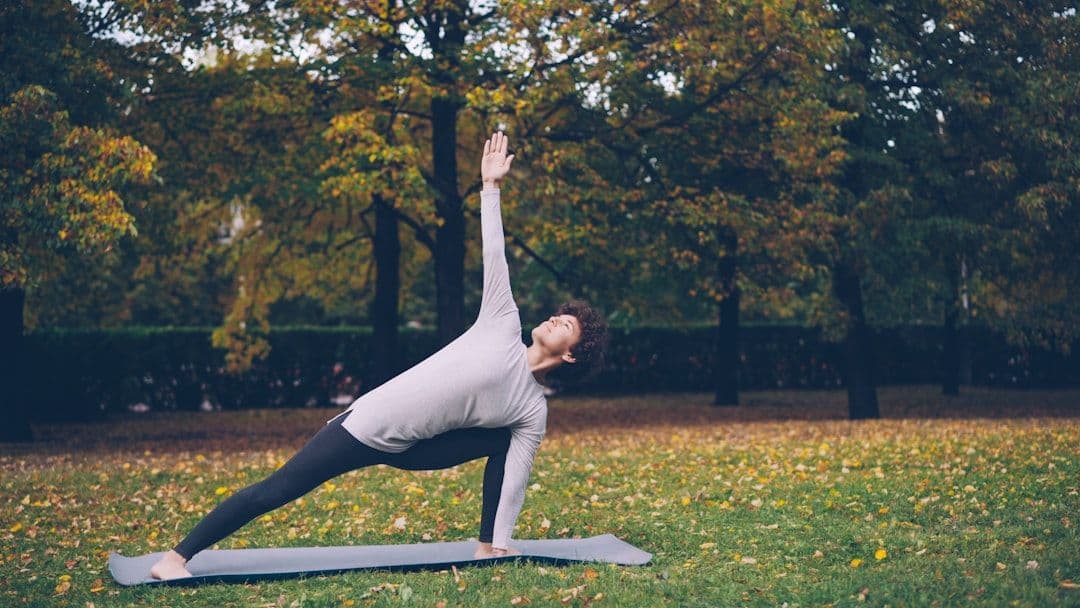
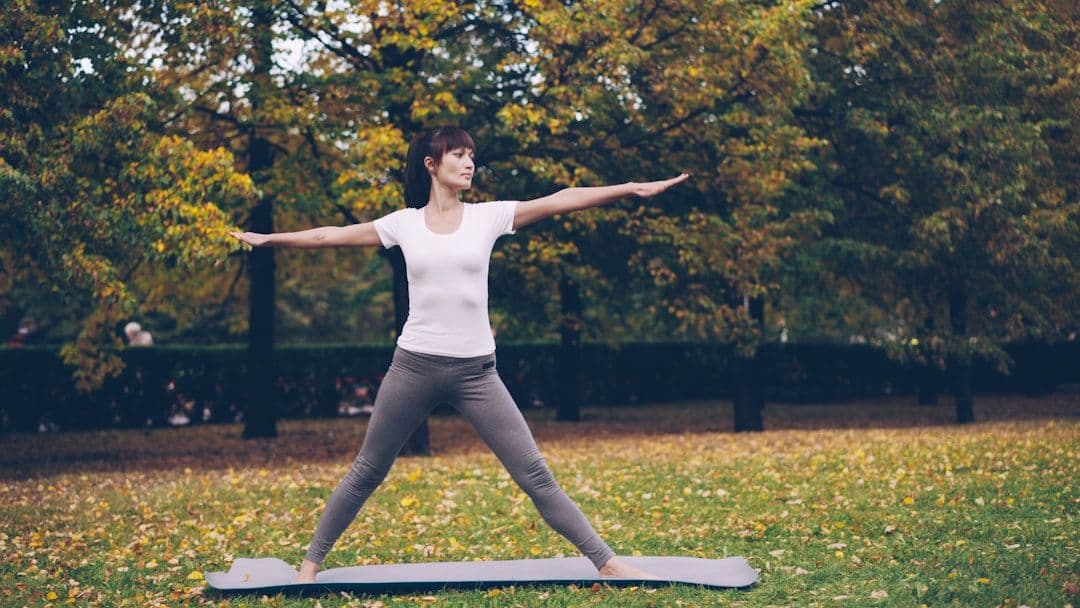
Movement therapy uses dance and body awareness to help you process emotions and stress.
Movement Therapy is a body-based healing practice that uses intentional movement, dance, and somatic techniques to address physical tensi...
At a glance
What it is
Movement therapy uses dance and body awareness to help you process emotions and stress.
Why explore it
It can complement talk therapy by helping you tune into your body and ease stress or low mood.
How it’s experienced
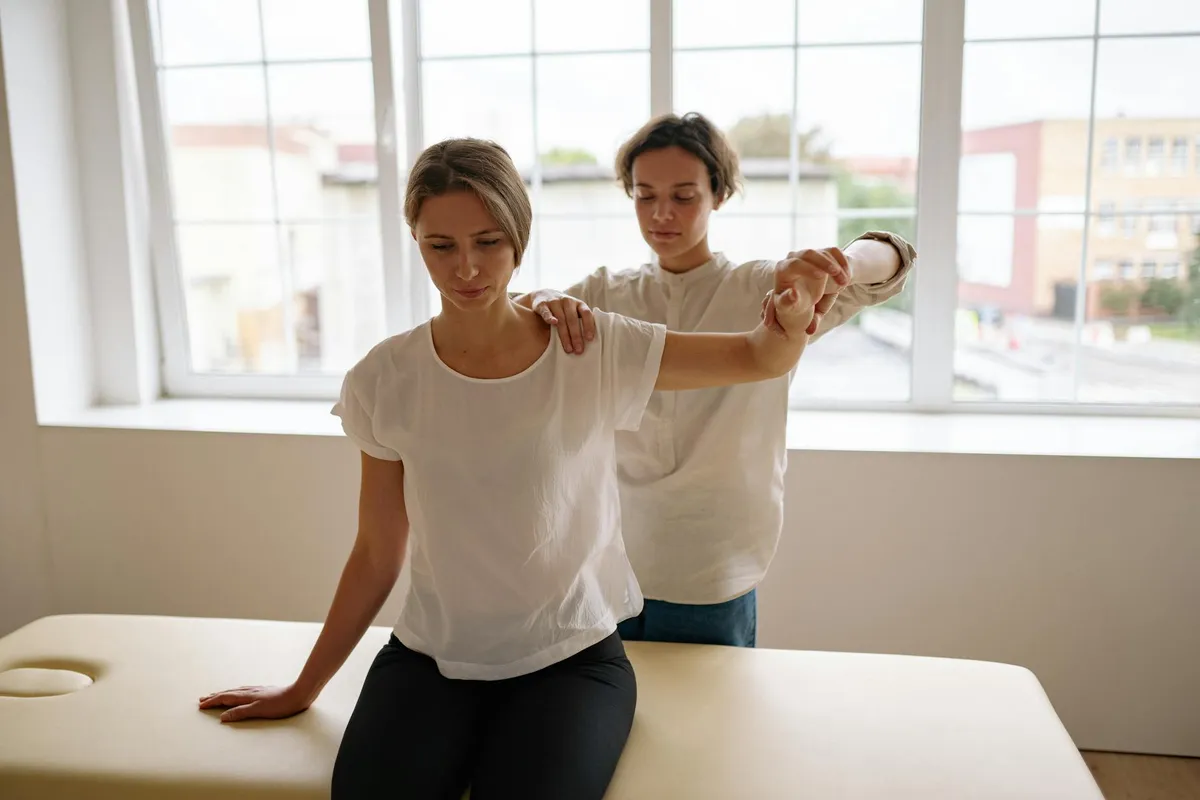
A credentialed therapist guides you through movement and breathwork tailored to your needs.
Evidence context
Some studies show mental health benefits, but evidence is mixed, so treat it as a complement to care.
See the evidence snapshotSafety
Generally low risk, but get medical clearance if injured and never use it to replace psychiatric care.
See staying safeHistory & Origin
Movement Therapy involves therapeutic approaches that utilize movement and body-based techniques for healing.
Movement Therapy emerged from multiple historical and cultural traditions, with roots stretching back to ancient ritualistic and healing practices that recognized the mind-body connection. In the 20th century, pioneers like Marian Chace, a dancer working with psychiatric patients in the 1940s, formalized dance therapy as a clinical practice. Her work demonstrated that structured movement could facilitate emotional expression and psychological healing, leading to the development of Dance/Movement Therapy as a recognized profession. Simultaneously, somatic practitioners like Wilhelm Reich and later Moshe Feldenkrais explored how held tension in the body reflected psychological patterns, creating complementary approaches that emphasized body awareness and release. The field expanded globally through the 1960s and 1970s as humanistic psychology movements embraced body-centered healing, and today Movement Therapy encompasses diverse approaches including Authentic Movement, Continuum Movement, and Somatic Experiencing, all grounded in the principle that movement facilitates healing and integration.
Mechanism
Movement Therapy is generally framed as a guided process for attention, reflection, learning, and emotional integration. Depending on the method, a practitioner may use conversation, imagery, structured exercises, body awareness, or therapeutic techniques to help the person explore patterns and choices. It should not be presented as a standalone solution or a substitute for urgent care, but it may support self-understanding when practiced within an appropriate scope. Movement Therapy operates on the principle that physical movement, body awareness, and expressive motion can access and process emotions, tension, and trauma stored in the body.
Your first visit
A typical session outline to help you feel prepared
A Movement Therapy session blends guided and expressive movement with reflection, helping you reconnect with your body and emotional landscape at your own pace.
Your practitioner greets you in a calm, open studio space and takes a few minutes to ask how you're feeling today, both physically and emotionally, so the session can be shaped around where you are right now.
For a first session, you'll share a bit about your health history, any physical limitations, and what brought you to Movement Therapy, helping your practitioner understand what you're hoping to explore or release.
Together, you and your practitioner settle on a loose intention or theme for the session, whether that's releasing tension, exploring a feeling, or simply moving without judgment, so you have a gentle
You'll begin with slow, easy movement, like gentle swaying, grounding through your feet, or breathing with movement, to help your nervous system settle and your body become more present and receptive.
Your practitioner offers soft verbal cues, imagery, or music to guide you through freer movement, encouraging you to follow what your body wants to do rather than perform or do it correctly, there's no choreography here.
As the session progresses, you may find certain movements, postures, or rhythms feel particularly meaningful or charged with emotion, and your practitioner may gently invite you to stay with or expand on those moments.
Toward the end, the pace gradually softens into stillness, perhaps lying on a mat or standing quietly, giving your body and mind time to absorb and integrate whatever came up during the movement.
You'll have a few minutes to talk through any insights, images, or feelings that surfaced, and your practitioner may suggest simple movement practices or awareness cues to carry with you between sessions.
The Evidence
What research says about movement-based approaches for mental health, emotional wellbeing, and physical recovery.
Promising signals, but research quality varies across modalities
Dance/Movement Therapy has a growing evidence base for anxiety, depression, and trauma recovery, though many studies are small or lack control groups. Evidence strength differs significantly across the broader range of movement-based approaches.
Studies on Dance/Movement Therapy show benefits for anxiety, depression, stress, and trauma recovery. Proposed mechanisms include nervous system regulation and improved body-mind integration. However, many trials are small, lack control groups, or rely on subjective measures, making it difficult to draw firm conclusions or generalise findings across all movement approaches.
Movement Therapy sits within the Alternative category on the MACH framework, meaning it developed largely outside mainstream medical practice. Dance/Movement Therapy has moved toward clinical integration in some settings, while other movement modalities remain more exploratory. This diversity makes uniform evidence standards difficult to establish.
Marian Chace pioneered Dance Therapy with psychiatric patients in the 1940s, establishing a clinical foundation. Somatic thinkers like Wilhelm Reich and Moshe Feldenkrais explored how body tension reflects psychological patterns. These threads converged into a recognised profession, now encompassing diverse approaches from structured clinical practice to exploratory somatic work.
Credentialed Dance/Movement Therapists work in psychiatric, rehabilitation, and community health settings. Applications include trauma processing, emotional regulation, chronic pain support, and body image work. It is typically used alongside, not instead of, conventional care — and should not substitute for professional assessment or psychiatric support where those are indicated.
Consult a doctor before starting if you have recent surgery, unstable cardiac conditions, severe osteoporosis, or pregnancy complications. Movement Therapy is not appropriate as a sole approach for acute psychiatric emergencies or active suicidal ideation. Always inform your practitioner of injuries or health conditions, and look for credentialed practitioners such as ADTA-registered Dance/Movement Therapists.
The umbrella term 'Movement Therapy' covers highly varied practices, making it hard to compare findings or apply evidence from one modality to another. Long-term outcome data is limited, and more rigorous large-scale trials are needed. Practitioners and clients should be cautious of inflated outcome claims and ensure movement work is integrated with appropriate professional support where needed.
Safety first
General guidance to help you decide whether this approach is appropriate for you. This is informational only and not a substitute for medical, psychological, or professional advice.
If you are pregnant, managing a health condition, recovering from injury or surgery, or taking medication, consult a qualified healthcare professional first.
Some situations call for extra care or a different approach. Share any conditions, injuries, or sensitivities with your practitioner before your first session.
Look for clear boundaries, transparent pricing, and practitioners who avoid fear-based claims or pressure to book frequent sessions.
Mild, short-lived effects such as tenderness, tiredness, or temporary soreness can occur. Rest, hydrate, and tell your practitioner how you respond.
For you?
A simple, human way to weigh it up. This is general guidance, not personal medical advice — a qualified practitioner can advise on your situation.
Gyfts is a discovery platform, not a medical provider. Nothing here diagnoses, treats or replaces professional care. In an emergency, contact your local emergency number.
Explore approaches
Other practices people often explore alongside movement therapy.
In their words
FAQ
Movement Therapy is not about dance skill or fitness—it's about authentic, personal movement. Your practitioner will help you find movement that feels natural and safe for you, whether that's gentle swaying, simple gestures, or free-form expression. There is no 'right' way to move. Many people who initially felt self-conscious become more comfortable as they experience the non-judgmental, supportive environment.
Results vary widely. Some people notice shifts in body awareness, mood, or stress after a single session. Others benefit from consistent practice over weeks or months. Most practitioners recommend weekly or bi-weekly sessions for at least 6-8 weeks to allow patterns to shift. Ongoing sessions support sustained benefits and deeper integration of insights.
Movement Therapy can support physical pain by releasing muscular tension, improving movement patterns, and addressing the emotional holding associated with pain. However, it works best alongside conventional physical therapy or medical care for acute or severe pain. Always consult your doctor about pain management.
Exercise and dance classes focus on fitness, technique, or performance. Movement Therapy is a clinical practice emphasizing emotional expression, body awareness, and psychological integration. The pace is individualized, not standardized, and the focus is on what the movement reveals about your inner experience rather than achieving specific physical outcomes.
Yes, with appropriate support. Look for practitioners trained in trauma-informed or somatic approaches. They will work at your pace, respect your boundaries, and help you stay grounded. Trauma can manifest in the body, and gentle, supported movement can facilitate healing. Always inform your practitioner of your trauma history.
Absolutely. Movement Therapy complements talk therapy and psychiatric medication well. Many people use both approaches together for more comprehensive support. Always inform all your healthcare providers about the therapies you're using.
References
Educational sources that inform this overview. Inclusion is for context and does not imply endorsement.
Full citations are maintained by the Gyfts editorial team and reviewed periodically.
Keep exploring
Browse practitioners, explore honest overviews, and take what you learn to a conversation — at your own pace.