What it is
Ayurveda's five-step cleanse using oils, steam, and herbs to clear toxins and restore balance.
Explore the benefits of Panchakarma for your wellness journey.
At a glance
What it is
Ayurveda's five-step cleanse using oils, steam, and herbs to clear toxins and restore balance.
Why explore it
May help reset digestion, metabolism, and energy by targeting root imbalances rather than symptoms.
How it’s experienced
A 7–21 day clinic program of medicated oils, steam, and guided cleansing tailored to your dosha.
Evidence context
Some studies show promising metabolic shifts, but large-scale trials are still limited and ongoing.
See the evidence snapshotSafety
Not safe during pregnancy, fever, or heart conditions; fatigue and dehydration are common side effects.
See staying safeHistory & Origin
Panchakarma is an Ayurvedic modality that involves detoxification and rejuvenation therapies to balance the body and mind.
Panchakarma is the ultimate "Bio-Purification" system of Ayurveda, with foundational principles originating in the Atharvaveda (c. 1500 B.C.). The system was clinically codified between 200 B.C. and 400 A.D. within the Charaka Samhita, where it was established as a method to eliminate Ama (deep-seated metabolic toxins) rather than merely suppressing symptoms. Historically, it was reserved for seasonal transitions to maintain the body's internal equilibrium (Dosha balance).
The traditional protocol involves a rigorous three-phase process: Purvakarma (preparation), the Pradhana Karma (the five primary detoxification actions), and Paschatkarma (post-treatment rejuvenation). While historically centered in the Indian subcontinent—particularly in the specialized lineages of Kerala—Panchakarma has evolved into a globally recognized clinical modality for chronic inflammatory conditions, blending ancient Sanskrit wisdom with modern metabolic research.
Mechanism
Panchakarma is generally described as working through skilled touch, careful pacing, and the body's response to pressure, movement, warmth, or stillness. Practitioners may focus on muscle tone, joint comfort, circulation, breath, or relaxation depending on the method. Traditional explanations may also include energy flow or whole-person balance. Research support varies by modality, so the experience is best framed as supportive care with outcomes that vary. Panchakarma operates through five primary purification therapies traditionally aimed at supporting the body's cleansing of accumulated residues (ama) and restoring constitutional balance.
Your first visit
A typical session outline to help you feel prepared
Panchakarma is a multi-day Ayurvedic detox journey using oils, steam, and gentle cleansing therapies to help restore balance from the inside out.
You'll meet your Ayurvedic practitioner and complete a detailed health history form covering your diet, lifestyle, sleep, and any health concerns before treatment begins.
The practitioner assesses your Prakriti (constitution) and Vikriti (current imbalances) through pulse reading, tongue examination, and a conversation about your physical and emotional state.
Based on your assessment, the practitioner outlines your customized program, including which of the five Panchakarma actions are appropriate for you and the duration of your program.
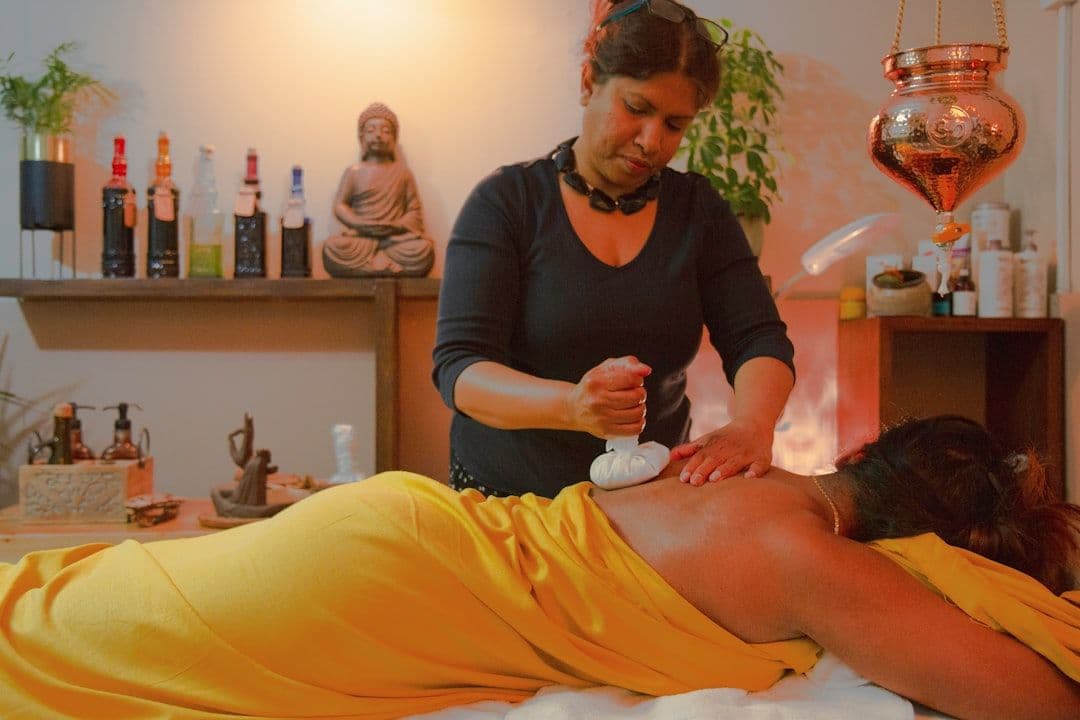
For the first several days you'll receive internal oleation by drinking warm medicated ghee each morning, followed by full-body Abhyanga oil massage and Swedana herbal steam to loosen toxins stored in tissues.
Depending on your plan, you'll undergo one or more of the main cleansing actions such as Virechana (herbal purgation) or Basti (medicated enema), always guided and monitored by your practitioner.
After each primary therapy session you'll rest quietly, drink warm herbal teas, and eat a light prescribed diet of easily digestible foods like kichari to support your body's release process.
As the cleansing phase closes, your practitioner introduces rejuvenating herbs and a carefully staged diet to gently rekindle your digestive fire, or Agni, and rebuild your strength.
You'll receive a personalized aftercare plan covering diet, daily routine, herbal supplements, and lifestyle practices to help you maintain the benefits of your Panchakarma at home.
The Evidence
What modern research and traditional scholarship say about Panchakarma, and what to consider before starting.
Promising early findings, but intensive protocols require careful screening
Clinical studies show measurable effects on inflammation markers, lipid profiles, and environmental toxin reduction. Evidence is growing but not yet definitive, and the intensive nature of Panchakarma means suitability must be assessed individually.
Clinical research has recorded significant reductions in fat-soluble organochlorine pesticides and PCBs post-protocol, alongside improved lipid profiles and lower C-reactive protein levels. These are meaningful signals, but study sizes remain modest. Larger, independent trials are needed before firm conclusions can be drawn.
The protocol integrates preparatory bodywork, targeted cleansing therapies, dietary guidance, and a structured recovery phase. This layered approach reflects a holistic model where physical, digestive, and nervous system health are treated as interconnected. The lifestyle and dietary components may independently contribute to observed outcomes.
Foundational principles appear in the Atharvaveda and were clinically systematised in the Charaka Samhita. Traditionally reserved for seasonal transitions and constitutional rebalancing, the five-action framework was designed to address accumulated metabolic residues rather than suppress symptoms. Kerala lineages developed particularly refined clinical applications still practiced today.
It is contraindicated during pregnancy, menstruation, active infection, fever, or significant physical weakness. Cardiac conditions and severe hypertension require a modified protocol under close medical supervision. Temporary fatigue and dehydration are common during purgation phases. Always disclose your full health history to your practitioner before beginning.
A qualified practitioner will assess your dosha constitution, current health status, and any contraindications before selecting which of the five therapies apply to you. Not all five procedures are used in every case. Seek practitioners with recognised Ayurvedic clinical training and verify that the facility follows safe hygiene and preparation standards.
It does not replace assessment or management of serious medical conditions. Inflated outcome claims circulate in some wellness contexts — the current evidence supports specific metabolic and inflammatory effects, not broad or universal health restoration. For chronic or complex conditions, Panchakarma is best considered alongside, not instead of, qualified conventional or specialist care.
Safety first
General guidance to help you decide whether this approach is appropriate for you. This is informational only and not a substitute for medical, psychological, or professional advice.
Some situations call for extra care or a different approach. Share any conditions, injuries, or sensitivities with your practitioner before your first session.
If you are pregnant, managing a health condition, recovering from injury or surgery, or taking medication, consult a qualified healthcare professional first.
Look for clear boundaries, transparent pricing, and practitioners who avoid fear-based claims or pressure to book frequent sessions.
Mild, short-lived effects such as tenderness, tiredness, or temporary soreness can occur. Rest, hydrate, and tell your practitioner how you respond.
For you?
A simple, human way to weigh it up. This is general guidance, not personal medical advice — a qualified practitioner can advise on your situation.
Gyfts is a discovery platform, not a medical provider. Nothing here diagnoses, treats or replaces professional care. In an emergency, contact your local emergency number.
Explore approaches
Other practices people often explore alongside panchakarma.
In their words
FAQ
No. While it involves massage and oil treatments, Panchakarma is a medical-grade detoxification protocol. It involves internal cleansing procedures that significantly impact physiology and should be overseen by trained Ayurvedic clinicians.
A complete cycle usually requires a minimum of 14 days, though 21 to 28 days is considered the clinical gold standard for deep tissue cleansing.
It is common to experience a 'healing crisis,' which may include fatigue, headaches, or emotional shifts as toxins are released into the bloodstream for elimination. These are usually temporary and managed by your practitioner.
Paschatkarma, or the post-treatment phase, is critical. During this time, your digestive fire (Agni) is weak, and you must follow a specific graduated diet (Samsarjana Krama) to avoid re-toxifying the system.
Panchakarma is Ayurveda's primary purification and rejuvenation programme — a systematic process of removing accumulated toxins (ama) and restoring doshic balance. The five traditional purification procedures are Vamana (therapeutic emesis), Virechana (purgation), Basti (medicated enemas), Nasya (nasal administration), and Raktamokshana (bloodletting). In practice, modern Panchakarma programmes typically emphasise the preparatory and post-treatment phases alongside Basti and Virechana. A full residential programme typically lasts 7–21 days and includes daily oil massage (Abhyanga), steam therapy (Svedana), tailored herbal treatments, and dietary protocols. It should be conducted under the supervision of a qualified Ayurvedic physician.
References
Educational sources that inform this overview. Inclusion is for context and does not imply endorsement.
Full citations are maintained by the Gyfts editorial team and reviewed periodically.
Keep exploring
Browse practitioners, explore honest overviews, and take what you learn to a conversation — at your own pace.