Before the Session: What to Expect
In the days leading up to your Panchakarma experience, expect to shift into a gentler rhythm. Your practitioner will likely ask you to reduce stimulating foods, alcohol, and caffeine, and to begin a light diet. You might feel anticipation mixed with nervousness—this is completely normal. Panchakarma is not a quick spa treatment; it is an intensive, multi-day commitment requiring residential or daily visits to a clinic or wellness center. You'll typically start on a Monday or specific day aligned with your practitioner's schedule.
Before arrival, inform your practitioner of any health conditions, medications, allergies, or concerns. This is crucial: if you have serious conditions like rheumatoid arthritis, anxiety, or cardiovascular issues, consult your medical doctor first. Panchakarma is not a substitute for medical care, and your doctor should know you are undertaking this practice. Mentally prepare yourself for a slower pace—no work emails, no rushing. Wear comfortable, loose clothing in natural fibers. Avoid heavy perfumes or lotions; your skin will be receiving extensive oil treatments. Pack a journal if you like; many people use Panchakarma as a time for reflection and self-care.
Arriving and Setting the Scene
You arrive at the clinic, often a serene space designed to calm the nervous system. The air may be infused with the scent of herbs and warm sesame oil. You are greeted warmly and guided through an intake consultation, where your Ayurvedic practitioner asks detailed questions about your constitution, digestion, sleep, emotional patterns, and health goals. This conversation itself feels grounding—someone is truly listening.
You may receive an Ayurvedic constitution assessment or tongue and pulse reading. Your practitioner explains the logic of your personalized protocol: perhaps your nervous system needs deep soothing through warm oil, or your digestion needs herbal support and gentle cleansing. The consultation demystifies what is to come, replacing anxiety with understanding.
You are then shown to a quiet treatment room, often with soft lighting and gentle music or natural sounds. The temperature is warm and comfortable. Fresh linens and cotton sheets invite you to lie down. There is a sense of sanctuary—the outside world feels miles away. Your practitioner or therapist explains each step and checks in about comfort and temperature. This transparency and care create trust.
During the Session
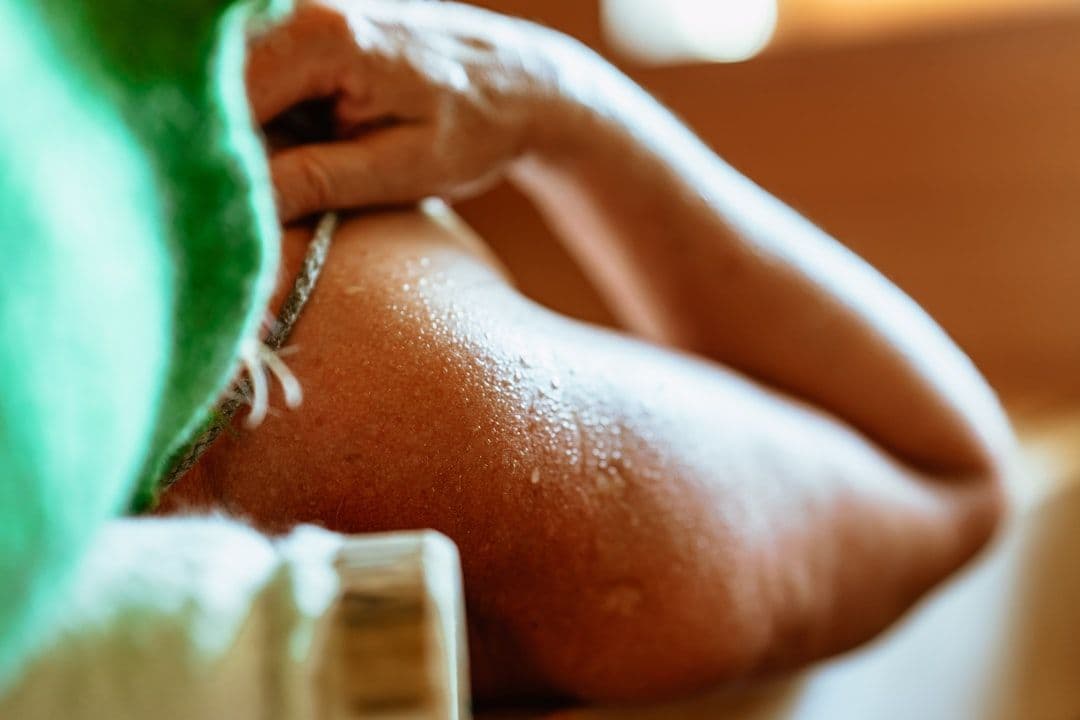
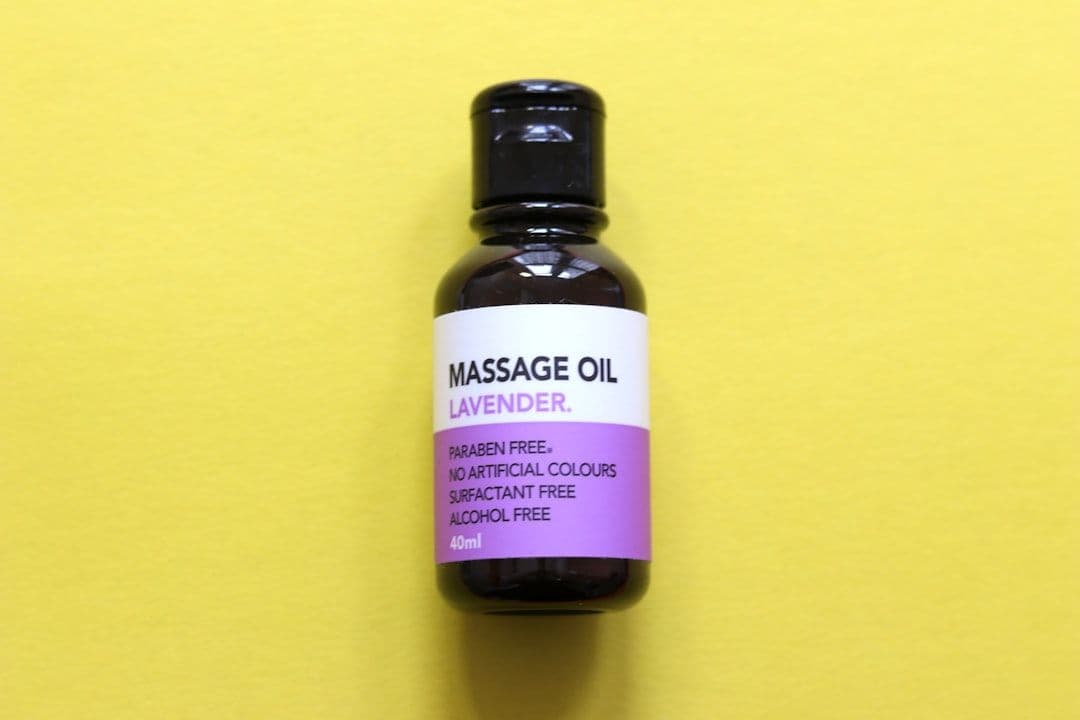
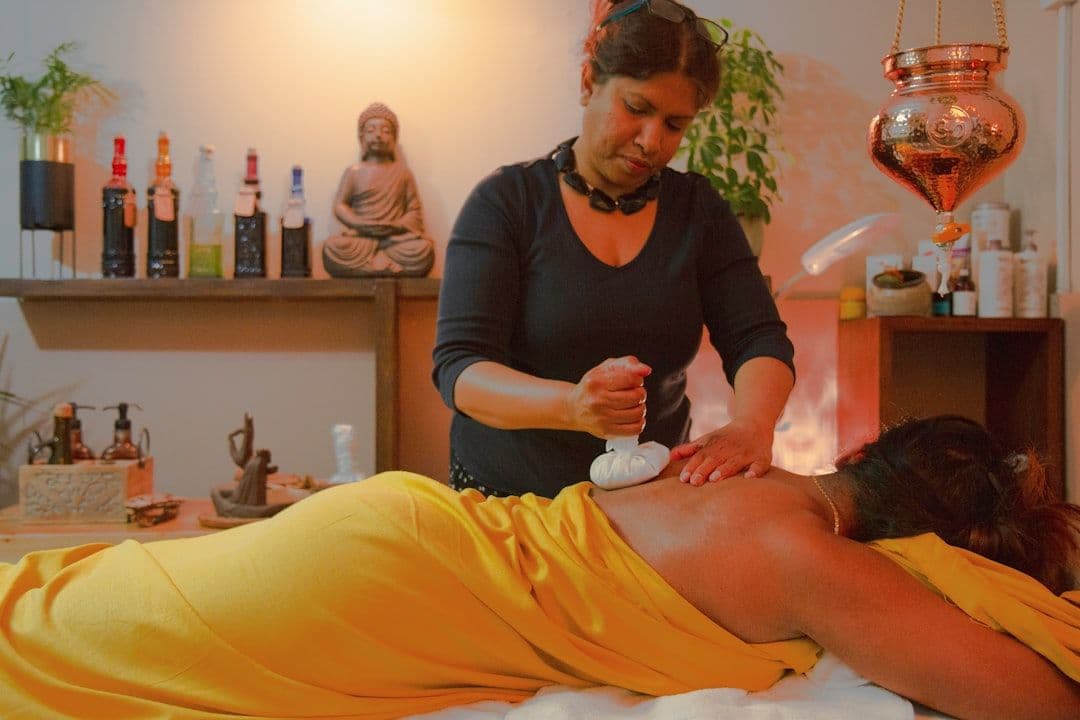
The main phase of Panchakarma unfolds over several days. Your mornings may begin with a light herbal tea or warm water with lemon, followed by the signature Abhyanga—a full-body warm oil massage performed by one or two trained therapists. Imagine warm, herb-infused sesame oil being applied in rhythmic, synchronized movements across your entire body. The sensation is deeply soothing. Your skin drinks in the oil; your muscles relax; your mind quiets. The massage lasts 60 to 90 minutes. You float in a state between wakefulness and sleep, your nervous system downshifting into parasympathetic calm.
After the massage, you may move into a steam chamber or receive Shirodhara—a continuous, gentle stream of warm medicated oil flowing across your forehead and scalp for 20 to 60 minutes. This is profoundly quieting; many people describe it as meditation made tangible. Your thinking mind softens; sensation becomes primary.
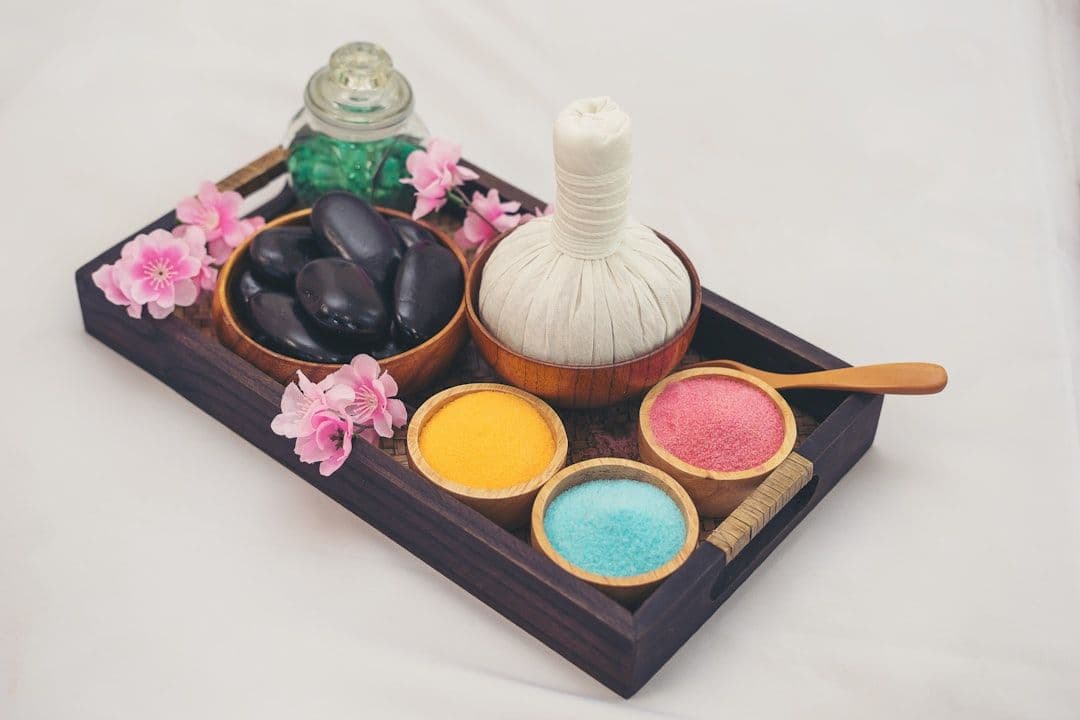
Other days include specialized therapies: Nasya (herbal oil administered through the nostrils to clear the sinuses and calm the mind), therapeutic enemas or purgatives designed to gently cleanse the digestive tract, herbal pastes applied to the skin, and herbal powders used in massage. Each therapy is preceded by explanation and followed by rest or light activity. Your diet is simple, warm, and specifically prepared: often kitchari (a gentle blend of rice, lentils, and spices), light broths, and ghee-infused foods designed to be easy to digest while the body releases accumulated toxins.
You rest between treatments. Sleep comes easily. Many people report vivid dreams or emotional releases—crying, laughter, or unexpected clarity. Your practitioner frames this as part of the cleansing process. Physically, you may experience mild detoxification symptoms: mild headache, tiredness, or temporary digestive changes. These typically ease within a day or two and are understood as signs that deeper layers are being addressed.
How You May Feel Afterwards
As Panchakarma concludes, the intensity of treatment gradually softens. Your final days include rejuvenating therapies designed to rebuild and stabilize. You receive clear post-treatment guidance: continue the light diet for several days, avoid cold foods and drinks, get adequate sleep, and engage in gentle movement like walking or slow yoga.
Immediately after, feelings are highly individual. Some people feel immediately lighter, more energized, mentally clear, and emotionally spacious. Sleep deepens; digestion improves noticeably. Others experience a detoxification reaction lasting a few days—fatigue, mild headache, or emotional sensitivity—before improvement sets in. This is understood as the body's way of completing its release.
Over the following weeks, many people notice sustained benefits: improved sleep quality, better digestion, clearer skin, reduced joint stiffness, calmer emotions, and a sense of lightness in the body and mind. However, results are not guaranteed and vary significantly based on individual constitution, adherence to post-treatment care, and overall lifestyle. Some people need multiple rounds of Panchakarma to experience deeper shifts.
Your practitioner typically provides ongoing guidance: herbal formulations tailored to your constitution to support long-term wellness, dietary recommendations, seasonal practices, and occasional follow-up treatments. Panchakarma is often viewed not as a one-time event but as part of a sustained commitment to Ayurvedic wellness. The real work is integrating the insights and gentler pace into daily life—eating mindfully, sleeping earlier, moving with intention. The practice lingers not just in physical sensations but in a quieter, more resilient you.
Is It Right for You?
Panchakarma is a profound wellness practice, but it is not for everyone or for every time in life. It is best suited for people in generally good health who are seeking deeper relaxation, nervous system reset, or integration of Ayurvedic principles. Those curious about traditional approaches to wellness and open to a slower, more intentional rhythm often thrive.
Panchakarma is not recommended if you are pregnant, breastfeeding, menstruating, acutely ill, or running a fever. People with severe arthritis, uncontrolled high blood pressure, cardiovascular disease, or blood clotting disorders should consult their doctor first. If you are on medications, especially blood thinners or psychiatric medications, discuss Panchakarma with both your medical doctor and your Ayurvedic practitioner.
Crucially, if you have a serious health condition—rheumatoid arthritis, irritable bowel syndrome, psoriasis, anxiety disorder, chronic sinusitis, or obesity—do not view Panchakarma as a treatment. It may complement your medical care when supervised by qualified practitioners, but it is not a replacement for your doctor's care. Consult your healthcare provider before beginning.
Seek out qualified Ayurvedic practitioners who are trained, experienced, and transparent about evidence and limitations. A good practitioner works collaboratively with your medical doctors, respects your medications, and frames Panchakarma as supportive wellness, not cure. Trust your instincts: if you feel rushed, unsupported, or pressured into claims about healing, seek another practitioner.
Ultimately, Panchakarma is an invitation to pause, to listen to your body, and to experience profound rest. If you are drawn to it and medically cleared, the sensory and emotional journey can be transformative—not as a escape from life, but as a deeper homecoming to yourself.