What it is
A shamanic practice of connecting with plant consciousness through ceremony and meditation.
Plant Spirit Medicine is a spiritual practice that involves connecting with the energetic and consciousness aspects of plants for healing...
At a glance
What it is
A shamanic practice of connecting with plant consciousness through ceremony and meditation.
Why explore it
May support grief, life transitions, and creativity by deepening your bond with the natural world.
How it’s experienced
A practitioner guides you into communion with plants through breath, drumming, or imagery over seasonal visits.
Evidence context
Rooted in indigenous tradition, this practice is meaning-based with no clinical trials to date.
See the evidence snapshotSafety
Low-risk energetically, but not a substitute for medical care; consult a provider if you have a mental illness history.
See staying safeHistory & Origin
Plant Spirit Medicine involves a spiritual and energetic connection with plant spirits for healing and guidance.
Plant Spirit Medicine draws from ancient indigenous and shamanic traditions spanning cultures worldwide, from Native American herbalism to Amazonian plant medicine practices to traditional Chinese medicine's energetic understanding of herbs. The formalized Western approach to Plant Spirit Medicine was significantly developed and articulated by Eliot Cowan, a pioneer who brought shamanic plant work into contemporary practice during the late 20th century. Cowan's work emphasized that plants possess consciousness and spiritual intelligence that can communicate with humans through intuition, dreams, and direct energetic connection, rather than treating plants merely as biochemical tools. The modality gained popularity within complementary health circles during the 1990s and 2000s as interest in shamanism, plant-based healing, and consciousness studies expanded in Western wellness communities. Today, practitioners range from those trained in traditional indigenous medicine to Western-trained healers who have studied contemporary frameworks of plant spirit work, creating a diverse field that bridges ancient wisdom with modern spiritual practice.
Mechanism
Plant Spirit Medicine is a broader health tradition or knowledge system rather than a single technique. Practitioners may draw on cultural teachings, observation, lifestyle guidance, ritual, remedies, bodywork, or community practice. Its working model should be described in its own traditional context and not overstated as biomedical proof. People may explore it for cultural continuity, reflection, and supportive wellbeing practices. Practitioners typically engage in meditation, ceremony, or intentional consumption of plant preparations while focusing on establishing a conscious relationship with the plant's energetic or spiritual essence, rather than solely its biochemical constituents.
Your first visit
A typical session outline to help you feel prepared
A Plant Spirit Medicine session weaves conversation, guided meditation, and energetic connection to invite healing wisdom from the plant world into your life.
Your practitioner greets you warmly and invites you to share what brought you in, what you are hoping to explore, and any emotional or physical patterns you have been noticing.
Drawing on traditional diagnosis methods, your practitioner listens closely to your story and uses their training to sense which plant spirits may be most relevant to your current state of being.
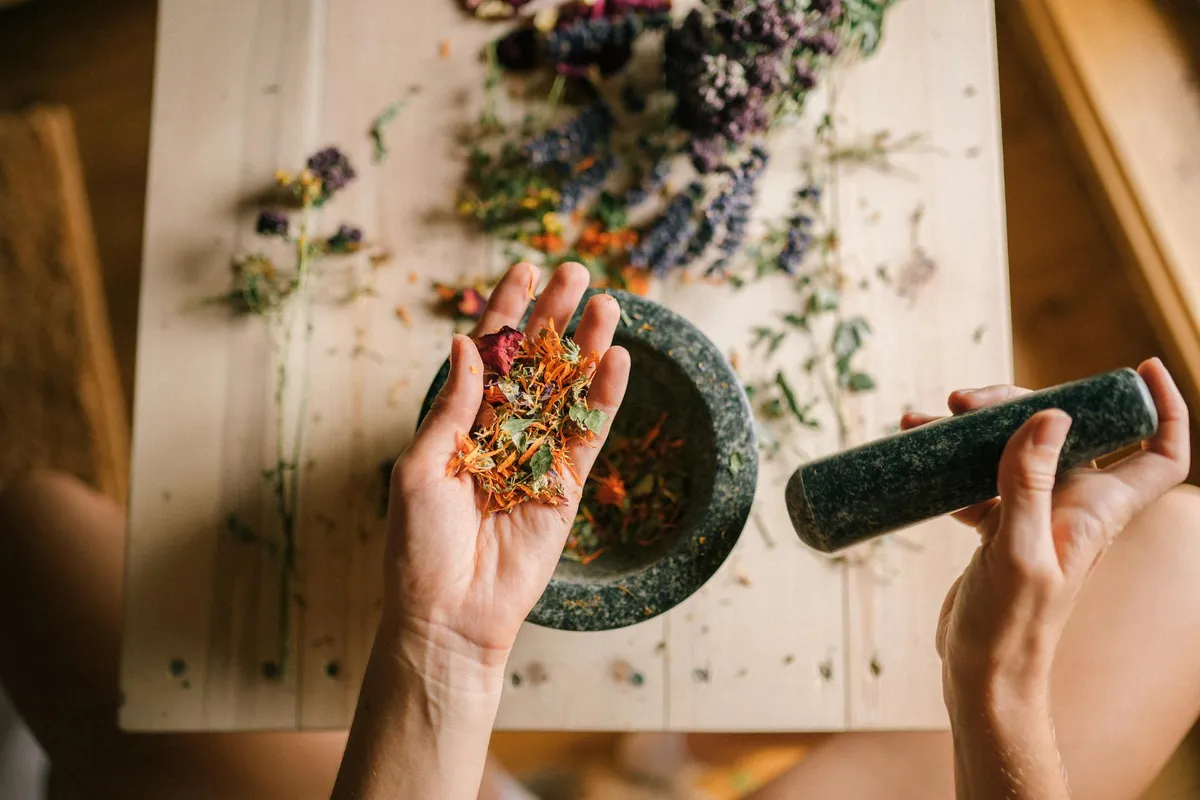
The room is arranged with intention, often including plant materials, natural objects, or simple altar elements. You may be asked to sit or lie comfortably as the practitioner opens the session with a
Your practitioner enters a meditative state to call in the spirit of a specific plant on your behalf, acting as an intermediary to invite that plant's energetic qualities into the session.
You rest quietly, sometimes in guided meditation, as the practitioner works energetically. You may notice warmth, tingling, shifting emotions, vivid imagery, or simply a deepening sense of calm.
After the energetic work concludes, your practitioner shares any impressions or messages that came through and invites you to share what you experienced during the session.
Together you discuss simple practices to carry the session forward, such as spending time with a particular plant, journaling, or a brief daily meditation, typically lasting just a few minutes each day.
The Evidence
What research and tradition say about Plant Spirit Medicine, and how to understand its place in a broader health picture.
Rooted in tradition, not clinical research
Plant Spirit Medicine operates within a spiritual and metaphysical framework with minimal peer-reviewed research. Its foundations lie in indigenous and shamanic traditions, and its value is understood through lived experience and cultural knowledge rather than clinical evidence.
No randomized controlled trials exist for this modality. Available evidence comes from qualitative and ethnographic studies. Related research on ritual, nature connection, and mindfulness suggests possible mechanisms for wellbeing benefits, but these findings cannot be directly applied to Plant Spirit Medicine without further study.
This modality operates on epistemological assumptions distinct from biomedical science, emphasising intuition, ceremony, and energetic relationship rather than measurable biochemical outcomes. A clinical lens alone may not capture its full intent, as meaning and value are understood within a spiritual and relational worldview rather than through biochemical measurement.
Practices connecting humans to plant consciousness appear across Native American, Amazonian, and East Asian traditions. The contemporary Western form was significantly shaped by practitioner Eliot Cowan in the late 20th century. Understanding this lineage helps contextualise the practice as a living cultural tradition rather than a new-age invention.
Plant Spirit Medicine cannot be recommended as a standalone approach for diagnosed physical or mental health conditions. Inflated outcome claims should be treated with caution. Its appropriate role is as a complementary or spiritually-oriented practice, not a substitute for professional assessment or medical care.
Those experiencing severe depression, active suicidal ideation, acute psychosis, or serious mental health conditions should consult a qualified healthcare provider before engaging with this practice. If a practitioner recommends herbal preparations alongside spiritual work, check for potential interactions with any current medications.
Practitioners range from those trained within authentic indigenous lineages to self-styled Western facilitators with varying backgrounds. Ask specifically whether training was received within a recognised indigenous tradition or through a Western apprenticeship, and how ceremonial protocols and plant preparation practices are observed. A trustworthy practitioner will not discourage ongoing conventional medical care or make inflated claims about outcomes.
Safety first
General guidance to help you decide whether this approach is appropriate for you. This is informational only and not a substitute for medical, psychological, or professional advice.
If you are pregnant, managing a health condition, recovering from injury or surgery, or taking medication, consult a qualified healthcare professional first.
Some situations call for extra care or a different approach. Share any conditions, injuries, or sensitivities with your practitioner before your first session.
Look for clear boundaries, transparent pricing, and practitioners who avoid fear-based claims or pressure to book frequent sessions.
Mild, short-lived effects such as tenderness, tiredness, or temporary soreness can occur. Rest, hydrate, and tell your practitioner how you respond.
For you?
A simple, human way to weigh it up. This is general guidance, not personal medical advice — a qualified practitioner can advise on your situation.
Gyfts is a discovery platform, not a medical provider. Nothing here diagnoses, treats or replaces professional care. In an emergency, contact your local emergency number.
Explore approaches
Other practices people often explore alongside plant spirit medicine.
In their words
FAQ
In Plant Spirit Medicine, a plant spirit refers to the energetic, consciousness, or spiritual essence of a plant that is believed to exist beyond its physical biochemistry. Practitioners view plants as conscious beings with wisdom and healing intelligence that can communicate with humans through intuition, meditation, dreams, and energetic connection. This concept appears in indigenous and shamanic traditions worldwide and differs from herbalism's focus on plant chemistry.
Sessions typically involve guided meditation, visualization, or shamanic journeying where you meet and communicate with plant spirits. The practitioner may facilitate this through conversation, meditation, burned herbs, or energetic work. You might receive messages or guidance, experience emotional release, or gain insights. Sessions are usually 60-90 minutes and are calm, introspective experiences.
This varies greatly depending on your goals and the practitioner's approach. Some people benefit from a single session for clarity on a specific question, while others engage in ongoing monthly or quarterly work as part of spiritual practice. Many practitioners recommend starting with 3-4 sessions to establish a foundation, then assessing based on your experience and needs.
Not necessarily. Pure Plant Spirit Medicine focuses on energetic and spiritual connection rather than herbal remedies. However, some practitioners may recommend herbal tea, flower essences, or other plant products as supportive practices between sessions. Always discuss any recommendations, especially if you take medications, to avoid interactions.
No, though they both work with plants. Herbalism and botanical medicine focus on the chemical and physiological effects of plant compounds for physical health. Plant Spirit Medicine emphasizes the spiritual, energetic, and consciousness aspects of plants and is primarily used for emotional, spiritual, and psychological support rather than physical healing.
Plant Spirit Medicine works best when you're open to the framework, though skepticism doesn't necessarily prevent benefit. Some people experience shifts even without strong spiritual beliefs. However, if you're fundamentally dismissive of energetic or spiritual approaches, you may find the modality ineffective. Consider your openness before committing to sessions.
No. Plant Spirit Medicine should never replace psychiatric medication or evidence-based mental health treatment. It may complement these approaches when both are being pursued, but it is not a substitute for medical care. Always consult your healthcare provider before making changes to psychiatric treatment.
Plant Spirit Medicine is generally considered low-risk when practiced by ethical, experienced practitioners. However, some people may experience emotional release, vivid dreams, or temporary emotional sensitivity after sessions. Those with a history of psychosis should be cautious, as intensive spiritual work occasionally triggers difficult experiences. Work with qualified practitioners and communicate openly about any concerns.
References
Educational sources that inform this overview. Inclusion is for context and does not imply endorsement.
Full citations are maintained by the Gyfts editorial team and reviewed periodically.
Keep exploring
Browse practitioners, explore honest overviews, and take what you learn to a conversation — at your own pace.