What it is
A spiritual practice weaving quantum ideas into consciousness exploration and self-understanding.
Quantum Consciousness is a metaphysical practice that explores expanded states of awareness by integrating concepts from quantum physics ...
At a glance
What it is
A spiritual practice weaving quantum ideas into consciousness exploration and self-understanding.
Why explore it
It may deepen meditation, spark creative insight, and open fresh questions about life's meaning.
How it’s experienced
Expect guided meditation, reflective dialogue, and exercises that invite a sense of inner expansion.
Evidence context
Rooted in speculative theory, not clinical science, so approach it as philosophical self-inquiry.
See the evidence snapshotSafety
Low-risk for most adults, but consult a provider first if you have an active psychiatric condition.
See staying safeHistory & Origin
Quantum Consciousness explores states of consciousness beyond conventional reality, incorporating quantum principles.
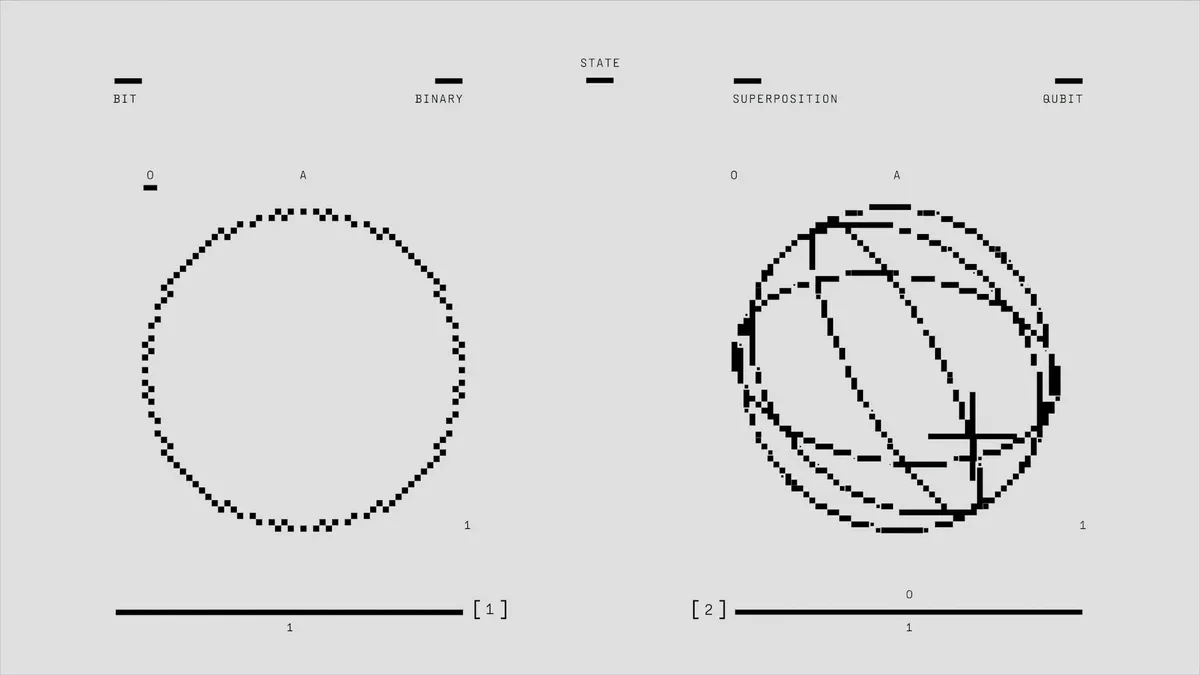
Quantum Consciousness emerged in the late 20th century as a bridge between modern physics and spiritual philosophy. The practice draws inspiration from quantum mechanics—particularly concepts like superposition, entanglement, and observer-dependent reality—reinterpreted through a metaphysical lens to explore the nature of human consciousness. While quantum physics describes the behavior of subatomic particles, practitioners of Quantum Consciousness propose that similar principles may govern consciousness itself and our interaction with reality.
The modality gained popularity during the 1990s and 2000s, particularly within New Age and spiritual communities interested in the intersection of science and spirituality. Key figures in popularizing these ideas included authors and lecturers who drew connections between quantum mechanics and consciousness studies, though their interpretations remain outside mainstream scientific consensus. The practice reflects a broader cultural movement seeking to reconcile scientific understanding with spiritual experience.
Quantum Consciousness spread globally through workshops, books, online communities, and training programs. It appeals to individuals seeking frameworks that honor both rational inquiry and inner exploration. The modality continues to evolve, with practitioners developing various techniques including meditation, visualization, energy work, and guided consciousness exploration. Today, it exists primarily within complementary and spiritual health communities rather than conventional scientific or medical institutions.
Mechanism
Quantum Consciousness is best framed as a traditional, symbolic, energetic, reflective, or spiritual practice rather than a validated medical mechanism. Practitioners may use ritual, attention, sound, imagery, touch-free work, cards, symbols, prayer, or intention to support meaning-making and a sense of connection. People may explore it for reflection, calm, or spiritual context, while health claims should remain cautious and personal. Quantum Consciousness operates on the premise that consciousness itself may function according to quantum principles rather than classical physics.
Your first visit
A typical session outline to help you feel prepared
A Quantum Consciousness session blends guided inner exploration with quantum-inspired frameworks to help you access expanded states of awareness and self-understanding.
Your practitioner opens with a relaxed chat about your intentions, spiritual background, and any questions you have. This helps shape the session to where you are right now.
Together you identify a focus for the session, whether that's expanding awareness, exploring a life question, or simply opening to what arises. A clear intention acts as a compass for your inner journey.
The room is arranged to minimize distraction, often with soft lighting, sound, or scent. You may be invited to sit or lie comfortably as the practitioner guides you into a receptive state.
Using breathwork, visualization, or quantum coherence language, the practitioner helps you shift out of ordinary thinking mind and into a more open, expansive field of awareness. You may notice tingli
This is the heart of the session. You navigate inner landscapes, symbolic imagery, or perceived quantum fields, often prompted by gentle questions or tones. Time may feel fluid and insights can surface spontaneously.
As the session winds down, you and your practitioner gently unpack what arose, finding meaning and grounding insights in your everyday life context. Nothing is interpreted for you without your input.
A short grounding practice, such as slow breathing, gentle movement, or holding a physical object, helps you fully return to ordinary awareness before you leave. You should feel steady before heading out.
Your practitioner may suggest journaling, rest, or a follow-up session to deepen what surfaced. Drink water, allow quiet time, and be gentle with yourself as insights continue to unfold over the next day or two.
The Evidence
What research and expert consensus currently say about Quantum Consciousness as a health and wellbeing practice.
A speculative framework sitting outside scientific consensus
Quantum Consciousness draws on the language of physics to explore the nature of mind and reality, but its core claims lack empirical validation in neuroscience or physics. It is best understood as a metaphysical and spiritual framework rather than a clinically studied modality.
While quantum mechanics is a well-established field of physics, applying its principles directly to human consciousness remains highly speculative. Mainstream physicists and neuroscientists do not recognise quantum effects as an established mechanism of conscious experience. This modality is best engaged as a philosophical or spiritual exploration rather than a science-based practice.
Related practices such as meditation and mindfulness have a meaningful evidence base for stress, anxiety, and wellbeing. However, these benefits cannot be attributed to quantum mechanisms, and no studies have tested Quantum Consciousness specifically. Drawing on adjacent research to support its claims goes beyond what the data supports.
For those exploring existential questions, spiritual growth, or expanded awareness, this modality can offer a structured framework for reflection and inner exploration. Its value for many practitioners lies in the subjective experience of insight and perspective shift, rather than in any clinically measurable outcome. These are legitimate personal pursuits, even where scientific evidence is absent.
Some practitioners or programmes make strong claims about Quantum Consciousness affecting physical health or external reality. These claims are not supported by evidence and extend well beyond what this practice can be shown to do. Gyfts encourages users to distinguish between personal meaning-making and evidence-based health outcomes.
People managing psychosis, dissociative conditions, bipolar disorder, or acute mental health instability should consult a mental healthcare provider before engaging in consciousness expansion practices. This modality is not a substitute for professional mental health assessment or care. If you are on psychiatric medication, speak with your prescribing clinician first.
This field has no universal credentialling or regulatory framework. Look for practitioners who maintain clear ethical boundaries, do not make inflated health outcome claims, and actively encourage you to maintain any existing professional care. A responsible practitioner will not position this practice as a replacement for medical or psychological support.
Safety first
General guidance to help you decide whether this approach is appropriate for you. This is informational only and not a substitute for medical, psychological, or professional advice.
If you are pregnant, managing a health condition, recovering from injury or surgery, or taking medication, consult a qualified healthcare professional first.
Some situations call for extra care or a different approach. Share any conditions, injuries, or sensitivities with your practitioner before your first session.
Look for clear boundaries, transparent pricing, and practitioners who avoid fear-based claims or pressure to book frequent sessions.
Mild, short-lived effects such as tenderness, tiredness, or temporary soreness can occur. Rest, hydrate, and tell your practitioner how you respond.
For you?
A simple, human way to weigh it up. This is general guidance, not personal medical advice — a qualified practitioner can advise on your situation.
Gyfts is a discovery platform, not a medical provider. Nothing here diagnoses, treats or replaces professional care. In an emergency, contact your local emergency number.
Explore approaches
Other practices people often explore alongside quantum consciousness.
In their words
Read next
FAQ
Sessions typically involve guided exploration of expanded awareness through meditation, visualization, and sometimes breathwork or discussion. You'll be guided into relaxed, receptive states where the practitioner uses language and imagery related to quantum concepts, consciousness, and interconnectedness. The experience is personalized to your needs. You remain safe, comfortable, and in control throughout.
This varies greatly depending on your goals. Some people benefit from a single exploratory session; others pursue ongoing practice weekly or monthly. Many practitioners suggest an initial series of 3–6 sessions to develop familiarity with the practice, then maintenance sessions as desired. Your practitioner can help determine what supports your goals.
Quantum Consciousness draws inspiration from quantum physics but applies those concepts metaphorically to consciousness in ways that extend beyond current scientific consensus. While quantum mechanics is well-established science, the direct application of quantum principles to human consciousness remains speculative and lacks strong empirical support. The practice is best understood as a spiritual and philosophical modality rather than a science-based treatment.
No. Quantum Consciousness is a spiritual exploration practice, not medical or psychological treatment. If you're managing mental health conditions, dealing with trauma, or have medical concerns, continue working with qualified healthcare providers. Quantum Consciousness can complement personal growth work but should not replace necessary clinical care.
Experiences vary widely. Some people feel deep relaxation, peace, or clarity. Others experience vivid imagery, unusual sensory perceptions, emotional release, or a sense of expanded perspective or unity. Some feel subtle shifts in awareness; others feel nothing obvious but report insights later. There's no 'correct' experience—whatever arises is valid for your process.
Depends on your specific condition and stability. Practices designed to induce altered states may not be safe for people with active psychosis, certain dissociative disorders, or unstable psychiatric symptoms. Discuss this with your mental healthcare provider before starting. Many people with well-managed anxiety, depression, or other conditions can safely explore this practice with a skilled, ethical practitioner.
While meditation focuses on present-moment awareness, calm mind, and observation, Quantum Consciousness specifically uses frameworks from quantum physics and often aims at expanded or non-ordinary states of awareness. It's more conceptually structured and spiritually oriented than standard mindfulness meditation, though some sessions may overlap with meditative practices.
You don't need technical understanding of quantum mechanics, but openness to exploring consciousness metaphorically through quantum-inspired concepts is helpful. Some practitioners use quantum language more explicitly; others focus primarily on expanded awareness regardless of the framework. Your openness to the experience matters more than specific beliefs.
References
Educational sources that inform this overview. Inclusion is for context and does not imply endorsement.
Full citations are maintained by the Gyfts editorial team and reviewed periodically.
Keep exploring
Browse practitioners, explore honest overviews, and take what you learn to a conversation — at your own pace.