What it is
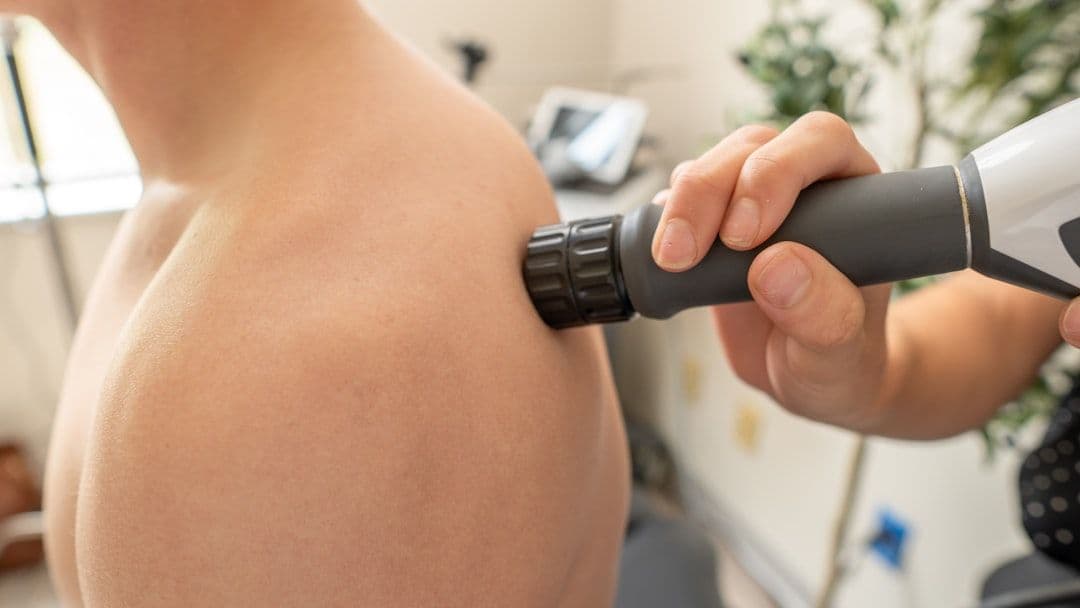
PEMF therapy uses timed electromagnetic pulses to gently stimulate your cells and tissues.
Pulsed Electromagnetic Field (PEMF) Therapy applies electromagnetic pulses to the body to support cellular function and promote healing
At a glance
What it is
PEMF therapy uses timed electromagnetic pulses to gently stimulate your cells and tissues.
Why explore it
It may ease musculoskeletal discomfort and support recovery, all without needles or surgery.
How it’s experienced
You rest on or near a device for 20 to 60 minutes, often feeling warmth, tingling, or nothing.
Evidence context
Bone healing and joint pain show the most promise, but larger studies are still needed.
See the evidence snapshotSafety
Generally low-risk, but avoid if you have a pacemaker, implant, or are pregnant.
See staying safeHistory & Origin
PEMF Therapy utilizes pulsed electromagnetic fields to support health and well-being at the cellular level.
Pulsed Electromagnetic Field Therapy emerged from the scientific discovery that electromagnetic fields influence biological systems at the cellular level. Pioneering research in the mid-20th century explored how electromagnetic stimulation could affect bone healing and cellular regeneration. Notably, NASA scientists studied PEMF effects on astronauts in space, finding that exposure to Earth's natural electromagnetic field was essential for health—a finding that sparked broader clinical interest in therapeutic electromagnetic applications.
The modality gained momentum in the 1970s and 1980s when researchers across Europe and North America began investigating PEMF's effects on various health conditions. Dr. Robert O. Becker, a renowned orthopedic surgeon, conducted influential studies on electromagnetic fields and bone healing, contributing significantly to the field's credibility. As PEMF technology became more accessible and affordable, practitioners began integrating it into complementary health practices, with growing adoption in clinics, wellness centers, and home-use devices throughout the 1990s and 2000s.
Today, PEMF therapy operates at the intersection of biophysics and complementary medicine. While regulatory status varies by country—some devices are cleared as medical devices while others are positioned as wellness tools—the modality continues to attract both clinical research and consumer interest. The underlying principle remains consistent: gentle electromagnetic pulses can support the body's natural bioelectric processes and cellular communication.
Mechanism
Pulsed Electromagnetic Field Therapy (PEMF) is generally framed as a guided process for attention, reflection, learning, and emotional integration. Depending on the method, a practitioner may use conversation, imagery, structured exercises, body awareness, or therapeutic techniques to help the person explore patterns and choices. It should not be presented as a standalone solution or a substitute for urgent care, but it may support self-understanding when practiced within an appropriate scope. PEMF therapy works by generating electromagnetic pulses that penetrate body tissues and are thought to influence cellular function at the mitochondrial level, potentially enhancing ATP (cellular energy) production and ion transport across cell membranes.
Your first visit
A typical session outline to help you feel prepared
A PEMF session is a calm, fully clothed experience where gentle electromagnetic pulses are delivered through a mat or pad to support your body's natural rhythms.
Your practitioner reviews your health history, current concerns, and wellness goals to understand how to tailor the session's frequency and intensity settings for you.
They'll explain how the PEMF device works, what sensations are normal — like mild tingling or warmth — and answer any questions before you get started.
You lie down fully clothed on the PEMF mat or treatment pad, usually on a massage-style table. No disrobing is needed, so wear whatever feels comfortable.
The practitioner selects a specific frequency and intensity level on the PEMF device based on your goals, then positions any additional applicator coils near target areas of your body.
The device activates and delivers gentle, rhythmic electromagnetic pulses through the mat and coils. Most people feel a faint tingling or light warmth, while some feel nothing at all.
You simply rest quietly for 30 to 45 minutes while the pulses cycle. Many people feel deeply relaxed or even drift off; there's nothing you need to do.
The device is powered down and the practitioner checks in with you about how you're feeling before you slowly sit up and reorient at your own pace.
Your practitioner notes your response and recommends a visit frequency going forward. You can return to normal activities immediately — no recovery time is needed.
The Evidence
What the research currently shows about Pulsed Electromagnetic Field Therapy, where evidence is stronger, and where gaps remain.
Promising in some areas, but the evidence base is still developing
PEMF therapy has the strongest research support in bone healing and fracture recovery, with emerging findings in pain and inflammation. Many studies are small or methodologically limited, so conclusions should be held with appropriate caution.
The most robust findings for PEMF come from orthopedic research, particularly fracture healing and bone regeneration. Some institutional medical centres have incorporated PEMF for specific orthopedic applications on this basis. Evidence for pain management and inflammation is emerging but not yet definitive, and high-quality randomised controlled trials across most applications remain limited.
A significant portion of PEMF research involves small sample sizes, inconsistent protocols, or insufficient blinding. Publication bias may mean positive results appear more frequently in the literature than neutral or negative findings. Variability in device parameters — frequency, intensity, and duration — also makes it difficult to compare studies or draw broad conclusions.
As a complementary modality, PEMF is typically used to support recovery or wellbeing alongside standard medical management. It is not a substitute for professional assessment or evidence-based medical care. Users and practitioners are encouraged to integrate PEMF within a broader care plan rather than as a standalone intervention for serious health concerns.
Individuals with pacemakers, defibrillators, insulin pumps, or neurostimulators should not use PEMF, as electromagnetic fields can interfere with device function and pose serious risks. Pregnant women should also avoid PEMF due to insufficient safety data. Anyone with cancer, heart disease, or serious health conditions should consult their healthcare provider before starting.
In clinical settings, PEMF is most commonly encountered in rehabilitation and orthopedic contexts, where it may be used to support bone healing or manage musculoskeletal discomfort. Device parameters are typically adjusted based on the intended application. Outside these settings, PEMF is also used in wellness contexts for recovery, sleep, and general vitality, though evidence in these areas is less established.
PEMF devices range widely in quality and regulatory status. When seeking PEMF therapy, look for practitioners who are transparent about device specifications and safety certifications. Inform any practitioner of all medical devices, implants, and health conditions before beginning. Starting with shorter sessions to assess individual tolerance is a reasonable precaution.
Safety first
General guidance to help you decide whether this approach is appropriate for you. This is informational only and not a substitute for medical, psychological, or professional advice.
If you are pregnant, managing a health condition, recovering from injury or surgery, or taking medication, consult a qualified healthcare professional first.
Some situations call for extra care or a different approach. Share any conditions, injuries, or sensitivities with your practitioner before your first session.
Look for clear boundaries, transparent pricing, and practitioners who avoid fear-based claims or pressure to book frequent sessions.
Mild, short-lived effects such as tenderness, tiredness, or temporary soreness can occur. Rest, hydrate, and tell your practitioner how you respond.
For you?
A simple, human way to weigh it up. This is general guidance, not personal medical advice — a qualified practitioner can advise on your situation.
Gyfts is a discovery platform, not a medical provider. Nothing here diagnoses, treats or replaces professional care. In an emergency, contact your local emergency number.
Explore approaches
Other practices people often explore alongside pulsed electromagnetic field therapy (pemf).
In their words
FAQ
Most people report either no sensation or a very gentle tingling or warmth during treatment. The therapy is non-invasive and pain-free. Some feel deeply relaxed, while others notice no immediate sensation but may observe benefits over time.
This varies significantly by individual and condition. Some notice improvements within 1-3 sessions, while others require 8-12 sessions or more to experience benefits. Acute conditions may respond faster than chronic issues. Your practitioner will typically reassess progress every 4-6 weeks.
PEMF therapy is generally considered safe when delivered by qualified practitioners using properly calibrated equipment. However, it is contraindicated for people with pacemakers or other implanted electronic devices. Always inform your practitioner of your complete medical history.
Yes, many people use PEMF as a complementary approach alongside conventional care. However, always inform both your medical doctor and PEMF practitioner about all treatments you're receiving to ensure there are no interactions.
Effects vary widely. Some people maintain benefits from periodic maintenance sessions, while others require regular ongoing treatment. The duration of benefits often depends on your condition, consistency of treatment, and overall health practices.
Yes. Practitioners use various PEMF systems with different frequencies, intensities, and treatment applicators. Some devices are whole-body systems (mats or beds), while others are localized applicators. Home-use devices are also available, though professional-grade equipment typically delivers stronger, more precisely calibrated fields.
References
Educational sources that inform this overview. Inclusion is for context and does not imply endorsement.
Full citations are maintained by the Gyfts editorial team and reviewed periodically.
Keep exploring
Browse practitioners, explore honest overviews, and take what you learn to a conversation — at your own pace.