What it is
Quantum healing blends energy medicine and mind-body concepts to support balance and wellness.
Quantum Healing is a complementary approach that applies quantum physics concepts alongside energy medicine techniques to support overall...

At a glance
What it is
Quantum healing blends energy medicine and mind-body concepts to support balance and wellness.
Why explore it
It may ease stress and foster emotional harmony for those drawn to mind-body exploration.
How it’s experienced
Sessions use breathwork, visualization, and guided intention to explore inner balance and emotional patterns.
Evidence context
Clinical evidence is limited, so approach health claims with care and loop in your provider.
See the evidence snapshotSafety
Generally low-risk, but always treat it as a complement to medical care, not a replacement.
See staying safeHistory & Origin
Quantum Healing is an approach that integrates quantum principles and energy medicine for healing and well-being.
Quantum Healing emerged in the 1980s as a conceptual bridge between quantum physics and holistic healing practices. The term gained prominence through practitioners and authors who sought to explain energy-based healing modalities using contemporary physics language, particularly drawing on interpretations of quantum mechanics that emphasize observer effects and interconnectedness. While rooted in traditional energy medicine practices found across many cultures—including Ayurveda, Traditional Chinese Medicine, and indigenous healing systems—Quantum Healing as a named discipline developed primarily in Western complementary health contexts.
Key figures in popularizing Quantum Healing include practitioners who combined background in both conventional science and alternative medicine. The modality drew inspiration from quantum mechanics concepts such as entanglement, superposition, and the role of observation in determining outcomes, applying these metaphorically to biological systems and consciousness. This approach appealed to individuals seeking explanations for how intention, belief, and energy might influence health outcomes.
Quantum Healing spread through workshops, books, and training programs in the 1990s and 2000s, particularly within New Age and holistic health communities. It gained traction among complementary practitioners seeking frameworks that honored both scientific language and energetic principles. Today it exists as one of many energy-based modalities offered within complementary and integrative health settings, often combined with meditation, breathwork, or other wellness practices.
Mechanism
Quantum Healing is best framed as a traditional, symbolic, energetic, reflective, or spiritual practice rather than a validated medical mechanism. Practitioners may use ritual, attention, sound, imagery, touch-free work, cards, symbols, prayer, or intention to support meaning-making and a sense of connection. People may explore it for reflection, calm, or spiritual context, while health claims should remain cautious and personal. Practitioners using Quantum Healing typically combine visualization, intention-setting, and energy-focused techniques, operating on the premise that consciousness and quantum principles influence cellular function and healing responses.
Your first visit
A typical session outline to help you feel prepared
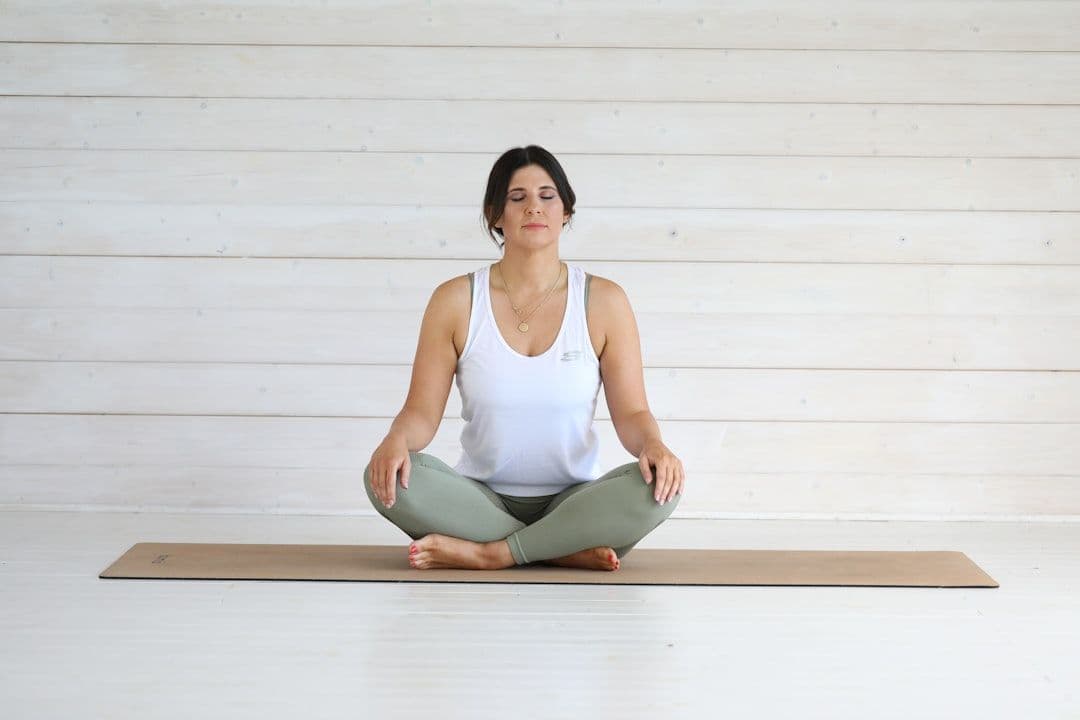
A Quantum Healing session blends energy work, visualization, and breathwork to help you access your body's innate intelligence and invite deep relaxation and balance.
Your practitioner begins with a relaxed chat about your intentions, stress levels, and what you're hoping to experience, helping them tailor the session specifically to you.
Together you'll clarify a focused intention for the session, such as releasing tension, gaining clarity, or inviting emotional balance, which acts as a guiding thread throughout.
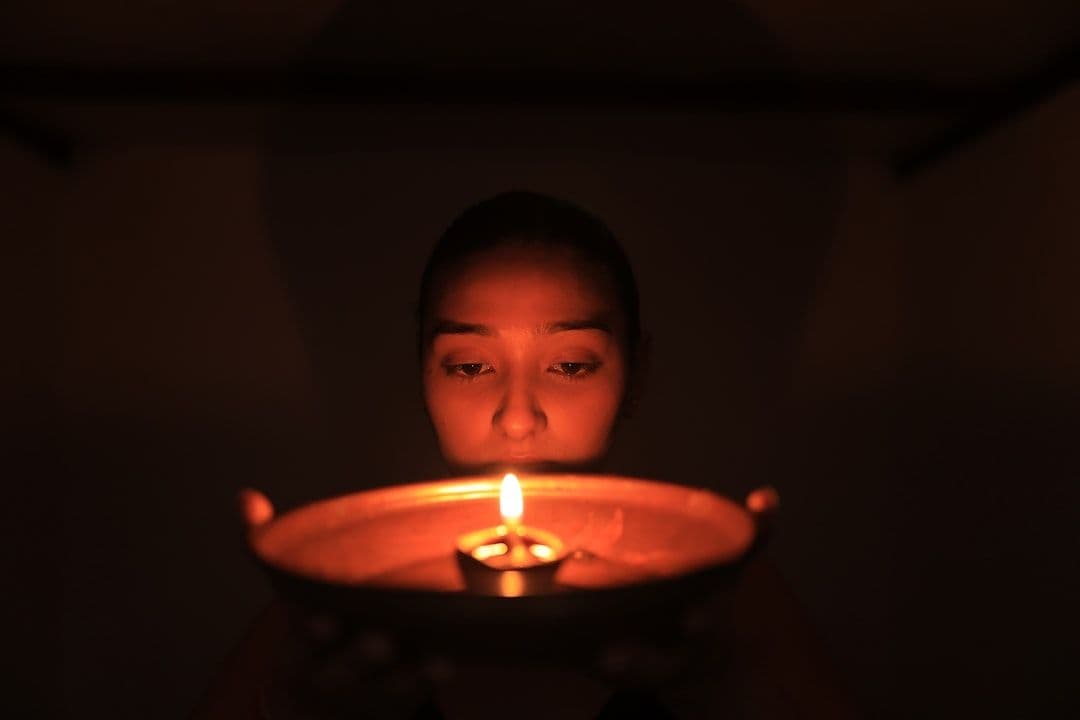
You'll settle into a comfortable position, fully clothed, on a massage table or chair. The room is usually dimmed and quiet, sometimes with soft music to support deep relaxation.
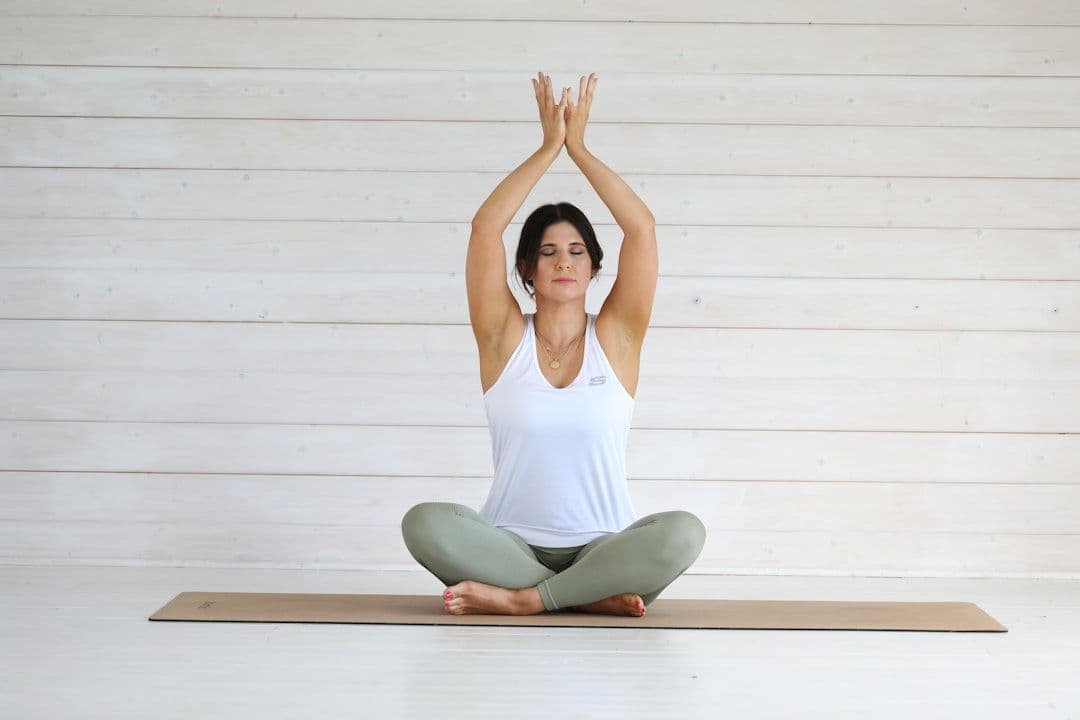
Your practitioner guides you through slow, conscious breathing exercises to quiet your mind and bring your awareness inward, creating an open, receptive state for the energy work ahead.
Using gentle hovering hands or light touch, your practitioner scans your energy field to sense areas of tension, density, or imbalance that may need attention during the session.
The practitioner works with your energy field through focused intention, light touch, or visualization techniques, inviting stagnant or blocked energy to shift. You may feel warmth, tingling, or waves of calm.
You may be led through a visualization journey, perhaps imagining healing light or a peaceful landscape, which helps your subconscious mind participate actively in the session.
As the session gently winds down, your practitioner brings your awareness back to the room. You'll have time to rest quietly before sharing any experiences, insights, or feelings that arose.
The Evidence
What research and tradition say about Quantum Healing, and how to engage with it thoughtfully.
Rooted in tradition, not yet in clinical research
Quantum Healing sits within complementary and metaphysical wellness frameworks rather than conventional medical research. Some components, such as relaxation and mindfulness, have broader support, but the modality as a whole lacks rigorous clinical validation.
Quantum Healing draws on concepts from quantum physics and energy medicine to frame healing as a consciousness-influenced process. These ideas are metaphysical in nature and are not validated by conventional biomedical science. Engaging with this modality is best approached as an exploratory wellness practice rather than a medical intervention.
Practices often embedded in Quantum Healing sessions, such as guided visualization, breathwork, and meditation, have measurable support for stress reduction, sleep, and anxiety. However, the specific claim that quantum physics principles directly shape biological healing through consciousness lacks direct empirical support in peer-reviewed literature.
The modality developed in Western complementary health contexts, drawing on energy medicine traditions from Ayurveda, Traditional Chinese Medicine, and indigenous healing systems. It reframed these older frameworks using quantum mechanics language, particularly concepts like entanglement and observer effects, applied metaphorically to human biology and well-being.
No rigorous clinical trials specifically evaluate Quantum Healing as a distinct modality. The quantum physics concepts used are often applied metaphorically rather than literally. Be cautious of practitioners making inflated outcome claims or suggesting this practice can substitute for professional assessment of health concerns.
Quantum Healing carries low physical risk when used as a complementary wellness practice. Individuals with conditions affecting reality testing should consult a mental health provider before engaging. It is not a substitute for professional assessment of acute, undiagnosed, or serious health concerns, and should always complement rather than replace necessary care.
There is no universally regulated certification for Quantum Healing. Ask practitioners about their training background, experience, and approach. A trustworthy practitioner will be transparent about what the practice can and cannot offer, will not make inflated outcome claims, and will encourage you to maintain your existing healthcare relationships.
Safety first
General guidance to help you decide whether this approach is appropriate for you. This is informational only and not a substitute for medical, psychological, or professional advice.
If you are experiencing severe distress, suicidal thoughts, psychosis, acute trauma, or another serious mental health concern, seek qualified support first.
This approach is not suitable for diagnosis, treatment instructions, or decisions that require medical, legal, financial, or professional advice.
Look for clear boundaries, transparent pricing, and practitioners who avoid fear-based claims or pressure to book frequent sessions.
Treat any insight as one reflective perspective, not absolute truth. Important decisions should be considered with appropriate professional support.
For you?
A simple, human way to weigh it up. This is general guidance, not personal medical advice — a qualified practitioner can advise on your situation.
Gyfts is a discovery platform, not a medical provider. Nothing here diagnoses, treats or replaces professional care. In an emergency, contact your local emergency number.
Explore approaches
Other practices people often explore alongside quantum healing.
In their words
FAQ
Sessions typically involve you lying comfortably while the practitioner uses techniques such as guided visualization, meditation, breathing exercises, hand placements, and intention-setting to support energy balance and relaxation. The exact techniques vary by practitioner but aim to create a peaceful, restorative experience. Most people report feeling deeply relaxed during and after sessions.
This varies widely based on individual goals and response. Some people benefit from occasional sessions (monthly or as-needed), while others pursue weekly sessions as part of an ongoing wellness practice. Your practitioner can discuss frequency recommendations, but ultimately it's your choice based on your goals, budget, and how you respond to treatment.
Quantum Healing uses quantum physics concepts and language metaphorically to explain energy work and mind-body connections. While it draws inspiration from quantum mechanics principles, the modality is not based on direct applications of quantum physics to biology. It's better understood as a wellness philosophy that uses quantum terminology rather than rigorous physics.
No. Quantum Healing is a complementary practice and should not replace necessary medical diagnosis, treatment, or medication. If you have a medical condition, continue working with your healthcare provider. You can use Quantum Healing alongside conventional care to support overall wellness.
Quantum Healing lacks rigorous clinical research demonstrating specific medical benefits. It exists within the broader category of energy medicine modalities, which have limited evidence in conventional medical literature. However, the relaxation and stress-reduction aspects may offer wellness benefits similar to meditation or other calming practices. Results are highly individual.
Quantum Healing is generally considered a low-risk relaxation practice with no known serious adverse effects when practiced by trained practitioners. However, ensure your practitioner doesn't make unrealistic medical claims or encourage you to avoid necessary medical care. Anyone with mental health concerns should consult their provider first.
Look for practitioners with formal training in Quantum Healing or related energy modalities through recognized schools or certification programs. Ask about their background, training hours, and experience. Check if they maintain professional liability insurance. Be wary of anyone making guarantees about curing disease or requiring expensive long-term contracts.
Many people feel deeply relaxed, peaceful, calm, or energized after a session. Some experience emotional releases or feel drowsy. Others notice no immediate sensation but report subtle shifts in stress or well-being over time. Experiences vary widely—some people feel significant effects, while others notice minimal changes. This doesn't invalidate the experience.
References
Educational sources that inform this overview. Inclusion is for context and does not imply endorsement.
Full citations are maintained by the Gyfts editorial team and reviewed periodically.
Keep exploring
Browse practitioners, explore honest overviews, and take what you learn to a conversation — at your own pace.