What it is
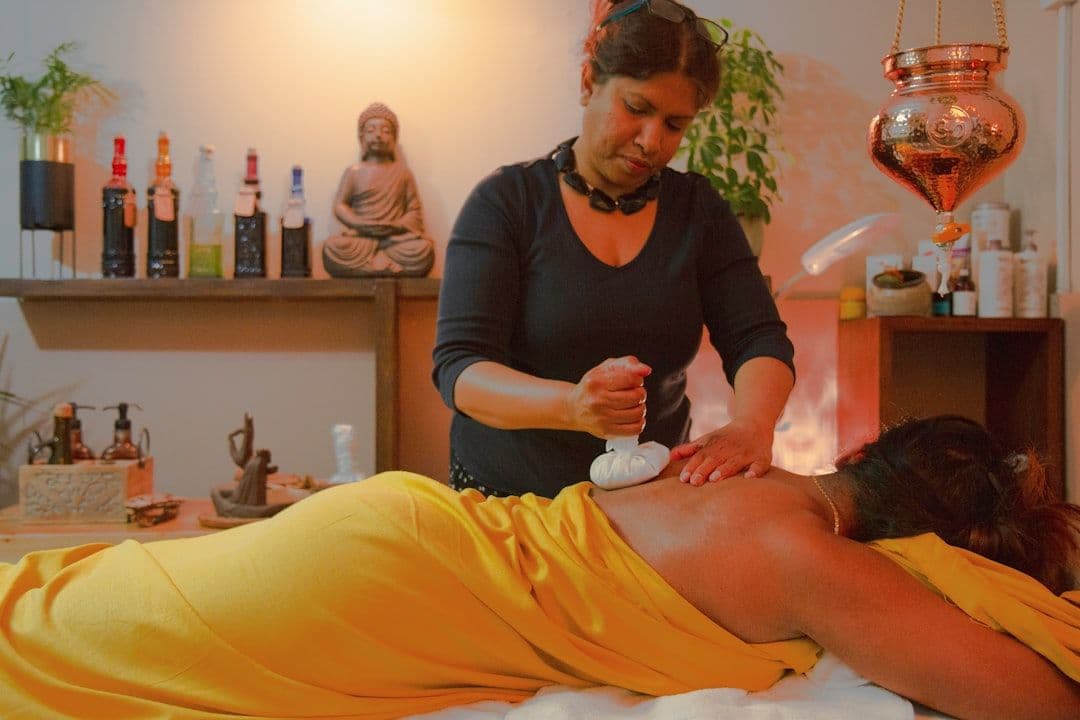
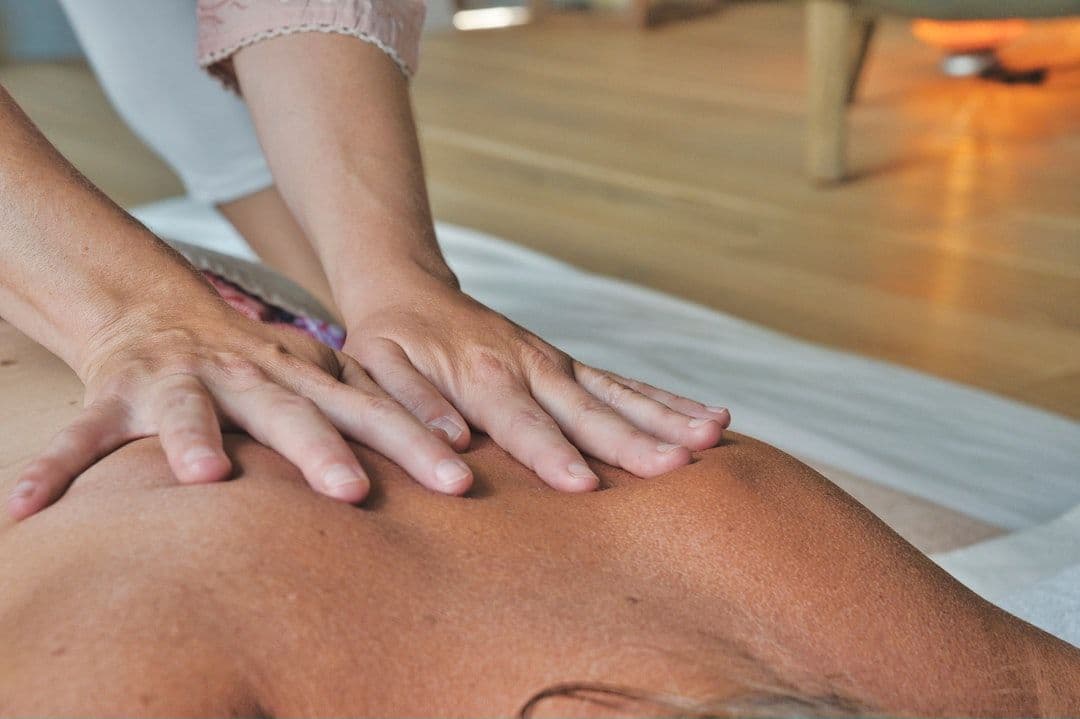
Reiki Massage blends therapeutic massage with Japanese energy-work for body and mind.
Reiki Massage combines hands-on therapeutic massage with the energy-work principles of Reiki, aiming to promote relaxation, reduce tensio...
At a glance
What it is
Reiki Massage blends therapeutic massage with Japanese energy-work for body and mind.
Why explore it
People turn to it for stress relief, better sleep, and a calming whole-person reset.
How it’s experienced
Expect massage strokes plus gentle held touch, often bringing warmth and deep relaxation.
Evidence context
Massage has solid research support; the Reiki element draws more on tradition than clinical trials.
See the evidence snapshotSafety
Generally low-risk, but check with your doctor if you have injuries, infections, or recent surgery.
See staying safeHistory & Origin
Reiki Massage combines therapeutic massage techniques with the healing energy of Reiki for relaxation and well-being.
Reiki was developed in early 20th-century Japan by Mikao Usui, a Buddhist monk and teacher who sought a method of spiritual healing and personal development. According to tradition, Usui experienced a spiritual awakening during a meditation retreat on Mount Kurama, after which he began teaching Reiki as a hands-on healing practice based on channeling universal life energy, known as 'ki' or 'chi'.
Reiki spread throughout Japan and eventually to the West, largely through the efforts of Hawayo Takata, a Hawaiian-born woman of Japanese descent who learned Reiki in Japan in the 1930s and brought the practice to North America. Takata established Reiki training systems and certifications that standardized the practice, creating the foundation for modern Reiki as it is taught today.
Reiki Massage emerged as practitioners began integrating Reiki's energy-work principles with traditional therapeutic massage techniques. This hybrid approach developed to offer clients both the physical benefits of massage—improved circulation, muscle relaxation, and pain relief—and the proposed energetic benefits of Reiki. The practice grew throughout the late 20th century as complementary health modalities gained wider acceptance in wellness centers and spas.
Today, Reiki Massage is offered in diverse settings including massage clinics, wellness centers, spas, and private practices. While it remains rooted in traditional Reiki philosophy, the integration with massage reflects modern practitioners' effort to address clients' physical and energetic needs holistically.
Mechanism
Reiki Massage is generally described as working through skilled touch, careful pacing, and the body's response to pressure, movement, warmth, or stillness. Practitioners may focus on muscle tone, joint comfort, circulation, breath, or relaxation depending on the method. Traditional explanations may also include energy flow or whole-person balance. Research support varies by modality, so the experience is best framed as supportive care with outcomes that vary. A practitioner uses hands-on massage techniques combined with channeled energy work, typically applying gentle pressure to muscles and soft tissues while simultaneously directing intention or "life force energy" according to Reiki principles.
Your first visit
A typical session outline to help you feel prepared
A Reiki Massage session weaves hands-on massage with gentle energy work, easing physical tension while supporting your body's natural sense of balance and calm.
Your practitioner greets you and spends a few minutes reviewing your health history, any areas of tension or discomfort, and what you're hoping to experience. This helps them customize the blend of ma
You'll be guided into a softly lit, quiet room often with calming music and aromatherapy. The practitioner briefly explains what to expect, inviting you to voice any preferences around touch, pressure, or areas to avoid.
You'll undress to your comfort level and lie on a padded massage table, covered by a draping sheet at all times. Loose, comfortable clothing works fine if you prefer to stay fully dressed, since Reiki
Before touching you, the practitioner takes a moment to center themselves and set an intention for your session. You may notice a brief pause of stillness before the session begins, which is a normal
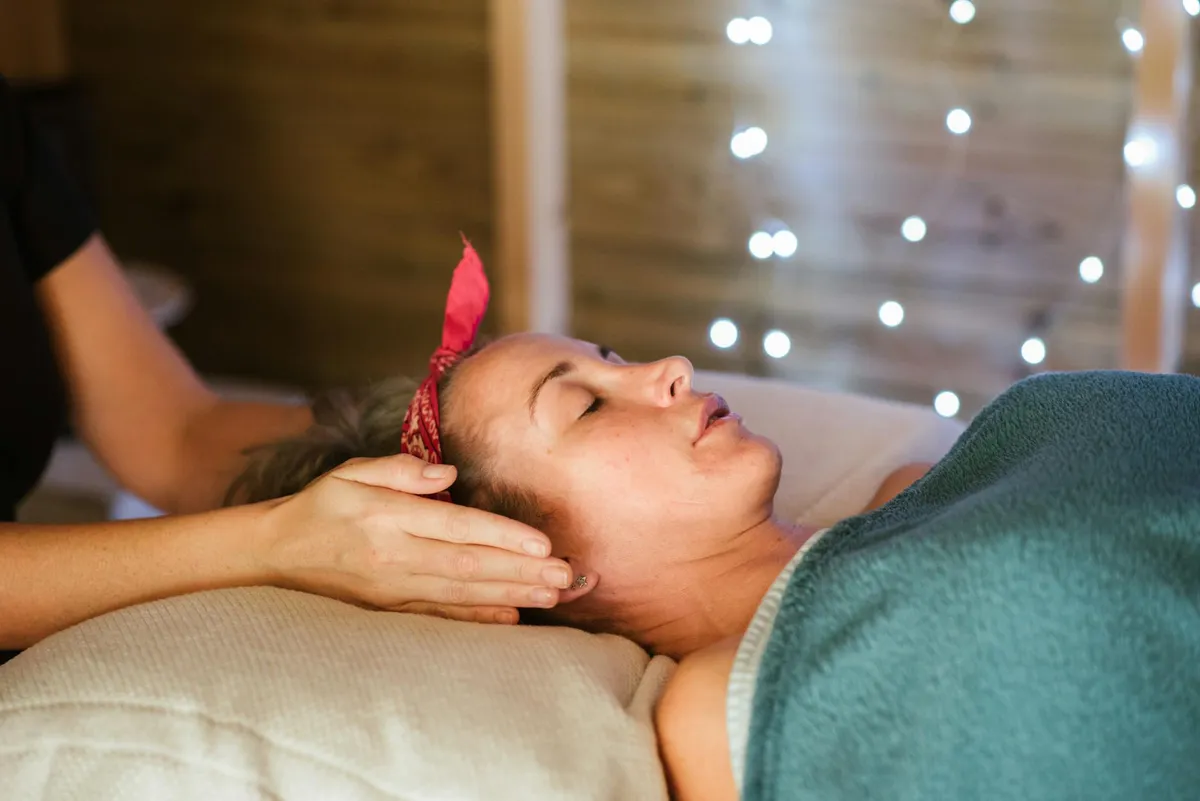
The practitioner gently hovers their hands a few inches above your body to sense areas where your energy may feel congested or low. You might notice warmth, tingling, or a subtle shifting sensation ev
The core of your session combines traditional massage strokes to release muscle tension with Reiki hand placements held gently on or just above key areas of the body. Your practitioner moves fluidly b
Toward the end, the practitioner slows their touch, using lighter strokes and final Reiki holds to help integrate the session. You may feel deeply drowsy, emotionally soft, or pleasantly spacey — all
Once the session closes, your practitioner gives you a moment to slowly return before sharing simple aftercare tips, such as drinking water, resting if needed, and noticing how you feel over the next day or two.
The Evidence
What research and tradition tell us about combining therapeutic massage with Reiki energy work.
Massage has moderate support; Reiki's specific effects remain unclear
Standalone therapeutic massage is reasonably well-studied for relaxation and muscle tension relief. As a combined modality, Reiki Massage sits at a traditional-use evidence tier; the Reiki component draws on energy principles that current research has not been able to validate mechanistically.
Therapeutic massage has moderate research support for relaxation, reduced muscle tension, and temporary pain relief. Reiki's effects have been explored in small studies showing modest benefits for stress and anxiety, but most suffer from small samples, lack of blinding, and difficulty isolating Reiki from general relaxation effects. No validated mechanism for energy channeling has been established.
Mikao Usui developed Reiki in Japan as a hands-on healing and spiritual development practice based on channeling universal life energy, or 'ki'. Hawayo Takata brought it to North America in the 1930s, where it was later blended with therapeutic massage techniques to create the hybrid practice known as Reiki Massage.
In a Reiki Massage session, practitioners typically weave Reiki hand positions — held at or near the body to work with ki flow — into the rhythm of massage strokes, rather than offering the two approaches sequentially. This integration aims to address physical muscle tension and perceived energetic disruption at the same time. Practitioners and seekers often report a sense of deep relaxation and emotional ease, experiences that remain meaningful even where the underlying mechanisms are scientifically unresolved.
Most Reiki studies cannot blind participants, making it hard to rule out placebo or attention effects. The proposed mechanism of detecting and directing 'ki' energy has not been validated by independent scientific methods. This does not mean the practice has no value, but it does mean inflated outcome claims should be viewed with caution.
People with acute injuries, fractures, active infections, uncontrolled blood pressure, thrombosis, bleeding disorders, or recent surgery should consult a healthcare provider before scheduling a session. Pregnancy requires a practitioner trained in prenatal massage. Always inform your practitioner of relevant health conditions before the session begins.
Look for someone with recognised massage therapy qualifications alongside Reiki training, ideally at Level II or above. Ask about their experience, training lineage, and how they adapt sessions for health conditions. A good practitioner will not make inflated outcome claims and will encourage you to maintain contact with your regular healthcare providers.
Safety first
General guidance to help you decide whether this approach is appropriate for you. This is informational only and not a substitute for medical, psychological, or professional advice.
If you are experiencing severe distress, suicidal thoughts, psychosis, acute trauma, or another serious mental health concern, seek qualified support first.
This approach is not suitable for diagnosis, treatment instructions, or decisions that require medical, legal, financial, or professional advice.
Look for clear boundaries, transparent pricing, and practitioners who avoid fear-based claims or pressure to book frequent sessions.
Treat any insight as one reflective perspective, not absolute truth. Important decisions should be considered with appropriate professional support.
For you?
A simple, human way to weigh it up. This is general guidance, not personal medical advice — a qualified practitioner can advise on your situation.
Gyfts is a discovery platform, not a medical provider. Nothing here diagnoses, treats or replaces professional care. In an emergency, contact your local emergency number.
Explore approaches
Other practices people often explore alongside reiki massage.
In their words
FAQ
A typical session lasts 60 to 90 minutes and begins with a consultation. You then lie on a massage table in a calm environment while the practitioner applies therapeutic massage techniques to address muscle tension and pain. Simultaneously, the practitioner channels Reiki energy, often placing hands on or above specific body areas to support energetic balance. Most clients report deep relaxation; some feel warmth or tingling. The session ends with time to rest before gradually returning to normal activity.
The number of sessions varies based on your goals and individual response. Some people benefit from weekly sessions initially for acute stress or pain, then transition to monthly maintenance. Others prefer occasional sessions for general wellness. Your practitioner will recommend a schedule during your consultation and adjust it based on your progress. Many people notice shifts after one or two sessions, though cumulative benefits often develop over several sessions.
Reiki Massage should not cause pain. The massage pressure is typically adjusted to your comfort level—you can request lighter or deeper work at any time. Some clients experience mild sensitivity in very tense areas as muscles relax, but this should be communicated to your practitioner so pressure can be modified. The Reiki component is gentle and non-invasive.
Yes, generally you can receive Reiki Massage while taking medications. However, inform your practitioner of all medications and supplements, as some may affect how your body responds to the session. Always consult your physician if you have concerns about interactions, particularly with medications for pain, blood pressure, or neurological conditions.
After your session, rest and drink water. Avoid strenuous activity for a few hours. Some people feel deeply relaxed or drowsy—this is normal. You may notice physical or emotional shifts over the following days. Some clients experience a temporary 'healing response' such as mild fatigue or emotional release. If you have concerns about any reactions, contact your practitioner.
Regular therapeutic massage focuses on physical techniques to release muscle tension and improve circulation. Reiki Massage incorporates those techniques but also integrates energy-work principles, with the practitioner intentionally channeling Reiki energy alongside the physical work. This aims to address both physical and energetic aspects of well-being, though the subjective experience and benefits vary among individuals.
Research on Reiki Massage is still emerging. Some studies suggest massage therapy benefits relaxation and pain management; other studies on Reiki specifically have mixed or limited results. Much of Reiki's theoretical basis—energy work and life force—has not been demonstrated by conventional scientific methods. Many people report positive experiences, but individual outcomes vary. Reiki Massage should not replace medical treatment for diagnosed conditions.
Some people report that Reiki Massage helps reduce pain perception and promotes relaxation, which may support pain management. However, evidence is limited and individual responses vary widely. If you have chronic pain, consult your healthcare provider to develop a comprehensive treatment plan. Reiki Massage may be a supportive complement to medical care, not a substitute for it.
References
Educational sources that inform this overview. Inclusion is for context and does not imply endorsement.
Full citations are maintained by the Gyfts editorial team and reviewed periodically.
Keep exploring
Browse practitioners, explore honest overviews, and take what you learn to a conversation — at your own pace.