What it is
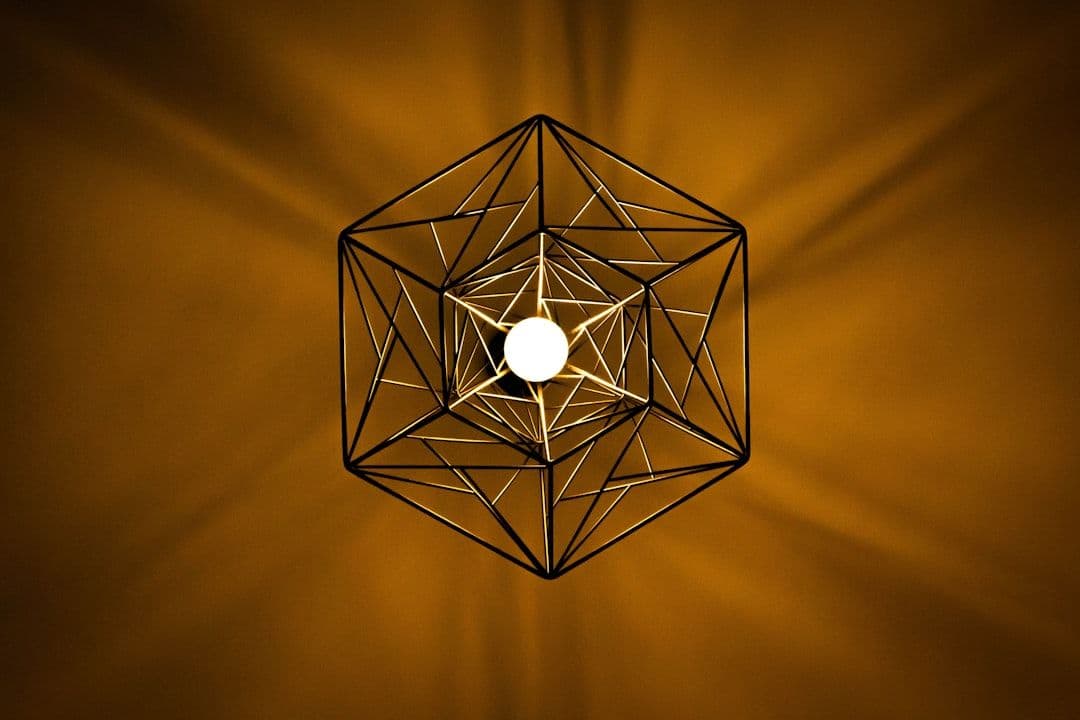
Sacred Geometry finds spiritual meaning in mathematical patterns woven through nature and ancient design.
Sacred Geometry is the study of geometric shapes, patterns, and mathematical ratios found in nature, ancient structures, and the cosmos, ...
At a glance
What it is
Sacred Geometry finds spiritual meaning in mathematical patterns woven through nature and ancient design.
Why explore it
Focusing on geometric patterns may deepen contemplation, spark creativity, and offer a fresh lens for meaning.
How it’s experienced
Explore it through mandala meditation, nature study, geometric art, or bringing patterns into your living space.
Evidence context
The math is sound, but transformative claims draw from tradition and personal experience, not clinical research.
See the evidence snapshotSafety
Generally low-risk, though those with epilepsy or dissociative conditions should check with a provider first.
See staying safeHistory & Origin
Sacred Geometry involves the study and use of geometric shapes and patterns that hold symbolic and spiritual significance. Found in the design of ancient temples, art, and nature, these patterns are believed to represent the foundational structures of the universe, offering insights into the interconnectedness of all things.
Sacred Geometry has roots stretching back to ancient civilizations across multiple cultures. The Egyptians incorporated geometric principles into the design of the pyramids and temples, while ancient Greeks like Pythagoras and Plato explored the mathematical harmonies underlying creation. The Platonic solids—five geometric forms considered fundamental to the structure of matter—became central to this tradition. Leonardo da Vinci's work on the "Golden Ratio" and the Vitruvian Man during the Renaissance further popularized the idea that divine proportion governs both art and nature.
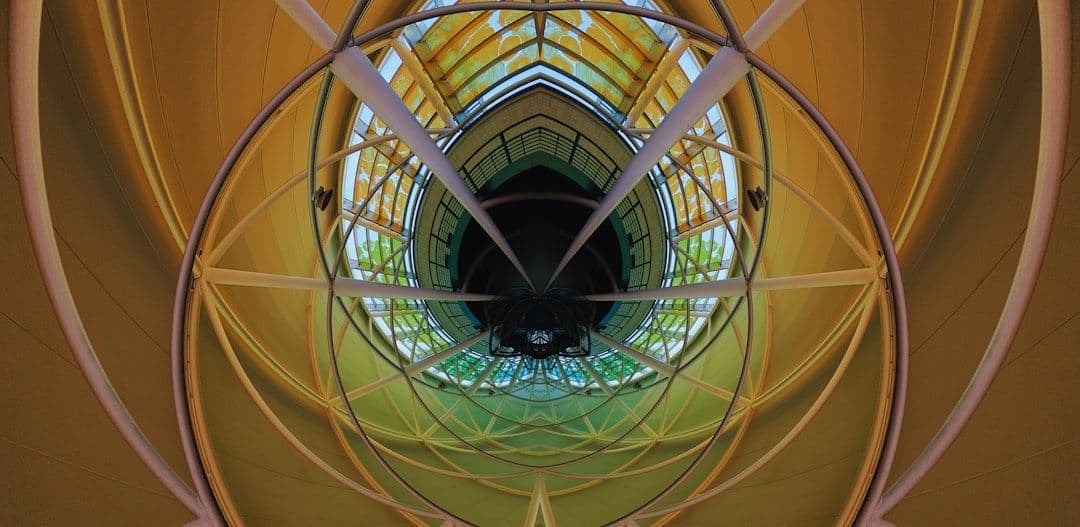
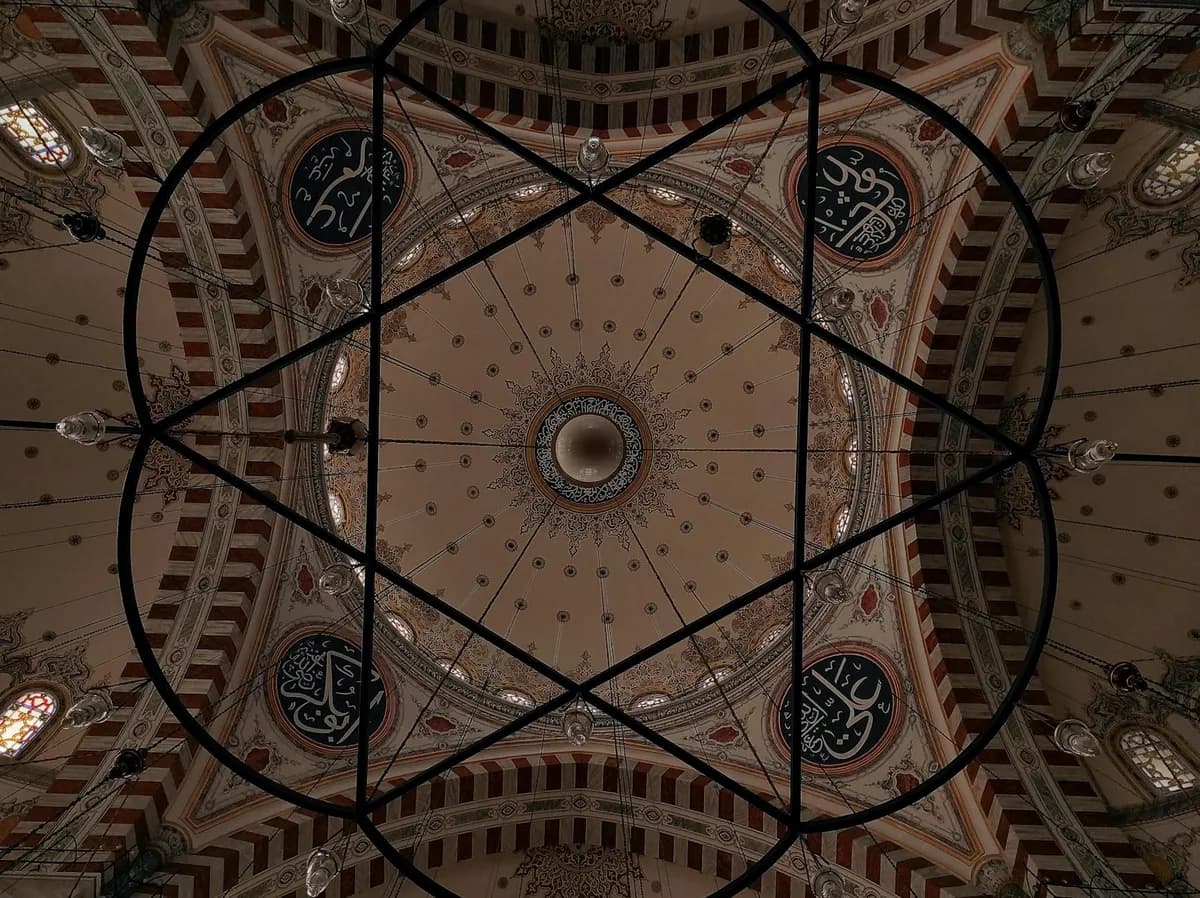
Across cultures, sacred geometry appears in Islamic tessellations, Hindu mandalas, Christian cathedral architecture, and indigenous spiritual practices. Medieval masons encoded geometric principles into Gothic cathedrals, while alchemists used geometric symbols to represent spiritual transformation. The discipline experienced a revival in the 19th and 20th centuries through the work of Rudolf Steiner, who integrated sacred geometry into anthroposophy, and later through the New Age movement.
Today, sacred geometry is studied by architects, artists, healers, and spiritual practitioners who believe these patterns reflect universal laws. It has spread globally through books, workshops, and online communities, attracting those interested in the intersection of mathematics, spirituality, and nature. While the scientific understanding of geometry is well-established, the metaphysical interpretations remain rooted in traditional and esoteric knowledge rather than empirical research.
Mechanism
Sacred Geometry is best framed as a traditional, symbolic, energetic, reflective, or spiritual practice rather than a validated medical mechanism. Practitioners may use ritual, attention, sound, imagery, touch-free work, cards, symbols, prayer, or intention to support meaning-making and a sense of connection. People may explore it for reflection, calm, or spiritual context, while health claims should remain cautious and personal. Sacred Geometry is the ancient art that explores the mathematical patterns and geometric symbols inherent in the natural world and human-made structures.
Your first visit
A typical session outline to help you feel prepared
A sacred geometry session guides you through intentional engagement with symbolic patterns and forms to support inner clarity, energetic balance, and spiritual connection.
Your practitioner greets you and invites you to share what drew you to sacred geometry and any intentions you're holding, whether that's clarity, calm, or spiritual exploration.
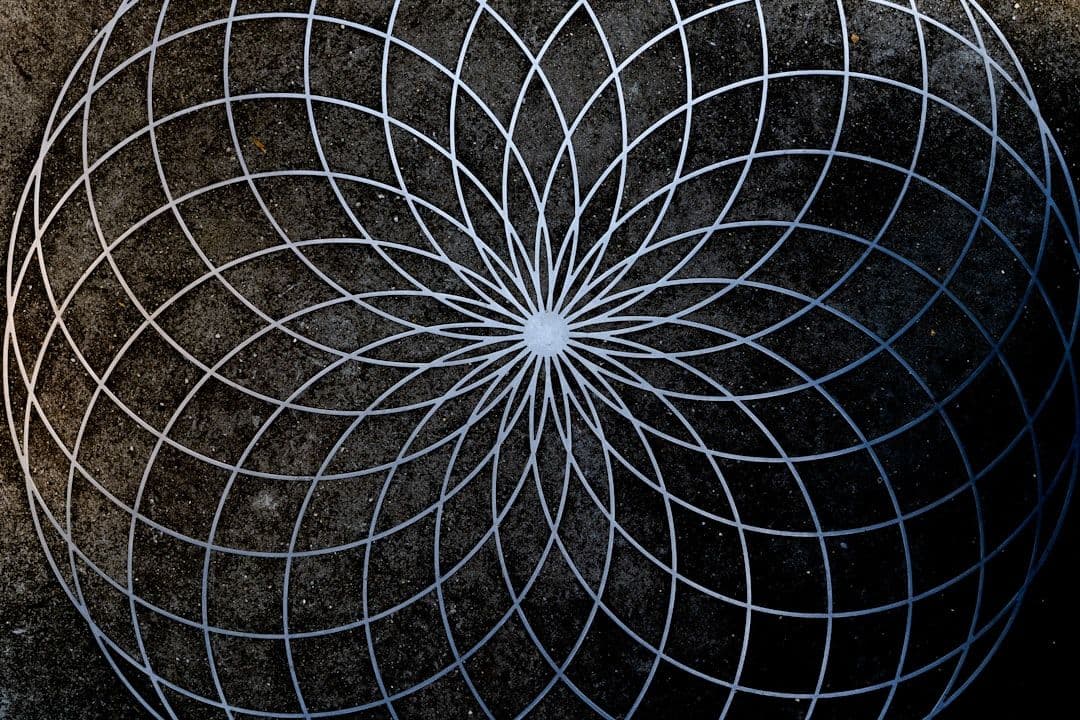
The practitioner briefly introduces the geometric patterns you'll be working with, such as the Flower of Life, Metatron's Cube, or the Sri Yantra, explaining the symbolic meaning behind each.
The room is arranged with printed or drawn geometric images, crystals, or sacred objects placed intentionally. Soft lighting and gentle music help create a focused, meditative atmosphere.
You'll be guided through a short breathing or visualization exercise to settle your awareness inward and prepare your mind and body to engage with the geometric work ahead.
The core of the session involves gazing at or visualizing a chosen geometric form while the practitioner guides your attention through its layers, inviting insights, feelings, or imagery to arise naturally.
The practitioner may guide you to trace patterns mentally, work with the geometry in your energy field, or hold focus on specific forms believed to correspond with areas of your life or body.
After the active portion, you rest quietly for a few minutes before sharing any impressions, emotions, or imagery that surfaced during the session with your practitioner.
You'll likely leave with a geometric image, a simple home practice like daily contemplation of a mandala, or guidance on continuing to work with the patterns between sessions.
The Evidence
What the evidence says about Sacred Geometry — separating the mathematics from the metaphysical claims.
Mathematically real; spiritual claims are not empirically verified
The geometric patterns in Sacred Geometry are mathematically sound and observable in nature and architecture. The metaphysical significance attributed to them is a matter of tradition, belief, and personal meaning — not established by empirical research.
Sacred Geometry is a metaphysical and contemplative tradition. Its value lies in symbolic meaning, aesthetic experience, and spiritual exploration. These are not areas where clinical evidence applies, and it would be misleading to evaluate this practice solely through a biomedical lens.
Mathematical principles like the Golden Ratio and Platonic solids are rigorously documented in nature, art, and architecture. However, claims that geometric forms carry healing energy or alter consciousness lack robust empirical support. Small studies on symmetry and aesthetics suggest modest mood effects, but these do not validate the broader metaphysical framework.
From the proportions of Egyptian temples to Islamic tessellations and Gothic cathedral design, geometric symbolism has been a consistent thread in human spiritual expression. This cross-cultural presence reflects its enduring significance as a contemplative and artistic tradition, even where metaphysical interpretations differ.
Engaging with Sacred Geometry as a meditative or reflective practice may support stillness, focus, and a felt sense of order. These are subjective experiences that can hold genuine personal value. Whether one attributes this to spiritual geometry or simply to the calming effect of focused attention is a matter of individual perspective.
Sacred Geometry should not be positioned as a primary response to mental health conditions, physical illness, or psychological distress. It is not a substitute for professional assessment. Inflated outcome claims — particularly around healing or energy balancing — go beyond what evidence supports and should be approached with discernment.
Viewing geometric patterns or using them in meditation is low-risk for most people. Those with photosensitive epilepsy, visual sensitivities, or severe dissociative conditions should discuss visualization practices with a healthcare provider. Anyone experiencing significant mental health symptoms should seek qualified professional support alongside any complementary practice.
Safety first
General guidance to help you decide whether this approach is appropriate for you. This is informational only and not a substitute for medical, psychological, or professional advice.
If you are experiencing severe distress, suicidal thoughts, psychosis, acute trauma, or another serious mental health concern, seek qualified support first.
This approach is not suitable for diagnosis, treatment instructions, or decisions that require medical, legal, financial, or professional advice.
Look for clear boundaries, transparent pricing, and practitioners who avoid fear-based claims or pressure to book frequent sessions.
Treat any insight as one reflective perspective, not absolute truth. Important decisions should be considered with appropriate professional support.
For you?
A simple, human way to weigh it up. This is general guidance, not personal medical advice — a qualified practitioner can advise on your situation.
Gyfts is a discovery platform, not a medical provider. Nothing here diagnoses, treats or replaces professional care. In an emergency, contact your local emergency number.
Explore approaches
Other practices people often explore alongside sacred geometry.
In their words
FAQ
A session typically involves consultation about your intentions, followed by guided meditation or visualization focused on specific geometric patterns. You may sit quietly while gazing upon a geometric form, visualize patterns internally, receive guidance on how geometric principles relate to your life, or engage in creative work with geometric designs. Sessions are generally peaceful and non-invasive, lasting 30 minutes to an hour.
This varies greatly depending on your goals and openness to the practice. Some people report feeling calm or inspired after a single session, while others prefer ongoing engagement to deepen their connection. There is no standard protocol; some practitioners recommend weekly sessions for several months, while others suggest occasional visits. The best approach is to discuss expectations with your practitioner and check in regularly about your experience.
Sacred Geometry combines well-established mathematical and geometric principles with spiritual and metaphysical interpretations. The geometry itself is scientifically sound—the Golden Ratio, fractals, and geometric patterns do appear throughout nature. However, the claimed spiritual and healing benefits lack robust scientific evidence. Sacred Geometry is best understood as a traditional and esoteric practice rather than a scientifically validated therapy.
Yes, many people engage with sacred geometry independently through meditation, studying geometric patterns, creating mandalas, or observing geometry in nature. Books, online resources, and apps provide guidance for self-directed practice. Working with a practitioner can deepen the experience and provide personalized guidance, but self-practice is valid and accessible.
Sacred Geometry focuses specifically on geometric shapes, patterns, and mathematical ratios as the primary vehicle for spiritual insight and healing. While it may be integrated with other practices like meditation, energy work, or art therapy, its unique emphasis is on the symbolic and spiritual significance of geometric forms and their appearance in nature and ancient structures.
Some people find that contemplative practices involving sacred geometry help them feel calmer and more centered, which may support overall wellbeing. However, sacred geometry should not be used as a replacement for professional treatment of anxiety or depression. If you are struggling with these conditions, consult a mental health professional. Sacred Geometry can complement—but not substitute for—evidence-based care.
Sacred Geometry is generally considered safe for most people. However, intense visualization practices may occasionally cause disorientation in sensitive individuals. Those with a history of dissociation, psychosis, or delusions should consult a mental health professional before engaging in deep geometric meditation. Additionally, be cautious about spending excessive money on related products or services.
References
Educational sources that inform this overview. Inclusion is for context and does not imply endorsement.
Full citations are maintained by the Gyfts editorial team and reviewed periodically.
Keep exploring
Browse practitioners, explore honest overviews, and take what you learn to a conversation — at your own pace.