What it is
A hands-on therapy using clay to express emotions and explore inner experiences.
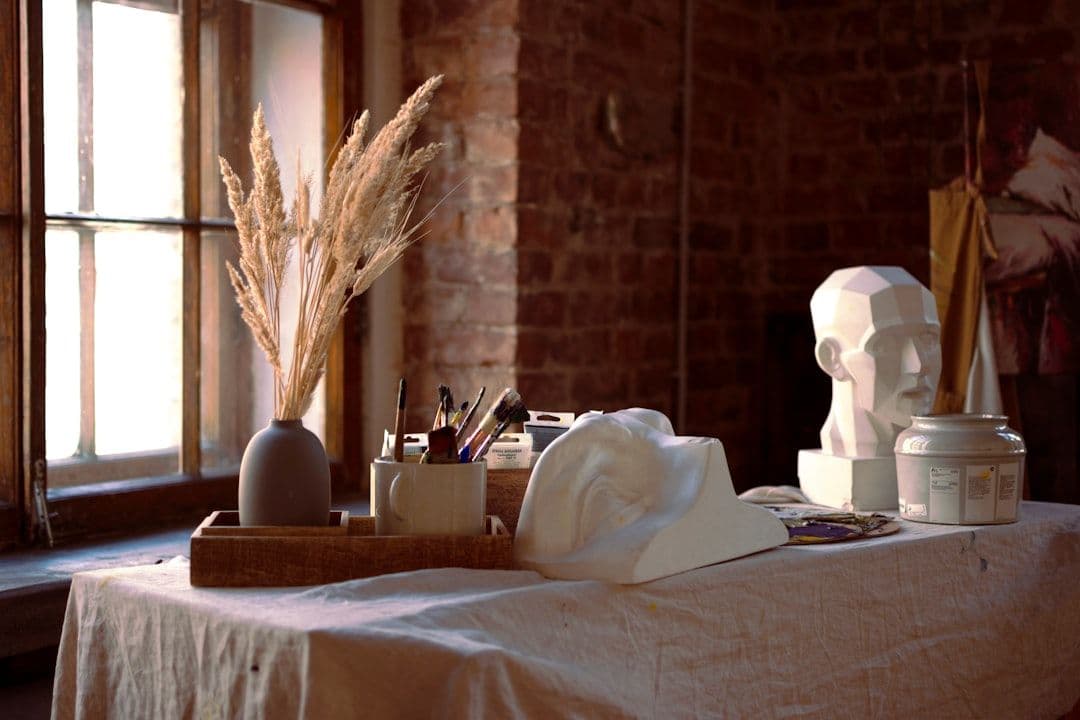
Sculpture Therapy is a creative healing modality that uses the tactile, three-dimensional process of sculpting to help individuals expres...
At a glance
What it is
A hands-on therapy using clay to express emotions and explore inner experiences.
Why explore it
When words fall short, shaping clay can help surface feelings and support healing.
How it’s experienced
You work with clay guided by a therapist, then explore the meaning of what you create.
Evidence context
Research is limited but broader art therapy studies suggest benefits for emotional wellbeing.
See the evidence snapshotSafety
Generally low risk, though trauma histories may call for a trauma-informed practitioner.
See staying safeHistory & Origin
Sculpture Therapy is a therapeutic modality that uses sculpture as a means of emotional processing and healing.
Sculpture Therapy emerged in the mid-20th century as part of the broader art therapy movement, which recognized that creative expression could facilitate psychological healing and emotional processing. While sculpture has been used in human culture for thousands of years, its therapeutic application developed alongside other expressive therapies in the 1950s and 1960s, when psychologists and artists began collaborating to integrate creative processes into clinical settings. Art therapist pioneers recognized that working with three-dimensional materials offered unique advantages over two-dimensional art forms—the tactile, physical engagement with materials like clay provided direct sensory feedback and allowed clients to literally shape their inner experiences into tangible form.
The modality draws roots from object relations theory, which emphasizes how physical objects and creative expression can facilitate psychological understanding and healing. Sculpture Therapy particularly benefits from clay work's ancient traditions across cultures—clay modeling has been valued in educational and spiritual contexts worldwide, making it a culturally resonant medium. Key contributors to art therapy's development, including pioneers like Edith Kramer and Natalie Rogers, helped establish frameworks for understanding how creative processes support emotional expression and integration.
Sculpture Therapy has gradually gained recognition within complementary health practices, particularly in therapeutic communities focused on body-based and sensory-oriented healing. It has found applications in various settings including private practice, community health centers, educational institutions, and specialized treatment facilities for trauma and mental health. The modality continues to evolve as practitioners integrate contemporary understandings of neurobiology, attachment theory, and embodied cognition with traditional art-making practices.
Mechanism
Sculpture Therapy is generally framed as a guided process for attention, reflection, learning, and emotional integration. Depending on the method, a practitioner may use conversation, imagery, structured exercises, body awareness, or therapeutic techniques to help the person explore patterns and choices. It should not be presented as a standalone solution or a substitute for urgent care, but it may support self-understanding when practiced within an appropriate scope. Sculpture Therapy involves working with three-dimensional materials—clay, stone, wood, or found objects—under the guidance of a trained therapist.
Your first visit
A typical session outline to help you feel prepared
A sculpture therapy session blends gentle conversation with hands-on creative work, guiding you to express and explore your inner world through clay or other sculpting materials.
Your practitioner greets you warmly and takes a few minutes to hear what brought you in, what's been on your mind, and any intentions you'd like to bring to the session.
Together, you identify a loose focus for the session — an emotion, a question, or simply an openness to see what emerges through the materials.
You're introduced to the sculpting materials, typically air-dry clay or modeling clay, and invited to feel their texture and weight before any shaping begins.
You work with the clay at your own pace, following impulses rather than plans. Your practitioner holds a calm, non-directive presence, gently encouraging without guiding what you make.
As you sculpt, your practitioner may softly invite you to notice feelings, images, or memories that surface — there's no pressure to share anything before you're ready.
Once you feel complete, you and your practitioner sit with what you've created, exploring what it might mean through open conversation rather than interpretation.
The session winds down with a brief grounding moment — a breath, a few quiet words — helping you transition gently back to your day before discussing any next steps.
The Evidence
What research says about Sculpture Therapy, where evidence is strong, and where gaps remain.
Promising roots in art therapy; specific research still developing
Sculpture Therapy draws on a broader art therapy evidence base with moderate support for emotional wellbeing, anxiety, and trauma processing. Research specific to sculpture as a distinct modality remains limited, with most support coming from qualitative studies and small-scale trials.
Art therapy as a field has accumulated moderate evidence for emotional expression, anxiety reduction, and trauma processing. However, studies isolating Sculpture Therapy as a distinct modality are rare. Most supporting data comes from qualitative research, case studies, and small quantitative trials rather than large randomised controlled studies.
Working with three-dimensional materials activates tactile and sensory pathways alongside cognitive and emotional processing. Research suggests creative engagement can facilitate emotional integration in ways that differ from verbal approaches alone. This whole-person engagement aligns with holistic models of wellbeing, though the specific mechanisms in sculpture work are not yet well defined.
Art-based therapies are increasingly used in complementary roles within mental health settings, supporting emotional regulation, self-awareness, and communication. Sculpture Therapy is not a substitute for professional assessment or evidence-based mental health care. For complex presentations, it works best when coordinated with a qualified mental health provider.
The absence of large, well-controlled trials makes it difficult to confirm specific outcomes or compare Sculpture Therapy to other modalities. Inflated outcome claims should be viewed with caution. The field would benefit from more rigorous, standardised research before stronger conclusions can be drawn.
Those experiencing active psychosis, severe dissociation, acute suicidality, or significant trauma histories should consult a mental health professional before starting. People with physical conditions affecting hand or motor function should discuss material adaptations with their practitioner. Sensory sensitivities to textures or materials are worth communicating in advance.
Sculpture Therapy is best delivered by practitioners with formal training in art therapy or expressive arts therapy, ideally with registration through a recognised professional body in your country. If you have a mental health history, a trauma-informed practitioner or coordination with your existing provider is advisable. Credentials and experience vary, so asking about training is reasonable.
Safety first
General guidance to help you decide whether this approach is appropriate for you. This is informational only and not a substitute for medical, psychological, or professional advice.
If you are pregnant, managing a health condition, recovering from injury or surgery, or taking medication, consult a qualified healthcare professional first.
Some situations call for extra care or a different approach. Share any conditions, injuries, or sensitivities with your practitioner before your first session.
Look for clear boundaries, transparent pricing, and practitioners who avoid fear-based claims or pressure to book frequent sessions.
Mild, short-lived effects such as tenderness, tiredness, or temporary soreness can occur. Rest, hydrate, and tell your practitioner how you respond.
For you?
A simple, human way to weigh it up. This is general guidance, not personal medical advice — a qualified practitioner can advise on your situation.
Gyfts is a discovery platform, not a medical provider. Nothing here diagnoses, treats or replaces professional care. In an emergency, contact your local emergency number.
Explore approaches
Other practices people often explore alongside sculpture therapy.
In their words
FAQ
No. Sculpture Therapy is not about creating art in a traditional sense. You do not need any prior experience, technical skill, or artistic ability. The focus is entirely on the process of working with materials and what emerges emotionally and psychologically, not on the aesthetic quality or recognizability of what you create. Many people find that lack of expectation around the 'product' actually makes the experience more liberating.
Your practitioner can offer gentle prompts, such as inviting you to sculpt how you're feeling, a symbol of something you're working through, or simply to work intuitively and see what emerges. Starting without a plan is often valuable—allowing your hands and intuition to guide the process, rather than starting with a predetermined image. Your practitioner will help you explore whatever emerges.
This varies widely depending on your goals, the issues you're exploring, and your personal pace. Some people benefit from 4-6 sessions to explore a specific issue or gain initial insights. Others work over months or longer for deeper emotional processing or ongoing personal development. Your practitioner will help you establish realistic expectations and can adjust frequency as needed.
Sculpture Therapy is a specific form of art therapy focused on three-dimensional sculptural work. Art therapy is a broader field that may include painting, drawing, collage, and other media. While both use creative expression for healing, Sculpture Therapy emphasizes the particular benefits of tactile, three-dimensional engagement with materials.
Emotional responses—tears, laughter, anger, or other expressions—are normal and often therapeutic in Sculpture Therapy. Your practitioner is trained to provide a safe, non-judgmental space for whatever emotions arise. You can pause, continue, or shift the work as needed. The emotional release or expression itself is often part of the healing.
This depends on your preference and your practitioner's approach. You may take your sculpture home, leave it with the practitioner for the next session, have it photographed for documentation, or choose to transform it (such as returning clay to its original state). Discuss this beforehand so you understand what will happen to your work.
Sculpture Therapy can be a valuable complement to trauma treatment, offering a way to express and process traumatic experiences that may be difficult to articulate verbally. However, trauma work requires a trained, ideally trauma-informed practitioner, and Sculpture Therapy should typically be coordinated with other mental health support. It is not a substitute for trauma-focused therapy.
Research on Sculpture Therapy specifically is limited, though the broader art therapy field has growing evidence supporting its effectiveness for emotional processing, anxiety, depression, and trauma. While creative and expressive therapies show promise, individual outcomes vary. Sculpture Therapy is best viewed as a complementary approach that may enhance overall wellbeing and therapeutic work, rather than a standalone medical treatment.
References
Educational sources that inform this overview. Inclusion is for context and does not imply endorsement.
Full citations are maintained by the Gyfts editorial team and reviewed periodically.
Keep exploring
Browse practitioners, explore honest overviews, and take what you learn to a conversation — at your own pace.