What it is
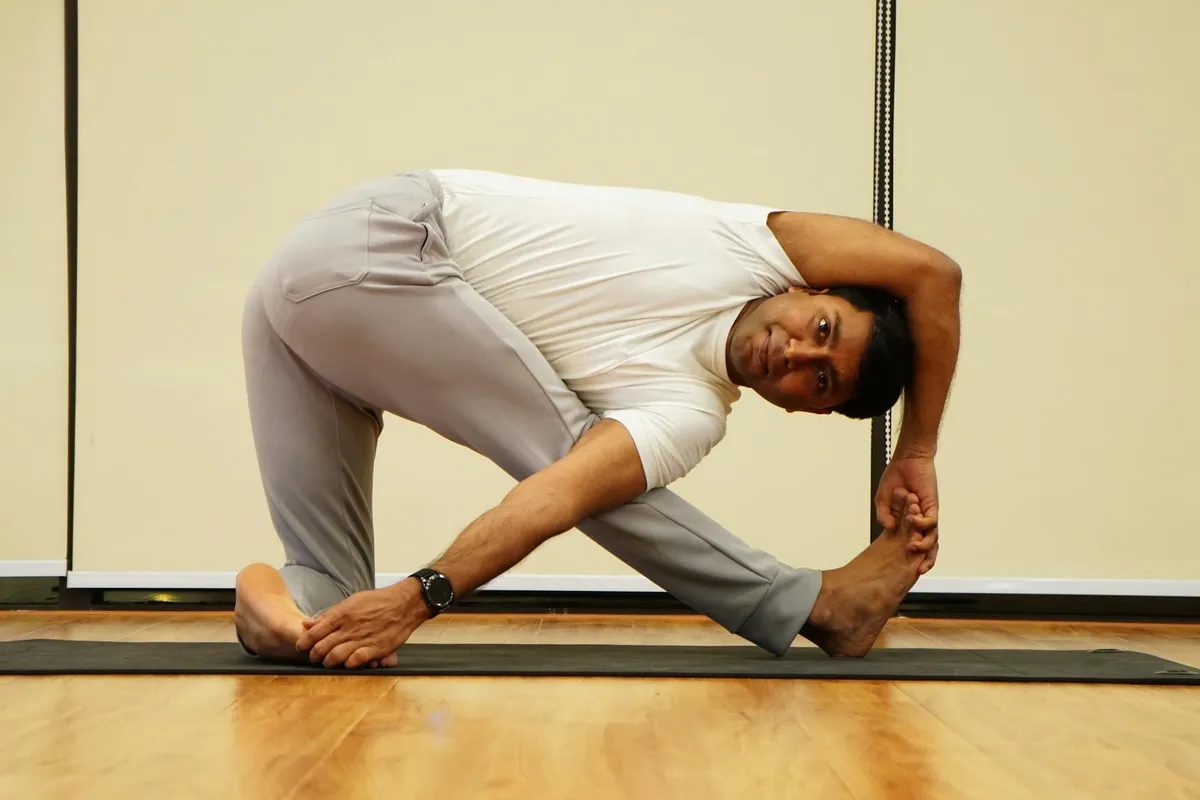
Sivananda Yoga weaves 12 postures, breathwork, and meditation into one holistic practice.
Sivananda is a traditional yoga practice rooted in the teachings of Swami Sivananda that combines physical postures, breathing exercises,...
At a glance
What it is
Sivananda Yoga weaves 12 postures, breathwork, and meditation into one holistic practice.
Why explore it
This structured system may ease stress, improve flexibility, sharpen focus, and support better sleep.
How it’s experienced
A 90-minute class flows through breathing, sun salutations, 12 core poses, and deep relaxation.
Evidence context
Traditional roots run deep, though clinical research is limited and mostly drawn from yoga broadly.
See the evidence snapshotSafety
Generally safe for healthy adults; those with spinal, heart, or eye conditions should check with a doctor first.
See staying safeHistory & Origin
Sivananda is a traditional yoga practice that emphasizes holistic well-being through physical postures, breathing, and meditation.
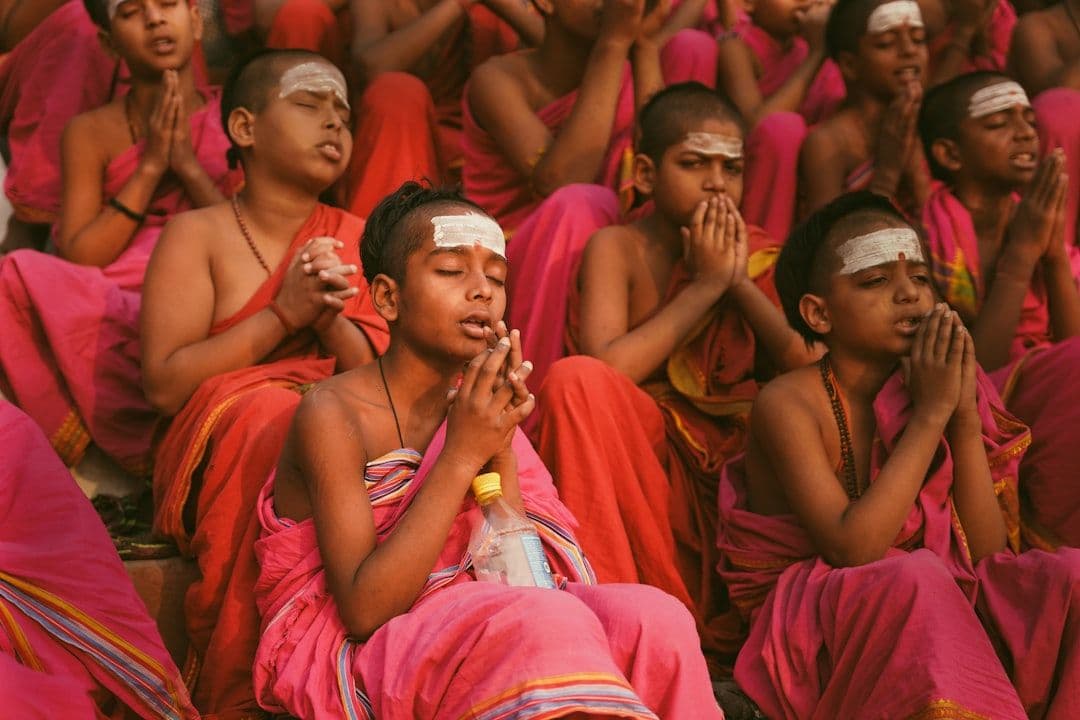
Sivananda Yoga originated in India and is based on the teachings of Swami Sivananda (1887–1963), a renowned Hindu spiritual teacher and yoga master who founded the Divine Life Society in 1936 on the banks of the Ganges River in Rishikesh. Swami Sivananda systematized traditional yogic practices into an accessible, comprehensive system that emphasizes the integration of physical, mental, and spiritual development. He taught that yoga should serve as a practical path for all people regardless of age or ability, democratizing what had previously been esoteric knowledge. His approach synthesized classical yoga philosophy with modern understanding of health and wellness, drawing from Vedantic philosophy and the yoga sutras.
The Sivananda method was further developed and spread globally by Swami Vishnu-devananda (1927–1993), one of Swami Sivananda's foremost disciples, who opened the first Sivananda Yoga Vedanta Centre in Montreal in 1959. Vishnu-devananda established a structured five-point philosophy: proper exercise (asanas), proper breathing (pranayama), proper relaxation (savasana), proper diet, and positive thinking and meditation. This framework became the cornerstone of Sivananda practice and teacher training worldwide.
Sivananda Yoga gained significant traction in Western countries during the yoga renaissance of the 1960s and 1970s, when interest in Eastern philosophy and holistic health practices expanded dramatically. Today, there are dozens of Sivananda Yoga Vedanta Centers across the globe, and the lineage continues to train teachers who maintain fidelity to the original teachings while adapting them for contemporary practitioners.
Mechanism
Sivananda Yoga is usually understood through movement, breath, attention, and repeated practice. A session may invite the body to explore safer patterns, steadier pacing, or a more settled relationship with sensation. Some traditions describe this as balancing energy or awareness, while contemporary explanations may focus on coordination, nervous system regulation, mobility, and confidence. Experiences vary by person, teacher, setting, and consistency. Sivananda Yoga integrates five key principles—proper exercise (asanas), breathing (pranayama), relaxation, diet, and positive thinking—to create a unified practice addressing physical, mental, and energetic dimensions of health.
Your first visit
A typical session outline to help you feel prepared
A Sivananda Yoga session guides you through a traditional sequence of breathwork, postures, and deep relaxation in a calm, supportive setting.
Your instructor will greet you and ask a few questions about your experience level, any injuries, and what you hope to get from the practice, so the class can be gently tailored to your needs.
The session begins with a brief Sanskrit chant, typically the Adi Mantra, which helps settle the mind, signal a transition from daily life, and create a focused, peaceful atmosphere in the room.
You'll spend around 15 minutes practicing Sivananda's foundational breathing exercises, including Kapalabhati and Anulom Vilom, which energize the body and calm the nervous system before movement begins.
You'll lie flat in Savasana as the instructor leads a short initial relaxation, allowing tension to release from the body and preparing you to move safely into the posture sequence.
A gentle round of Surya Namaskar flows through 12 linked movements, warming the muscles and joints and building a steady rhythm of breath and movement before the main postures begin.
The heart of the session moves through Sivananda's fixed series of asanas, from Headstand through to Fish Pose, each held for several breaths with rest periods in between to let your body integrate each posture.
The session closes with an extended Savasana of 10 to 15 minutes, guided by the instructor's voice, allowing your nervous system to fully absorb the practice and leaving you feeling calm and restored.
A short closing chant and a moment of seated stillness bring the session to a gentle end, and your instructor may offer brief guidance on home practice or self-care to carry the benefits forward.
The Evidence
What research and tradition tell us about Sivananda Yoga and its role in supporting well-being.
A structured traditional practice with limited direct research
Sivananda Yoga has deep traditional grounding and a structured modern form, though direct scientific study of this specific lineage remains limited. Broader yoga research suggests possible benefits for stress and flexibility, though findings are mixed and lineage-specific evidence is lacking.
Most clinical yoga research does not distinguish between lineages, so Sivananda-specific evidence is limited. Broader yoga studies show modest to moderate support for stress reduction, anxiety management, and flexibility. Methodological limitations — including small samples and varied practices — mean findings should be interpreted with care.
Founded by Swami Sivananda and systematized globally by Swami Vishnu-devananda, this lineage integrates classical yoga philosophy with accessible, structured teaching. Its five-principle framework — exercise, breathing, relaxation, diet, and positive thinking — reflects a holistic model of health developed over decades of practice and teaching.
As an Alternative modality, Sivananda Yoga offers a self-contained path to well-being built around its five-principle framework — exercise, breathing, relaxation, diet, and positive thinking. This structure, developed through the ashram-based teaching model established by Swami Vishnu-devananda, operates within its own philosophical system rather than as an adjunct to conventional care. It is not a substitute for professional assessment or medical care when those are needed.
Those with spinal injuries, uncontrolled hypertension, glaucoma, or recent surgery should consult a healthcare provider before starting. Inversions such as headstands are not appropriate for everyone and should only be attempted with qualified instruction. Inform your teacher of any health conditions before your first session.
Look for teachers trained within the Sivananda lineage or holding recognised yoga certifications. A skilled instructor will offer modifications, monitor alignment, and adapt the practice to your needs. This is especially important for beginners, older adults, or those managing health conditions.
While many practitioners report meaningful benefits, yoga practice should not replace professional assessment or care for medical or mental health concerns. Evidence for specific outcomes remains preliminary in many areas. Approach Sivananda as a supportive practice within a broader approach to health, not as primary support for specific health concerns.
Safety first
General guidance to help you decide whether this approach is appropriate for you. This is informational only and not a substitute for medical, psychological, or professional advice.
If you are experiencing severe distress, suicidal thoughts, psychosis, acute trauma, or another serious mental health concern, seek qualified support first.
This approach is not suitable for diagnosis, treatment instructions, or decisions that require medical, legal, financial, or professional advice.
Look for clear boundaries, transparent pricing, and practitioners who avoid fear-based claims or pressure to book frequent sessions.
Treat any insight as one reflective perspective, not absolute truth. Important decisions should be considered with appropriate professional support.
For you?
A simple, human way to weigh it up. This is general guidance, not personal medical advice — a qualified practitioner can advise on your situation.
Gyfts is a discovery platform, not a medical provider. Nothing here diagnoses, treats or replaces professional care. In an emergency, contact your local emergency number.
Explore approaches
Other practices people often explore alongside sivananda yoga.
In their words
FAQ
Your first session will be gentle and welcoming. Expect an introduction to the basic postures, breathing techniques, and the philosophy behind Sivananda practice. The instructor will guide you through relaxation, breathing, and simple poses, emphasizing that yoga is non-competitive and should feel comfortable. Wear loose, comfortable clothing, bring a mat (or use one provided), and arrive a few minutes early. You'll likely feel calm and possibly energized afterward, though some mild muscle awareness is normal for beginners.
Many practitioners notice improved relaxation and mental clarity within 2–4 weeks of regular practice (3–4 times per week). Physical benefits such as increased flexibility and strength typically develop over 6–12 weeks. Stress reduction and emotional balance often deepen gradually with consistent practice over months. However, individual timelines vary; some notice changes in just a few sessions, while others benefit from sustained practice. Even occasional practice (once weekly) contributes to wellness, though consistency accelerates benefits.
Yes, Sivananda is explicitly designed to be accessible to all levels, including complete beginners. Swami Sivananda and his successors emphasized that yoga should serve everyone regardless of age, fitness level, or experience. Instructors modify poses and provide props to support all participants. Starting as a beginner is ideal—you'll build a strong foundation and learn proper technique from the beginning.
Sivananda yoga may support anxiety and stress reduction through its emphasis on breathing, relaxation, and meditation, which activate the parasympathetic nervous system. Many practitioners report improved mood and reduced anxiety with regular practice. However, Sivananda is a complementary practice and should not replace medical treatment for clinical depression or anxiety disorders. If you have diagnosed mental health conditions, discuss yoga practice with your healthcare provider and continue any prescribed treatments.
Sivananda Yoga is characterized by its structured, five-point philosophy (exercise, breathing, relaxation, diet, positive thinking) and emphasis on holistic well-being and spiritual development. Its pace is typically slower and more meditative than dynamic styles like Vinyasa or Power Yoga. The posture sequence is fairly standardized across centers, emphasizing steady, long-held poses rather than flowing movement. Sivananda also integrates philosophy, chanting, and meditation more explicitly than some other traditions, making it well-suited for those seeking spiritual as well as physical benefits.
Many people with back pain find relief through gentle Sivananda practice, as yoga can improve flexibility, strengthen supporting muscles, and reduce tension. However, your specific injury requires individualized care. Always inform your instructor of any pain or injury so they can suggest safe modifications. For acute or severe back issues, consult a healthcare provider or physical therapist first to ensure yoga is appropriate and to get specific guidance on which poses to avoid. A qualified instructor experienced with modifications for injuries is essential.
Sivananda philosophy recommends a balanced, sattvic (pure) vegetarian diet emphasizing whole grains, fresh fruits, vegetables, and legumes. However, this is a guidance rather than a requirement, especially for Western practitioners. Consistency in practice and mindful eating are more important than strict dietary rules. Many practitioners gradually shift toward lighter, more plant-based eating as they become more aware of how different foods affect their energy and meditation practice. Follow the guidance of your instructor or a qualified nutritionist for personalized advice.
Ideally, practicing 3–4 times per week yields noticeable benefits within weeks, while daily practice accelerates physical, mental, and spiritual progress. However, even once-weekly classes combined with home practice produce meaningful results over time. Consistency matters more than duration; a regular 30-minute home practice is more beneficial than sporadic 90-minute classes. Many practitioners balance center classes with shorter personal practice at home to maintain momentum and deepening benefits.
Sivananda yoga is rooted in Hindu philosophy and spirituality, drawing on yogic texts such as the Yoga Sutras and Vedanta philosophy. However, it is not inherently religious and is practiced by people of all faiths and secular backgrounds. The spiritual elements (meditation, philosophy, chanting) are presented as tools for self-awareness and well-being rather than as religious dogma. Many practitioners integrate Sivananda with their own belief systems. If you have concerns about philosophical or spiritual content, discuss them with your instructor, who can guide the practice to align with your comfort level.
References
Educational sources that inform this overview. Inclusion is for context and does not imply endorsement.
Full citations are maintained by the Gyfts editorial team and reviewed periodically.
Keep exploring
Browse practitioners, explore honest overviews, and take what you learn to a conversation — at your own pace.