What it is
SE is a body-based therapy that gently resolves stored stress through sensation awareness.
Somatic Experiencing is a body-focused approach that uses awareness of physical sensations and movements to support nervous system regula...

At a glance
What it is
SE is a body-based therapy that gently resolves stored stress through sensation awareness.
Why explore it
SE offers a non-verbal path to trauma relief, anxiety ease, and steadier emotional balance.
How it’s experienced
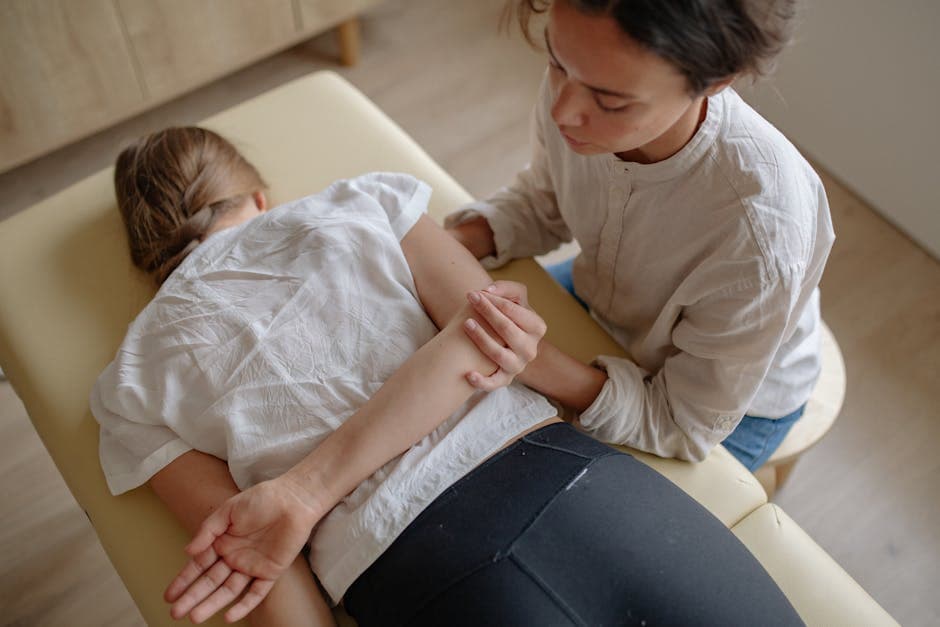
A trained guide helps you notice body sensations at your own pace, fully clothed and seated.
Evidence context
Early research on SE is promising for trauma, though studies are still small and growing.
See the evidence snapshotSafety
SE is low-risk with a trained practitioner; check with a mental health pro if symptoms are severe.
See staying safeHistory & Origin
Somatic Experiencing emphasizes bodily awareness to support resilience and self-regulation.
Somatic Experiencing (SE) was developed in the 1970s by Peter Levine, a biophysicist and psychologist who observed how animals in nature complete their stress responses after threat, then return to normal functioning. Levine theorized that humans often become stuck in incomplete stress cycles due to psychological defenses and social conditioning, leading to stored trauma in the nervous system. His work drew on neurobiology, trauma theory, and observations of natural animal behavior, proposing that by completing these defensive responses through body awareness and gentle movement, people could resolve trauma and restore nervous system balance.
The approach gained traction in trauma therapy communities during the 1980s and 1990s, particularly among practitioners seeking alternatives to purely cognitive methods. Levine founded the Somatic Experiencing International (SEI) institute to train practitioners and formalize the methodology. SE bridges somatic psychology, neurobiology, and trauma-informed care, emphasizing the role of the autonomic nervous system in holding and releasing trauma responses. Over the past two decades, it has been integrated into trauma treatment programs, military wellness initiatives, and disaster relief efforts worldwide, with growing attention from both alternative and conventional healthcare fields.
Mechanism
Somatic Experiencing is generally framed as a guided process for attention, reflection, learning, and emotional integration. Depending on the method, a practitioner may use conversation, imagery, structured exercises, body awareness, or therapeutic techniques to help the person explore patterns and choices. It should not be presented as a standalone solution or a substitute for urgent care, but it may support self-understanding when practiced within an appropriate scope. Somatic Experiencing works by directing attention to bodily sensations, movements, and nervous system states to support the completion of interrupted stress responses held in the body.
Your first visit
A typical session outline to help you feel prepared
A Somatic Experiencing session gently guides you to notice and work with body sensations, helping your nervous system find its natural rhythm and release stored tension.
Your practitioner greets you warmly and takes a few minutes to ask how you're feeling today, both emotionally and physically, creating a safe, unhurried space before anything else begins.
You'll talk through what brought you here, including past experiences, stress patterns, or symptoms you've noticed. Your practitioner listens carefully to understand your nervous system's unique history.
Together you'll identify a gentle focus for the session, whether that's a specific memory, a recurring feeling, or simply building body awareness. There's no pressure to have a clear goal.
Your practitioner guides you to think of something that feels safe or pleasant, a place, person, or memory. This anchor helps your nervous system feel supported before exploring harder sensations.
You'll be invited to slow down and notice subtle physical cues like warmth, tightness, tingling, or ease. Your practitioner asks gentle questions such as where do you feel that and what happens next.
Rather than staying with discomfort, you'll move back and forth between unsettling sensations and your resource. This rhythmic shift, called pendulation, helps your nervous system process without becoming overwhelmed.
As tension unwinds, you may notice spontaneous trembling, a deep breath, yawning, or warmth spreading through your body. Your practitioner reassures you these are natural signs of nervous system regulation.
The session winds down with a few quiet minutes to let your body settle. Your practitioner may suggest simple practices to try at home and check in about how you're feeling before you leave.
The Evidence
What research says about Somatic Experiencing, its theoretical foundations, and where the evidence currently stands.
Promising early research, but more rigorous trials are needed
Somatic Experiencing has a growing body of supportive research, particularly for trauma and PTSD, but the evidence base remains modest compared to established therapies. Current findings are encouraging, and researchers have called for larger, more rigorous controlled trials to strengthen conclusions.
Several clinical studies show SE can reduce PTSD symptoms and improve self-regulation, with some results comparable to other trauma therapies. Most studies are small, lack robust control groups, or focus on specific populations. The overall evidence is promising but not yet sufficient to draw firm conclusions about efficacy across broader groups.
Levine observed that animals in nature complete stress responses after threat and return to baseline, theorising that humans become stuck in incomplete cycles. SE draws on polyvagal theory and autonomic nervous system research, giving it a neuroscientific grounding that distinguishes it from purely talk-based approaches. This framework has gained credibility in trauma research communities.
Research interest in SE has grown over the past two decades, with studies examining its use with trauma-related distress, anxiety experiences, and recovery across populations including accident survivors and refugees. It is sometimes used alongside or as an alternative to cognitive-based therapies. Publication bias toward positive results remains a concern, and independent replication is limited.
SE is not part of standard medical or psychological care in most health systems, though some licensed therapists integrate it into practice. Its distinctive techniques — titration, which involves working with small increments of sensation, and pendulation, which moves attention between distress and relative ease — give it a specific somatic mechanism that sets it apart from other body-centred alternatives and from conventional talk-based mental health support.
Somatic Experiencing International (SEI) provides a structured training pathway for practitioners. Working with someone without recognised SE training may lead to ungrounded nervous system activation or unintended emotional distress. When seeking a practitioner, ask about their SEI certification level and experience with your specific concerns.
Those experiencing active psychosis, severe dissociation, or acute suicidality should consult a mental health professional before beginning SE. It is not a substitute for professional assessment or emergency psychiatric care, and should not delay necessary medical attention. People on psychiatric medications are encouraged to inform their practitioner before sessions.
Safety first
General guidance to help you decide whether this approach is appropriate for you. This is informational only and not a substitute for medical, psychological, or professional advice.
If you are pregnant, managing a health condition, recovering from injury or surgery, or taking medication, consult a qualified healthcare professional first.
Some situations call for extra care or a different approach. Share any conditions, injuries, or sensitivities with your practitioner before your first session.
Look for clear boundaries, transparent pricing, and practitioners who avoid fear-based claims or pressure to book frequent sessions.
Mild, short-lived effects such as tenderness, tiredness, or temporary soreness can occur. Rest, hydrate, and tell your practitioner how you respond.
For you?
A simple, human way to weigh it up. This is general guidance, not personal medical advice — a qualified practitioner can advise on your situation.
Gyfts is a discovery platform, not a medical provider. Nothing here diagnoses, treats or replaces professional care. In an emergency, contact your local emergency number.
Explore approaches
Other practices people often explore alongside somatic experiencing.
In their words
FAQ
You sit or lie down in a comfortable, safe space while the practitioner guides you to notice present-moment bodily sensations—such as areas of tension, warmth, tingling, or stillness. The practitioner may invite gentle shifts in movement, posture, or breathing awareness to help your nervous system complete stress responses. The pace is entirely client-led; you remain in control and can pause or adjust at any time. Sessions are gentle and non-invasive, with no manipulation or force.
This varies widely depending on your goals and history. Some people benefit from 4–8 sessions to build body awareness and manage acute stress. Others working with trauma may benefit from ongoing sessions over months or longer. Your practitioner will help you assess progress and adjust frequency as needed. Many people continue sessions periodically for wellness and ongoing nervous system support.
No. SE is not manual therapy; the practitioner does not manipulate tissues or apply physical force. Instead, they guide you to develop awareness of your own bodily signals and support your nervous system's capacity for self-regulation. There may be minimal gentle touch to ground or help you locate sensations, but the primary work is internal awareness, not external manipulation.
Yes. Somatic Experiencing works well alongside talk therapy, medical care, medication, and other wellness practices. In fact, many practitioners recommend an integrated approach. Inform all your healthcare providers about the different treatments you're using so they can coordinate care and ensure they complement each other.
Emotions, tears, or release are normal and welcome in SE. Your practitioner is trained to support emotional expression in a grounded, safe way. You're never pushed to feel anything; emotions often arise naturally as your nervous system begins to complete unfinished stress responses. Your practitioner will ensure you feel resourced and supported throughout.
While talk therapy processes trauma through conversation and cognitive understanding, SE works primarily through awareness of body sensations and completing nervous system responses. Many people benefit from both; SE can be especially helpful for those who find that talking alone doesn't fully resolve their symptoms. Some practitioners integrate both approaches.
Somatic Experiencing can be adapted for children with training in pediatric SE. Children often respond well to body-based approaches. If you're considering SE for a child, seek a practitioner experienced with pediatric cases and ensure parental involvement is part of the process.
Wear comfortable, loose clothing that allows you to move and feel your body freely. You remain fully clothed throughout the session. Avoid restrictive belts, tight waistbands, or clothing that limits your ability to notice body sensations.
References
Educational sources that inform this overview. Inclusion is for context and does not imply endorsement.
Full citations are maintained by the Gyfts editorial team and reviewed periodically.
Keep exploring
Browse practitioners, explore honest overviews, and take what you learn to a conversation — at your own pace.