What it is
A guided or self-led journey into spiritual traditions, practices, and meaning-making.
Spiritual Exploration is a guided practice that helps individuals investigate and deepen their understanding of spirituality through expo...
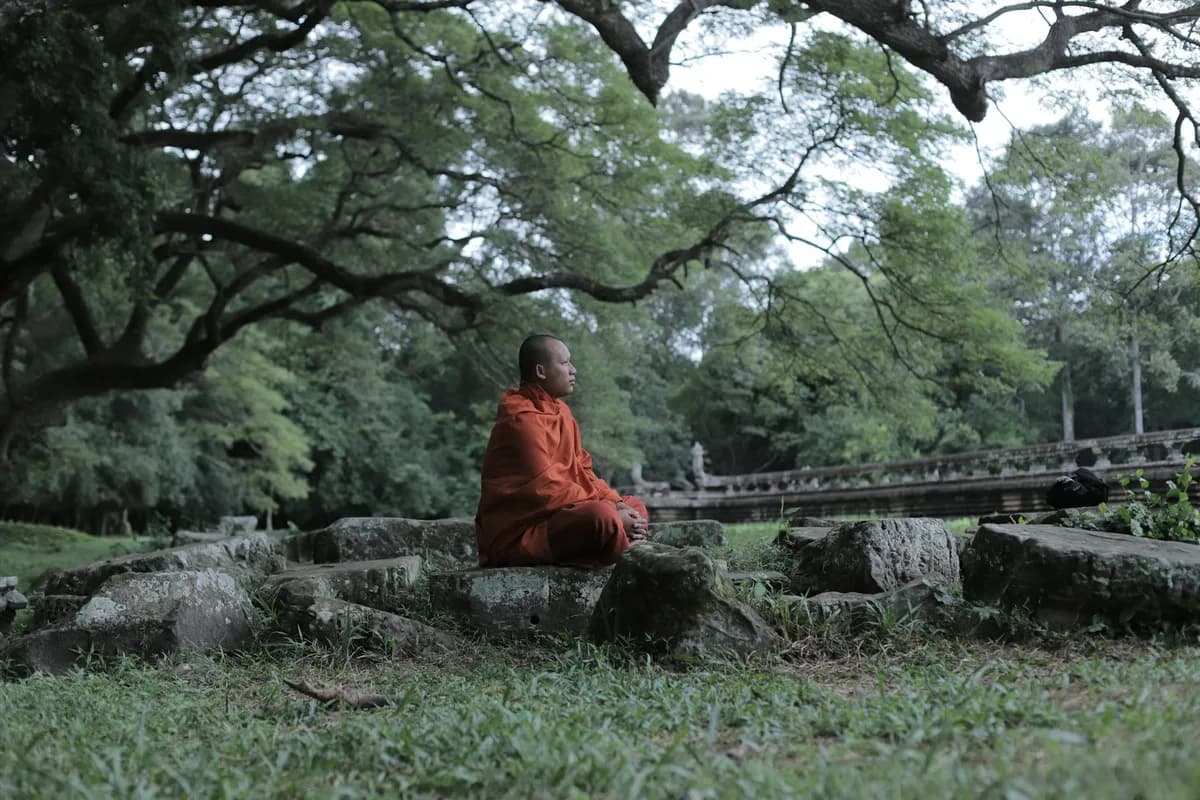
At a glance
What it is
A guided or self-led journey into spiritual traditions, practices, and meaning-making.
Why explore it
Great for life transitions, finding purpose, or making sense of a religious background.
How it’s experienced
Can include reading, meditation, ritual, group study, or one-on-one time with a spiritual guide.
Evidence context
Rooted in ancient human tradition; meditation shows wellbeing benefits, but broader research is limited.
See the evidence snapshotSafety
Low-risk overall—avoid coercive groups, and check with a clinician if mental health concerns arise.
See staying safeHistory & Origin
Spiritual Exploration involves exploring and expanding one's understanding of spirituality through various practices and teachings.
Spiritual Exploration as a formalized practice draws from humanity's ancient traditions of seeking meaning and connection to something greater than oneself. Across cultures—from contemplative monasticism in Christian, Buddhist, and Hindu traditions to indigenous shamanic practices and Sufi mysticism—seekers have long engaged in structured inquiry into spiritual dimensions of existence. The modern codification of Spiritual Exploration as a complementary health modality emerged in the late 20th century, influenced by the integration of Eastern philosophies into Western wellness culture, the work of comparative religionists like Joseph Campbell and Huston Smith, and the human potential movement of the 1960s-70s.
Key figures in bringing spiritual exploration into contemporary practice include transpersonal psychologists such as Stanislav Grof and Jean Houston, who developed frameworks for understanding spiritual experiences within psychological contexts. The spread of meditation, yoga, and mindfulness into mainstream Western healthcare during the 1980s-2000s created a broader cultural acceptance of spiritual practices as legitimate wellness tools. Today, Spiritual Exploration practitioners draw from diverse traditions while emphasizing personal experience over dogma, helping individuals navigate questions of purpose, meaning, and connection in secular and pluralistic contexts.
The modality has grown alongside the wellness industry and the rise of interest in integrative and holistic health. Rather than promoting any single tradition, contemporary Spiritual Exploration practitioners typically adopt an ecumenical approach, respecting multiple pathways and encouraging individuals to discover what resonates authentically with their own values and experiences. This inclusive philosophy reflects both postmodern pluralism and the recognition that spiritual seeking is a deeply personal journey.
Mechanism
Spiritual Exploration is best framed as a traditional, symbolic, energetic, reflective, or spiritual practice rather than a validated medical mechanism. Practitioners may use ritual, attention, sound, imagery, touch-free work, cards, symbols, prayer, or intention to support meaning-making and a sense of connection. People may explore it for reflection, calm, or spiritual context, while health claims should remain cautious and personal. Spiritual Exploration typically involves guided inquiry into personal beliefs, values, and experiences of meaning through structured practices such as meditation, study of philosophical or religious texts, dialogue with teachers or mentors, and exposure to diverse spiritual traditions.
Your first visit
A typical session outline to help you feel prepared
A gentle, open-ended conversation and guided practice where you explore your beliefs, questions, and sense of meaning with a knowledgeable spiritual guide by your side.
Your guide warmly welcomes you and invites you to get comfortable. There's no agenda yet — just a few quiet moments to arrive and breathe before anything begins.
Your guide asks open-ended questions about your background, current questions, and what draws you to spiritual exploration. There are no right answers, and you're never pressed to share more than feels natural.
Together you sketch out what you already believe, what you're curious about, and any traditions or ideas that have moved or troubled you. This helps your guide understand where you're starting from.
Your guide introduces one or two relevant perspectives, stories, or teachings drawn from traditions that seem to resonate with your interests — which might include Eastern philosophy, mysticism, indig
You're invited into a short experiential practice such as a meditation, visualization, journaling prompt, or silent reflection. Your guide talks you through it gently and checks in on how it lands for you.
After the practice, you and your guide discuss what arose — insights, feelings, resistance, or questions. Nothing is interpreted for you; the goal is to help you hear your own inner wisdom more clearly.
Your guide helps you identify one or two threads to carry with you — a question to sit with, a text to explore, or a simple daily practice — so the exploration continues beyond the session.
The Evidence
What research and tradition tell us about Spiritual Exploration as a complementary practice.
Rooted in tradition; components show research support
Spiritual Exploration as a unified modality has limited formal research, but its core components—meditation, meaning-making, and contemplative practice—have measurable psychological and neurological support. Individual outcomes vary widely and depend heavily on personal resonance.
This modality engages questions of meaning, purpose, and connection that extend beyond what empirical science currently measures. Its value is not primarily assessed through clinical outcomes but through personal insight, worldview development, and subjective experience. This does not make it less meaningful—it means different standards of evaluation apply.
Meditation and mindfulness show measurable effects on stress, brain structure, and well-being. Existential and positive psychology research links sense of purpose to better health outcomes. However, Spiritual Exploration as a standardised practice has not been formally studied, and its highly individualised nature makes controlled research difficult.
From Christian contemplative monasticism and Buddhist meditation to Sufi mysticism and indigenous shamanic traditions, structured spiritual inquiry is among humanity's oldest practices. Its modern form as a complementary modality was shaped by transpersonal psychology, comparative religion, and the integration of Eastern philosophy into Western wellness culture from the 1960s onward.
Spiritual Exploration is not standardised, and outcomes depend on individual belief systems, readiness, and the quality of guidance received. Meaningful shifts in perspective, purpose, or well-being are reported by many practitioners, but these are subjective and not reliably predictable. Approaching this practice with openness rather than fixed expectations tends to support better engagement.
Intensive spiritual exploration can occasionally trigger overwhelming experiences or identity confusion in vulnerable individuals—sometimes called a spiritual emergency. Those with a history of psychosis, bipolar disorder, or severe anxiety should consult a mental health professional before beginning. This modality should not replace professional assessment or care for significant psychological distress.
There is no universal licensing standard for Spiritual Exploration facilitators. Look for practitioners with transparent training backgrounds, clear ethical boundaries, and respect for your existing beliefs. Be cautious of inflated outcome claims or pressure to adopt specific doctrines. A good guide supports your inquiry rather than directing you toward predetermined conclusions.
Safety first
General guidance to help you decide whether this approach is appropriate for you. This is informational only and not a substitute for medical, psychological, or professional advice.
If you are pregnant, managing a health condition, recovering from injury or surgery, or taking medication, consult a qualified healthcare professional first.
Some situations call for extra care or a different approach. Share any conditions, injuries, or sensitivities with your practitioner before your first session.
Look for clear boundaries, transparent pricing, and practitioners who avoid fear-based claims or pressure to book frequent sessions.
Mild, short-lived effects such as tenderness, tiredness, or temporary soreness can occur. Rest, hydrate, and tell your practitioner how you respond.
For you?
A simple, human way to weigh it up. This is general guidance, not personal medical advice — a qualified practitioner can advise on your situation.
Gyfts is a discovery platform, not a medical provider. Nothing here diagnoses, treats or replaces professional care. In an emergency, contact your local emergency number.
Explore approaches
Other practices people often explore alongside spiritual exploration.
In their words
FAQ
Sessions typically involve conversation about your spiritual background and questions, introduction to practices or teachings (such as meditation, philosophical texts, or contemplative exercises), and discussion about what resonates with you. The practitioner guides rather than directs, helping you explore your own authentic spiritual path without imposing beliefs. Sessions are collaborative and reflective.
This varies widely. Some people benefit from a few exploratory sessions to get oriented; others engage in ongoing regular practice for months or years. It depends on your goals, how much you wish to explore, and your personal process. Many practitioners recommend starting with a series of sessions (4-6) to establish a foundation, then continuing as desired.
No. Spiritual Exploration is inclusive and can be secular, religious, agnostic, or atheistic. Spirituality can encompass connection to nature, humanity, values, creativity, or philosophical frameworks without requiring belief in a deity. A good practitioner respects wherever you're starting from.
Not if they are ethical. Spiritual Exploration practitioners are trained to present diverse perspectives respectfully and support your authentic exploration—not to recruit you into any particular belief system. If a practitioner is pressuring you toward specific beliefs, that's a red flag to seek someone else.
No. While Spiritual Exploration can be emotionally meaningful and may support psychological growth, it is not psychotherapy and should not replace mental health treatment for clinical conditions. A therapist addresses psychological symptoms and disorders; a Spiritual Exploration practitioner helps you explore meaning, philosophy, and spiritual practices. Some practitioners have both credentials.
Healthy skepticism is welcomed in Spiritual Exploration. You can be curious and questioning at the same time. A good practitioner will respect your doubt and encourage you to test practices and teachings against your own experience rather than demanding blind belief.
Spiritual Exploration itself is a practice framework rather than a medical intervention with testable mechanisms. However, some practices within it—such as meditation—have research support for psychological benefits. The existential and philosophical dimensions of spiritual exploration operate outside the scientific method but can be valuable for meaning-making and personal integration.
For some people, developing a sense of meaning, connection, and purpose can support mental health and resilience. However, Spiritual Exploration is not a treatment for clinical depression or anxiety disorders. If you have these conditions, work with a mental health professional. Spiritual Exploration can be a complementary practice alongside appropriate treatment.
References
Educational sources that inform this overview. Inclusion is for context and does not imply endorsement.
Full citations are maintained by the Gyfts editorial team and reviewed periodically.
Keep exploring
Browse practitioners, explore honest overviews, and take what you learn to a conversation — at your own pace.