What it is
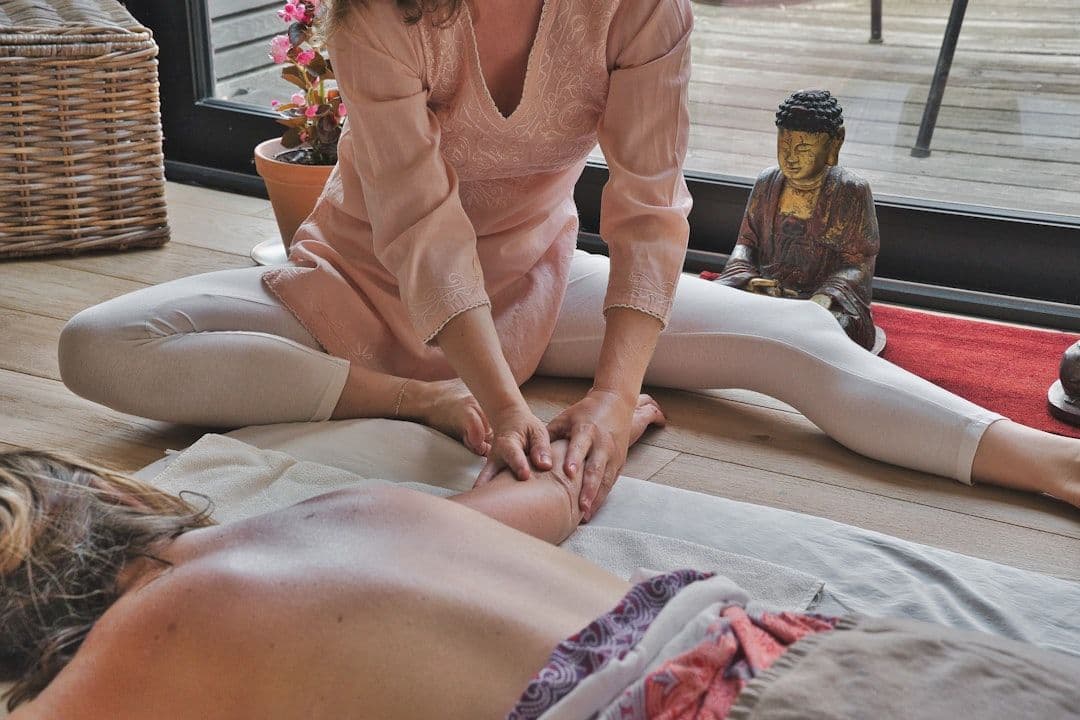
Guided stretches, acupressure, and rhythmic pressure applied fully clothed on a floor mat.
Combines assisted yoga-like stretches, acupressure along energy meridians, and rhythmic pressure applied with hands, feet, and body weigh...
At a glance
What it is
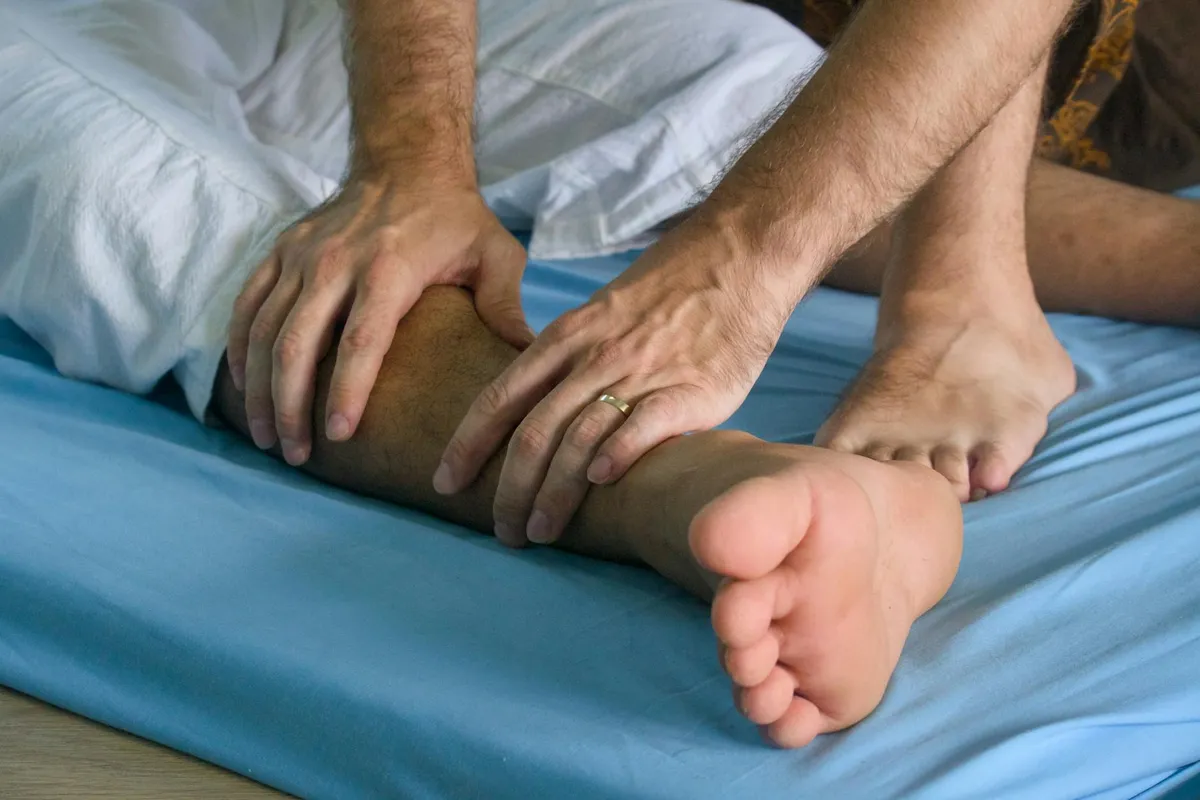
Guided stretches, acupressure, and rhythmic pressure applied fully clothed on a floor mat.
Why explore it
May ease muscle tension, boost flexibility, and support recovery through targeted stretch sequences.
How it’s experienced
A practitioner moves your body through stretches with rhythmic pressure for 60 to 120 minutes.
Evidence context
Moderate evidence supports flexibility gains and low back relief, though study quality varies.
See the evidence snapshotSafety
Low risk for healthy adults, but check with a doctor if you have injuries or heart conditions.
See staying safeHistory & Origin
Thai Massage is a therapeutic massage modality that combines yoga-like stretches, acupressure, and energy work to promote relaxation and flexibility.
Thai Massage, known as "Nuad Boran" or "Nuad Thai" in Thailand, has roots tracing back over 2,500 years to ancient Indian and Southeast Asian healing traditions. The practice is deeply integrated into Thai culture and medicine, traditionally taught within temple settings and passed down through oral transmission and apprenticeship. Historical records suggest that Buddhist monks developed and refined the modality, incorporating principles from Ayurveda, traditional Chinese medicine, and indigenous Thai practices into a distinctive system focused on energy lines called "Sen."
The formal codification of Thai Massage occurred primarily during the reign of King Rama I (1782-1809), when texts documenting the practice were inscribed on marble tablets at the Wat Pho temple in Bangkok, Thailand's oldest and most prestigious massage school. This documentation helped standardize techniques and theory across practitioners. During the 20th century, Thai Massage remained relatively localized within Thailand and Southeast Asia, practiced in temples, homes, and traditional medicine clinics.
In the late 20th and early 21st centuries, Thai Massage gained international recognition as interest in complementary health modalities expanded. Practitioners from Thailand began teaching internationally, and Western massage schools began incorporating Thai techniques into their curricula. Today, Thai Massage is offered worldwide, though quality and training standards vary significantly across practitioners and regions. The practice has become increasingly integrated into spa, wellness, and holistic health settings globally while maintaining its traditional roots in Thailand.
Mechanism
Thai Massage is generally described as working through skilled touch, careful pacing, and the body's response to pressure, movement, warmth, or stillness. Practitioners may focus on muscle tone, joint comfort, circulation, breath, or relaxation depending on the method. Traditional explanations may also include energy flow or whole-person balance. Research support varies by modality, so the experience is best framed as supportive care with outcomes that vary. Thai massage applies sustained pressure to muscle groups and energy lines (sen) while guiding the body through assisted yoga-like stretches, using hands, forearms, feet, and body weight to release tension and improve range of motion.
Your first visit
A typical session outline to help you feel prepared
Thai Massage is a fully clothed, floor-based session blending acupressure, rhythmic compression, and assisted stretching along your body's energy lines.
Your practitioner will ask about your health history, any injuries, and what you're hoping to get from the session. This is a great time to mention tight spots, sensitive areas, or anything you're nervous about.
You'll be given loose, lightweight pants and a top to change into — think pajama-style clothing. This allows your practitioner to move your limbs freely without restriction throughout the session.
You'll lie on a padded floor mat rather than a massage table. Starting face-up, your practitioner will take a centering breath and begin with gentle rocking motions to help your body settle and relax.
Most sessions begin at the feet and work upward. Your practitioner will use thumbs, palms, and forearms to apply firm rhythmic pressure along the energy lines of your legs, which may feel like a deep satisfying squeeze.
Your practitioner will guide your body into yoga-like stretches — lifting your legs, rotating your hips, and opening your shoulders — while you stay completely passive. You may feel a gentle pulling s
You'll turn face-down so your practitioner can work along your back, glutes, and spine using palm pressure and their body weight. Some practitioners may walk lightly on your back or use their feet for
Toward the end, you may be guided into a seated position or side-lying pose for deeper shoulder, neck, and spinal work. These positions allow your practitioner to reach areas that are difficult to address lying flat.
Your session will close with gentle holds and a moment of stillness. Your practitioner may suggest drinking water, resting if you feel spacey, and returning regularly to build on the flexibility and e
The Evidence
What research says about Thai Massage, where evidence is strong, where it is limited, and what to keep in mind.
Meaningful research exists, with important limitations to note
Thai Massage has a growing body of peer-reviewed research supporting its effects on flexibility, muscle tension, and stress. Study quality varies, and evidence is stronger for physical outcomes than for broader wellness claims.
Multiple studies and several systematic reviews indicate moderate evidence for improvements in range of motion, lower back pain, neck stiffness, and acute muscle tension. Stress reduction and relaxation effects are also reported consistently. Evidence for other outcomes is less robust and should be interpreted cautiously.
Many Thai Massage studies are small, lack blinded control groups, and are published primarily in regional journals. Blinding participants in hands-on therapy trials is inherently difficult, which limits how confidently results can be generalised. More large-scale, well-controlled trials are needed before stronger conclusions can be drawn.
Known as Nuad Thai, the practice was formalised during the reign of King Rama I and codified at Wat Pho temple in Bangkok. It draws on Ayurvedic, traditional Chinese, and indigenous Thai principles. Its long history of use informs its structure, though historical use alone does not substitute for clinical evidence.
As an Alternative modality, Thai Massage is best understood as a complementary support for wellbeing rather than a standalone intervention for health conditions. It works well alongside conventional care for stress, musculoskeletal comfort, and flexibility goals, but should not replace professional assessment for persistent or serious symptoms.
People with osteoporosis, cardiovascular conditions, deep vein thrombosis, active infections, unhealed fractures, or pregnancy should consult a qualified health professional before receiving Thai Massage. Always inform your practitioner of relevant health history, and communicate clearly about pressure and comfort throughout the session.
Look for practitioners with recognised formal training, ideally from accredited schools or those affiliated with professional associations. Experienced practitioners will conduct a brief health intake before the session. If you have specific health concerns, consider seeking someone with additional clinical or therapeutic training.
Safety first
General guidance to help you decide whether this approach is appropriate for you. This is informational only and not a substitute for medical, psychological, or professional advice.
If you are pregnant, managing a health condition, recovering from injury or surgery, or taking medication, consult a qualified healthcare professional first.
Some situations call for extra care or a different approach. Share any conditions, injuries, or sensitivities with your practitioner before your first session.
Mild, short-lived effects such as tenderness, tiredness, or temporary soreness can occur. Rest, hydrate, and tell your practitioner how you respond.
Look for clear boundaries, transparent pricing, and practitioners who avoid fear-based claims or pressure to book frequent sessions.
For you?
A simple, human way to weigh it up. This is general guidance, not personal medical advice — a qualified practitioner can advise on your situation.
Gyfts is a discovery platform, not a medical provider. Nothing here diagnoses, treats or replaces professional care. In an emergency, contact your local emergency number.
Explore approaches
Other practices people often explore alongside thai massage.
In their words
FAQ
You will remain fully clothed during Thai Massage. Most clinics provide loose pants and a shirt or tunic. Wear comfortable clothing that allows for stretching and movement, or plan to change into provided attire. Remove shoes and practice good hygiene by washing your feet before the session.
Many people notice improved relaxation and flexibility after a single session. However, for lasting benefits—particularly with chronic tension or limited flexibility—most practitioners recommend a course of 4-6 sessions weekly or bi-weekly, with ongoing maintenance sessions monthly. Results depend on your condition, the practitioner's skill, and your body's responsiveness.
Thai Massage involves moderate pressure and assisted stretching that can feel intense but should not be painful. The sensation is often described as 'good pain' or therapeutic pressure. You should always communicate with your practitioner if pressure feels too strong. Some soreness the following day is normal, similar to exercise soreness, but sharp or lasting pain should be reported.
Unlike Swedish or deep tissue massage performed on clients lying passively, Thai Massage involves active participation through assisted stretching and is performed fully clothed. It emphasizes energy meridians (Sen lines) rather than primarily targeting muscle tissue, and uses rhythmic pressure and stretching movements rather than rubbing or kneading. The overall experience is more yoga-like and interactive.
Thai Massage may support relief from muscular tension contributing to back pain through stretching and pressure work. However, chronic back pain has many causes and requires proper medical evaluation. Thai Massage can complement medical treatment but should not replace diagnosis and care from a healthcare provider, particularly for severe or progressive pain.
Standard Thai Massage is generally not recommended during pregnancy due to specific pressure points and stretching positions. However, some practitioners offer specialized prenatal Thai Massage using modified techniques. Always inform your practitioner if you are pregnant and seek a practitioner trained in prenatal modifications. Consult your obstetrician before beginning any new massage therapy during pregnancy.
Traditional Thai Massage incorporates concepts of energy flow along Sen meridian lines, reflecting its Buddhist and Ayurvedic roots. Modern scientific evidence supports benefits related to improved flexibility, reduced muscle tension, and stress relief through mechanical effects of stretching and pressure. The energetic framework is part of traditional theory, but measurable benefits come from physiological responses to the physical techniques applied.
References
Educational sources that inform this overview. Inclusion is for context and does not imply endorsement.
Full citations are maintained by the Gyfts editorial team and reviewed periodically.
Keep exploring
Browse practitioners, explore honest overviews, and take what you learn to a conversation — at your own pace.