What It Is
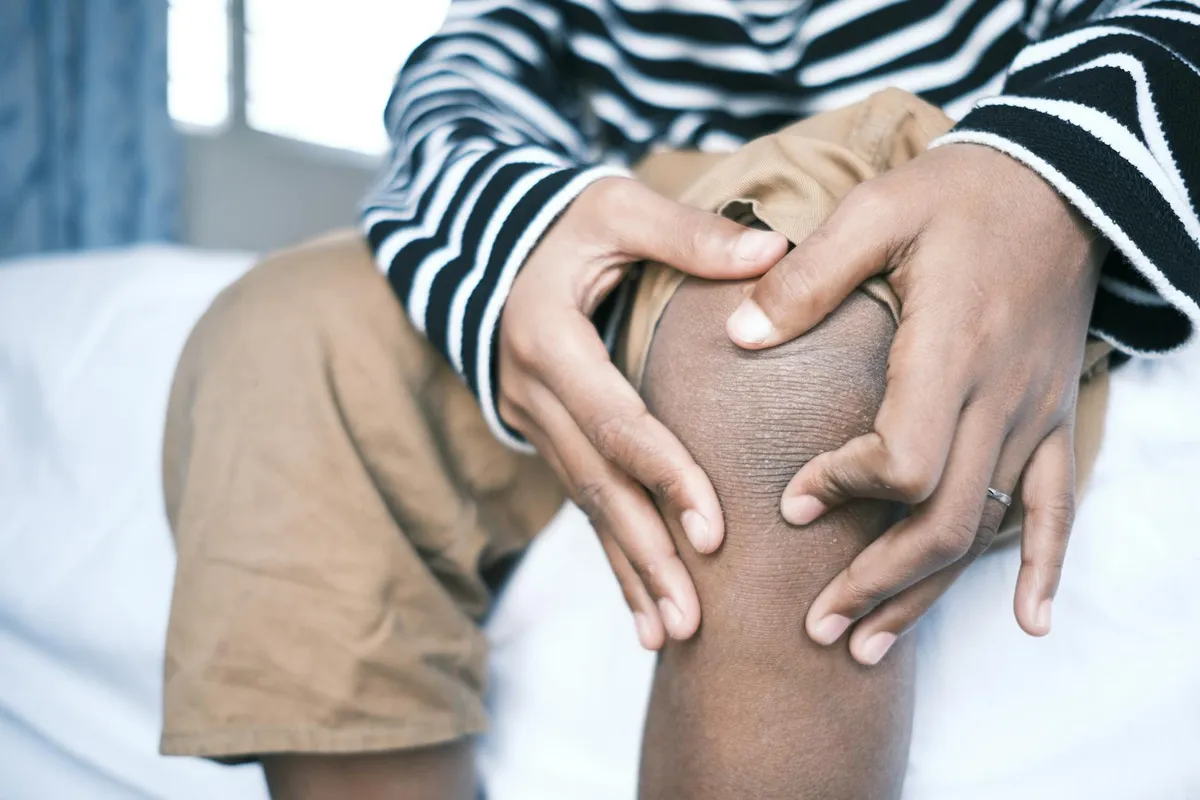
Osteoarthritis involves gradual cartilage breakdown in joints, most often knees, hips, hands, and spine.
Understanding your joints and finding what helps
At a glance
What It Is
Osteoarthritis involves gradual cartilage breakdown in joints, most often knees, hips, hands, and spine.
How It Presents
Pain, stiffness after rest, grating sensations, and reduced range of motion that may worsen with activity.
What May Help
Therapeutic exercise, weight management, heat or cold therapy, and some dietary and mind-body approaches.
Evidence Context
Research is moderate in strength; exercise and weight management have the most consistent supportive evidence.
See the evidence snapshotWhen to Seek Help
See a doctor for diagnosis, if pain is severe or worsening, or if a joint becomes suddenly hot and swollen.
Explanation
Osteoarthritis (OA) is the most common form of arthritis, characterised by progressive degeneration of joint cartilage, subchondral bone changes, osteophyte formation, and synovial inflammation. It most commonly affects the knees, hips, hands, and spine. OA is not simply a disease of wear and tear — inflammatory, metabolic, and biomechanical factors all contribute. Pain, stiffness, reduced range of motion, and functional impairment are the predominant symptoms. While cartilage loss cannot be reversed, symptoms can be significantly managed with exercise, weight management, and multimodal care.
Could this be you
Osteoarthritis shows up differently for everyone. Browse by how it tends to be felt — these are common experiences, not a checklist or a diagnosis.
Common experiences people describe — not a diagnostic checklist.
Why it happens
Osteoarthritis usually comes from a mix of factors rather than a single cause. These are common contributors — not certainties.
Age, genetics, female sex hormones, and joint malalignment all appear to influence how quickly cartilage wears down over time.
Chronic stress may amplify pain perception and promote low-grade inflammation, which some researchers suggest could accelerate joint tissue changes.
Excess body weight, previous joint injuries, repetitive loading, and muscle weakness around a joint are among the most recognized contributing factors.
Poor sleep is associated with heightened pain sensitivity and reduced tissue repair, which may worsen the day-to-day experience of osteoarthritis symptoms.
What happens in the body
Osteoarthritis can involve several of the body’s systems. These are common patterns researchers describe — how they show up varies from person to person.
Cartilage matrix breaks down faster than it can be repaired, exposing underlying bone to increased load and triggering reactive bone remodeling and osteophyte growth.
Cartilage debris in the joint space can activate synovial cells, producing low-grade inflammatory mediators that contribute to pain, swelling, and further tissue breakdown.
Persistent joint nociception may sensitize central pain pathways over time, causing some individuals to experience pain that exceeds what local tissue damage alone would predict.
Muscle weakness and altered joint loading patterns reduce shock absorption across the joint, accelerating cartilage stress and contributing to functional decline and movement avoidance.
Process
Management
Structured movement guided by a physical therapist may support joint mobility, surrounding muscle strength, and pain management over time.
A doctor may discuss options such as NSAIDs, acetaminophen, or topical analgesics to help manage day-to-day joint discomfort.
Tai Chi, Pilates, and Yin Yoga are among the practices some people find helpful for maintaining flexibility and easing stiffness in affected joints.
Some practitioners suggest these light-based therapies may support localized comfort in joints, though research is still developing.
Supplements such as glucosamine, turmeric, and Ayurvedic Rasayana formulas are traditionally used to support joint health, with variable individual responses.
Self-Care
Walking, swimming, or cycling may support joint mobility and reduce stiffness; many people find that consistent gentle movement helps more than rest.
Strengthening the muscles surrounding the knee or hip may help offload stress on the joint; a physical therapist can tailor a safe program.
Even modest weight reduction may meaningfully reduce load on weight-bearing joints like the knees and hips, which some people find eases day-to-day pain.
Warm compresses before activity may help loosen stiff joints; cold packs after exertion may support comfort by reducing local inflammation around the joint.
Spreading tasks across the day, using ergonomic tools, and avoiding prolonged static positions may reduce cumulative joint strain over time.
The Evidence
What research tells us about managing osteoarthritis — and where the evidence is stronger or more limited.
Exercise and movement are the most supported interventions
Osteoarthritis has a well-researched management landscape. Exercise, weight management, and multimodal care have the strongest support. Some complementary approaches show moderate benefit, while others have mixed or limited evidence.
Land and water-based exercise are consistently supported across clinical guidelines. Weight management has robust evidence for reducing knee OA symptoms and slowing progression. Manual therapy shows moderate evidence as an adjunct to exercise. Acupuncture has moderate evidence for pain relief. Glucosamine and chondroitin have mixed findings and remain debated.
Inflammatory, metabolic, and biomechanical factors all contribute to OA progression. Persistent pain can also involve central sensitisation, meaning pain experience may exceed what local joint damage alone explains. Cartilage loss cannot be reversed, but symptoms and function can be meaningfully improved with the right combination of approaches.
Acupuncture, massage, yoga, and tai chi are commonly used alongside physiotherapy for OA. Evidence for pain and mobility benefits is moderate for acupuncture and tai chi. Nutritional approaches, including anti-inflammatory dietary patterns, are explored but evidence remains limited. These are best considered as adjuncts to, not replacements for, exercise-based rehabilitation.
A sudden hot, swollen joint, fever alongside joint pain, joint pain following injury, rapid swelling, or inability to bear weight all warrant prompt professional assessment. These may indicate infection, inflammatory arthritis, or structural injury requiring different management. Do not assume new or changed joint symptoms are simply OA without professional evaluation.
High-impact loading on severely degenerated joints may increase discomfort and should be introduced carefully. Prolonged inactivity worsens muscle weakness and joint stability over time. Relying solely on pain medication without rehabilitation does not address the underlying functional decline. Any new exercise programme should be guided by a qualified practitioner familiar with your joint health.
Physiotherapy, osteopathy, and exercise physiology can help tailor movement programmes to your joint capacity. For pain that is complex or persistent, a pain specialist or rheumatologist may be appropriate. Complementary practitioners working alongside your primary care team can contribute meaningfully — open communication between all involved supports the best outcomes.
Safety first
Osteoarthritis is manageable, and support helps. Some situations call for prompt professional help.
Explore approaches
Practices people explore for osteoarthritis — alongside professional care.
FAQ
Many people find that gentle, consistent movement helps reduce stiffness and supports joint function over time. Low-impact options like swimming or walking are often well tolerated. Starting slowly and building gradually is generally recommended.
Some people find acupuncture, tai chi, or topical remedies like capsaicin helpful for managing discomfort. Evidence varies across approaches. A healthcare provider can help weigh options alongside conventional care.
Excess weight places additional load on weight-bearing joints like the knees and hips. Some people find that even modest weight reduction may support reduced joint discomfort and improved mobility over time.
A doctor should be involved in confirming your diagnosis and guiding a management plan. Seek urgent care if a joint becomes suddenly hot, swollen, or extremely painful, as this may indicate a separate condition needing prompt attention.
Progression varies significantly between individuals. Lifestyle factors like activity levels and weight management may influence how symptoms develop. Many people maintain meaningful quality of life with consistent self-care and appropriate support.
Keep exploring
Browse practitioners, explore honest overviews, and take what you learn to a conversation — at your own pace.