What it is
A plant-focused diet that skips animal flesh, often still including dairy and eggs.
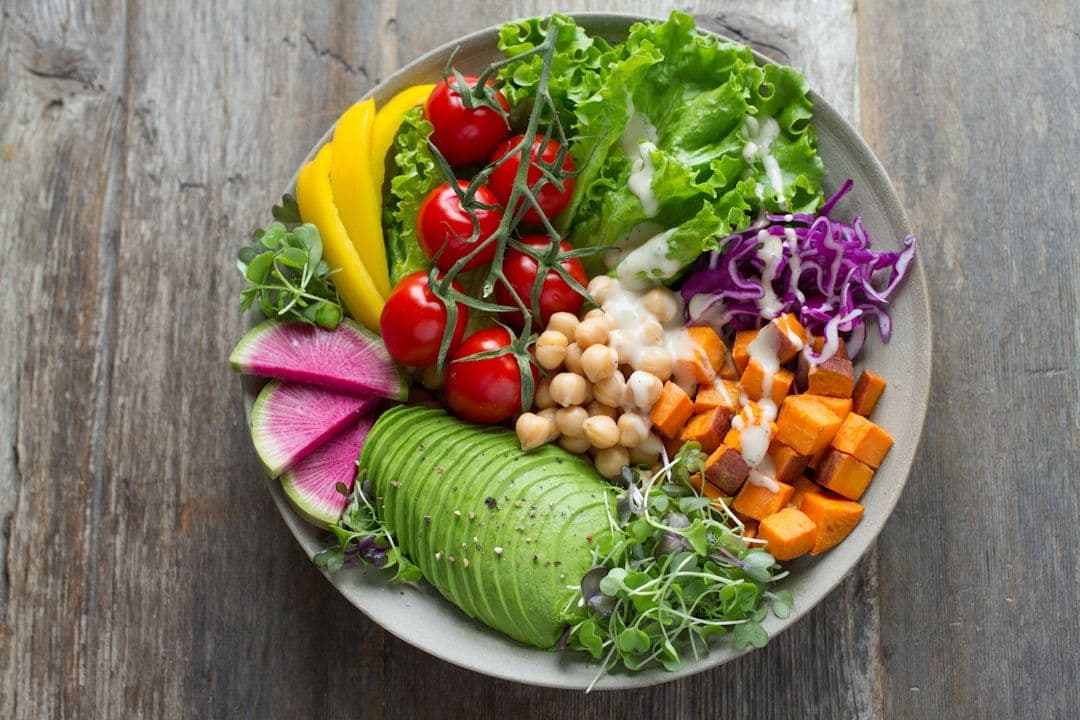
Vegetarianism is a dietary approach that eliminates or significantly reduces animal flesh consumption while emphasizing plant-based foods...

At a glance
What it is
A plant-focused diet that skips animal flesh, often still including dairy and eggs.
Why explore it
May support heart health, blood sugar balance, digestion, and healthy weight over time.
How it’s experienced
Built around daily meals of vegetables, legumes, grains, and nuts at whatever pace suits you.
Evidence context
Research links well-planned vegetarian diets to lower heart disease and diabetes risk.
See the evidence snapshotSafety
Low risk when well-planned, though B12, iron, and omega-3s deserve extra attention.
See staying safeHistory & Origin
Vegetarianism involves adopting a diet that primarily consists of plant-based foods while avoiding or limiting the consumption of animal products for health, ethical, or environmental reasons.
Vegetarianism has ancient roots spanning multiple cultures and philosophies. In India, vegetarianism emerged from Hindu and Buddhist traditions emphasizing non-violence (ahimsa) toward animals, with historical texts like the Vedas and Buddhist teachings promoting plant-based living. Jainism took this principle further, advocating strict vegetarianism as a core spiritual practice. In the Western world, organized vegetarianism gained momentum during the 19th century, influenced by the Vegetarian Society founded in England in 1847, which combined ethical, religious, and health motivations.
The modern vegetarian movement expanded significantly in the 1960s and 1970s, driven by counterculture movements, environmental consciousness, and influential figures like George Bernard Shaw and later celebrities and athletes who publicly championed plant-based living. Religious groups including Seventh-day Adventists contributed substantially to vegetarian research, with their large cohorts providing valuable health data. The environmental movement added momentum, highlighting the ecological impact of animal agriculture on land use, water consumption, and climate change.
Today, vegetarianism spans a spectrum from lacto-ovo vegetarians (consuming dairy and eggs) to vegans (consuming no animal products). Scientific interest in plant-based diets has grown exponentially, with major health organizations acknowledging that well-planned vegetarian diets can support health across all life stages. The movement continues to evolve, intersecting with sustainability, food justice, and emerging research on plant-based nutrition.
Mechanism
Vegetarian is usually understood through daily choices, patterns, and gradual behavior change rather than a single session effect. Practitioners may focus on food quality, timing, preparation, symptoms, preferences, culture, and sustainability. Some approaches are tradition-based, while others draw on nutrition science or clinical guidelines. Recommendations should be individualized, especially when medical conditions, pregnancy, medications, or restrictive eating patterns are involved. A vegetarian diet works by replacing animal flesh with plant-based protein sources—legumes, nuts, seeds, whole grains, and vegetables—which provide essential amino acids, fiber, and micronutrients necessary for bodily function.
Your first visit
A typical session outline to help you feel prepared
A vegetarian nutrition session guides you through building a nourishing, satisfying plant-based lifestyle with personalized meal strategies and practical everyday support.
You'll start by sharing your health history, current eating habits, and what's motivating your interest in a vegetarian lifestyle, whether it's health, ethics, or both.
Your practitioner reviews your typical daily meals to identify any nutrients that may be harder to get without meat, such as B12, iron, zinc, and omega-3s.
Together you'll define clear, realistic goals, like reducing animal products gradually or going fully plant-based, so the plan truly fits your pace and lifestyle.
You'll receive a practical meal plan built around your food preferences, budget, and schedule, featuring whole grains, legumes, vegetables, and plant proteins.
Your practitioner walks you through which supplements, such as B12 or vitamin D, may support your wellbeing and how to incorporate them simply into your routine.
You'll get hands-on suggestions for plant-based ingredient swaps, easy protein-rich recipes, and label-reading tips to make shopping and cooking feel effortless.
The session wraps up with open time for your questions, and you'll schedule a follow-up to adjust your plan as you settle into your new eating approach.
The Evidence
What research says about plant-based eating, its documented benefits, nutritional considerations, and where evidence is stronger or more limited.
Well-studied dietary pattern with consistent cardiovascular findings
Vegetarian diets are among the more thoroughly researched dietary patterns, with major health bodies recognising well-planned versions as nutritionally adequate. Evidence is strongest for heart health and weight management; benefits in other areas are promising but less definitive.
Large prospective studies including the Adventist Health Studies and Oxford Vegetarian Study show consistent associations with lower blood pressure, reduced cholesterol, and lower cardiovascular disease risk. Evidence for type 2 diabetes and healthy weight maintenance is also reasonably strong. Benefits for other conditions are supported by fewer or smaller studies.
The Academy of Nutrition and Dietetics, American Heart Association, and World Health Organization have all acknowledged that well-planned vegetarian diets can be nutritionally adequate. Most evidence comes from observational cohort studies, which show associations but cannot confirm causation. Randomised controlled trial data remains more limited.
As an Alternative modality, vegetarianism involves a sustained lifestyle shift rather than a discrete therapy. It intersects with traditional systems such as Ayurveda and Buddhist practice, as well as contemporary nutritional science. Its effects are cumulative and depend heavily on how the diet is planned and maintained over time.
Hindu, Buddhist, and Jain traditions in South Asia established plant-based eating as an expression of non-violence toward living beings. In the West, organised vegetarianism emerged in the 19th century through the Vegetarian Society, blending ethical and health motivations. These diverse origins mean vegetarianism carries both cultural significance and practical nutritional intent.
Vitamin B12, iron, omega-3 fatty acids, calcium, vitamin D, iodine, and zinc all require careful planning. Pregnant and breastfeeding individuals, children, and those with absorption conditions should develop vegetarian plans with a qualified healthcare provider. Poorly planned diets lacking variety can lead to nutritional gaps over time.
Many vegetarian cohort participants also have other health-positive behaviours, making it difficult to isolate diet as the sole factor. Evidence quality varies by health outcome, and individual responses differ based on genetics, gut health, and diet quality. Vegetarianism supports health but is not a substitute for professional assessment or management of existing conditions.
Safety first
General guidance to help you decide whether this approach is appropriate for you. This is informational only and not a substitute for medical, psychological, or professional advice.
If you are pregnant, managing a health condition, recovering from injury or surgery, or taking medication, consult a qualified healthcare professional first.
Some situations call for extra care or a different approach. Share any conditions, injuries, or sensitivities with your practitioner before your first session.
Look for clear boundaries, transparent pricing, and practitioners who avoid fear-based claims or pressure to book frequent sessions.
Mild, short-lived effects such as tenderness, tiredness, or temporary soreness can occur. Rest, hydrate, and tell your practitioner how you respond.
For you?
A simple, human way to weigh it up. This is general guidance, not personal medical advice — a qualified practitioner can advise on your situation.
Gyfts is a discovery platform, not a medical provider. Nothing here diagnoses, treats or replaces professional care. In an emergency, contact your local emergency number.
Explore approaches
Other practices people often explore alongside vegetarian.
In their words
FAQ
Lacto-ovo vegetarians avoid all animal flesh but consume dairy products and eggs. Vegans avoid all animal products including dairy, eggs, honey, and animal-derived ingredients. Pescatarians include fish but avoid other meat. Plant-based eating may include occasional animal products but emphasizes plant foods. Your practitioner helps you choose the approach matching your values and nutritional needs.
Plant-based protein sources include legumes (beans, lentils, chickpeas), soy products (tofu, tempeh, edamame), nuts, seeds, whole grains, and vegetables. Combining these throughout the day provides complete amino acid profiles. Your practitioner develops a personalized protein plan ensuring adequate intake for your activity level and health goals.
Vitamin B12 supplementation is essential for vegans and highly recommended for vegetarians eating minimal dairy/eggs, as B12 is not naturally available in plant foods. Other nutrients like vitamin D, iron, calcium, and omega-3 fatty acids may require supplementation depending on your diet composition and individual absorption. Your practitioner assesses your individual needs.
Some benefits like improved digestion and energy may appear within weeks. Cardiovascular improvements including cholesterol reduction typically develop over 4-12 weeks. Weight loss and metabolic changes vary individually. Sustained benefits develop with consistent dietary adherence over months and years.
Yes, well-planned vegetarian diets support healthy child development. However, children have higher protein, calorie, and micronutrient needs per pound of body weight than adults. Dietary planning should occur under healthcare provider guidance to ensure adequate calories, protein, iron, calcium, vitamin D, vitamin B12, and zinc for growth and development.
Yes, many athletes thrive on plant-based diets. Athletic performance on vegetarianism requires adequate total calorie intake, sufficient protein distributed throughout the day, proper carbohydrate timing around workouts, and attention to iron, zinc, and omega-3 intake. Your practitioner can develop a performance-focused plant-based nutrition plan.
Flexitarian approaches—primarily plant-based with occasional animal products—offer many health benefits and are easier for some people to sustain. Your practitioner works with various levels of plant-based eating, respecting your preferences and constraints while optimizing your nutritional approach.
Your practitioner provides strategies for restaurant navigation, communicating dietary preferences, managing family meals, and handling social pressure. Practical skills include reading menus in advance, knowing which cuisines accommodate vegetarianism, and confident communication about your choices.
References
Educational sources that inform this overview. Inclusion is for context and does not imply endorsement.
Full citations are maintained by the Gyfts editorial team and reviewed periodically.
Keep exploring
Browse practitioners, explore honest overviews, and take what you learn to a conversation — at your own pace.