What it is
An uncomfortable sensitivity or painful response to light intensities that others find normal — a common feature of migraine and post-concussion syndrome.
An uncomfortable sensitivity or painful response to light intensities that others find normal — a common feature of migraine and post-concussion syndrome.
At a glance
What it is
An uncomfortable sensitivity or painful response to light intensities that others find normal — a common feature of migraine and post-concussion syndrome.
Commonly experienced as
Evidence context
Emerging evidenceSee the evidence snapshotContext
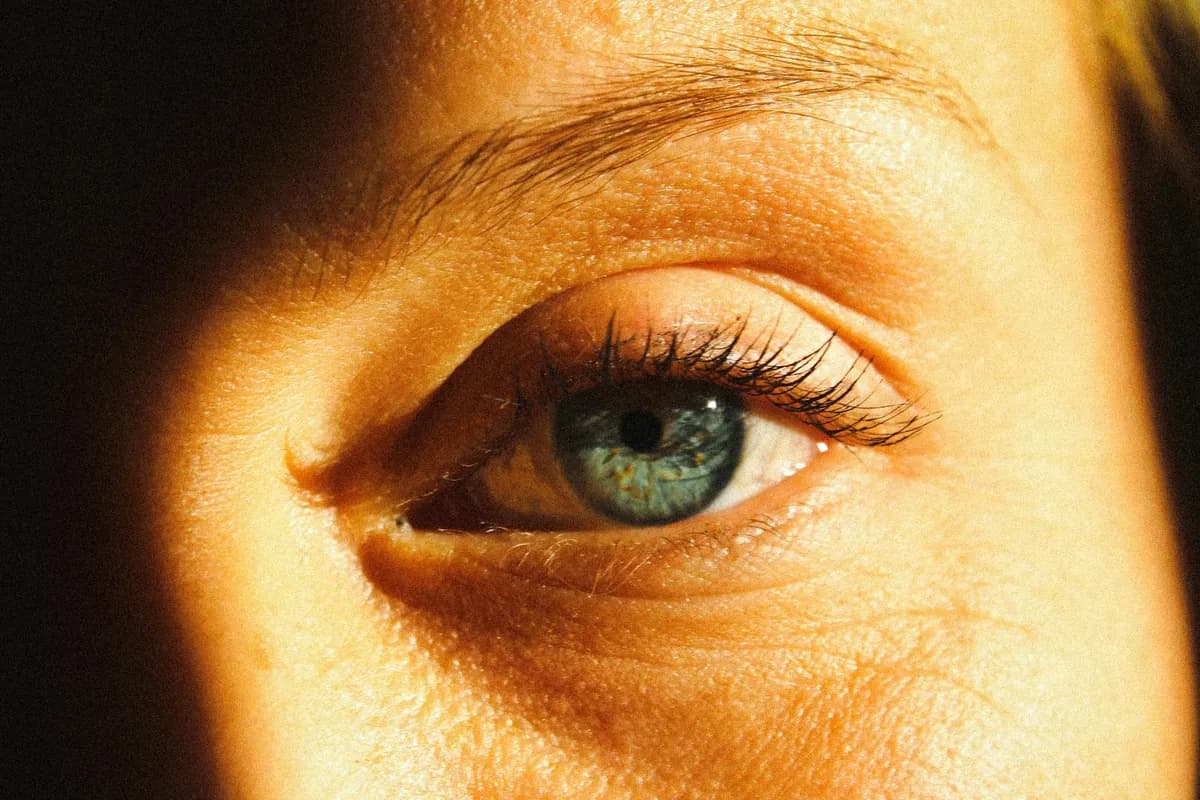
Light sensitivity (photophobia) describes a state in which exposure to normal levels of light produces discomfort, pain, or the compulsion to avoid light. It differs from simple preference for dim environments in involving genuine physiological pain or discomfort in response to light. Photophobia is a diagnostic criterion for migraine, where cortical sensitisation makes the visual cortex hyperresponsive. It is a hallmark symptom of meningitis (alongside severe headache and neck stiffness — a medical emergency). Post-concussion syndrome produces chronic light sensitivity. Dry eye syndrome, uveitis, and corneal injury produce ocular photophobia. Managing photophobia requires addressing the underlying cause — migraine prevention for migraine-related photophobia, and FL-41 tinted glasses for those requiring daily management.
Could this be you
Light Sensitivity shows up differently for everyone. Browse by how it tends to be felt — these are common experiences, not a checklist or a diagnosis.
Common experiences people describe — not a diagnostic checklist.
The Evidence
What research and clinical practice say about light sensitivity, its causes, and approaches to managing it.
Light sensitivity is well-characterised but cause-dependent
Photophobia is a recognised feature of several conditions, with migraine and post-concussion syndrome among the most studied. Management approaches vary by underlying cause, and some — like FL-41 tinted lenses — have moderate supporting evidence.
Light sensitivity alongside severe sudden headache, neck stiffness, fever, or rash may indicate meningitis — seek emergency care immediately. Sudden vision changes with weakness, speech difficulty, or loss of consciousness also require urgent assessment. Do not attempt to self-manage light sensitivity when these signs are present.
FL-41 tinted lenses have moderate evidence for reducing light-triggered discomfort, particularly in migraine. Migraine prevention strategies that reduce overall attack frequency also reduce associated photophobia. Evidence for standalone light-management approaches is practical rather than trial-based, and most research focuses on migraine rather than other causes.
In migraine, cortical sensitisation makes the visual cortex hyperresponsive to light. In post-concussion syndrome, chronic photophobia may persist for months. Ocular causes — including dry eye, uveitis, and corneal injury — produce a distinct pattern. Accurate professional assessment is needed to distinguish these, as management differs significantly between them.
FL-41 tinted glasses offer practical daily support for those with chronic photophobia. Migraine-specific prevention — whether pharmacological or behavioural — addresses the underlying driver in migraine-related cases. Environmental adjustments such as screen filters and controlled lighting can reduce daily burden. A practitioner can help identify which approach fits your situation.
A GP or neurologist is appropriate for persistent or worsening photophobia, particularly if linked to headache or head injury. An ophthalmologist should assess cases where eye pain or visual changes are present. Optometrists can advise on tinted lens options. Self-managing without professional assessment is not recommended when the cause is unknown.
Most research on photophobia management focuses on migraine populations, limiting how broadly findings apply. Complementary and holistic approaches may offer supportive benefit but are not substitutes for professional assessment of the underlying cause. Inflated outcome claims for any single product or technique should be viewed with caution.
References
Educational sources that inform this overview. Inclusion is for context and does not imply endorsement.
Full citations are maintained by the Gyfts editorial team and reviewed periodically.
Keep exploring
Browse practitioners, explore honest overviews, and take what you learn to a conversation — at your own pace.