What it is
Inflammation of liver tissue — a broad category encompassing viral, autoimmune, alcoholic, and drug-induced causes.
Inflammation of liver tissue — a broad category encompassing viral, autoimmune, alcoholic, and drug-induced causes.
At a glance
What it is
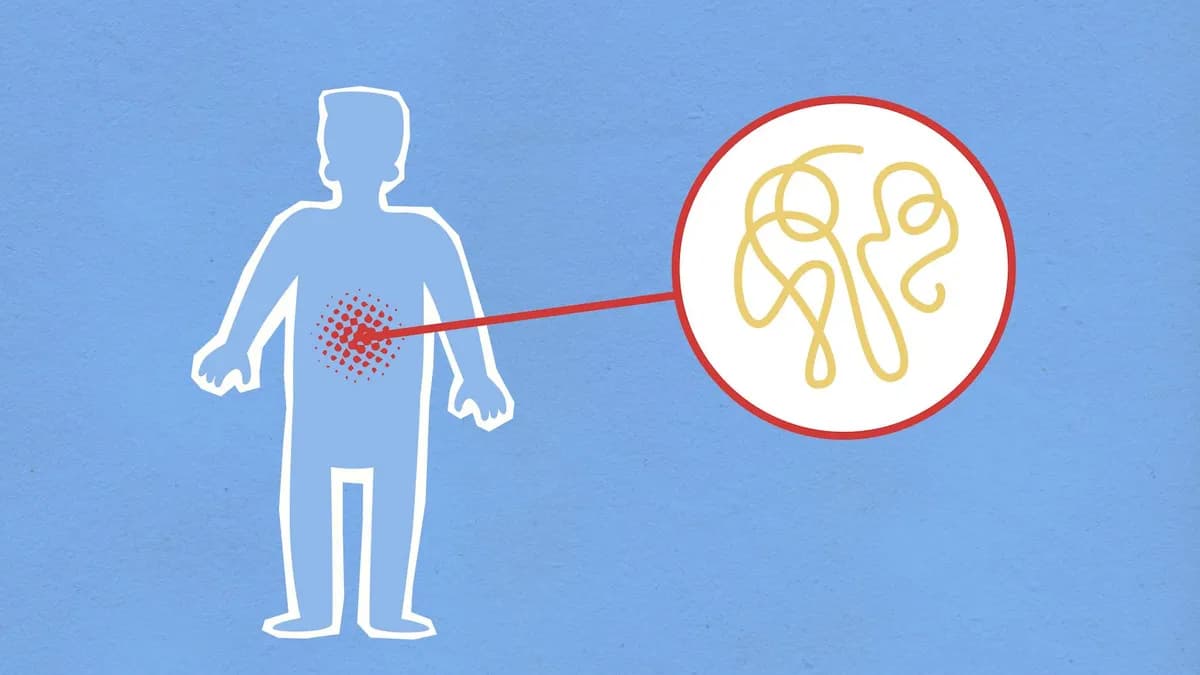
Inflammation of liver tissue — a broad category encompassing viral, autoimmune, alcoholic, and drug-induced causes.
Commonly experienced as
Evidence context
Experiential supportSee the evidence snapshotContext
Liver inflammation (hepatitis) describes inflammatory damage to the hepatocytes (liver cells) — detectable through elevated liver enzymes (ALT, AST) on blood testing and by symptoms when inflammation is significant. Causes include viral hepatitis (A, B, C, D, E — with B and C posing chronic infection risks), autoimmune hepatitis (where the immune system attacks liver cells), alcoholic hepatitis (from excess alcohol), non-alcoholic fatty liver disease (NAFLD) and its inflammatory progression (NASH — non-alcoholic steatohepatitis from insulin resistance and obesity), and drug or supplement-induced liver injury. Mild liver inflammation may be asymptomatic. Significant inflammation produces fatigue, nausea, right-sided abdominal discomfort, and potentially jaundice. Any unexplained elevation of liver enzymes requires investigation.
Could this be you
Liver Inflammation shows up differently for everyone. Browse by how it tends to be felt — these are common experiences, not a checklist or a diagnosis.
Common experiences people describe — not a diagnostic checklist.
The Evidence
What research and clinical practice currently say about liver inflammation — its causes, investigation, and management approaches.
Cause-dependent — some paths are well-established, others emerging
Liver inflammation spans many causes, and the strength of evidence varies significantly by type. Some causes have highly effective medical management; others rely on lifestyle change or are still being studied.
Seek urgent care if you experience jaundice (yellowing of skin or eyes), confusion or disorientation, severe abdominal pain, or vomiting blood. These may indicate serious liver injury or failure. Unexplained fatigue combined with dark urine or pale stools also warrants prompt professional assessment — do not wait for symptoms to worsen.
Direct-acting antivirals for hepatitis C have strong evidence for achieving sustained viral clearance. Lifestyle modification — including weight reduction and reduced alcohol intake — has strong evidence for improving NAFLD and alcoholic hepatitis. Immunosuppressive therapy for autoimmune hepatitis is well-supported. Evidence for complementary approaches is generally limited and should not replace established care.
Elevated ALT and AST on blood testing are key markers of liver cell stress or damage. Further investigation may include viral serology, imaging, and in some cases liver biopsy. Mild enzyme elevation can be asymptomatic and discovered incidentally. Any unexplained elevation warrants professional follow-up to identify the underlying cause before considering any management approach.
Viral hepatitis may require antiviral medication or monitoring depending on type. Alcoholic and fatty liver disease respond to lifestyle change. Autoimmune hepatitis typically requires immunosuppression. Drug or supplement-induced liver injury usually resolves after the causative agent is stopped. A qualified clinician should guide the appropriate pathway — self-management without professional assessment carries risk.
A general practitioner or primary care physician is the appropriate first point of contact. Depending on findings, referral to a hepatologist or gastroenterologist may follow. Nutritional support from a registered dietitian can be valuable for NAFLD or alcohol-related causes. Complementary practitioners should be informed of any liver condition, as some supplements and herbal products carry hepatotoxicity risk.
This content is educational and does not constitute professional assessment. The cause of liver inflammation cannot be determined without blood tests, history-taking, and clinical review. Some supplements and herbal products marketed for liver support carry their own risk of liver injury. Inflated outcome claims from any product or practice should be viewed with caution and discussed with a qualified clinician.
References
Educational sources that inform this overview. Inclusion is for context and does not imply endorsement.
Full citations are maintained by the Gyfts editorial team and reviewed periodically.
Keep exploring
Browse practitioners, explore honest overviews, and take what you learn to a conversation — at your own pace.