What it is
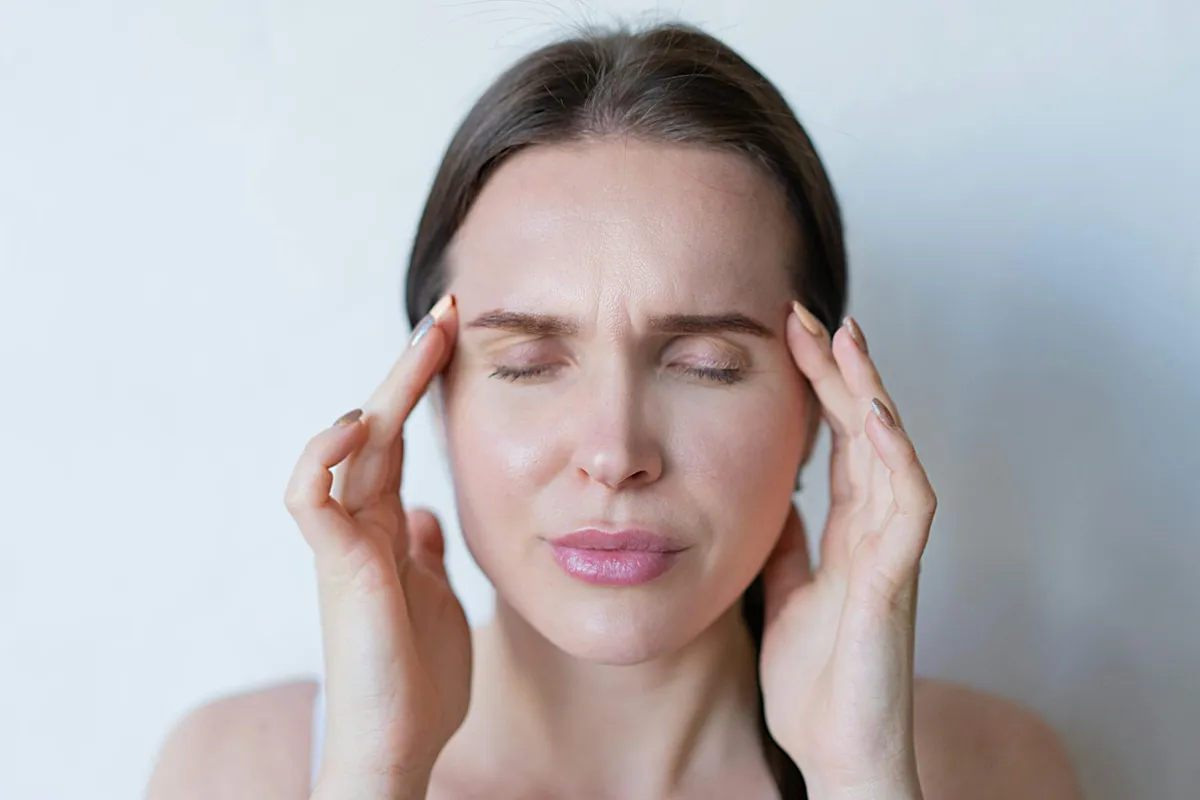
A headache that is present or most intense on waking in the morning, often linked to sleep apnoea, bruxism, or medication effects.
A headache that is present or most intense on waking in the morning, often linked to sleep apnoea, bruxism, or medication effects.
At a glance
What it is
A headache that is present or most intense on waking in the morning, often linked to sleep apnoea, bruxism, or medication effects.
Commonly experienced as
Evidence context
Emerging evidenceSee the evidence snapshotContext
Morning headache describes head pain that is present on waking or develops within the first hour of the morning. The pattern is diagnostically significant. Obstructive sleep apnoea produces bilateral dull morning headaches from overnight hypoxia and hypercapnia, resolving within an hour of waking. Bruxism (nocturnal teeth clenching and grinding) loads the masseter and temporalis muscles overnight, producing temporal and jaw pain on waking. Medication overuse headache is often worst in the morning when overnight medication levels are lowest. Alcohol-induced morning headache (hangover) arises from vasodilation and dehydration. In some migraine sufferers, the morning is a preferred time for attacks. Elevated intracranial pressure classically worsens overnight and produces morning headache with nausea, vomiting, and neurological changes.
Could this be you
Morning Headache shows up differently for everyone. Browse by how it tends to be felt — these are common experiences, not a checklist or a diagnosis.
Common experiences people describe — not a diagnostic checklist.
The Evidence
What research and clinical practice say about morning headache, its common causes, and when to seek professional assessment.
Morning headache is a pattern with identifiable causes and evidence-informed care options
The morning timing of a headache carries real diagnostic value, pointing toward causes such as sleep apnoea, bruxism, or medication effects. Several of these causes have well-supported care options, but professional assessment is needed to identify which applies.
Seek urgent assessment if the headache is sudden and severe with no clear cause, is accompanied by fever, or is worsening progressively over days. Headache alongside numbness, tingling, vision changes, or loss of function may indicate a serious underlying condition. These patterns are not suitable for self-management or complementary approaches alone.
CPAP therapy has strong evidence for reducing morning headache linked to obstructive sleep apnoea. Dental splints are well-supported for bruxism-related jaw and temple pain. Reducing overused pain medication is supported for medication overuse headache. Evidence for complementary approaches is more limited and cause-dependent.
Overnight hypoxia from sleep apnoea, sustained muscle loading from bruxism, and low overnight medication levels each produce distinct morning headache profiles. Elevated intracranial pressure classically worsens overnight. Identifying the pattern through professional assessment is the first step toward an appropriate care plan.
Sleep assessment and CPAP are commonly recommended, well-supported options for apnoea-related headache. Dental review and splinting address bruxism. Supervised medication review is appropriate for overuse headache. Complementary approaches such as physiotherapy, stress management, or sleep hygiene support may assist alongside primary care, but should not replace professional assessment.
A GP can help identify whether sleep, dental, neurological, or medication factors are involved and refer appropriately. Sleep studies, dental review, or neurology referral may follow. Complementary practitioners should be informed of any ongoing professional assessment and should not be the sole point of contact for unexplained or worsening headache.
This content is intended to support awareness and informed decision-making. It cannot identify the cause of your headache, confirm a clinical pattern, or guide your care approach. Morning headache has multiple possible causes, some of which require investigation. Always consult a qualified health professional for persistent, severe, or changing symptoms.
References
Educational sources that inform this overview. Inclusion is for context and does not imply endorsement.
Full citations are maintained by the Gyfts editorial team and reviewed periodically.
Keep exploring
Browse practitioners, explore honest overviews, and take what you learn to a conversation — at your own pace.