What It Is
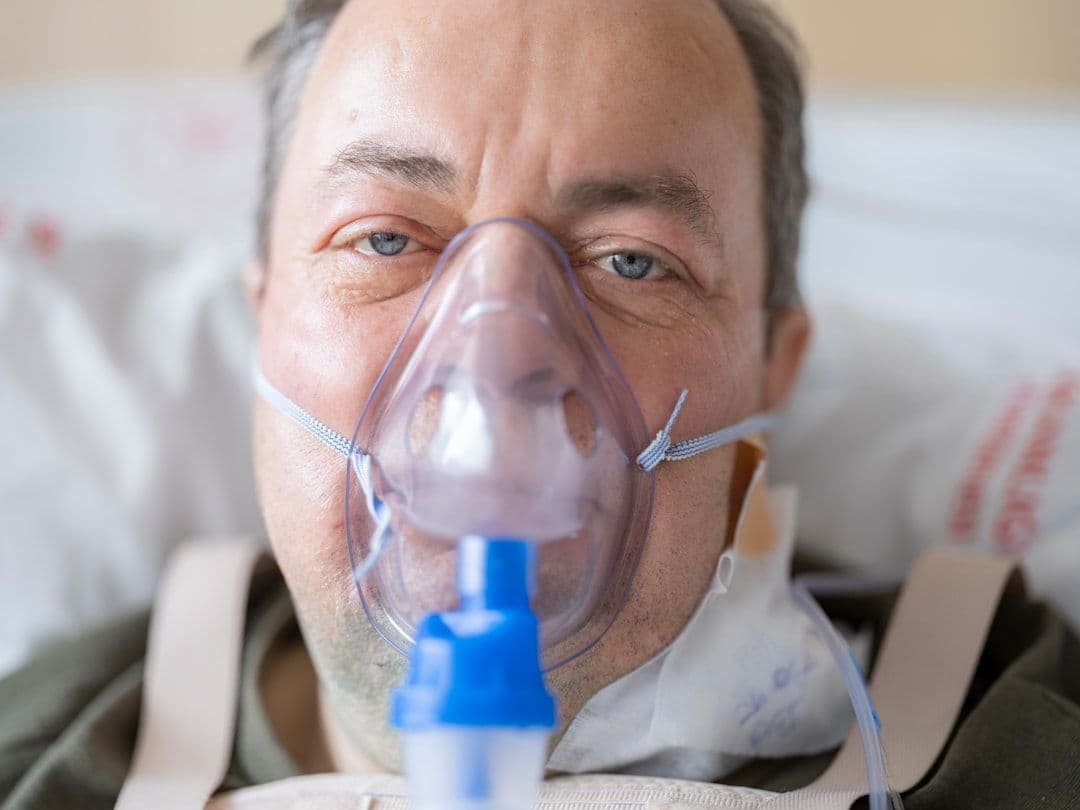
Repeated airway blockages during sleep that interrupt breathing and prevent restorative rest
Understanding why sleep never feels like enough
At a glance
What It Is
Repeated airway blockages during sleep that interrupt breathing and prevent restorative rest
How It Presents
Loud snoring, gasping episodes, unrefreshing sleep, morning headaches, and daytime fatigue
What May Help
CPAP therapy, weight management, positional changes, and myofunctional exercises are commonly explored
Evidence Context
Strong evidence supports CPAP; complementary approaches show promising but more limited research
See the evidence snapshotWhen to Seek Help
Breathing pauses, extreme sleepiness affecting safety, or persistent fatigue warrant prompt evaluation
Explanation
Obstructive sleep apnoea occurs when the upper airway repeatedly collapses during sleep, causing breathing pauses that fragment sleep and reduce oxygen levels. Symptoms commonly include loud snoring, gasping, excessive daytime sleepiness, and difficulty concentrating. Left unmanaged, it may be associated with cardiovascular and metabolic health concerns. Diagnosis typically involves a sleep study to assess the frequency and severity of airway events. CPAP therapy remains the most widely recommended intervention, though oral appliances and positional strategies may suit some individuals. Weight management may support a reduction in airway obstruction where excess weight is a contributing factor.
Could this be you
Obstructive sleep apnoea shows up differently for everyone. Browse by how it tends to be felt — these are common experiences, not a checklist or a diagnosis.
Common experiences people describe — not a diagnostic checklist.
Why it happens
Obstructive sleep apnoea usually comes from a mix of factors rather than a single cause. These are common contributors — not certainties.
Anatomical factors such as a narrow airway, enlarged tonsils, or a recessed jaw may increase the likelihood of airway collapse during sleep.
Chronic stress may worsen muscle tension and disrupt breathing patterns, potentially compounding nighttime airway instability in susceptible individuals.
Excess weight, particularly around the neck and throat, is one of the most commonly associated risk factors and may contribute to airway narrowing during sleep.
Sleeping on the back, irregular sleep schedules, and alcohol use before bed may relax throat muscles in ways that increase the risk of airway obstruction.
What happens in the body
Obstructive sleep apnoea can involve several of the body’s systems. These are common patterns researchers describe — how they show up varies from person to person.
During sleep, throat muscles relax and may allow the upper airway to partially or fully collapse, repeatedly interrupting normal airflow and breathing.
Each breathing pause can trigger brief arousals from sleep as the brain responds to falling oxygen levels, fragmenting sleep architecture over the night.
Repeated drops in blood oxygen and surges in stress hormones during apnoea events may place added strain on the heart and blood vessels over time.
Disrupted sleep and intermittent hypoxia may interfere with hormonal regulation, including cortisol and insulin pathways, which could affect metabolism and energy balance.
Process
Management
Continuous positive airway pressure is the standard medical intervention for obstructive sleep apnoea; a doctor will typically recommend this as the first-line approach to keeping the airway open during sleep.
A dentist or sleep specialist may discuss custom-fitted mandibular advancement devices, which some people find helpful for mild to moderate obstructive sleep apnoea when CPAP is not well tolerated.
For those with excess body weight, supervised weight reduction programmes may support a reduction in airway obstruction severity, as excess tissue around the neck and throat is a recognised contributing factor.
Supplemental oxygen is sometimes used alongside other treatments; some practitioners suggest it may support blood oxygen levels during sleep, though it is typically considered an adjunct rather than a primary approach.
Sleeping on one's side rather than the back, limiting alcohol close to bedtime, and avoiding sedatives may support reduced episode frequency; some people find these changes meaningfully improve their symptoms.
Self-Care
Going to bed and waking at the same time daily may support more stable breathing patterns overnight and help reduce daytime sleepiness linked to obstructive sleep apnoea.
Alcohol relaxes throat muscles and may worsen airway collapse during sleep. Some people find reducing evening intake supports fewer disruptions and less morning grogginess.
Regular physical activity may support weight management and upper airway muscle tone, both of which some practitioners suggest play a role in reducing apnoea severity.
A calm sleep environment may support deeper, more restorative rest. Reducing noise and light disruption is especially relevant when sleep quality is already compromised.
Stress can heighten arousal and disrupt breathing rhythm. Some people find gentle relaxation practices before bed, such as slow breathing or light stretching, may ease the transition to sleep.
The Evidence
What research and clinical practice say about obstructive sleep apnoea and the approaches used to support it.
Well-researched condition with established care pathways
Obstructive sleep apnoea is a well-characterised condition with strong evidence supporting medical evaluation and CPAP therapy as primary interventions. Complementary lifestyle strategies have moderate supporting evidence and are best used alongside, not instead of, conventional care.
CPAP therapy is backed by extensive clinical research and remains the most widely recommended intervention for moderate to severe OSA. Weight management and positional therapy have moderate evidence for reducing apnoea severity. Approaches such as myofunctional therapy and oral appliances have emerging but more limited evidence. Complementary strategies may support sleep quality but should not replace medical assessment.
A sleep study — conducted in a clinic or at home — measures breathing pauses, oxygen levels, and sleep disruption to establish severity. CPAP therapy delivers continuous air pressure to keep the airway open during sleep. Oral appliances and positional strategies may suit milder cases. A qualified sleep specialist or respiratory physician is best placed to guide assessment and ongoing management.
Breathing pauses observed during sleep, gasping or choking at night, and extreme daytime sleepiness — particularly if it affects driving or work safety — require prompt medical assessment. Sudden loss of consciousness or severe morning confusion should not be attributed to sleep alone and need urgent evaluation. Do not stop prescribed medications without professional guidance.
Relaxation practices such as mindfulness and meditation may help reduce sleep-related anxiety and support overall sleep quality, though evidence specific to OSA is limited. Myofunctional therapy — exercises targeting the tongue and throat muscles — has emerging evidence for improving airway tone. Nutritional and naturopathic approaches may support weight management where relevant. None of these replace medical evaluation or CPAP therapy.
Excess weight around the neck and upper airway is a recognised contributing factor, and weight management may reduce apnoea severity in some individuals. Sleeping on the side rather than the back can reduce airway collapse in positional OSA. Alcohol and sedatives relax throat muscles and may worsen symptoms. These strategies are most effective as part of a broader care plan guided by a qualified practitioner.
OSA carries real cardiovascular and metabolic health implications if left unmanaged. No complementary approach has been shown to reliably replace CPAP therapy or professional sleep assessment for moderate to severe OSA. Inflated outcome claims from any single intervention should be viewed with caution. Individuals are encouraged to use complementary strategies as part of a coordinated plan with their healthcare team.
Safety first
Obstructive sleep apnoea is manageable, and support helps. Some situations call for prompt professional help.
Explore approaches
Practices people explore for obstructive sleep apnoea — alongside professional care.
FAQ
CPAP delivers continuous air pressure to keep the airway open during sleep. It is the most evidence-supported option, though alternatives like oral appliances or positional therapy may suit some people. A sleep specialist can help identify the best fit.
For some people, weight loss, reduced alcohol intake, and avoiding back-sleeping may meaningfully reduce episode frequency. These are generally recommended alongside, not instead of, medical treatment.
Myofunctional therapy — exercises targeting the tongue and throat muscles — has shown promising results in some studies. Some people also find positional devices or breathing practices supportive when used alongside primary treatment.
If a bed partner notices breathing pauses, or you experience severe daytime sleepiness that affects driving or work safety, prompt medical evaluation is important. Sleep apnoea carries real cardiovascular risks that benefit from professional assessment.
Airway obstructions fragment sleep architecture, preventing the deep, restorative stages your body needs. Even without fully waking, these micro-arousals can leave you feeling unrefreshed despite spending adequate hours in bed.
Keep exploring
Browse practitioners, explore honest overviews, and take what you learn to a conversation — at your own pace.