What it is
Skin that produces excess sebum, creating a shiny, greasy appearance prone to blocked pores and acne.
Skin that produces excess sebum, creating a shiny, greasy appearance prone to blocked pores and acne.
At a glance
What it is
Skin that produces excess sebum, creating a shiny, greasy appearance prone to blocked pores and acne.
Commonly experienced as
Evidence context
Emerging evidenceSee the evidence snapshotContext
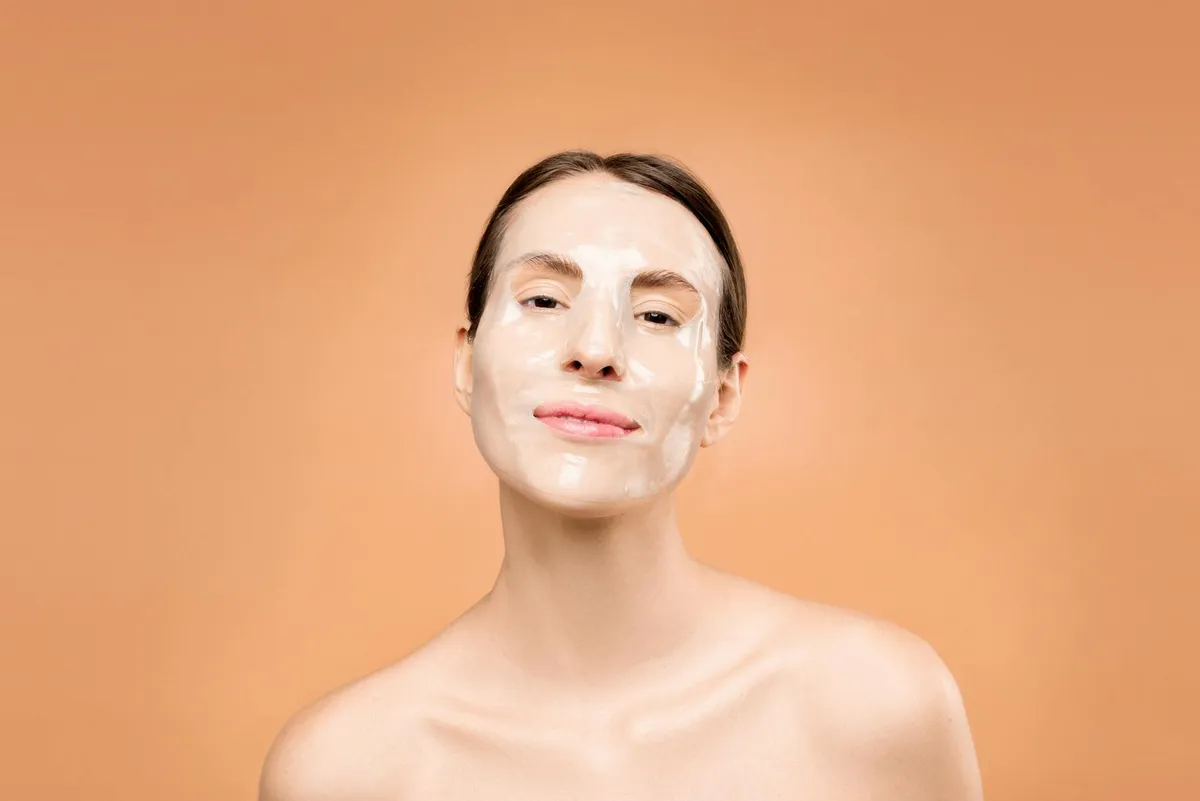
Oily skin describes a complexion characterised by excess sebum (skin oil) production from hyperactive sebaceous glands — producing a shiny, greasy appearance, enlarged pores, and susceptibility to comedones (blackheads and whiteheads), acne, and makeup that does not stay on. Sebum production is primarily driven by androgens, making oily skin most prevalent during adolescence, in those with PCOS (where elevated androgens drive excess sebum), and influenced by hormonal fluctuations across the menstrual cycle. Contributing factors include genetics, hormonal milieu, humidity and heat, dietary patterns (high glycaemic foods may increase sebum production), and certain skin care products that over-strip the skin, triggering compensatory oil production.
Could this be you
Oily Skin shows up differently for everyone. Browse by how it tends to be felt — these are common experiences, not a checklist or a diagnosis.
Common experiences people describe — not a diagnostic checklist.
The Evidence
What research says about oily skin, its drivers, and the options with the strongest support.
Well-understood biology, strong options for hormonal cases
Oily skin has a clear biological basis in sebaceous gland activity driven by androgens and genetics. Evidence-backed options range from topical retinoids to hormonal therapies, with strength varying by cause and severity.
Seek prompt attention for a rash spreading rapidly with fever, a skin lesion changing shape or colour quickly, a wound that is not healing, or signs of skin infection such as increasing redness, warmth, swelling, or pus. These are not typical features of oily skin and need professional assessment.
Topical retinoids have strong evidence for reducing sebum production. Hormonal therapies — including combined oral contraceptives and spironolactone — have strong evidence for oily skin driven by elevated androgens. Isotretinoin carries very strong evidence for severe cases. Evidence for dietary and topical-only approaches is more limited.
Sebum production is regulated largely by androgens, which is why oily skin peaks during adolescence and is common in people with PCOS. Humidity, heat, high-glycaemic diets, and over-stripping skin care routines can all amplify sebum output. Identifying the underlying driver helps determine which approach is most appropriate.
Gentle, non-comedogenic skin care and avoiding harsh cleansers that trigger compensatory oil production are practical starting points. For persistent or hormonally driven oily skin, a dermatologist or GP can assess whether topical retinoids, hormonal therapy, or other medical options are appropriate. Self-managed approaches work best for mild cases.
High-glycaemic diets have some evidence linking them to increased sebum and acne activity. Stress may influence androgen levels and skin behaviour. A holistic view considers skin care routine, diet quality, hormonal health, and stress alongside any targeted intervention. Evidence for individual lifestyle factors is moderate and effects vary between people.
Many widely marketed skin care products and natural remedies for oily skin have limited or no robust clinical evidence. Results from well-studied options like retinoids may take weeks to become visible. This content is educational and is not a substitute for professional assessment, particularly where hormonal conditions such as PCOS may be involved.
Top Practitioners
Practitioners are ranked using relevance, experience signals, reviews, and support-area fit.
References
Educational sources that inform this overview. Inclusion is for context and does not imply endorsement.
Full citations are maintained by the Gyfts editorial team and reviewed periodically.
Keep exploring
Browse practitioners, explore honest overviews, and take what you learn to a conversation — at your own pace.