What it is
Pain with a pulsating, rhythmic quality synchronised with the heartbeat — characteristic of migraine and vascular or inflammatory pain.
Pain with a pulsating, rhythmic quality synchronised with the heartbeat — characteristic of migraine and vascular or inflammatory pain.
At a glance
What it is
Pain with a pulsating, rhythmic quality synchronised with the heartbeat — characteristic of migraine and vascular or inflammatory pain.
Commonly experienced as
Evidence context
Research-supportedSee the evidence snapshotContext
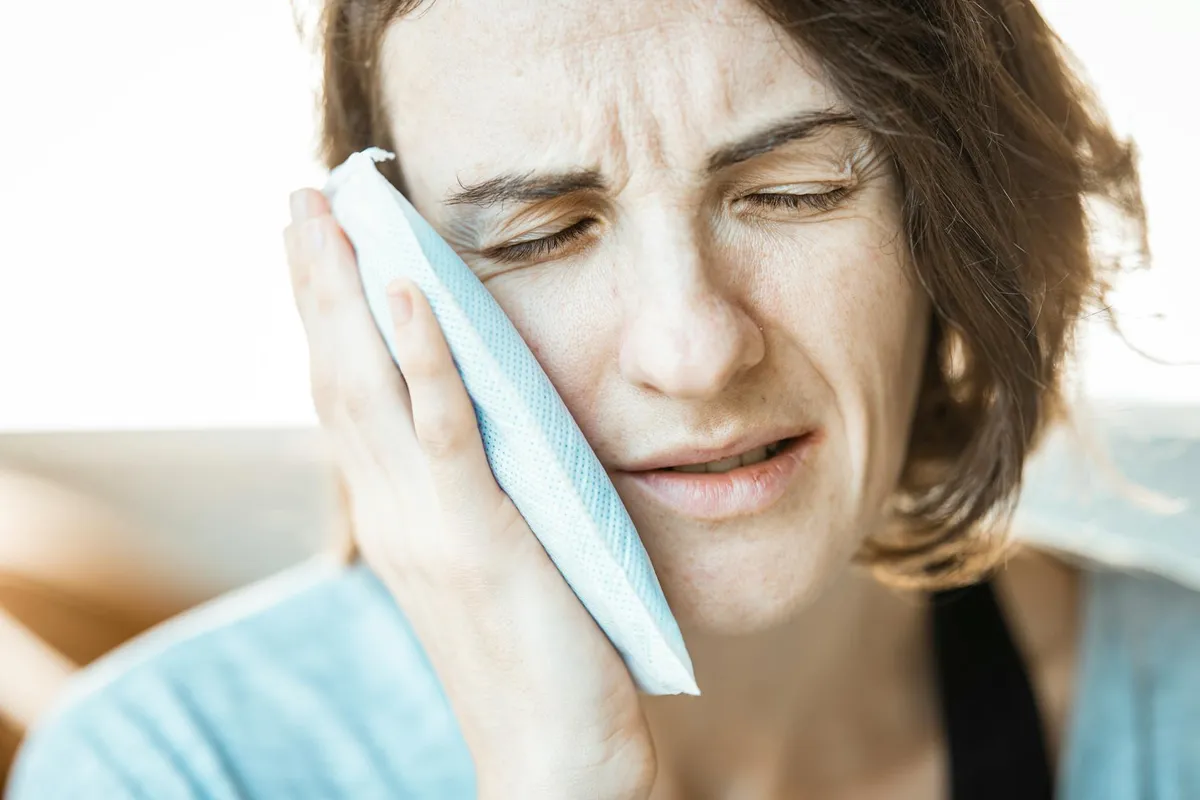
Throbbing pain describes the specific quality of pain that pulsates rhythmically — intensifying with each heartbeat and briefly receding between beats. It is the most characteristic pain quality of migraine headache, where cortical sensitisation causes normal vascular pulsation to become painful through amplified trigeminal pain signalling. Throbbing pain in non-headache contexts indicates active vascular engorgement of inflamed tissue: a throbbing dental abscess, a throbbing infected finger, or a throbbing bruise in its early acute phase. The throbbing quality typically worsens when blood pressure increases — with exercise, bending forward, or coughing — confirming its vascular basis. Distinguishing throbbing from pressing or burning pain guides diagnosis.
Could this be you
Throbbing Pain shows up differently for everyone. Browse by how it tends to be felt — these are common experiences, not a checklist or a diagnosis.
Common experiences people describe — not a diagnostic checklist.
The Evidence
What research and clinical practice say about throbbing pain — its causes, patterns, and when to seek professional assessment.
Throbbing pain is well-characterised with clear clinical pathways
Throbbing pain has a well-understood vascular mechanism and is strongly associated with migraine and active tissue inflammation. Evidence for targeted treatments — including triptans and NSAIDs — is robust, and the pain quality itself is a useful diagnostic signal.
Sudden severe throbbing pain with no clear cause, pain accompanied by fever or chills, or pain that worsens progressively over days all warrant professional evaluation. Throbbing pain alongside numbness, tingling, or loss of function should not be self-managed. These patterns may indicate conditions requiring timely assessment beyond self-care.
Triptans have very strong evidence for migraine-associated throbbing pain, targeting the trigeminal vascular pathway directly. NSAIDs have strong evidence for both migraine and inflammatory throbbing pain. For infective causes — such as dental abscess — antibiotics are the evidence-based intervention. The vascular mechanism underlying throbbing pain is well-established.
In migraine, cortical sensitisation causes normal arterial pulsation to register as pain through amplified trigeminal signalling. In inflamed tissue — an infected tooth or bruised limb — vascular engorgement creates the same rhythmic quality. Throbbing typically worsens with raised blood pressure, such as during exertion or bending forward, confirming its vascular basis.
For migraine-related throbbing, evidence exists for biofeedback, relaxation training, and acupuncture as adjuncts to conventional management. Cold or warm compresses may offer short-term relief for localised inflammatory throbbing. These approaches do not replace professional assessment for persistent or unexplained throbbing pain.
Throbbing pain that recurs frequently, disrupts daily function, or does not respond to standard self-care should be assessed by a qualified practitioner. A GP, dentist, or specialist can identify the underlying cause and guide appropriate management. Self-managing without assessment is not advisable when the cause is unclear.
This content is intended to support understanding, not to replace qualified clinical evaluation. Throbbing pain can arise from a wide range of causes — some straightforward, some requiring investigation. No educational resource can determine the cause of your pain or guide specific treatment decisions. Always consult a qualified practitioner for persistent or concerning symptoms.
References
Educational sources that inform this overview. Inclusion is for context and does not imply endorsement.
Full citations are maintained by the Gyfts editorial team and reviewed periodically.
Keep exploring
Browse practitioners, explore honest overviews, and take what you learn to a conversation — at your own pace.