Spiritual Mentorship Pathway
A guided journey toward meaning, purpose, and inner peace
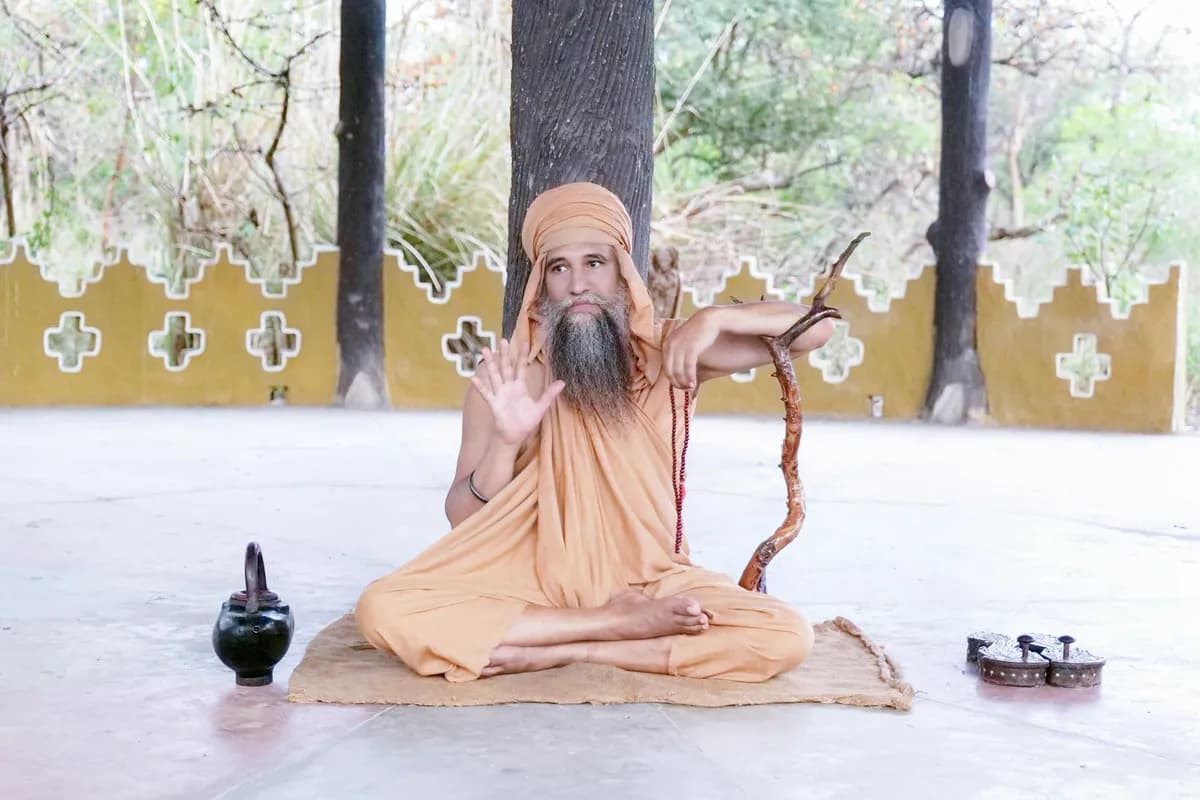
This page covers a specific Spiritual Development offering. Practitioners and organizations appear only when they offer this exact support option, not simply Spiritual Development in general.
Treatment Principles
Overview of Spiritual Mentorship Pathway
What is a Spiritual Mentorship Pathway?
A Spiritual Mentorship Pathway is a structured, multi-session relationship with a mentor who supports you in guided inner work around meaning, purpose, and values. It is a reflective, contemplative practice rather than a clinical or religious requirement.
The pathway is spiritually framed and adaptable to your own beliefs. It is offered as a complement to, not a replacement for, medical or mental-health care.
How a Spiritual Mentorship Pathway may support you
People often seek mentorship during times of change, questioning, or loss, when they want steady companionship for deeper reflection. Some describe it as a space to explore what matters most to them.
Reasons people explore this pathway include:
- Navigating major transitions or existential questions
- Reflecting on meaning, purpose, and personal values
- Deepening a spiritual or religious practice
- Processing grief, loss, or a sense of spiritual disconnection
What to expect
Sessions are typically conversational and unhurried. A mentor listens closely, asks reflective questions, and may suggest contemplative practices such as meditation, journaling, or mindfulness to explore between meetings.
The pace and focus are shaped by you. There is no fixed doctrine to accept — the emphasis is on your own discernment, insight, and inner life.
How the pathway unfolds
As a pathway, it usually spans multiple sessions over weeks or months, allowing trust and depth to develop. Early conversations often clarify what you want to explore, while later ones revisit and deepen those themes.
Many people use the space to work through a significant decision or transition gradually, returning to reflect on what has shifted between sessions.
Principles and traditions
Spiritual mentorship draws on contemplative and wisdom traditions that treat meaning, purpose, and inner growth as central to wellbeing. Concepts such as the soul or spiritual guidance are offered within these traditions as ways of framing inner experience, not as scientific claims.
Mentors typically aim to honor your own beliefs rather than impose a system. People may find this framing personally or spiritually meaningful whether or not it is scientifically established.
How to know whether it is right for you
This pathway may suit you if you are drawn to reflective, values-based conversation and want ongoing companionship for inner work during a meaningful season of life. Openness and a willingness to reflect tend to help most.
It is not therapy or medical care. For grief that feels unmanageable, persistent distress, or any serious or worsening mental-health concern, please reach out to a qualified therapist, doctor, or crisis service. Spiritual mentorship can sit alongside clinical care but should never take its place.
Formats compared
Different experiences
These come in several formats. None is “better” — they suit different people and circumstances.
One-to-one mentorship
- Setting
- All
- Typically
- 45–60 min
- May suit
- People who want an ongoing, personal reflective relationship.
Online sessions
- Setting
- Online
- Typically
- 45–60 min
- May suit
- People who prefer to meet from wherever they are.
Who explores this
What people explore it for
Why people explore this. Not a claim of effectiveness.
Proposed benefits
What people and the tradition describe
Benefits proposed by the tradition and reported by people who explore this — described experiences, not clinically established outcomes. Evidence is limited and individual responses vary.
A sense of direction
Guided inner work some people use to explore meaning, purpose, and what matters most to them.
Reflective companionship
An ongoing, supportive relationship with a mentor to think things through over time.
Space for the bigger questions
A reflective practice for exploring values, growth, and spiritual meaning at your own pace.
Grounded, personal pacing
A multi-session pathway shaped around where you are, rather than a fixed curriculum.
For you?
Is this right for you?
A simple, human way to weigh it up. This is general guidance, not personal medical advice — a qualified practitioner can advise on your situation.
- A Spiritual Mentorship Pathway may be well-suited for individuals who are navigating significant life transitions — such as loss, illness, career change, or relationship endings — and who are seeking meaning and guidance beyond what conventional counseling or therapy alone may offer.
- It may also appeal to those experiencing a sense of spiritual disconnection, existential questioning, or a longing to deepen their relationship with their own inner life or a higher power.
- Individuals who already hold a spiritual or religious framework, as well as those who consider themselves secular but spiritually curious, may both find value in this pathway.
- It tends to work well for people who are self-reflective, motivated to engage with inner work between sessions, and open to exploring questions that do not have easy or immediate answers.
- Those who have already worked with therapists or counselors and feel they want a complementary, spiritually oriented dimension to their growth journey may also find this pathway particularly resonant.
- A Spiritual Mentorship Pathway is generally not the most appropriate first-line support option for individuals experiencing acute mental health crises, including active suicidal ideation, psychosis, severe depression, or trauma responses that require clinical intervention.
- While spiritual support can be a meaningful complement to mental health care, it is not a substitute for licensed psychological or psychiatric treatment.
- Those who are strongly resistant to or uncomfortable with spiritual or metaphysical framing may find this pathway unsatisfying or misaligned with their worldview.
- Individuals seeking practical, skills-based coping strategies or concrete behavioral change may be better served initially by evidence-based modalities such as cognitive behavioral therapy or structured coaching.
- People who have experienced religious trauma or spiritual abuse may wish to proceed carefully and ensure that any practitioner they work with is trauma-informed and respectful of their history before entering into a mentorship relationship.
Gyfts is a discovery platform, not a medical provider. Nothing here diagnoses, treats or replaces professional care. In an emergency, contact your local emergency number.
Evidence & tradition
Evidence and tradition in context
What research says about Spiritual Mentorship Pathway, where the evidence is limited, and how it fits within a broader wellbeing picture.
The current evidence base is insufficient to draw firm conclusions
There is limited peer-reviewed clinical research specifically examining structured spiritual mentorship as a distinct intervention, and most available literature draws on qualitative studies, case reports, or research conducted within relig…
What the research showsHow strong the current research is, and where it remains limited, inconsistent, or inconclusive.
The evidence base for Spiritual Mentorship Pathway as a defined therapeutic program is currently insufficient. There is limited peer-reviewed clinical research specifically examining structured spiritual mentorship as a distinct intervention, and most available literature draws on qualitative studies, case reports, or research conducted within religious community settings that may not generalize broadly. Related fields — including spirituality and health research, pastoral care, and meaning-based psychotherapies — have produced some evidence suggesting that spiritual engagement, sense of purpose, and social-spiritual connection may be associated with improved wellbeing outcomes in certain populations. However, these findings cannot be directly applied to spiritual mentorship as a standalone support option. Challenges in studying this pathway include the diversity of traditions and approaches, the absence of standardized outcome measures, and the deeply personal nature of spiritual experience, which resists conventional clinical quantification. Seekers should approach this support option with realistic expectations, understanding that while many individuals report meaningful personal benefit, this is not a clinically validated treatment and should not replace professional mental health or medical care where those are indicated.
Ancient roots and traditionThe traditions and history this practice draws on, offering meaningful context that is distinct from clinical evidence.
Spiritual mentorship as a formal practice has roots across nearly every major world tradition. In Christianity, the figure of the spiritual director or soul friend (from the Celtic anam cara tradition) guided individuals through prayer and discernment. Sufi traditions have long honored the role of the sheikh or guide in supporting a seeker's inner development. Buddhist lineages similarly emphasize the teacher-student relationship as central to awakening. In contemporary Western contexts, spiritual mentorship has evolved into a more eclectic and accessible support option, often offered by practitioners trained in interfaith, transpersonal, or contemplative approaches. The emergence of formal spiritual direction training programs in the twentieth century helped professionalize the field, and today it sits within the broader holistic and integrative wellness landscape as a recognized pathway for those seeking inner guidance beyond the scope of conventional therapy.
Safety and when to seek guidanceGenerally low risk for most people, though some situations call for professional guidance first.
Take particular care if you are seeking treatment of a diagnosed mental health condition, as this is a reflective, non-clinical practice; a mentor makes medical or psychological claims or discourages you from seeking professional care; any mentor who fosters dependency, pressures you, or discourages needed medical or mental health care; using this in place of professional support during a mental health crisis. Any serious or persistent health concern should be evaluated by a licensed healthcare provider, alongside rather than in place of professional care.
Limitations to keep in mindIndividual responses vary, and inflated outcome claims are common, so a balanced view matters.
A limited or developing evidence base does not mean an experience holds no value, but it does mean outcomes cannot be promised. Be cautious of anyone guaranteeing results, and treat personal reports as context rather than proof of effectiveness.
FAQ
Common questions
Is a Spiritual Mentorship Pathway medical treatment?
No. Gyfts is a discovery platform, not a medical provider. This is presented as an educational support option — it is not medical advice, diagnosis, or treatment, and it does not replace care from a qualified professional. In an emergency, contact your local emergency number.
How is a Spiritual Mentorship Pathway different from therapy or counseling?
While therapy focuses on psychological health and is delivered by licensed clinicians, spiritual mentorship is oriented toward the inner life, meaning-making, and spiritual development. A spiritual mentor is not a therapist and does not diagnose or treat mental health conditions. The two can be complementary, and many seekers find value in working with both simultaneously.
Do I need to belong to a specific religion to benefit from this pathway?
Not at all — many practitioners offer non-denominational or interfaith approaches that welcome seekers from any background, including those who identify as spiritual but not religious or who are simply curious about inner inquiry. It's worth asking a prospective mentor about their approach to ensure it aligns with your own beliefs and comfort level.
How long does a Spiritual Mentorship Pathway typically last?
Most programs are structured across six to twelve sessions, often meeting monthly or bi-weekly, though the length and pacing can vary significantly depending on the practitioner and the seeker's needs. Some individuals continue with an ongoing mentorship relationship well beyond the initial program as their inner work evolves.
Guided wellbeing journey
Start a guided wellbeing journey
No specific guided journey is linked to this Support Option yet, but you can explore the available journeys.
Educational only. Not a diagnosis or medical assessment.
View available journeysCommonly explored alongside
People commonly explore these areas also
Reasons people explore this — a complementary practice used alongside conventional care, not a replacement, and not conditions this treats.
People often explore a Spiritual Mentorship Pathway for meaning, purpose, and steady support through transitions — as a complementary, reflective practice, not a substitute for medical or mental-health care.
Meaning and purpose3 areas
Transitions and grief3 areas
Spiritual practice3 areas
Inner resilience3 areas
Related modalities1 area
Shown only where an explicit relationship exists.
Explore next
Related sessions & formats
Neighbouring experiences people often consider alongside this one.




References
Evidence & Research
Educational sources that inform this overview. Inclusion is for context and does not imply endorsement.
- 1Spiritual leadership: Integrating vision, hope/faith, and altruistic love
- 2Spiritual direction as a form of mentorship
- 3Spiritual mentorship in Christian community contexts
Full citations are maintained by the Gyfts editorial team and reviewed periodically.