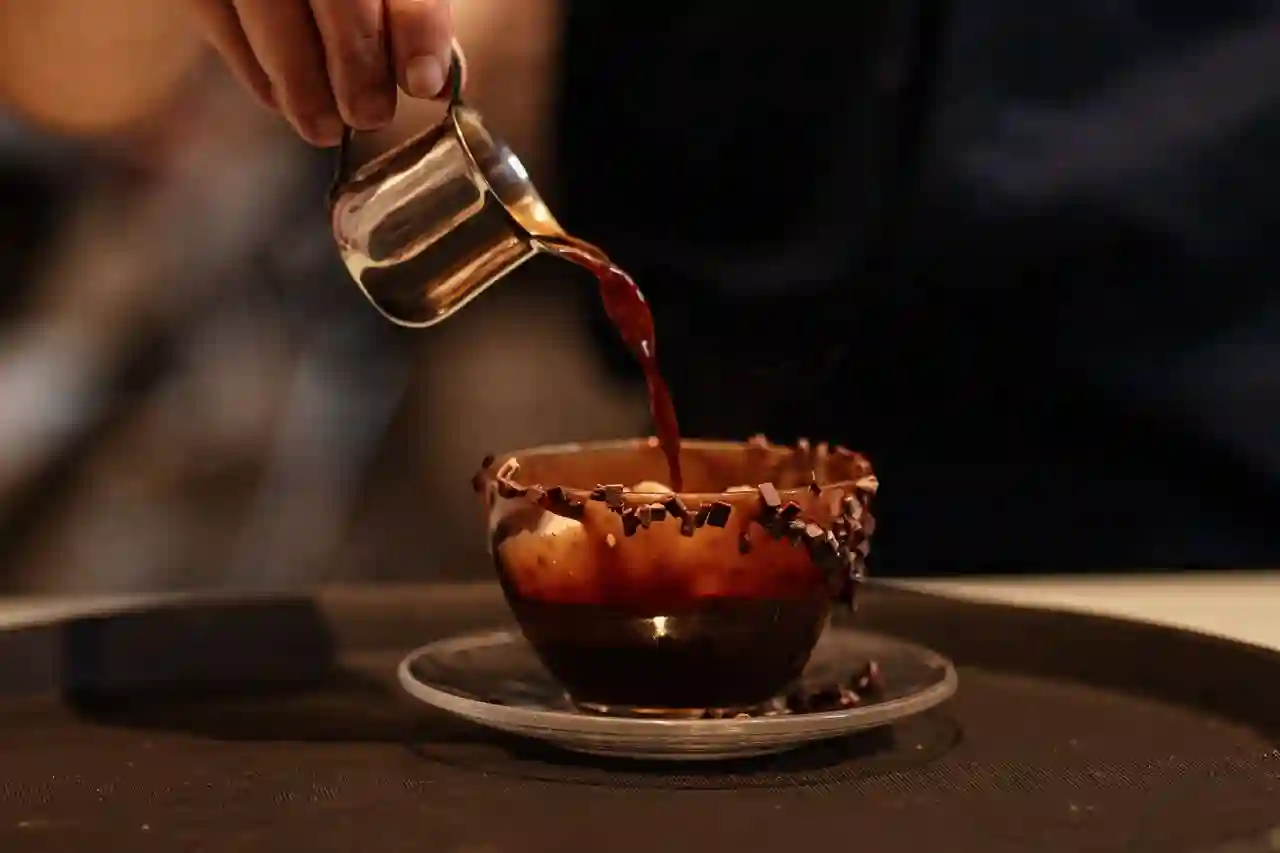
A cacao ceremony is a group ritual in which participants drink a cup of ceremonial cacao, usually a minimally processed cacao drink, often alongside meditation, music or sharing. Cacao contains mild stimulants, and research on the ceremonies themselves is very limited, so reported emotional effects are best seen as personal experiences rather than established outcomes.
Where do cacao ceremonies come from?
Cacao has a long history in Mesoamerica. Cacao cultivation there dates back roughly to the Early Formative period, and historians describe cacao drinks used at gatherings, marriage ceremonies and as ritual offerings among cultures such as the Maya and Mexica (Caso Barrera, 2020).
The modern, Western-style "cacao ceremony" is more recent. A 2026 review traces the contemporary term to the 1990s and notes that today's events vary widely. Some are loosely inspired by Indigenous practice, some are led by Indigenous facilitators, and others make no such claim (Charles & Ormsby, 2026).
What happens at a cacao ceremony?
Formats differ, but a typical gathering looks like this:
- •Arrival and a short opening, sometimes with an intention-setting round
- •A warm cup of cacao, often served in a bowl or cup, sometimes with spices
- •Quiet meditation, breathwork, music, drumming or chanting
- •Time for sharing in a circle, journaling or movement
- •A closing and a chance to ask questions
Practitioners surveyed in one study said they do not always follow the same structure from one ceremony to the next (Charles & Ormsby, 2026). Ask the facilitator what to expect.
What is in a cup, and what is a ceremonial dose?
Cacao contains two mild stimulants, theobromine and caffeine, with much more theobromine than caffeine. One review reports amounts equivalent to those in 50 g of dark chocolate as about 250 mg of theobromine and 19 mg of caffeine (Martinez-Pinilla et al., 2015).
There is no standard "ceremonial dose." Servings vary by facilitator and product, and they are often larger than a normal mug of cocoa. If you are sensitive to caffeine, ask how much cacao is in each cup and whether sugar, spices or other ingredients are added.
What does the evidence say?
The compounds in cacao are well studied. The ceremonies are not. Charles and Ormsby (2026) note that claims about euphoria and emotional openness at cacao ceremonies need further research and field testing.
The same authors point out that benefits people report could be due in whole or in part to the ritual setting, such as the group, the structure and the intention, rather than cacao itself. That is a fair way to read your own experience too. Feeling calm or connected in a supportive circle is real, but it does not show that cacao caused it.
Safety and who should check first
Cacao is a familiar food, but a ceremonial serving is a stimulant-containing drink. Check with a doctor or pharmacist first if any of these apply:
- •**Heart conditions or high blood pressure:** stimulants can be a concern, so ask your clinician about the amount.
- •**Anxiety or trouble sleeping:** caffeine and theobromine may feel activating for some people.
- •**Pregnancy or breastfeeding:** ask your clinician about a safe amount of caffeine-containing products.
- •**MAOI antidepressants:** these drugs can interact with certain foods and with serotonergic and sympathomimetic medicines, with serious reactions reported in rare cases (Flockhart, 2012).
- •**Other medications:** ask your pharmacist about any possible interactions.
Do not stop or change a prescription to attend a ceremony. If you feel jittery, dizzy or unwell, stop drinking and tell the facilitator.
What about cultural appropriation?
Some critics note that commercial cacao ceremonies can borrow Indigenous rituals without permission or credit, or use the word ceremony in ways that imply a tradition they do not belong to. Charles and Ormsby (2026) recommend that facilitators acknowledge cacao's cultural history and avoid misrepresenting traditional rituals.
As a participant, you can ask how the facilitator learned the practice, whether they credit its origins, and whether they work with Indigenous communities.
How to find a practitioner
Look for a facilitator who is open about ingredients, amounts and origins, asks about health and medications before you drink, and makes no medical promises. Browse cacao ceremony practitioners on Gyfts to compare styles.
Related reading: what happens during a meditation session and what guided meditation is and how it works cover the quiet, intention-setting part of many ceremonies.
If you want a quieter experience, you might also look at guided meditation, or explore all modalities.