The Distinctive Marks of Suction
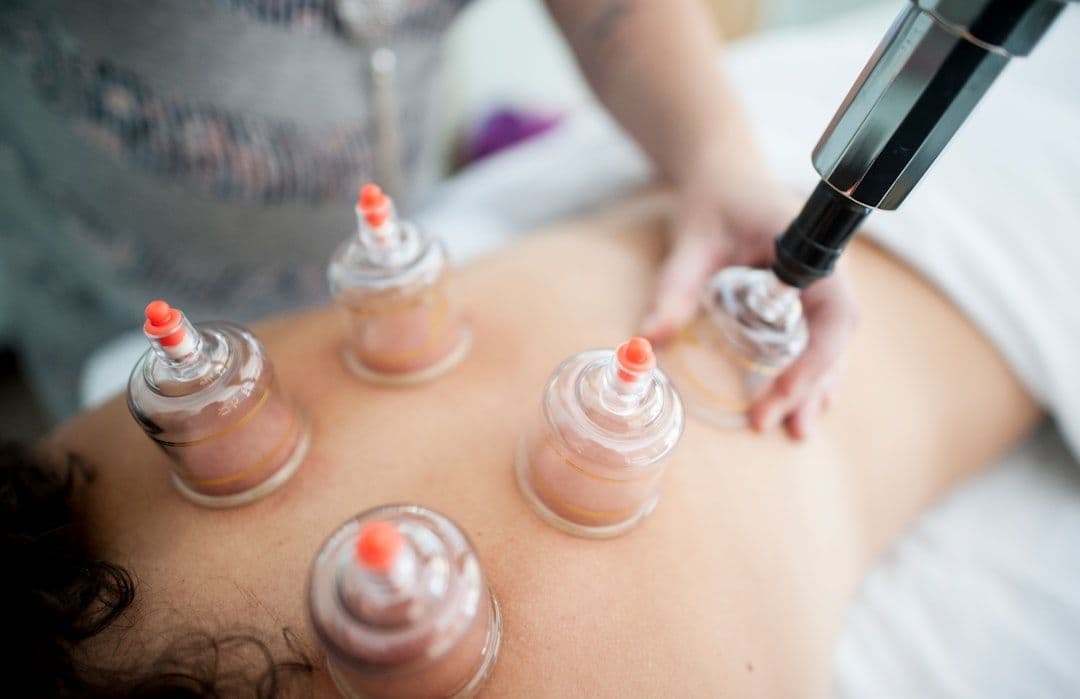
You've likely seen the telltale circular marks - perfectly round, dark red patches that fade to purple over several days. These are the signature of cupping therapy, a practice that uses specially designed cups to create vacuum pressure against the skin. The suction draws tissue upward into the cup, creating negative pressure that practitioners believe promotes healing and relieves tension.
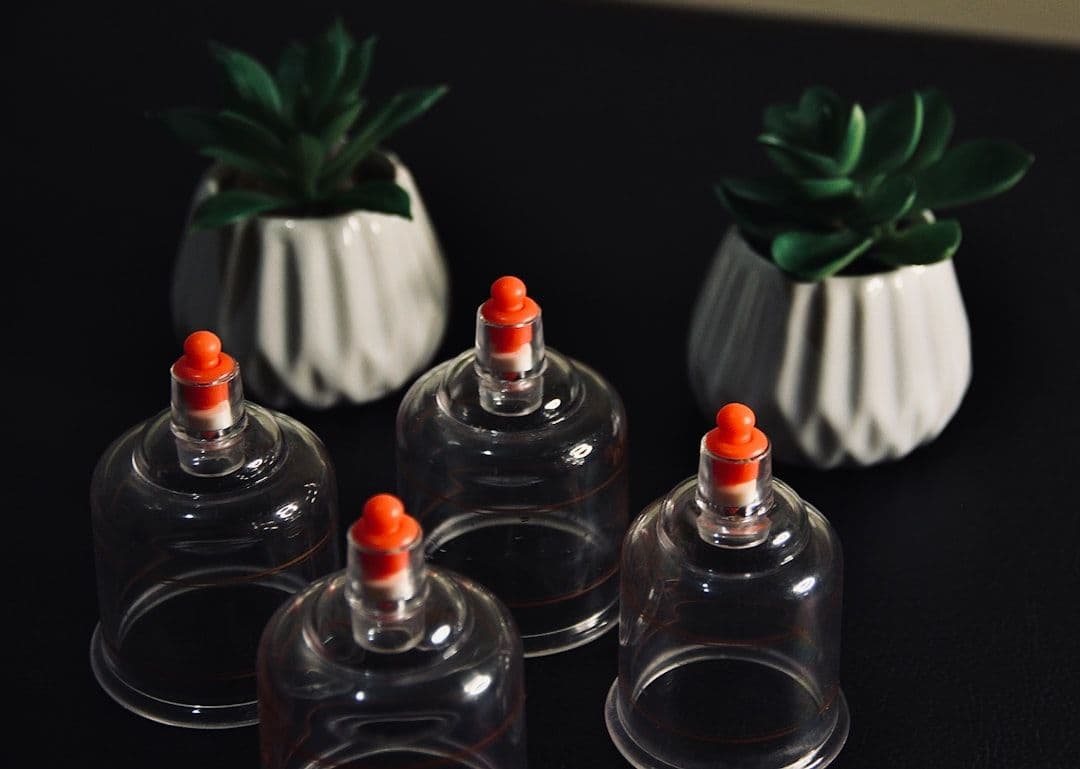
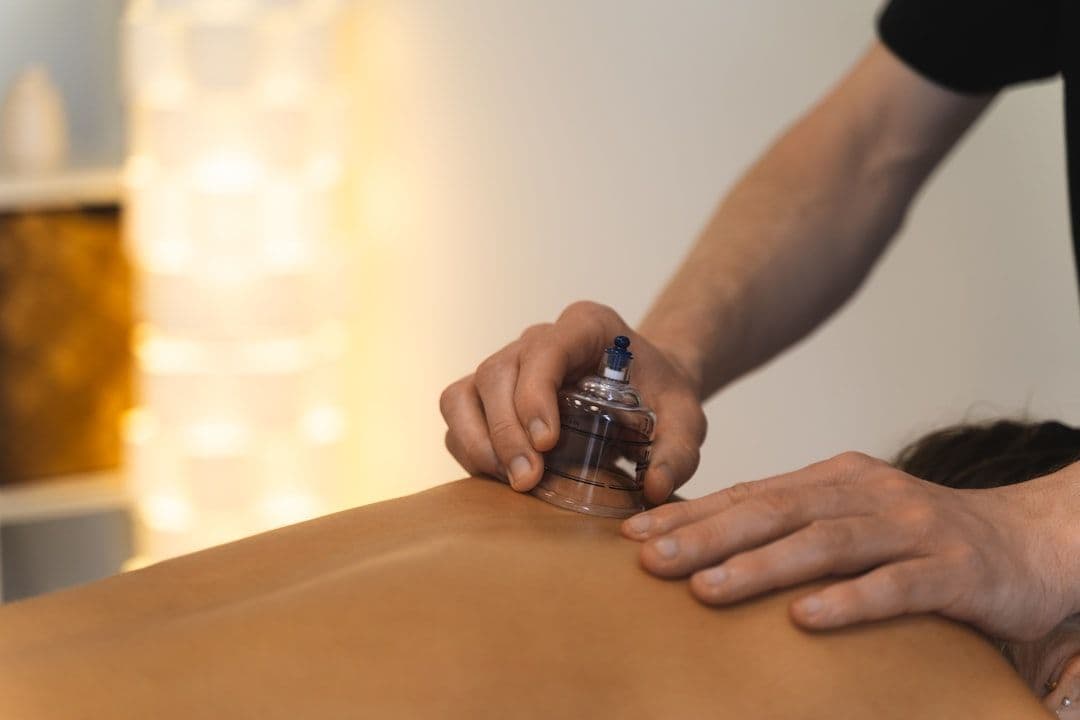
Modern cupping sessions typically use glass or silicone cups, though traditional practitioners may still employ bamboo or ceramic vessels. The suction is created either by heating the air inside the cup with a flame before application, or by using a mechanical pump to extract air. The result is the same: a distinctive pulling sensation as skin and superficial muscle tissue are drawn into the cup.
From Ancient Practice to Olympic Recovery
Cupping has been documented in Chinese medical texts for over 2,000 years, where it remains an integral component of Traditional Chinese Medicine alongside acupuncture and herbal therapy. The practice also developed independently in ancient Egypt, Greece, and the Islamic world, suggesting its intuitive appeal across cultures.
Traditional Chinese Medicine views cupping as a method to move qi (vital energy) and blood, removing blockages that cause pain and illness. In this framework, the suction disperses stagnant energy and draws pathogenic factors to the surface where they can be eliminated.
The practice gained international attention when Olympic swimmers, notably Michael Phelps, appeared at the 2016 Rio Olympics sporting the characteristic circular marks. This visibility sparked renewed interest in cupping among athletes and the general public, leading to increased research and clinical applications.
How Suction Affects the Body
From a biomedical perspective, cupping creates mechanical decompression of soft tissues. The negative pressure stretches skin, fascia, and superficial muscle layers, potentially increasing local blood flow and lymphatic drainage. This mechanical stimulation may trigger the release of endorphins and other pain-relieving compounds.
Some researchers suggest that cupping works through a process called mechanotransduction, where mechanical forces are converted into cellular signals that influence tissue healing and pain perception. The distinctive marks result from capillary rupture in the superficial layers of skin - essentially controlled micro-trauma that may stimulate healing responses.
Within Traditional Chinese Medicine theory, cupping is understood to regulate the flow of qi and blood through the meridian system. Practitioners select cup placement based on meridian pathways and specific acupoints, believing this restores energetic balance and promotes self-healing mechanisms.
Who Seeks Cupping Relief
Most people turn to cupping for musculoskeletal complaints, particularly chronic back pain, neck tension, and shoulder stiffness. The practice appears especially popular among those who have found limited relief from conventional approaches or prefer drug-free pain management strategies.
Athletes and physically active individuals often use cupping for recovery and performance enhancement. The practice may help address muscle soreness, fascial restrictions, and repetitive strain patterns common in sports and manual labour.
Some people also seek cupping for respiratory conditions like asthma or bronchitis, following traditional applications. Others explore it for stress-related symptoms, digestive issues, or general wellness maintenance, though evidence for these applications remains particularly limited.
What to Expect in a Cupping Session
A typical cupping appointment lasts 30-45 minutes and begins with a consultation about your health history and treatment goals. The practitioner will examine areas of concern and explain cup placement based on their training background - whether Traditional Chinese Medicine, therapeutic massage, or another approach.
The actual cupping process is usually painless, though you'll feel a distinctive pulling sensation as suction is applied. Cups remain in place for 5-15 minutes, during which many people report feeling deeply relaxed. Some practitioners incorporate 'sliding cupping', where oil is applied to the skin and cups are moved across the surface.
The marks appear immediately and typically fade over 3-7 days. Darker marks don't necessarily indicate more effective treatment - colour variation depends on individual factors including circulation, tissue condition, and cup placement duration.
The Evidence Picture
Clinical research on cupping faces significant methodological challenges. Creating a convincing placebo for a practice that leaves visible marks is nearly impossible, and study quality has generally been poor. Most research has involved small sample sizes and lacked adequate control groups.
A 2018 systematic review identified some evidence for cupping in treating back pain and neck pain, but concluded that most studies were of low quality. The Australian government's review of natural therapies found insufficient evidence to support cupping for any condition.
Despite limited research evidence, practitioners consistently report positive patient outcomes, particularly for musculoskeletal pain and tension. Many people describe significant relief that persists beyond the treatment session. This disconnect between research findings and clinical experience highlights the complexity of evaluating traditional practices within biomedical research frameworks.
Finding Treatment and Practical Considerations
In the UK, cupping is often provided by acupuncturists, massage therapists, or Traditional Chinese Medicine practitioners. Look for professionals registered with recognised bodies like the British Acupuncture Council (BAcC) or Federation of Holistic Therapists (FHT). Some physiotherapists and osteopaths also incorporate cupping into their practice.
Session costs typically range from £40-80, varying by practitioner qualifications, location, and session length. Most people try 3-6 sessions spaced weekly to assess effectiveness, though some notice improvement after a single treatment.
Consider cupping as part of a broader approach to pain management rather than a standalone solution. Many people combine it with other therapies like massage, acupuncture, or physiotherapy. Always inform your GP about complementary treatments, particularly if you're managing chronic conditions or taking medications.