Preparing for Your Session
Arrive well-hydrated — drink plenty of water in the hours before your appointment, as cupping can be dehydrating. Eat a light meal 2-3 hours beforehand rather than arriving hungry or immediately after a heavy meal.
Wear loose, comfortable clothing that allows easy access to the treatment areas. For back cupping, you'll need to remove your top, so consider bringing a comfortable bra or vest you don't mind getting oil on. Most practitioners provide gowns or towels for modesty.
Avoid alcohol for 24 hours before treatment and don't apply moisturiser or oils to your skin on the day — this can interfere with cup adhesion. If you take blood-thinning medications or have any bleeding disorders, discuss this with your practitioner beforehand, as cupping may not be suitable.
The Treatment Process
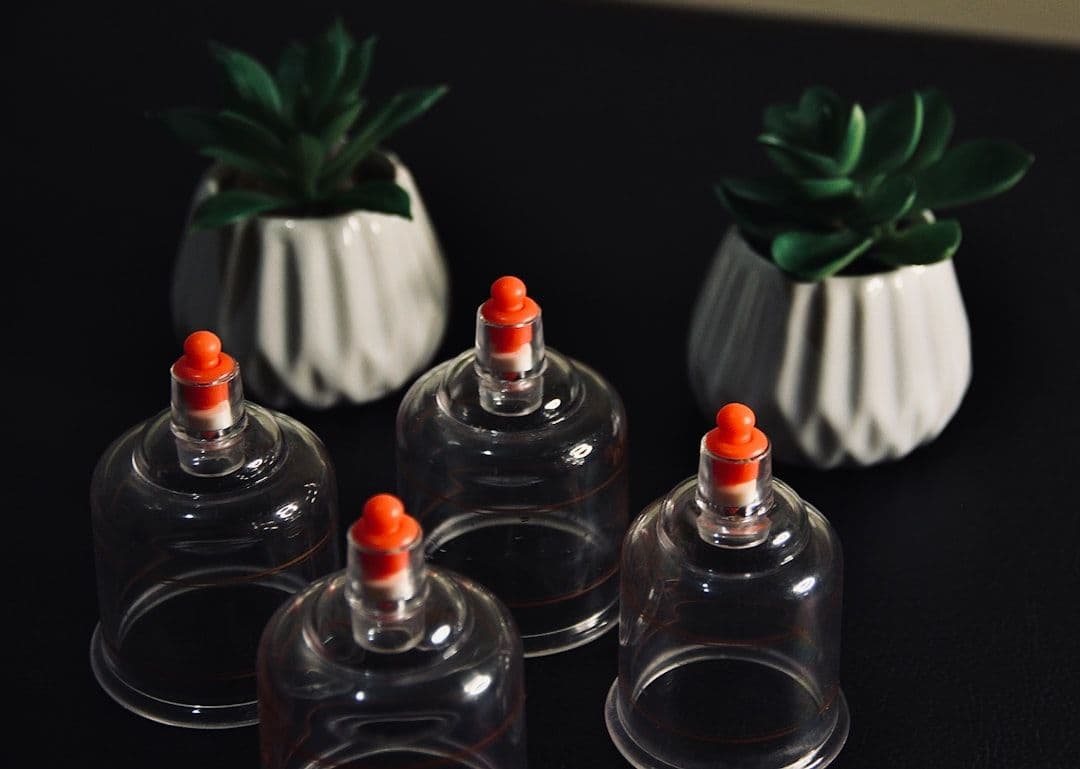
Your practitioner will begin with a consultation about your health history and specific concerns. They'll explain the process and show you the cups — typically glass, silicone, or plastic vessels ranging from small (2cm diameter) to large (7cm diameter).
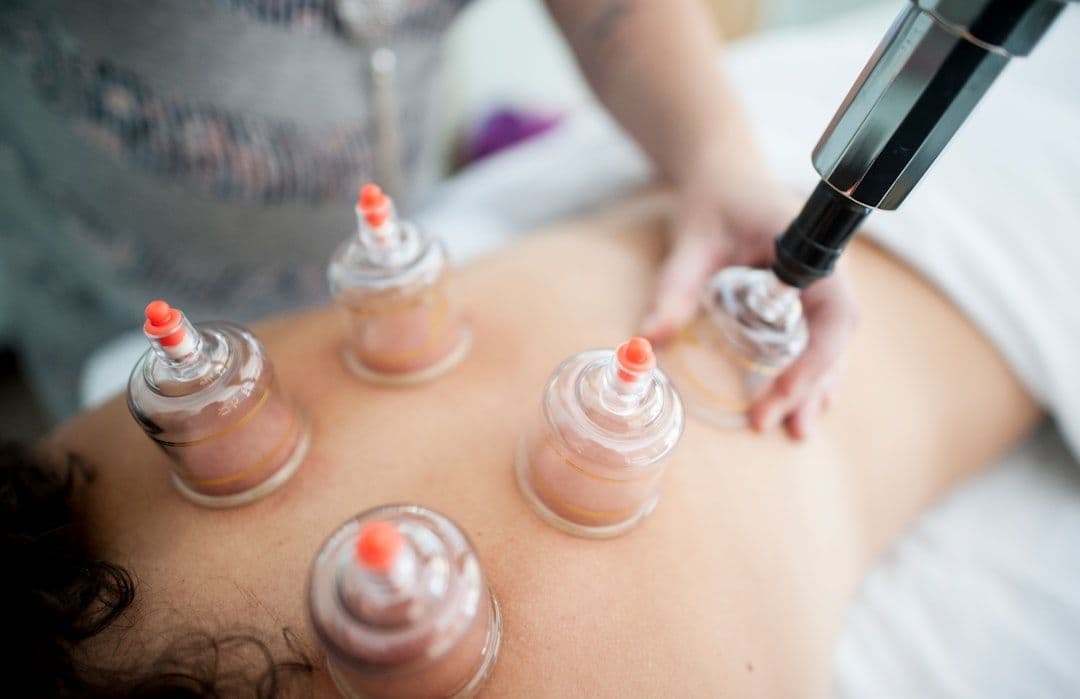
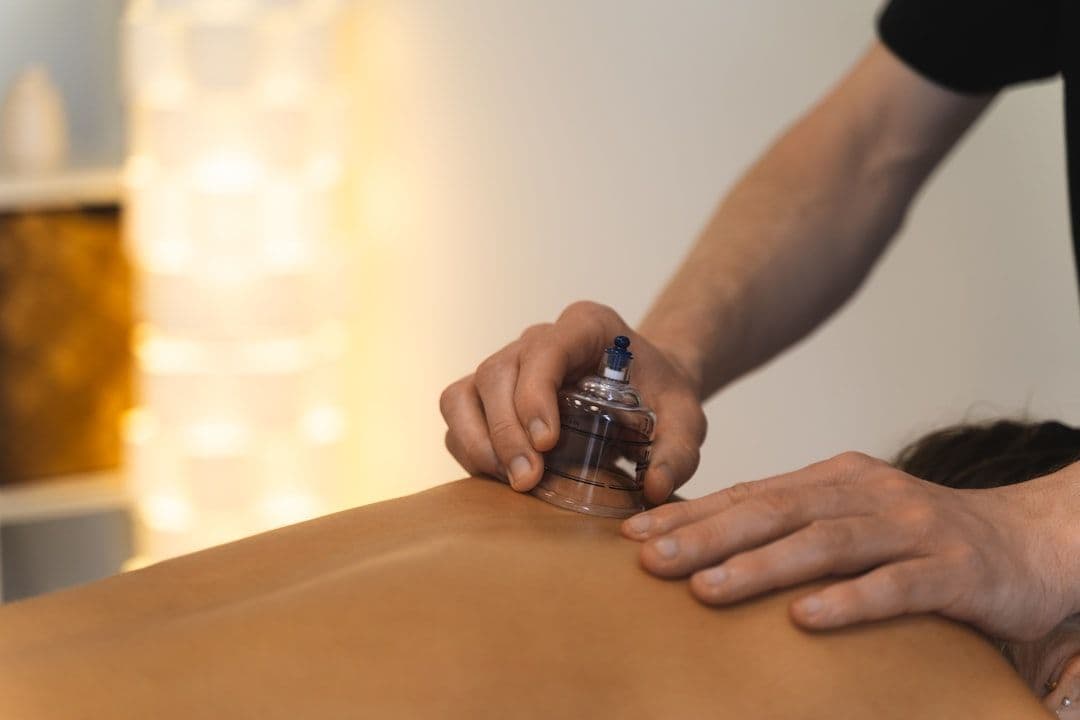
For fire cupping, you'll hear the distinctive whoosh of flame as your practitioner briefly heats the inside of each glass cup with a cotton swab soaked in alcohol. The cup is immediately placed on your skin, creating suction as the air cools. With pump cupping, you'll hear the mechanical sound of air being extracted through a valve at the top of each cup.
The initial sensation is a firm pulling as your skin draws up into the cup — some describe it as a deep, reverse massage. This may feel intense for the first minute before settling into a warm, tight sensation. Cups typically remain in place for 5-15 minutes, during which many people find the feeling quite relaxing.
Some practitioners use sliding cupping, where they apply oil to your skin and glide the cups across specific areas. This creates a different sensation — more like a deep tissue massage combined with suction.
During and After the Session
While the cups are in place, you might feel warmth, tingling, or a sense of release in the treated areas. Some people report feeling drowsy or deeply relaxed, whilst others feel energised. Both responses are normal.
When the cups are removed, you'll see distinctive circular marks where each cup was placed. These range from light pink to deep purple, depending on your skin tone, the suction strength, and your individual response. Don't be alarmed — these marks aren't bruises in the conventional sense, but rather indicate increased blood flow to the area.
Immediately after treatment, the treated areas may feel tender to touch, similar to after a deep tissue massage. Some people experience mild lightheadedness, so take a moment to sit up slowly and have a glass of water before leaving.
Essential Aftercare
Drink plenty of water over the next 24 hours to help your body process the treatment. Avoid hot baths, saunas, or intense exercise for 4-6 hours after cupping, as your skin needs time to recover from the suction.
Keep the treated areas warm and covered, especially if it's cold outside. The cupping marks make your skin temporarily more sensitive to temperature changes. You can shower normally, but avoid scrubbing the marked areas vigorously.
Don't be concerned if you feel tired or slightly achy for a day or two — this is often part of the body's response to treatment. However, contact your practitioner if you experience severe pain, signs of infection, or marks that don't begin fading after a week.
The circular marks typically fade completely within 3-10 days. Lighter marks may disappear within 2-3 days, whilst darker ones can take up to two weeks. Everyone's skin responds differently.
Treatment Frequency and Expectations
Most practitioners recommend starting with weekly sessions for 4-6 weeks to properly assess whether cupping helps your specific concerns. Acute issues might respond within 2-3 sessions, whilst chronic conditions often require longer courses.
After the initial course, many people continue with maintenance sessions every 2-4 weeks. Athletes might use cupping more frequently during intensive training periods, whilst others prefer monthly sessions for general wellbeing.
Be realistic about timelines — whilst some people notice immediate relaxation or reduced tension, others need several sessions before experiencing benefits. Keep track of changes in your symptoms, energy levels, and overall sense of wellbeing to help you and your practitioner assess progress.