What it is
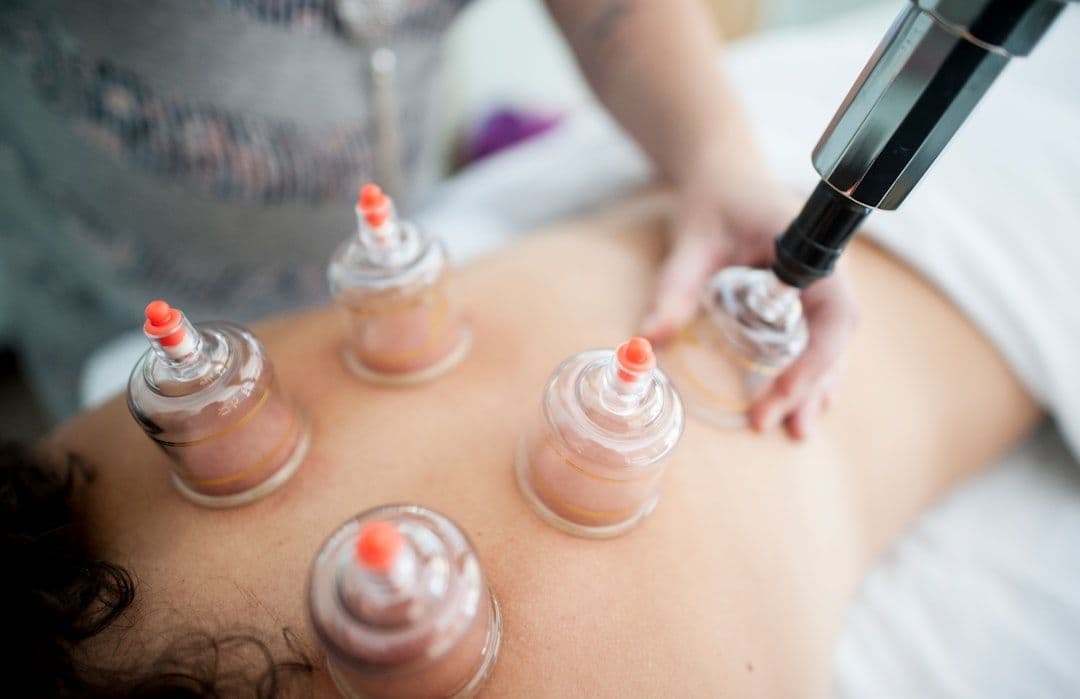
Cupping uses suction cups on skin to ease muscle tension, soreness, and promote relaxation.
Uses heated or suction cups applied to the skin to create a vacuum effect, intended to relieve muscle tension, improve circulation, and p...
At a glance
What it is
Cupping uses suction cups on skin to ease muscle tension, soreness, and promote relaxation.
Why explore it
Many people turn to cupping for sports recovery, back pain relief, and stress support.
How it’s experienced
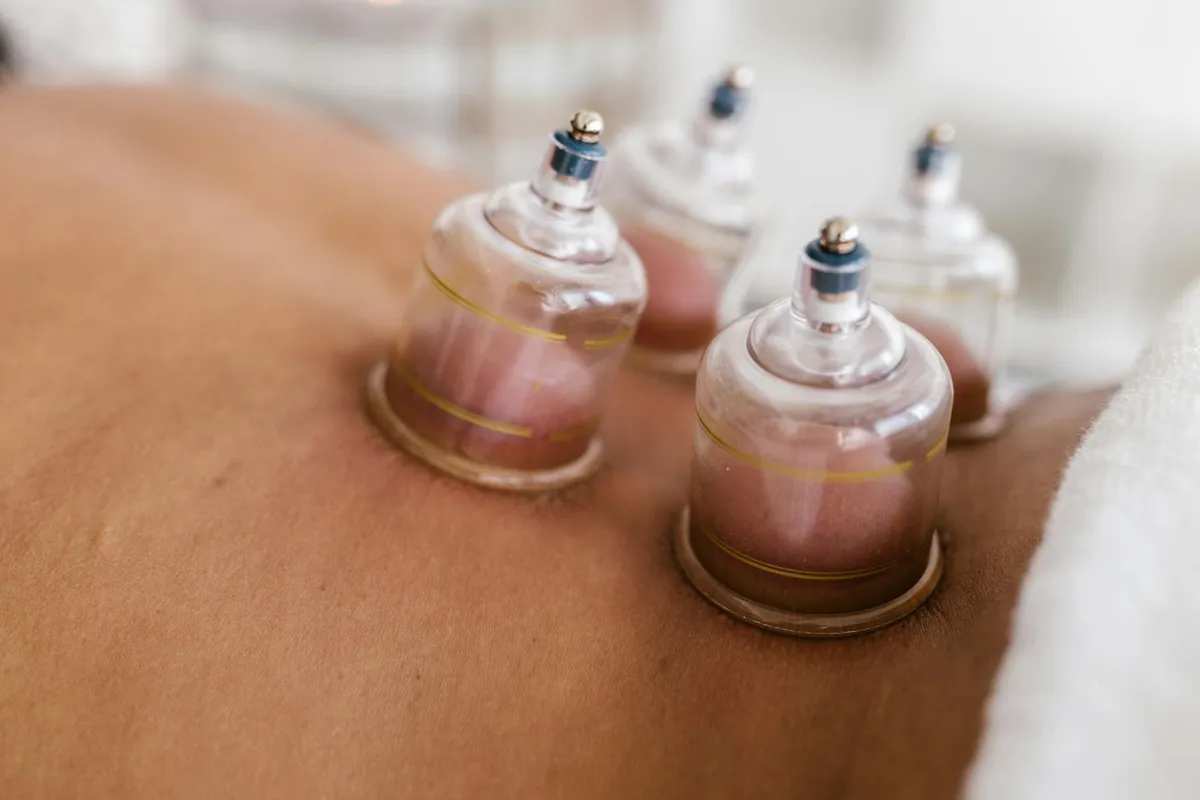
Cups create a gentle pulling sensation, and circular skin marks are normal and fade within days.
Evidence context
Some studies show promising results for pain and relaxation, but stronger research is still needed.
See the evidence snapshotSafety
Generally safe for healthy adults, but check with your provider if pregnant or on blood thinners.
See staying safeHistory & Origin
Cupping Therapy involves using suction cups to alleviate pain, improve circulation, and induce relaxation.
Cupping therapy has roots in ancient healing traditions across multiple cultures, with evidence of its use dating back thousands of years. Early forms appear in traditional Chinese medicine, where it was documented in texts like the "Huangdi Neijing" (Yellow Emperor's Inner Classic) from around 400 BCE, and in Middle Eastern and European folk medicine practices. The technique was mentioned by Hippocrates and used by practitioners throughout the Mediterranean region, suggesting widespread knowledge of its potential benefits.
In traditional Chinese medicine specifically, cupping became systematized as part of a broader approach to balancing qi (vital energy) and treating conditions related to stagnation and poor circulation. Practitioners believed that creating suction on the skin's surface could draw out pathogens and restore healthy energy flow. The practice spread along trade routes and through cultural exchange, adapting to local healing traditions while maintaining core principles.
During the 20th century, cupping experienced a revival in Western complementary health circles, particularly as interest in traditional healing practices grew. Athletes and sports medicine practitioners began incorporating it, and it gained visibility through endorsements by Olympic athletes and professional sports figures. This renewed attention brought both increased popularity and increased scrutiny regarding its mechanisms and evidence base.
Today, cupping is practiced globally across various healthcare settings, from traditional Chinese medicine clinics to sports medicine centers and wellness spas. While it remains most deeply integrated into traditional Chinese medicine frameworks, it is increasingly offered by massage therapists, acupuncturists, and other complementary practitioners in Western countries.
Approaches
Cupping therapy isn’t a single method. Practitioners may train in one tradition or blend several — here are the styles you’re most likely to meet.
Places cups on the skin with suction but no skin puncture.
Combines suction with small skin pricks or incisions; it should only be done by trained practitioners using sterile technique.
Uses brief heat inside the cup to create suction before the cup is placed on the skin.
Moves oiled cups across the skin, creating a massage-like effect.
Mechanism
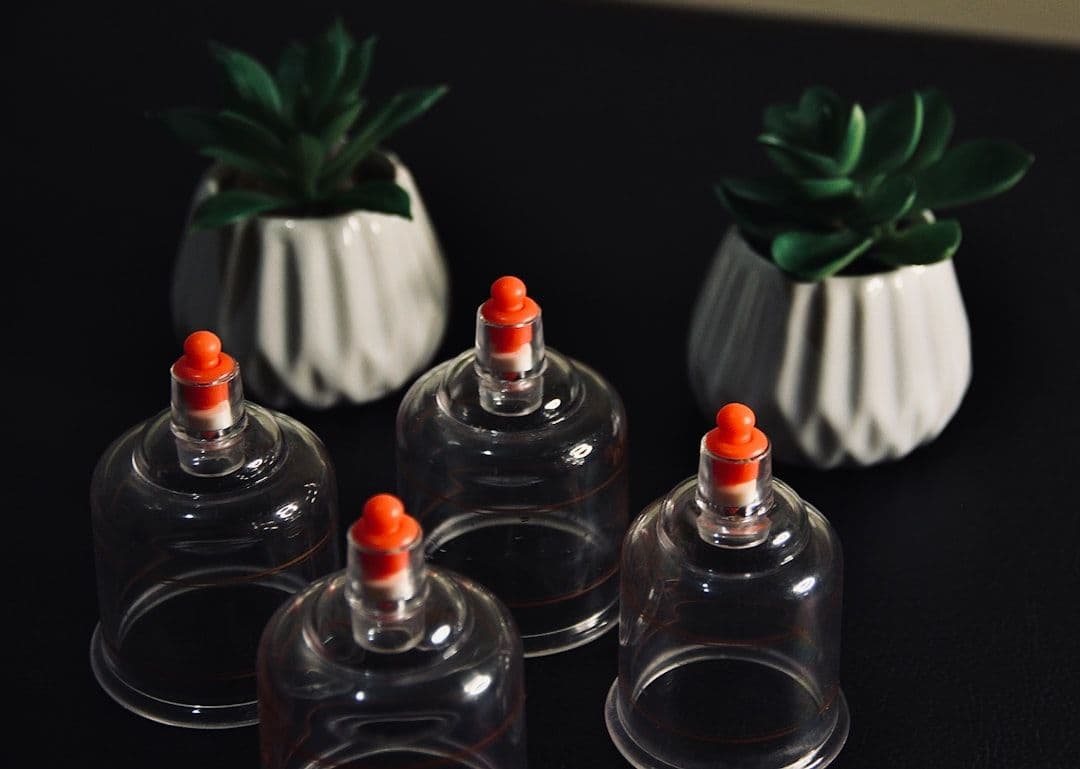
Cupping therapy is generally described as working through skilled touch, careful pacing, and the body's response to pressure, movement, warmth, or stillness. Practitioners may focus on muscle tone, joint comfort, circulation, breath, or relaxation depending on the method. Traditional explanations may also include energy flow or whole-person balance. Research support varies by modality, so the experience is best framed as supportive care with outcomes that vary. Cupping therapy involves placing specially designed cups (traditionally bamboo or ceramic, now often silicone or glass) onto the skin, then creating suction either by heating the air inside the cup or using a mechanical pump.
Your first visit
A typical session outline to help you feel prepared
A cupping session is a hands-on bodywork experience where suction cups are placed on your skin to encourage circulation and ease muscle tension, leaving you feeling relaxed and refreshed.
Your practitioner greets you and reviews a brief health history form covering any skin conditions, medications, or areas of discomfort so they can personalize your session safely.
You'll share your goals, whether that's easing back tension, improving circulation, or general relaxation, so your practitioner knows which areas to prioritize and which cupping techniques suit you best.
You'll lie on a massage table and undress to your comfort level for the target area, typically your back, shoulders, or legs. Draping keeps you covered and at ease throughout.
Your practitioner applies a light massage oil to the treatment area, which allows the cups to glide smoothly and helps protect your skin during the suction process.
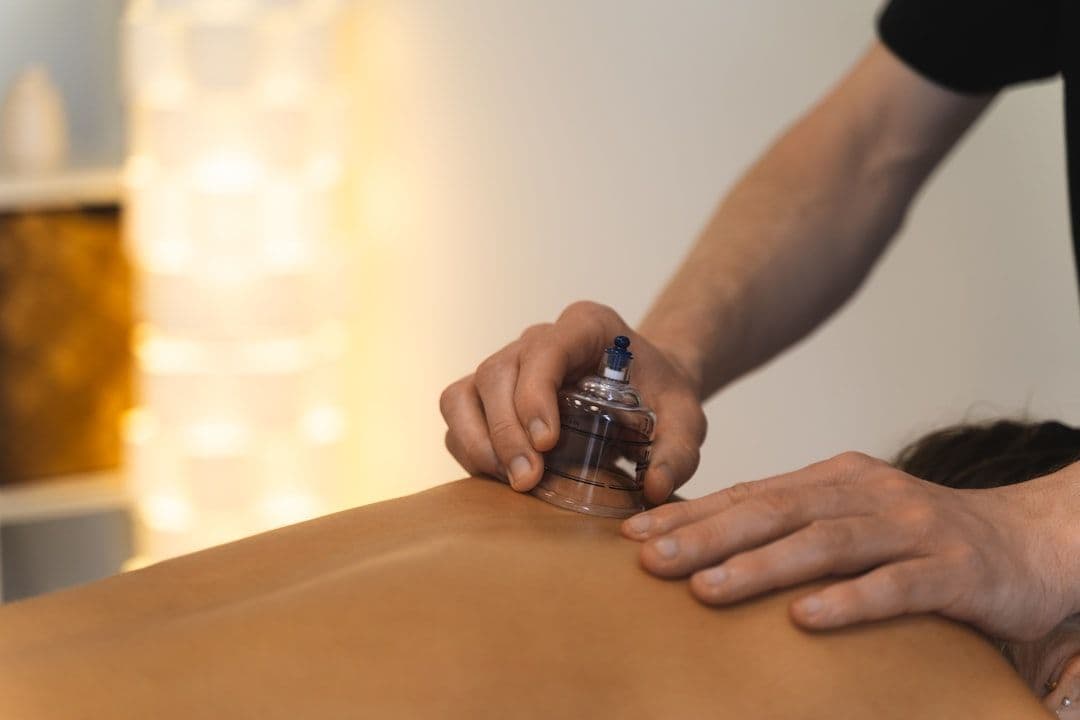
Cups made of silicone, glass, or plastic are placed on your skin using suction. You'll feel a warm, gentle pulling sensation as the skin lifts slightly inside each cup, which most people find deeply soothing.
Depending on your needs, cups may stay in one spot for several minutes or be glided slowly across the skin. Gliding feels like a deep, sweeping massage pressure moving along your muscles.
Cups are gently released one by one. Your practitioner will check in about how you're feeling and explain the circular marks that may appear, which are normal, painless, and typically fade within three to seven days.
Before you leave, your practitioner advises you to drink plenty of water, avoid cold temperatures on the treated area, and rest if needed. They'll also suggest a follow-up schedule based on your wellness goals.
The Evidence
What the research says, where evidence is limited, and how cupping fits within a broader approach to wellbeing.
Promising signals, but research quality remains a key limitation
Cupping therapy has attracted growing research interest, with some studies suggesting modest benefits for musculoskeletal pain and muscle recovery. Most evidence comes from small, methodologically limited studies, so findings should be interpreted with appropriate caution.
Research suggests cupping may offer modest relief for neck, shoulder, and back tension, and may support recovery from sports-related muscle soreness. However, most studies are small, lack rigorous control groups, and have unclear blinding. Findings are encouraging in some areas but not yet sufficient to draw firm conclusions.
Many cupping studies are conducted without adequate placebo controls, making it difficult to separate specific effects from expectation or relaxation responses. A significant portion of research originates from traditional medicine settings in China, which may limit generalisability. Independent replication in diverse populations remains limited.
Within a holistic framework, cupping is typically one element of a broader approach that may include movement, manual therapy, or lifestyle support. Its potential contributions to relaxation and circulation complement other wellbeing strategies. It is not a substitute for professional assessment of underlying health concerns.
Cupping appears in traditional Chinese medicine, Middle Eastern folk medicine, and ancient Mediterranean practices. In traditional Chinese medicine, it was understood as a way to support the flow of vital energy and address stagnation. These frameworks reflect cultural and historical ways of understanding the body that differ from contemporary biomedical models.
Temporary circular skin marks and mild bruising are common and typically resolve within days. Cupping should be avoided over open wounds, active skin infections, or areas of significant vascular disease. Those with bleeding disorders, on blood-thinning medications, or who are pregnant should consult a healthcare provider before use.
Cupping is offered by a range of practitioners including acupuncturists, physiotherapists, and massage therapists. Training standards and regulation differ by country. Look for practitioners with recognised credentials, transparent hygiene practices, and willingness to discuss your health history before proceeding. Inform your primary healthcare provider if you are using cupping alongside other care.
Safety first
General guidance to help you decide whether this approach is appropriate for you. This is informational only and not a substitute for medical, psychological, or professional advice.
If you are pregnant, managing a health condition, recovering from injury or surgery, or taking medication, consult a qualified healthcare professional first.
Some situations call for extra care or a different approach. Share any conditions, injuries, or sensitivities with your practitioner before your first session.
Mild, short-lived effects such as tenderness, tiredness, or temporary soreness can occur. Rest, hydrate, and tell your practitioner how you respond.
Look for clear boundaries, transparent pricing, and practitioners who avoid fear-based claims or pressure to book frequent sessions.
For you?
A simple, human way to weigh it up. This is general guidance, not personal medical advice — a qualified practitioner can advise on your situation.
Gyfts is a discovery platform, not a medical provider. Nothing here diagnoses, treats or replaces professional care. In an emergency, contact your local emergency number.
Explore approaches
Other practices people often explore alongside cupping therapy.
In their words
FAQ
The circular marks and bruising result from the suction bringing blood to the surface of the skin and into the tissue layer beneath. This is considered a normal and expected response by practitioners, indicating that the therapy has created the intended circulatory effect. The marks are temporary and typically fade within 3-7 days, though this timeline varies based on individual skin sensitivity and the intensity of suction used. Darker or more pronounced marks do not necessarily indicate greater benefit.
This varies significantly between individuals and depends on your specific condition. Some people report immediate relaxation after a single session, while others may need a series of 4-6 sessions to assess effectiveness. For acute muscle tension, weekly sessions might be recommended; for chronic conditions, results may take longer to develop. Your practitioner will discuss realistic timelines and adjust frequency based on your response. It is important to have realistic expectations, as cupping is typically positioned as one tool within a broader wellness approach rather than a standalone cure.
Cupping sensations range from relaxing and warming to mildly uncomfortable pulling or pressure, depending on your pain tolerance and the suction intensity. Most people describe it as pressure rather than sharp pain. If you experience significant discomfort, the practitioner can reduce suction pressure or shorten the session. It is normal to feel some mild soreness in treated muscles afterward, similar to the sensation after deep massage. Communication with your practitioner about your comfort level helps ensure a positive experience.
Yes, cupping is frequently combined with other modalities. It is often integrated with massage, acupuncture, or stretching within a single session. Many people also use cupping alongside their conventional medical care, physical therapy, or other complementary approaches. However, inform all your healthcare providers about the therapies you are receiving to ensure they work together safely. Avoid combining treatments that might overstress treated areas, and allow adequate recovery time between intensive sessions.
While both are hands-on modalities that address muscle tension, cupping works through suction and negative pressure, whereas massage uses direct pressure and manipulation. Cupping creates a pulling sensation that some experience as more deeply penetrating, while massage may feel more familiar and controlling. Some practitioners combine both techniques in a single session. The choice between them depends on personal preference, specific conditions, and practitioner recommendations. Both are generally considered low-risk when performed by trained practitioners.
The scientific evidence for cupping is limited but growing. Some research suggests potential benefit for certain musculoskeletal pain conditions and sports recovery, though many studies have methodological limitations. The evidence base is significantly smaller and less rigorous compared to established medical treatments. Cupping is often viewed as a traditional practice with promising anecdotal support rather than a proven clinical intervention. If you are considering cupping for a specific health condition, discuss it with your healthcare provider alongside any conventional treatments you may be pursuing.
Home cupping kits are commercially available, typically featuring manual pump cups or silicone cups. However, professional guidance is recommended before attempting self-treatment. Practitioners have training in proper placement, appropriate pressure, and safety considerations that reduce injury risk. If you choose home cupping, start with low suction, treat larger muscle groups rather than sensitive areas, and avoid any contraindicated zones. Serious adverse effects are rare but possible; professional sessions allow for proper assessment and monitoring.
After cupping, it is generally recommended to avoid very hot showers or baths for 24 hours, as heat can increase bruising and irritation. Vigorous massage or strenuous exercise on treated areas should be limited for at least 24 hours. Exposure to cold drafts or wind on treated areas is traditionally discouraged. Stay well-hydrated and get adequate rest. Most practitioners advise letting the body recover naturally and avoiding additional intense therapies on the same day. These precautions help minimize discomfort and optimize the treatment response.
References
Educational sources that inform this overview. Inclusion is for context and does not imply endorsement.
Full citations are maintained by the Gyfts editorial team and reviewed periodically.
Keep exploring
Browse practitioners, explore honest overviews, and take what you learn to a conversation — at your own pace.