The Research Landscape
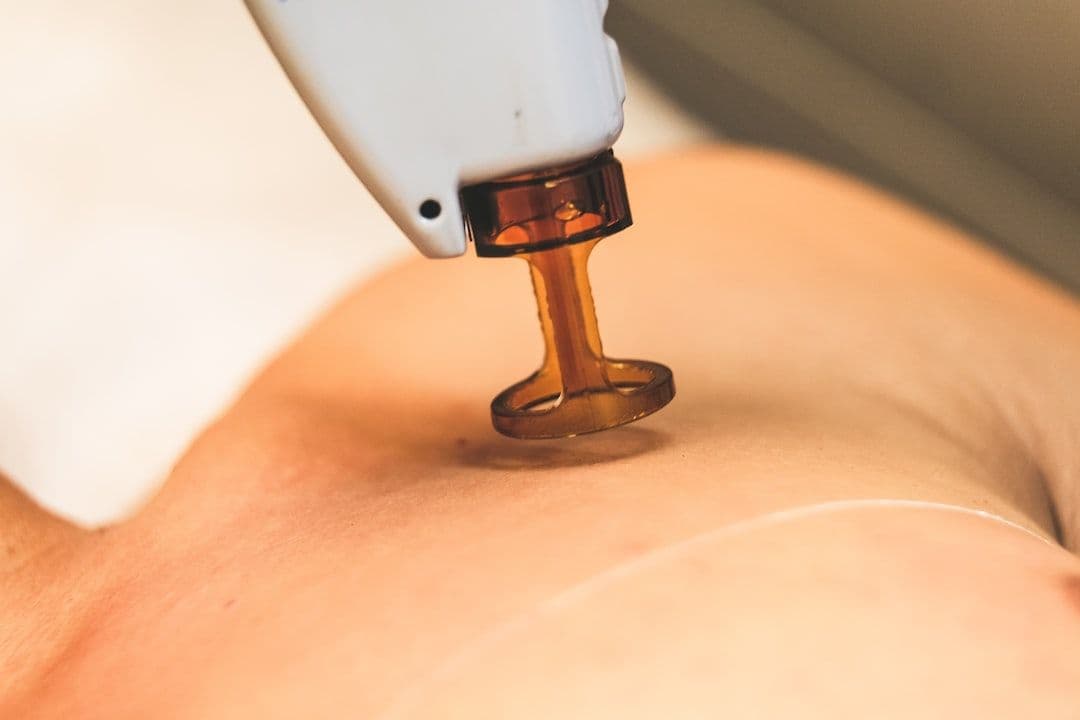
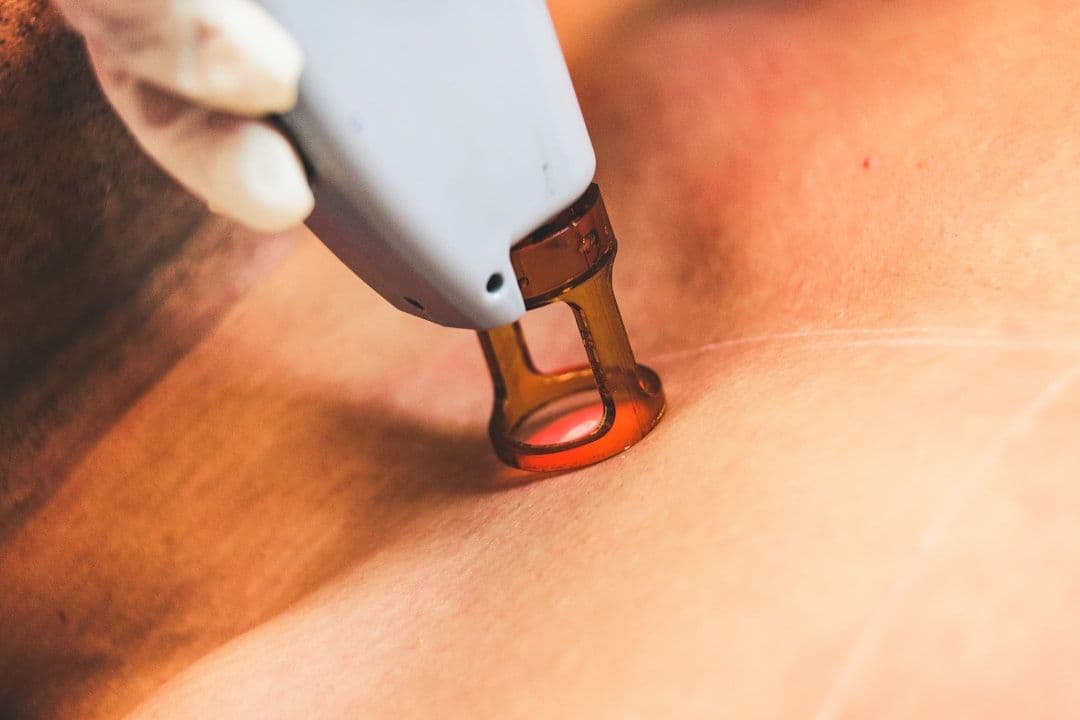
Low-level laser therapy, now more precisely termed photobiomodulation, has attracted considerable research attention over the past three decades. The evidence base includes numerous randomised controlled trials, several systematic reviews, and multiple Cochrane analyses.
The quality of research varies dramatically. Early studies often lacked proper controls or standardised treatment protocols. More recent investigations have improved methodological rigour, though challenges persist around blinding participants and practitioners to laser versus sham treatments.
Approximately 200 randomised trials have examined laser therapy across various conditions. However, the heterogeneity of devices, wavelengths (typically 660-950 nanometres), power outputs, and treatment schedules makes direct comparisons challenging.
Strongest Evidence Base
The most robust evidence supports laser therapy for neck pain and oral mucositis. A 2013 Cochrane review of neck disorders found moderate-quality evidence that laser therapy reduces pain in the short term, with effects lasting 2-4 weeks post-treatment.
For oral mucositis—painful mouth sores common during cancer treatment—systematic reviews consistently demonstrate benefits. A 2019 meta-analysis including over 1,200 patients showed laser therapy significantly reduced both the severity and duration of mucositis compared to standard care.
Wound healing represents another area with encouraging findings. Multiple trials suggest laser therapy may accelerate healing of diabetic ulcers and post-surgical wounds, though sample sizes remain modest and follow-up periods short.
Limitations and Research Gaps
Several methodological issues limit confidence in current findings. Many studies use small sample sizes—often fewer than 50 participants per group—reducing statistical power. Blinding remains problematic since practitioners can usually distinguish active from sham laser devices.
Treatment protocols vary enormously between studies. Wavelength, power density, treatment duration, and session frequency differ substantially, making it difficult to identify optimal parameters. This heterogeneity partly explains why some systematic reviews reach conflicting conclusions.
Publication bias likely affects the literature. Negative studies may be under-reported, whilst positive findings from smaller studies could inflate apparent benefits. Long-term follow-up data remains scarce across most conditions.
What the Evidence Supports
Current research reasonably supports laser therapy for specific, well-defined conditions. NICE guidance acknowledges the evidence for oral mucositis prevention and treatment. Professional bodies increasingly recognise photobiomodulation as having legitimate therapeutic applications.
For musculoskeletal pain, evidence varies by condition. Neck pain shows consistent benefits across multiple trials. Lower back pain evidence remains mixed, with some positive studies offset by others showing minimal effects. Knee osteoarthritis research suggests modest short-term improvements in pain and function.
The mechanism appears related to cellular energy production and inflammatory modulation, though precise pathways remain under investigation.
Research Priorities
Future research needs to address several key areas. Standardised treatment protocols are essential—studies should specify wavelength, power density, spot size, treatment duration, and session frequency clearly. Larger, longer-term trials would strengthen evidence quality and assess sustainability of effects.
Comparative effectiveness research could help identify which patients benefit most from laser therapy. Biomarkers or patient characteristics that predict treatment response remain poorly understood.
Cost-effectiveness analyses are notably absent from current literature. Given laser therapy's resource requirements, economic evaluations alongside clinical trials would inform healthcare decision-making. Direct comparisons with other physical therapies could help establish laser therapy's relative position in treatment pathways.