Preparing for Your Session
Arrive wearing comfortable clothing that allows easy access to the treatment area. You'll need to expose the skin where the laser will be applied, so loose-fitting garments work best. Remove any jewellery, watches, or metal objects from the treatment zone — these can interfere with the laser's penetration.
Avoid applying lotions, oils, or creams to the treatment area on the day of your appointment. These substances can scatter the laser light and reduce its effectiveness. If you're taking photosensitising medications like certain antibiotics or retinoids, inform your practitioner beforehand as these may increase your skin's sensitivity to light.
There's no need for fasting or other special preparations. You can eat normally before your session and continue with most daily activities. However, if you're receiving treatment for an acute injury, avoid intense physical activity that might aggravate the condition just before your appointment.
During the Treatment
Your practitioner will begin by examining the treatment area and cleaning the skin if necessary. They'll then calibrate the laser device based on your condition, skin tone, and the depth of tissue requiring treatment. Different wavelengths and power settings are selected for various conditions — deeper tissues typically require longer wavelengths and higher power.
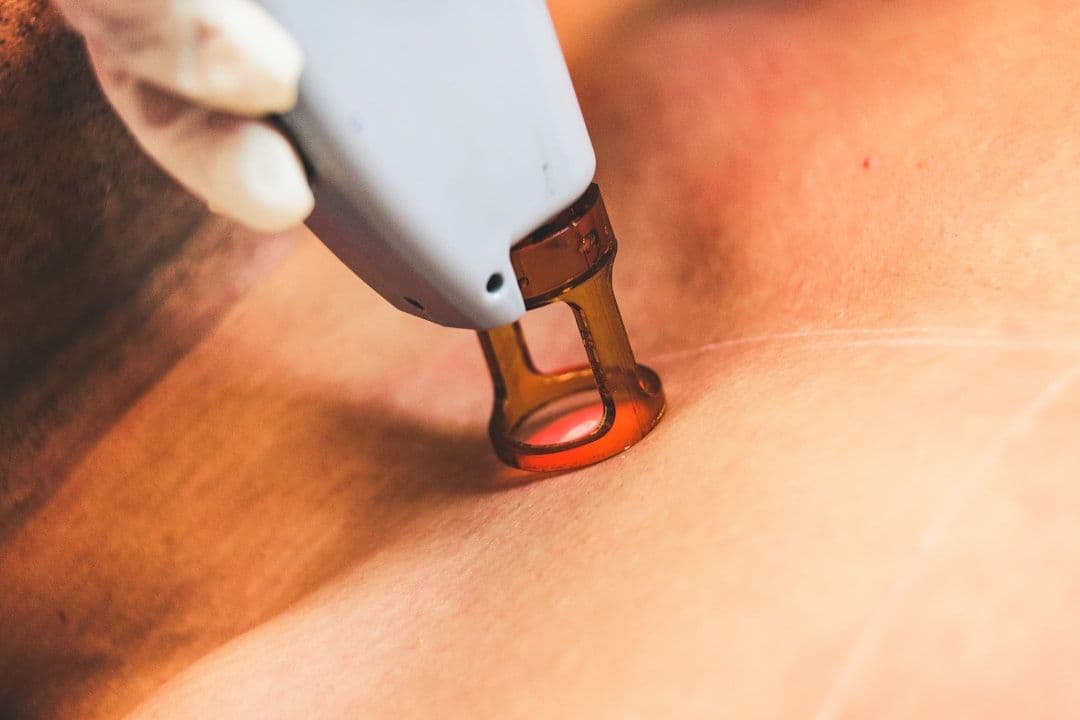
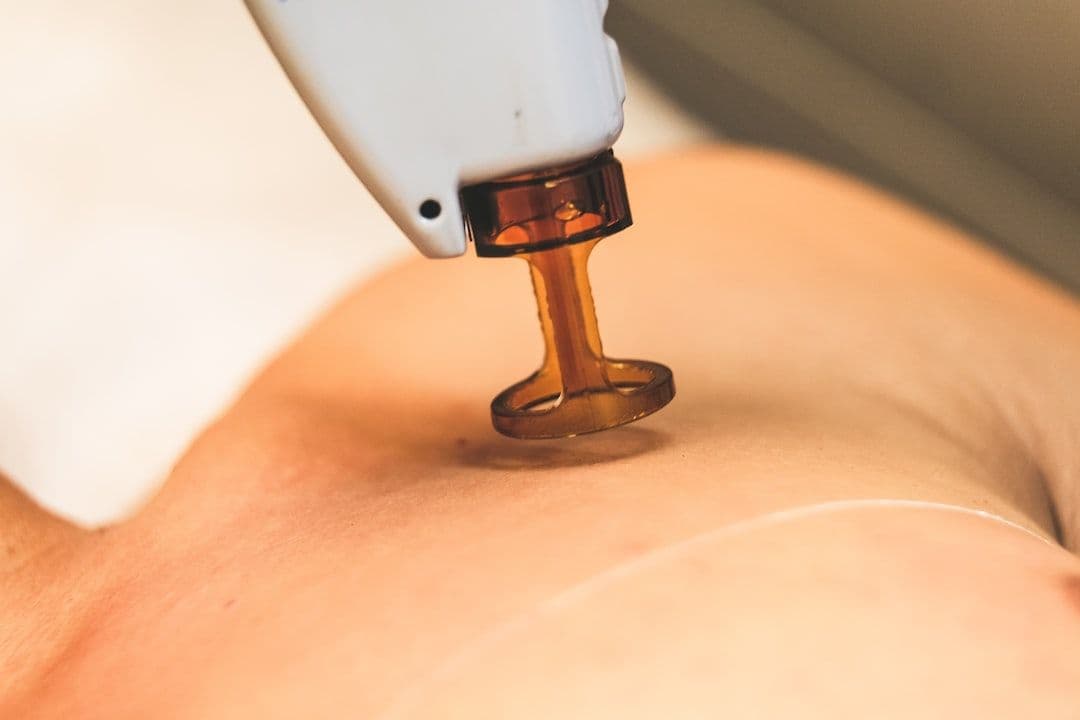
The practitioner will position the laser probe directly against your skin or hold it slightly above the surface. You'll hear a gentle beeping or humming from the device as it operates. The treatment involves moving the probe systematically across the affected area, spending 30 seconds to two minutes at each point.
Most people feel little during the actual laser application. You might notice mild warmth at the treatment site, though many report feeling nothing at all. Unlike surgical lasers, low-level laser therapy produces no heat damage or burning sensation. Some devices include a slight vibration, which can feel like a gentle massage.
Sessions typically last between five and twenty minutes, depending on the size and number of areas being treated. For a single joint or small wound, expect five to ten minutes. Larger areas like the lower back might require fifteen to twenty minutes of treatment time.
What You Might Experience
During treatment, sensations are generally minimal. Some people report a subtle tingling or slight warmth, while others feel nothing beyond the contact of the probe against their skin. Unlike other forms of physiotherapy, laser therapy produces no immediate dramatic effects that you'll notice on the treatment table.
Immediately after treatment, you might feel a sense of relaxation in the treated area, though this isn't universal. Some people notice improved range of motion straight away, whilst others experience no immediate changes. Any mild redness at the treatment site typically fades within minutes.
In the hours following your session, you may notice gradual pain reduction or increased mobility. However, it's equally common to feel no immediate difference — the cellular changes triggered by photobiomodulation often take days to become apparent. Occasionally, people report feeling slightly more tired than usual on treatment days, though this is uncommon and typically mild.
A small percentage of people experience temporary increased discomfort in the first 24-48 hours after initial sessions. This is considered a normal response as tissues begin the healing process and typically resolves quickly.
Post-Treatment Care
No downtime is required after laser therapy — you can immediately return to your normal activities, including work and light exercise. The treatment area doesn't need special protection, though your practitioner might recommend avoiding intense physical activity for the remainder of the day if you're being treated for an acute injury.
Stay well-hydrated in the hours following treatment, as cellular repair processes require adequate fluid levels. Some practitioners recommend gentle movement or stretching of the treated area to encourage circulation, though this isn't always necessary.
Avoid applying ice to the treatment area for several hours post-session, as this may counteract the increased cellular activity that the laser has stimulated. Heat application is generally fine unless your practitioner advises otherwise for your specific condition.
Keep a simple record of your pain levels or symptoms over the following days. This information helps your practitioner adjust future treatments and track your progress objectively. Many people find it helpful to note their symptom levels on a scale of one to ten before each session.
Treatment Frequency and Timeline
Most conditions require multiple sessions for optimal results. Acute injuries often respond well to daily or every-other-day treatments for the first week, followed by two to three sessions per week. Chronic conditions typically need two to three sessions weekly over three to six weeks.
A typical course involves six to fifteen sessions, though this varies significantly based on your condition and how you respond to treatment. Some people notice improvements after three to five sessions, whilst others require eight to ten sessions before experiencing significant benefits.
Your practitioner will assess your progress every three to four sessions and adjust the treatment plan accordingly. If you're not showing any improvement after six to eight sessions, they may modify the laser parameters, recommend additional therapies, or refer you for further evaluation.
Once your symptoms improve, maintenance sessions every two to four weeks may help prevent recurrence, particularly for chronic conditions. However, many people achieve lasting results without ongoing treatment, especially when laser therapy is combined with appropriate exercise and lifestyle modifications.