What it is
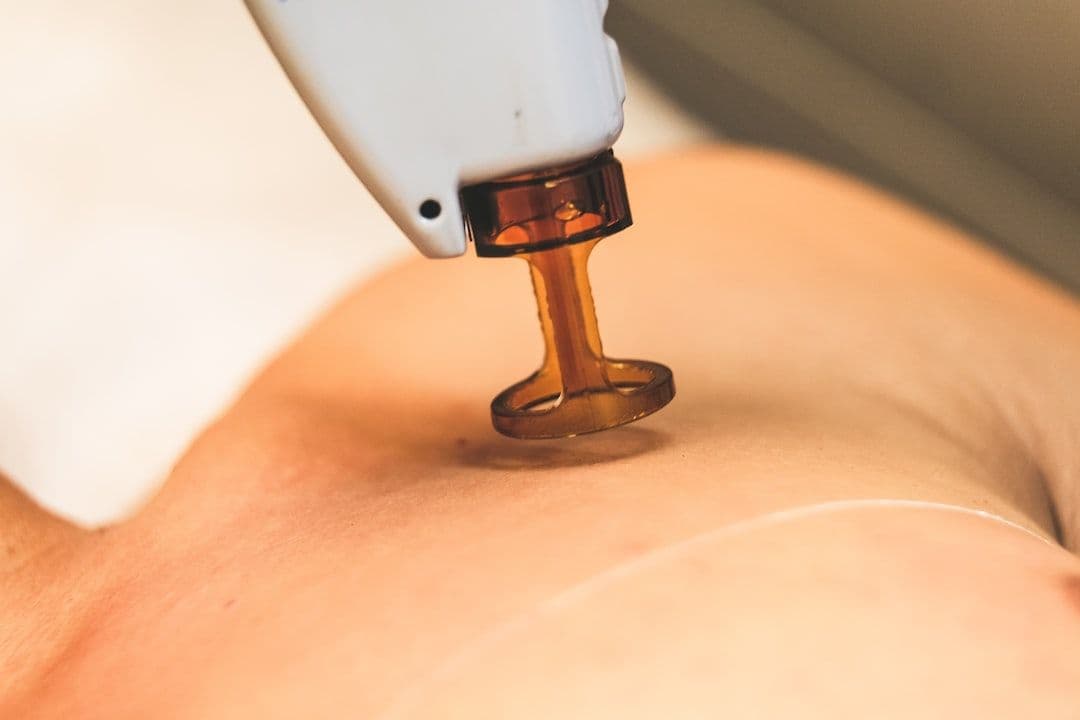
Focused light waves are used to stimulate your cells and ease pain or inflammation.
Laser therapy uses focused light energy to stimulate healing and reduce pain in tissues
At a glance
What it is
Focused light waves are used to stimulate your cells and ease pain or inflammation.
Why explore it
It may help when tendonitis, arthritis, or injury pain hasn't responded well to other care.
How it’s experienced
A handheld device is held near your skin for 5–20 minutes, often with little to no sensation.
Evidence context
Research shows promise for musculoskeletal pain, though results vary by condition and device.
See the evidence snapshotSafety
Generally low-risk with a trained provider, but check with your doctor if you have certain conditions.
See staying safeHistory & Origin
Leadership Coaching focuses on developing leadership skills, strategies, and effectiveness.
Laser therapy emerged in the 1960s following the invention of the laser by Theodore Maiman. Early medical applications focused on surgical cutting and cauterization, but researchers soon discovered that low-level laser light could stimulate cellular function without generating heat. In the 1970s and 1980s, Eastern European and Soviet scientists pioneered low-level laser therapy (LLLT), also called photobiomodulation, documenting effects on wound healing and pain. The modality gained broader clinical interest in the 1990s as technology improved and more practitioners investigated therapeutic applications. Today, laser therapy spans multiple wavelengths and power levels, used in physical therapy, dermatology, dentistry, and complementary health settings worldwide.
Mechanism
Laser Therapy is generally framed as a guided process for attention, reflection, learning, and emotional integration. Depending on the method, a practitioner may use conversation, imagery, structured exercises, body awareness, or therapeutic techniques to help the person explore patterns and choices. It should not be presented as a standalone solution or a substitute for urgent care, but it may support self-understanding when practiced within an appropriate scope. I notice there's a mismatch in your request.
Your first visit
A typical session outline to help you feel prepared
A laser therapy session is calm and hands-off, using focused light to support your body — most people feel little to nothing and are back to their day within the hour.
Your practitioner reviews your health history and any areas of concern to confirm laser therapy is appropriate for you and to tailor the session to your needs.
You and your practitioner briefly discuss your goals for the session, whether that's supporting recovery, reducing discomfort, or general wellness, so the treatment is focused and intentional.
You'll sit or lie down in a comfortable position with the target area exposed. No special clothing is required, though loose or easily moved garments make access easier.
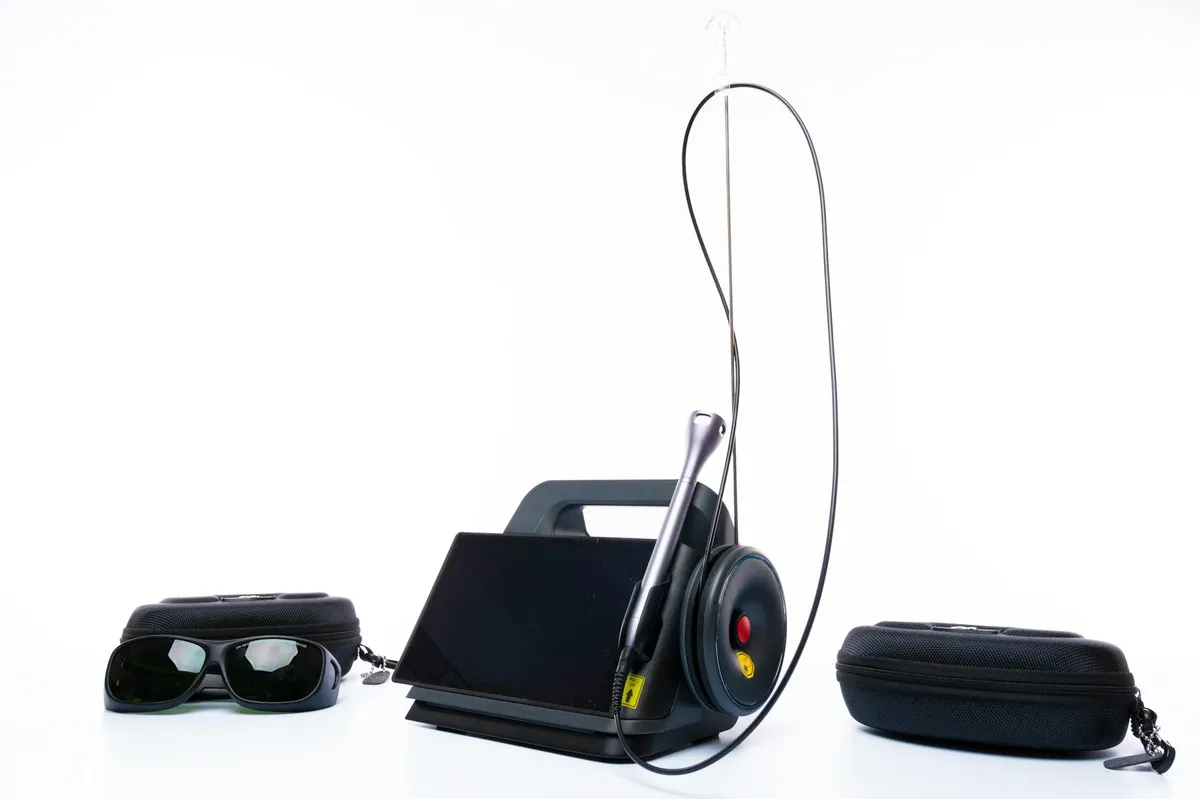
Both you and your practitioner put on protective goggles before any laser device is activated — this is a standard safety step required any time therapeutic laser is in use.
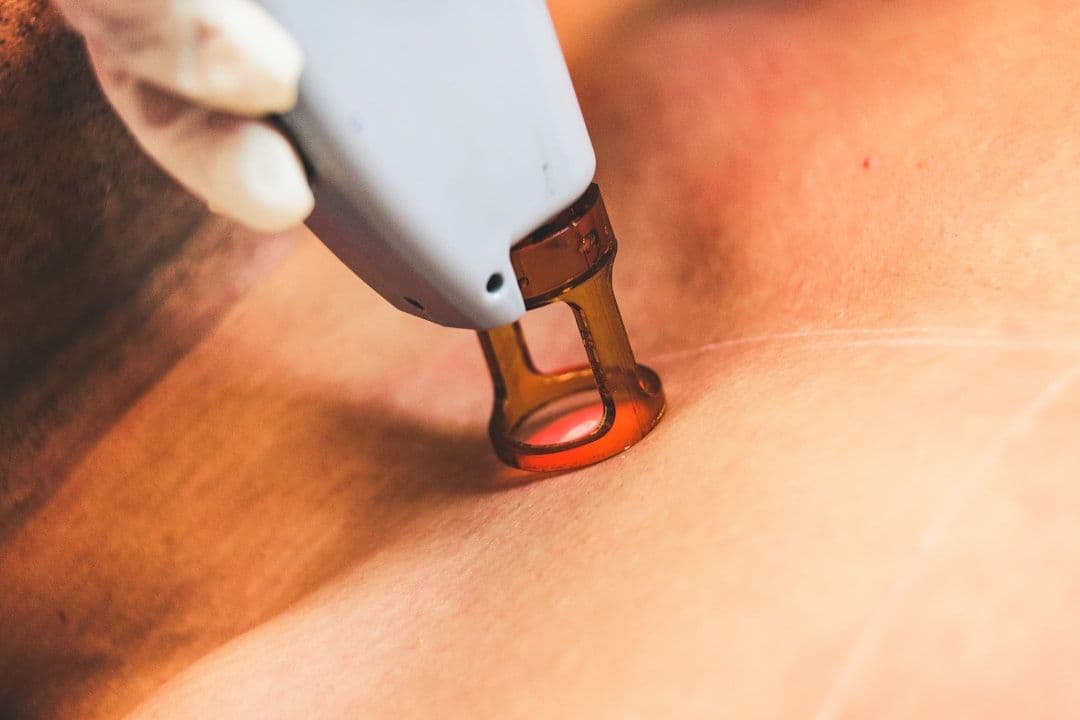
The practitioner slowly moves a small handheld laser device over the treatment area in steady passes or holds it at specific points, typically for 10 to 30 minutes total.
Most people feel gentle warmth or nothing at all during application. Occasionally a mild tingling sensation is noticed, but laser therapy is generally considered very comfortable.
Once the device is switched off and eyewear is removed, your practitioner checks in on how you felt and notes any observations to inform your next visit.
You'll receive simple aftercare suggestions such as staying hydrated and noting any changes in the hours after your session. There is no downtime, so you can return to normal activities immediately.
The Evidence
What research says about laser therapy, where the evidence is strong, and where important gaps remain.
Promising findings, but study quality varies widely
Laser therapy has a growing research base with moderate support for certain pain and tissue-healing applications. Evidence quality is uneven across conditions, and large-scale trials remain limited.
Meta-analyses and systematic reviews show the most consistent findings for acute pain relief and tissue repair. Evidence for chronic pain and specific injuries is more mixed. Study heterogeneity in laser parameters, session protocols, and outcome measures makes direct comparison across trials difficult.
Much of the foundational research originated in Eastern Europe and the Soviet Union from the 1970s onward. More recent trials are broader in scope, but many are still small, lack adequate control groups, or use inconsistent laser parameters. Regulatory clearance by bodies such as the FDA reflects device safety review, not a comprehensive proof of effectiveness.
High-quality, large-scale randomised controlled trials are limited in number. Variability in wavelength, power output, and treatment duration across studies makes it hard to draw firm conclusions. Findings from one laser device or protocol may not apply to another. Consumers should be cautious of inflated outcome claims not supported by the available evidence.
Direct laser exposure to the eyes carries a retinal damage risk; protective eyewear is essential. Application over cancerous lesions, during active chemotherapy, or over the abdomen during pregnancy requires prior medical clearance. People with pacemakers, active infections, or photosensitising medications should consult their healthcare provider before proceeding.
Laser therapy is offered across physical therapy, complementary health, and medical settings. Training standards and device quality differ widely. Ask about the practitioner's qualifications, the specific device used, and the evidence base for your intended application. Laser therapy is not a substitute for professional assessment of an underlying condition.
Most evidence positions laser therapy as a complementary approach used in conjunction with physiotherapy, rehabilitation, or medical management. It is not intended to replace professional assessment or ongoing care for serious conditions. Discussing its use with your primary healthcare provider helps ensure it fits appropriately within your broader health plan.
Safety first
General guidance to help you decide whether this approach is appropriate for you. This is informational only and not a substitute for medical, psychological, or professional advice.
If you are experiencing severe distress, suicidal thoughts, psychosis, acute trauma, or another serious mental health concern, seek qualified support first.
This approach is not suitable for diagnosis, treatment instructions, or decisions that require medical, legal, financial, or professional advice.
Look for clear boundaries, transparent pricing, and practitioners who avoid fear-based claims or pressure to book frequent sessions.
Treat any insight as one reflective perspective, not absolute truth. Important decisions should be considered with appropriate professional support.
For you?
A simple, human way to weigh it up. This is general guidance, not personal medical advice — a qualified practitioner can advise on your situation.
Gyfts is a discovery platform, not a medical provider. Nothing here diagnoses, treats or replaces professional care. In an emergency, contact your local emergency number.
Explore approaches
Other practices people often explore alongside laser therapy.
In their words
FAQ
The practitioner applies a handheld laser device to your skin, moving it slowly over the affected area. The treatment is generally painless, lasting 10–30 minutes. You may feel mild warmth or tingling. Protective eyewear is typically worn, and you can return to normal activities immediately afterward.
Most conditions benefit from 8–12 sessions over 4–8 weeks, though some may require more or fewer depending on the severity and individual response. Your practitioner will assess progress regularly and adjust the treatment plan accordingly.
No, laser therapy is generally painless. You may experience mild warmth, tingling, or a slight sensation where the laser is applied, but these are typically not uncomfortable.
Serious side effects are rare. Mild temporary redness, warmth, or slight swelling at the treatment site may occur and usually resolve quickly. Following your practitioner's pre- and post-treatment instructions minimizes risk.
Yes, laser therapy often complements other therapies, including physical therapy, medication, and conventional care. Always inform all your healthcare providers about all treatments you are receiving.
Some people experience improvement within 1–3 sessions, while others require 6–8 sessions before noticeable change. Response varies based on condition severity, individual healing capacity, and device specifications.
References
Educational sources that inform this overview. Inclusion is for context and does not imply endorsement.
Full citations are maintained by the Gyfts editorial team and reviewed periodically.
Keep exploring
Browse practitioners, explore honest overviews, and take what you learn to a conversation — at your own pace.