What Laser Therapy Actually Involves
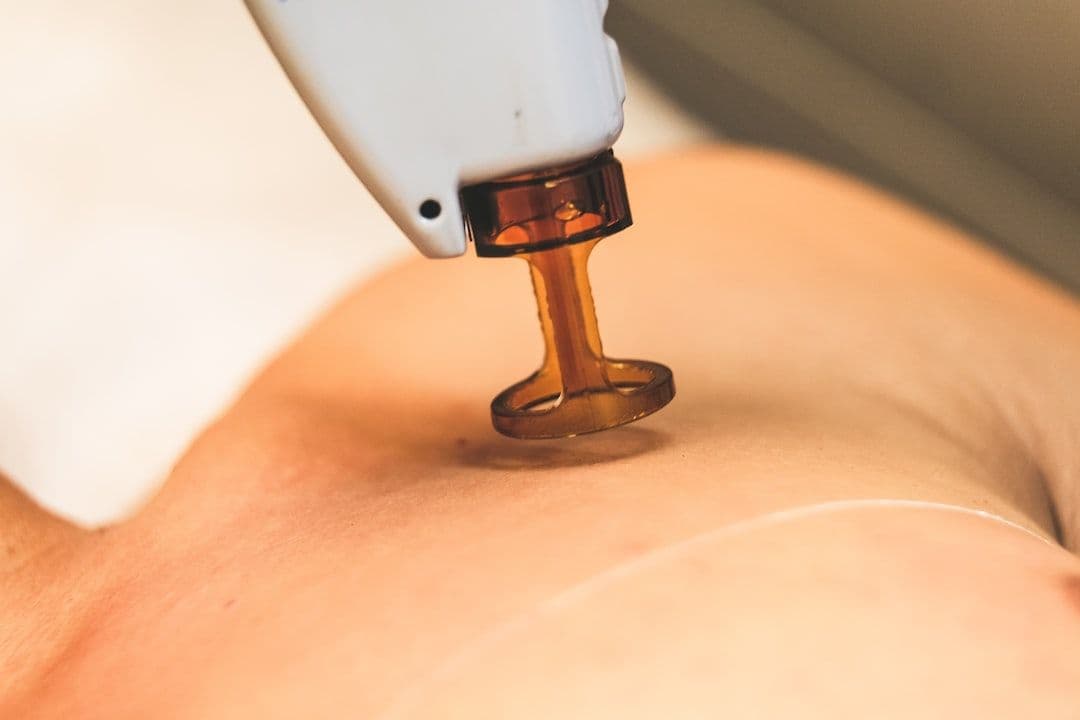
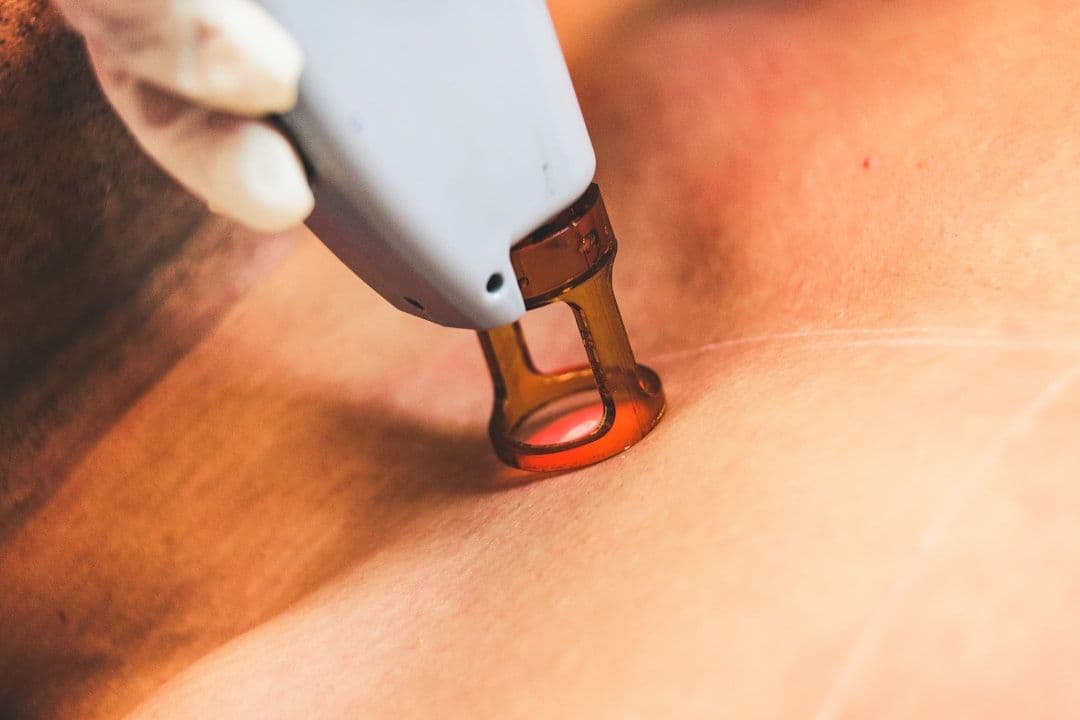
A practitioner places a handheld device the size of a torch against your skin, emitting a beam of concentrated red or near-infrared light. Unlike the high-powered lasers that cut tissue in surgery, these low-level lasers produce no heat and cause no sensation—you might notice only a faint red glow through closed eyelids.
The treatment targets specific points over injured or painful areas, with the laser held steady for 30 seconds to several minutes per location. A typical session addresses multiple sites across the affected region, whether that's a stiff neck, an inflamed tendon, or a slow-healing wound.
Treatment parameters—wavelength, power density, and duration—vary considerably between practitioners and conditions. This variability partly explains why some people experience dramatic improvement whilst others notice little change.
From Laboratory Discovery to Clinical Practice
Low-level laser therapy emerged in the 1960s when Hungarian scientist Endre Mester accidentally discovered that low-power laser light accelerated hair growth and wound healing in laboratory mice. This serendipitous finding launched decades of research into what scientists now call photobiomodulation.
The therapy gained traction initially in Eastern Europe and Scandinavia before spreading to sports medicine clinics worldwide. Professional athletes began using laser therapy for injury recovery in the 1980s, lending credibility to the approach.
Today, over 4,000 research papers examine various applications of therapeutic laser light. The terminology has evolved from 'low-level laser therapy' to 'photobiomodulation therapy,' reflecting a broader understanding of how light interacts with living tissue.
How Light Influences Living Tissue
Laser therapy operates on the principle that specific wavelengths of light can trigger beneficial cellular responses. Red light (660-670 nanometres) penetrates superficial tissues, whilst near-infrared light (810-830 nanometres) reaches deeper structures including muscle and bone.
At the cellular level, research suggests these wavelengths stimulate mitochondria—the energy-producing structures within cells—to increase adenosine triphosphate (ATP) production. Enhanced cellular energy may accelerate tissue repair, reduce inflammation, and improve local circulation.
The therapy also appears to influence nerve conduction and endorphin release, potentially explaining its pain-relieving effects. However, the exact mechanisms remain incompletely understood, and researchers continue investigating optimal dosing protocols for different conditions.
Evidence for Pain Relief and Tissue Healing
Cochrane reviews identify moderate-quality evidence supporting laser therapy for neck pain and low back pain, with effect sizes similar to other conservative treatments like exercise therapy. The research is strongest for musculoskeletal conditions, particularly when laser therapy combines with conventional physiotherapy.
For wound healing, systematic reviews show consistent benefits in diabetic ulcers and post-surgical recovery, though the quality of available studies varies. The therapy appears most effective for wounds that heal poorly through conventional care alone.
Crucially, treatment outcomes depend heavily on device specifications and dosing protocols. Studies using underpowered devices or inappropriate wavelengths often show no benefit, whilst those meeting specific energy density thresholds demonstrate measurable improvements.
What to Expect During Treatment
Initial consultations typically involve assessment of your condition and treatment history, as practitioners determine optimal laser parameters for your specific situation. They'll explain safety procedures, particularly regarding eye protection during treatment.
During sessions, you'll lie comfortably whilst the practitioner methodically treats affected areas. The laser device makes contact with or hovers slightly above your skin, emitting light for predetermined intervals. Most people find the experience relaxing, reporting only gentle warmth or tingling sensations.
Treatment schedules usually involve 2-3 sessions weekly over 4-6 weeks, though this varies considerably based on your condition's severity and chronicity. Some people notice improvements after several sessions, whilst others require the full course before experiencing benefits.
Finding Qualified Practitioners and Managing Costs
Look for practitioners registered with professional bodies like the Chartered Society of Physiotherapy or the Federation of Holistic Therapists. Many physiotherapists, chiropractors, and sports therapists incorporate laser therapy into their practice following additional training.
Device quality varies significantly across clinics. Ask about the laser's specifications—Class 3B therapeutic lasers with appropriate wavelengths and power densities produce better outcomes than lower-powered devices marketed for home use.
Treatment costs typically range from £40-80 per session, with full courses costing £300-600. Some private health insurance policies cover laser therapy when delivered by registered healthcare professionals. The therapy works best as part of comprehensive treatment programmes rather than standalone intervention, so consider the broader cost of integrated care.