When Touch Becomes Medicine
Imagine a massage so gentle that the pressure barely exceeds the weight of a five pence coin resting on your skin. Yet this feather-light touch can redirect fluid through your body's hidden highway system, reducing stubborn swelling that conventional medicine struggles to address.
This is Manual Lymphatic Drainage using the Vodder method — a highly specialised form of massage that works with your lymphatic system rather than against it. Unlike traditional massage that targets muscles, MLD focuses on the gossamer-thin lymphatic vessels that lie just beneath your skin's surface, using specific rhythmic strokes to encourage the flow of lymph fluid back towards your heart.
The technique requires extraordinary precision. Practitioners learn four distinct stroke patterns — stationary circles, pump techniques, rotary movements, and scoop strokes — each applied in anatomically exact sequences that follow your body's lymphatic pathways like a roadmap. The pressure remains consistently light throughout, never exceeding 30-40 mmHg (about the pressure of a gentle handshake).
From Danish Innovation to Global Standard
Dr. Emil Vodder, a Danish physiologist, developed this technique in the 1930s whilst working with patients suffering from chronic colds and sinusitis in France. He noticed that many had swollen lymph nodes and theorised that gentle manipulation might help drainage. Working alongside his wife Estrid, also a massage therapist, Vodder spent years refining the precise hand movements and pressure needed to stimulate lymphatic flow without causing tissue damage.
What began as an intuitive observation has evolved into the most researched and widely taught lymphatic drainage system globally. The Vodder method now forms the foundation of lymphoedema treatment in many countries, with techniques taught in medical schools and recognised by health services including the NHS.
The method's evolution reflects our growing understanding of the lymphatic system itself. Once dismissed as merely the body's waste disposal network, we now recognise lymphatics as crucial for immune function, fluid balance, and even brain health. This shift has opened new applications for MLD beyond its original scope.
The Science Behind the Gentle Pressure
The Vodder method operates on a fundamental principle: lymphatic vessels respond to specific mechanical stimuli that conventional massage cannot provide. Lymphatic capillaries differ structurally from blood vessels — they have overlapping endothelial cells connected by anchoring filaments that act like tiny one-way valves.
When a practitioner applies the characteristic light, rhythmic skin stretching of MLD, these anchoring filaments pull the vessel walls apart, creating negative pressure that draws fluid into the lymphatic system. The gentle pumping action also increases the contraction rate of lymphangions (the muscular segments of lymph vessels), enhancing the natural propulsion of lymph towards the venous circulation.
Research demonstrates that MLD can increase lymphatic transport capacity by 7-10 fold in healthy individuals, whilst also stimulating the formation of new lymphatic vessels (lymphangiogenesis) in compromised areas. The technique's effectiveness lies not in the force applied but in the precision of timing, direction, and anatomical knowledge required to work with rather than against the lymphatic system's natural patterns.
Who Finds Relief Through Lymphatic Work
The strongest evidence supports MLD for people with lymphoedema — the chronic swelling that can develop after cancer treatment, surgery, or from genetic conditions affecting lymphatic development. Clinical trials consistently show significant reductions in limb volume and improvements in quality of life when MLD forms part of Complete Decongestive Therapy.
Post-surgical patients often experience dramatic results, particularly following cosmetic procedures, joint replacements, or operations where lymph nodes have been removed or damaged. The technique helps resolve the fluid accumulation that can persist for weeks or months after surgery, potentially reducing scarring and improving healing outcomes.
People with chronic venous insufficiency, where compromised leg veins struggle to return blood to the heart, may find MLD helpful as an adjunct to compression therapy. The technique can also benefit those with recurring infections, as improving lymphatic flow theoretically enhances immune surveillance, though this application requires more research to establish clear protocols.
What to Expect During Treatment
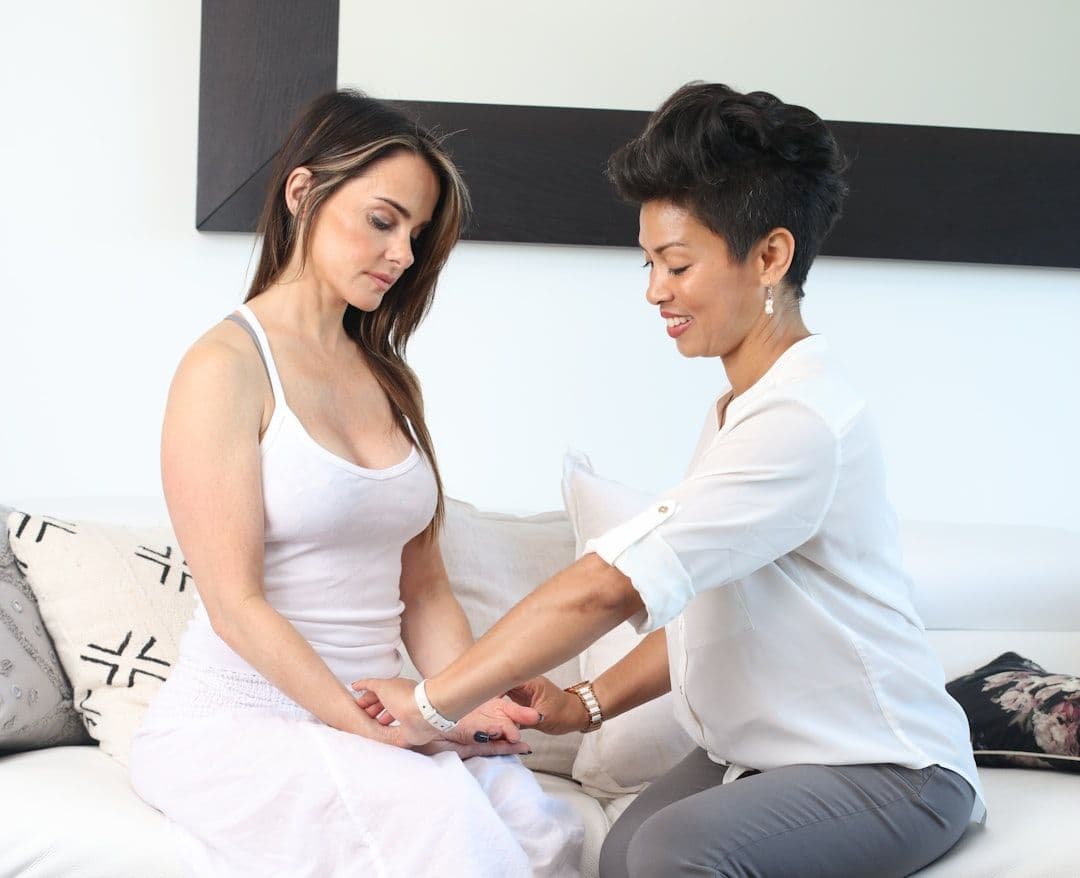
A Vodder MLD session begins with you lying comfortably on a treatment table, typically undressed to allow access to the skin. The practitioner starts at your lymphatic terminus — the point where your lymphatic system drains into your venous circulation near your collarbones — and works systematically outward following anatomical pathways.
The touch feels unlike any massage you've experienced. Movements are slow, rhythmic, and incredibly gentle — more like waves moving across your skin than the pressure you'd associate with therapeutic massage. Many people find the sensation deeply relaxing, sometimes falling asleep during treatment despite being fully present to the subtle sensations.
A typical session lasts 45-60 minutes, with the practitioner working methodically through predetermined sequences. You might notice immediate changes in how your clothes fit or a sense of lightness in previously heavy limbs. Some people experience increased urination following treatment as excess fluid moves toward elimination.
Treatment frequency varies considerably depending on your condition. Acute post-surgical swelling might require daily sessions initially, whilst maintenance for chronic lymphoedema could involve weekly or fortnightly appointments. Your practitioner will develop a treatment plan based on your specific needs and response to therapy.
The Evidence Landscape
Research support for Vodder MLD varies significantly by application. For lymphoedema management, the evidence is robust — multiple randomised controlled trials and systematic reviews demonstrate clear benefits for volume reduction and symptom management. NICE guidelines specifically recommend MLD as part of lymphoedema treatment programmes.
Post-surgical applications show promising results, with studies documenting faster resolution of swelling and improved patient comfort following various procedures. However, many of these studies are small or lack long-term follow-up data.
Claims about immune enhancement, detoxification, and general wellness benefits rest on weaker evidence. Whilst MLD does demonstrably increase lymphatic flow and transport, translating this into measurable health outcomes for healthy individuals remains largely theoretical. The technique's relaxation benefits are well-documented, but whether this represents specific lymphatic effects or general massage benefits requires further investigation.
Finding Qualified Care
Proper Vodder MLD training requires extensive education — typically 135+ hours of initial training followed by ongoing professional development. Look for practitioners certified through recognised organisations like the Dr. Vodder School International or those registered with the Complementary & Natural Healthcare Council (CNHC).
Expect to pay £60-120 per session, with prices varying by location and practitioner experience. Some private health insurance policies cover MLD for medical conditions, whilst NHS provision exists in certain areas for lymphoedema patients.
Many practitioners combine MLD with other approaches such as compression therapy, exercise programmes, or skincare protocols. This integrated approach often produces better outcomes than MLD alone, particularly for chronic conditions.
Consider starting with a consultation to discuss your specific needs and establish realistic expectations. The best practitioners will explain their rationale for treatment recommendations and provide guidance on self-care techniques you can use between sessions.