What it is
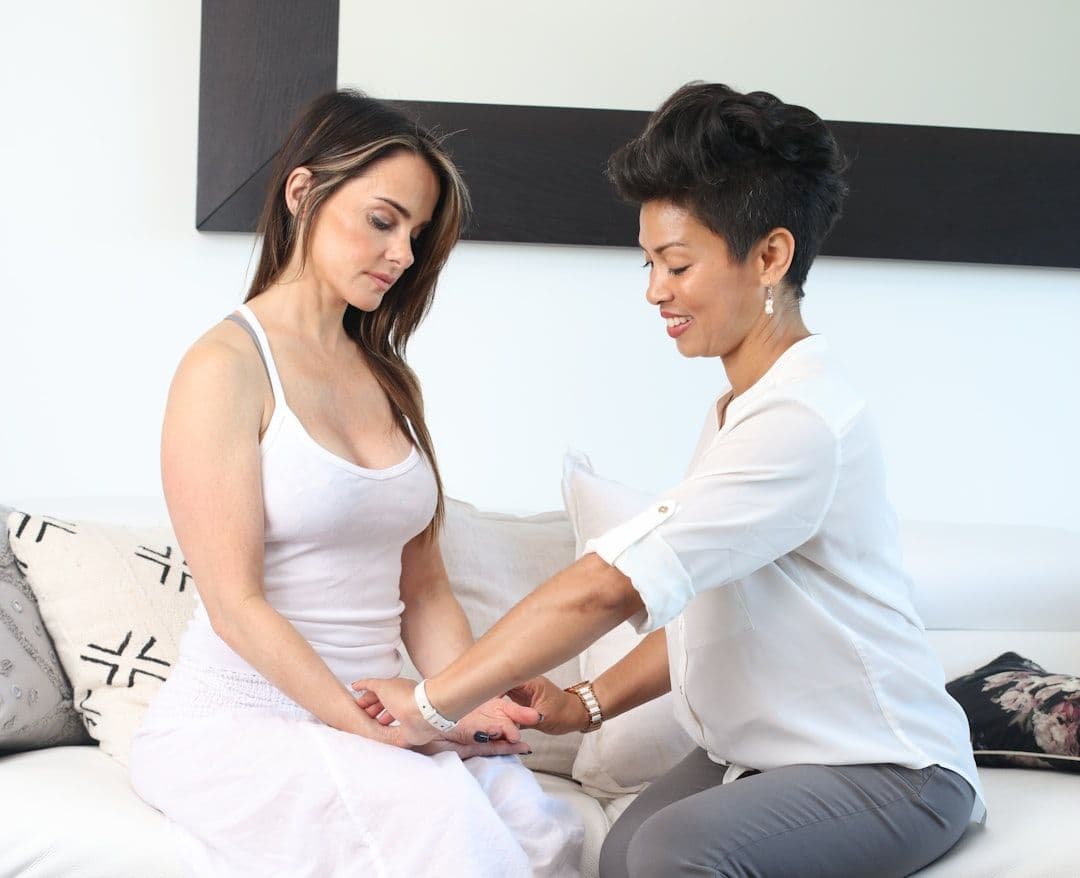
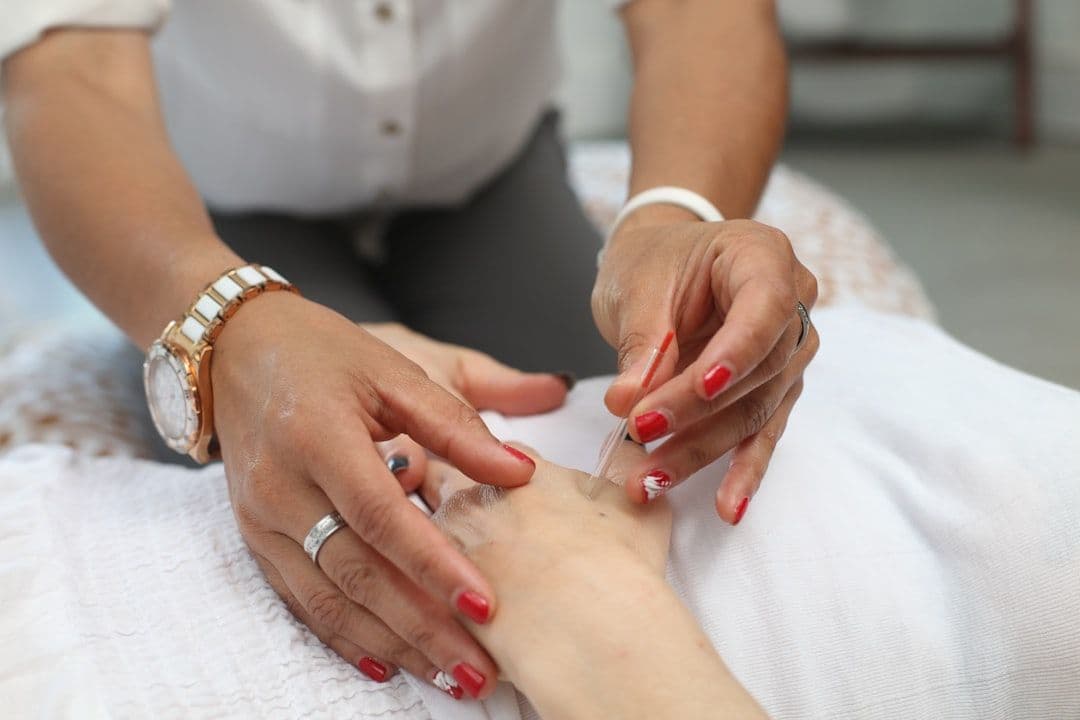
MLD uses feather-light, rhythmic strokes to gently encourage your body's natural lymph drainage.
The original gentle lymphatic drainage technique — precision, rhythm, and healing flow
At a glance
What it is
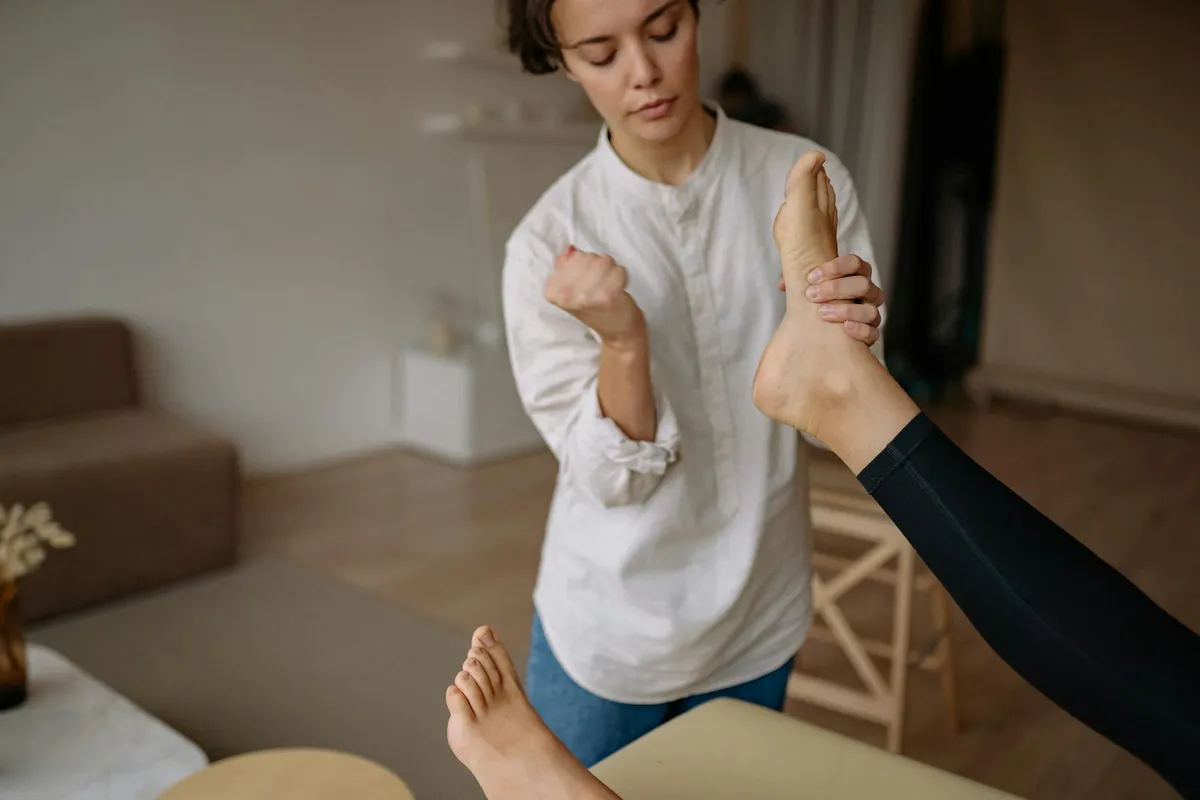
MLD uses feather-light, rhythmic strokes to gently encourage your body's natural lymph drainage.
Why explore it
It may ease post-surgical swelling, lymphedema, and inflammation while inviting deep relaxation.
How it’s experienced
Expect a calm, pressure-free session of light hand movements along lymph pathways, lasting 45–90 minutes.
Evidence context
Research is promising for swelling and lymphedema relief, though results vary and studies are ongoing.
See the evidence snapshotSafety
MLD is low-risk with a certified therapist — always share any health conditions before your session.
See staying safeHistory & Origin
Vodder MLD employs four primary strokes applied in anatomically precise sequences following lymphatic pathways. Treatment always begins at the terminus and works distally. Pressure is extremely light (30–40 mmHg).
Top symptoms
Mechanism
Manual Lymphatic Drainage (Vodder Method) is generally described as working through skilled touch, careful pacing, and the body's response to pressure, movement, warmth, or stillness. Practitioners may focus on muscle tone, joint comfort, circulation, breath, or relaxation depending on the method. Traditional explanations may also include energy flow or whole-person balance. Research support varies by modality, so the experience is best framed as supportive care with outcomes that vary. MLD stimulates lymphatic capillary uptake through light, rhythmic skin stretching that opens anchoring filaments and increases lymphangion contraction rate.
Your first visit
A typical session outline to help you feel prepared
A gentle, rhythmic hands-on session designed to encourage the flow of lymph fluid through your body, leaving you feeling lighter and deeply relaxed.
Your therapist will review your health history, ask about any recent surgeries, swelling, or medical conditions, and explain how MLD works so you feel fully informed before anything begins.
Together you'll discuss your goals for the session, whether that's reducing puffiness, supporting post-surgical recovery, or simply deep relaxation, so the therapist can tailor the work to your needs.
You'll lie fully or partially clothed, or draped with a sheet, on a comfortable massage table. MLD requires no oils or lotions, so there's no need to undress beyond what feels right for you.
The therapist begins with very light, slow, circular hand movements at key lymph node clusters, typically the neck, armpits, and groin, to create space and draw fluid toward these drainage points first.
Using feather-light, rhythmic pumping and stretching movements across your skin, the therapist works outward from the center of your body. The pressure is surprisingly soft, far lighter than a typical massage.
The therapist methodically follows the natural flow of your lymphatic vessels, moving fluid in one direction toward drainage sites. You may feel a subtle tingling, warmth, or a pleasant sense of internal movement.
The session winds down with slow, soothing strokes back over the areas worked to encourage final drainage. Many people feel deeply drowsy or profoundly calm at this stage, which is completely normal.
Your therapist will share hydration tips, gentle movement suggestions, and signs to watch for after the session. You may be advised to rest, drink water, and avoid strenuous activity for the rest of the day.
The Evidence
What research and clinical practice currently tell us about Manual Lymphatic Drainage and where the evidence is strongest.
Meaningful support for lymphedema and post-surgical swelling
MLD has a reasonable evidence base for managing lymphedema, particularly in combination with compression and skin care. Evidence for broader uses is more limited, and research quality varies across studies.
Clinical guidelines in several countries include MLD as a component of combined decongestive therapy for lymphedema. Evidence for post-surgical swelling reduction is also reasonably consistent. For other applications such as general relaxation or minor oedema, the evidence base is thinner and more mixed.
In structured lymphedema programmes, MLD is typically one element of a broader protocol. Practitioners trained in Vodder or equivalent methods apply precise, light-pressure sequences following lymphatic anatomy. Outcomes tend to be better when MLD is integrated with other components rather than used in isolation.
As a complementary modality, MLD works best when coordinated with the broader care plan. It is not a substitute for professional assessment of swelling or lymphatic conditions. Practitioners and clients should maintain open communication with relevant healthcare providers, particularly where underlying conditions are involved.
Active infection, acute inflammation, blood clots, cardiac oedema, and some cancers are recognised contraindications. A qualified practitioner should take a full health history before treatment. Anyone with unexplained or sudden swelling should seek professional assessment before pursuing MLD.
Vodder-certified and equivalent programmes involve structured training in lymphatic anatomy and stroke sequencing. Pressure levels, direction, and treatment order are clinically relevant. Seeking a practitioner with recognised MLD certification is advisable, particularly for lymphedema or post-surgical contexts.
Many MLD studies involve small samples, lack blinding, or use MLD as part of a combined protocol, making it hard to isolate its specific contribution. Inflated outcome claims sometimes appear in practitioner marketing. Interpreting the evidence with appropriate caution is reasonable, and further well-designed trials would strengthen the field.
Safety first
General guidance to help you decide whether this approach is appropriate for you. This is informational only and not a substitute for medical, psychological, or professional advice.
If you are pregnant, managing a health condition, recovering from injury or surgery, or taking medication, consult a qualified healthcare professional first.
Some situations call for extra care or a different approach. Share any conditions, injuries, or sensitivities with your practitioner before your first session.
Look for clear boundaries, transparent pricing, and practitioners who avoid fear-based claims or pressure to book frequent sessions.
Mild, short-lived effects such as tenderness, tiredness, or temporary soreness can occur. Rest, hydrate, and tell your practitioner how you respond.
Explore approaches
Other practices people often explore alongside manual lymphatic drainage.
In their words
FAQ
Vodder MLD uses four specific strokes in precise anatomical sequences with very light pressure (~30mmHg). General lymphatic massage may not follow these protocols.
References
Educational sources that inform this overview. Inclusion is for context and does not imply endorsement.
Full citations are maintained by the Gyfts editorial team and reviewed periodically.
Keep exploring
Browse practitioners, explore honest overviews, and take what you learn to a conversation — at your own pace.