What Makes Cosmetics Truly Organic
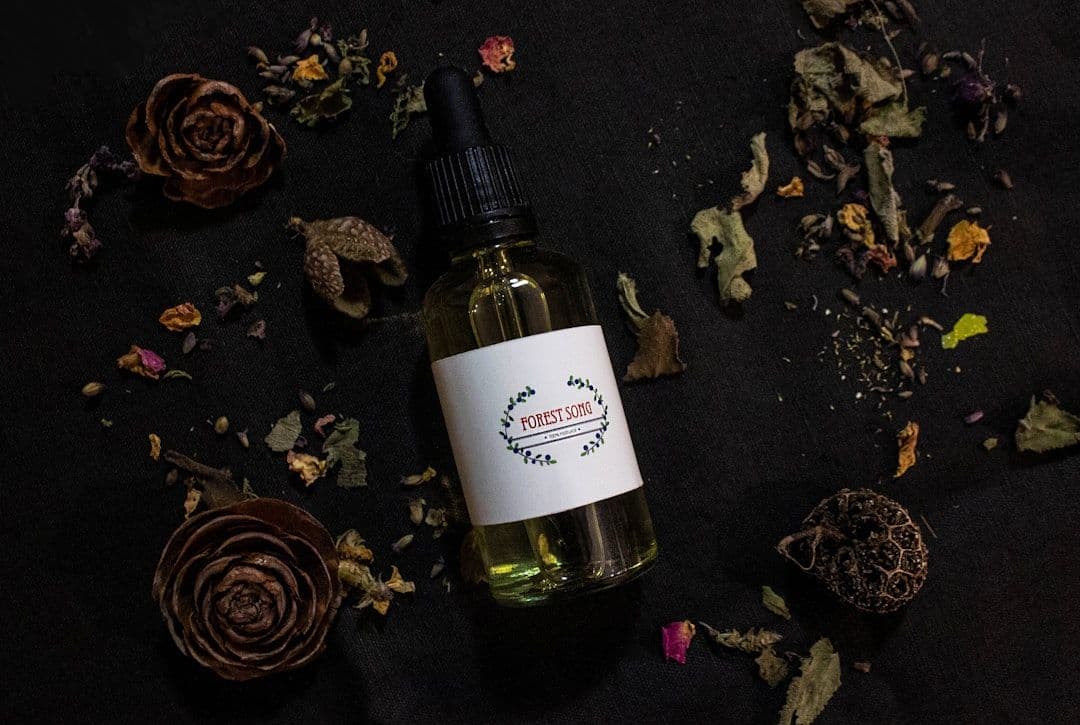
The serum bottle bears a meadow of certifications—Soil Association, COSMOS, ECOCERT—but what distinguishes genuinely organic cosmetics from clever marketing? True organic beauty products contain at least 70% organically produced ingredients, meaning the botanical components were grown without synthetic pesticides, fertilisers, or genetically modified organisms.
These formulations typically replace petroleum-derived ingredients with plant oils, swap synthetic preservatives for natural antimicrobials like rosemary extract, and avoid controversial additives such as parabens, sulphates, and synthetic fragrances. The result is skincare that works with your skin's natural processes rather than overwhelming them.
But organic doesn't mean primitive. Modern organic cosmetics harness sophisticated extraction techniques to concentrate active compounds from botanicals—think vitamin C from kakadu plum or hyaluronic acid from plant fermentation—delivering potent results without synthetic shortcuts.
From Ancient Remedies to Modern Formulation
Organic cosmetics aren't new—they're humanity's original beauty routine. Ancient Egyptians used organic kohl, Romans bathed in olive oil, and Ayurvedic practitioners have formulated plant-based skincare for millennia. What's changed is our ability to understand why these preparations work.
The modern organic beauty movement emerged in the 1960s alongside environmental consciousness, gaining momentum as consumers questioned synthetic chemicals in personal care. European regulations drove standards forward—the EU banned over 1,300 cosmetic ingredients while the US prohibited just 30, creating demand for cleaner formulations.
Today's organic cosmetics bridge ancient wisdom with contemporary science. Laboratories now extract and concentrate active compounds like peptides from organic sources, whilst maintaining traditional whole-plant approaches that honour the complexity of natural ingredients.
How Plant Chemistry Meets Skin Biology
Organic cosmetics work through a fundamentally different approach than synthetic formulations. Rather than using isolated compounds designed to penetrate deeply and create immediate visible changes, organic products typically deliver lower concentrations of multiple active compounds that work synergistically with your skin's natural functions.
Plant oils rich in ceramides and fatty acids strengthen the skin barrier, whilst botanical antioxidants like vitamin E and polyphenols protect against environmental damage. Natural humectants such as glycerin and hyaluronic acid from plant sources hydrate without disrupting the skin's pH balance—something synthetic alternatives don't always achieve.
The gentler approach means results accumulate gradually. Where a synthetic retinol might produce visible changes within days (along with potential irritation), organic alternatives like bakuchiol or rosehip oil work more slowly but with less likelihood of adverse reactions. Your skin adapts rather than being forced into rapid change.
Who Benefits Most From Going Organic
Organic cosmetics particularly benefit people whose skin rebels against conventional products. If you experience persistent irritation, contact dermatitis, or flare-ups from synthetic fragrances and preservatives, organic formulations often provide relief by eliminating common triggers.
Those with compromised skin barriers—including people with eczema, rosacea, or post-procedure sensitivity—frequently find organic products less aggravating. The absence of harsh detergents and synthetic actives allows damaged skin to repair without additional stress.
Pregnant and breastfeeding women increasingly choose organic cosmetics to minimise exposure to endocrine disruptors. Whilst the clinical significance of topical exposure remains debated, many prefer the precautionary approach that organic formulations offer.
What to Expect From Your Organic Routine
Your first organic product application won't deliver the instant transformation promised by synthetic alternatives. Instead, expect a gentler introduction as your skin adjusts to different textures and absorption rates. Plant-based oils may feel heavier initially but typically absorb well once your skin adapts.
Building an organic routine requires patience. Most people notice initial improvements in skin comfort within two weeks—less tightness, reduced reactivity—but visible changes in tone and texture typically emerge after 4-8 weeks of consistent use. This timeline reflects the products' gentler action and your skin's natural renewal cycle.
The experience extends beyond application. Organic products often smell different—earthy, herbal, sometimes medicinal—rather than the uniform 'fresh' scent of synthetic fragrances. Some find this connects them more closely to the natural origins of their skincare.
The Evidence Behind Organic Claims
Research supports several key benefits of organic cosmetics, though the evidence base remains more limited than for conventional products. A 2019 study in Contact Dermatitis found that people with sensitive skin experienced significantly fewer reactions when using certified organic products compared to conventional alternatives.
Studies on specific organic ingredients show promise. Organic argan oil demonstrates measurable improvements in skin barrier function, whilst organic green tea extracts provide documented antioxidant protection. However, research often focuses on individual ingredients rather than complete organic formulations.
The evidence gaps are significant. Many organic cosmetic claims rely on traditional use rather than clinical trials. 'Chemical-free' marketing (everything is chemicals, including water) and 'toxin-free' claims often lack scientific substance. The most honest assessment: organic cosmetics can be effective and gentler for many people, but they're not automatically superior to well-formulated conventional products.
Choosing Quality Organic Cosmetics
Expect to pay £15-£80 for organic skincare products, with premium brands reaching £100+. The higher cost reflects expensive organic ingredients, smaller production batches, and certification fees. Budget-friendly options exist, but extremely cheap 'organic' products often contain minimal certified ingredients.
Look for third-party certification rather than self-proclaimed 'natural' labels. The Soil Association, COSMOS, and ECOCERT maintain rigorous standards, requiring ingredient traceability and manufacturing audits. These certifications appear as logos on packaging and can be verified online.
Consider starting with one product—typically a moisturiser or cleanser—rather than replacing your entire routine immediately. This allows you to assess your skin's response whilst identifying which organic formulations work best for you. Local health shops and organic pharmacies often employ knowledgeable staff who can guide product selection based on skin type and concerns.