What It Is
A recurring facial rash of red bumps around the mouth, nose, or eyes, often linked to steroid creams.
Understanding the rash around your mouth and what may help
At a glance
What It Is
A recurring facial rash of red bumps around the mouth, nose, or eyes, often linked to steroid creams.
How It Presents
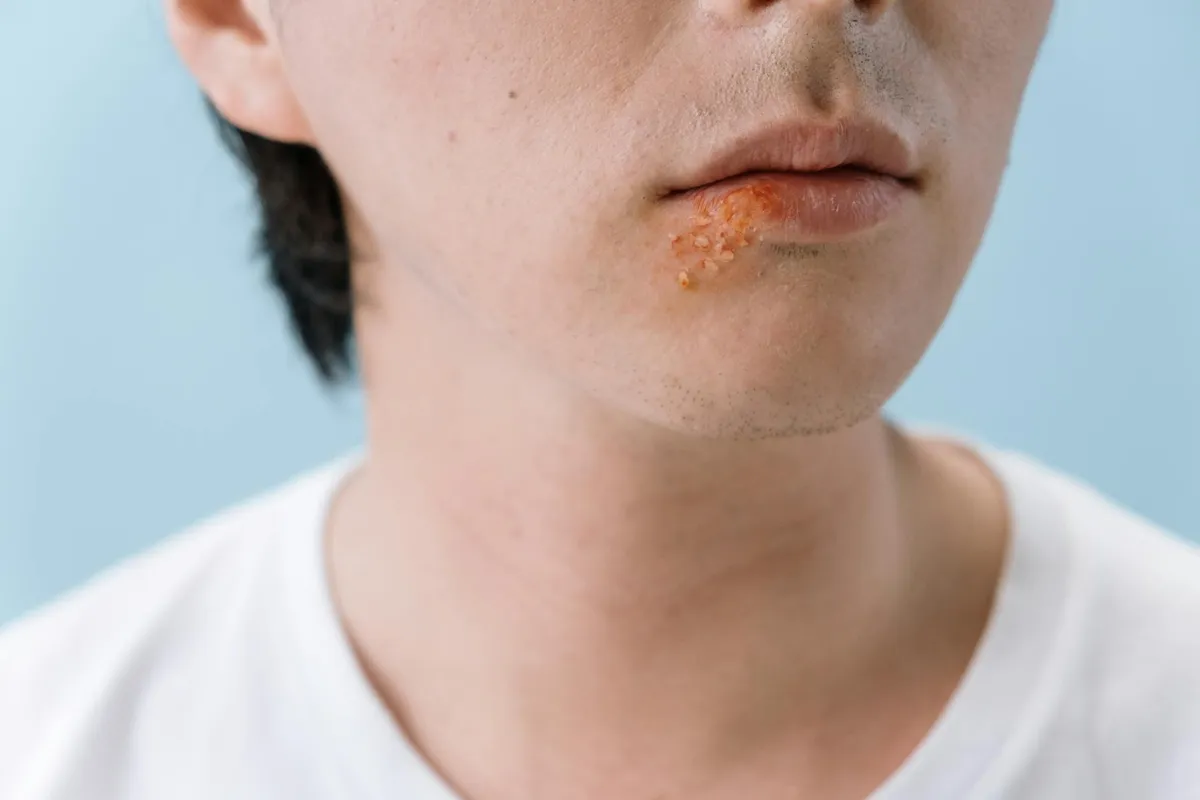
Small inflamed bumps or pustules with mild burning or itching, frequently mistaken for acne or rosacea.
What May Help
Switching to gentle, fragrance-free products and avoiding known triggers may support skin recovery.
Evidence Context
Research is still emerging, so most holistic approaches rest on clinical observation and individual experience.
See the evidence snapshotWhen to Seek Help
Consult a dermatologist if the rash spreads, worsens, or does not improve after removing suspected triggers.
Explanation
Perioral dermatitis is an inflammatory skin rash around the mouth, nose, and eyes that resembles acne or rosacea, often triggered by topical steroids or irritants. Anti-inflammatory dietary changes, probiotic support, and stress management are used alongside dermatological advice.
Could this be you
Perioral dermatitis shows up differently for everyone. Browse by how it tends to be felt — these are common experiences, not a checklist or a diagnosis.
Common experiences people describe — not a diagnostic checklist.
Why it happens
Perioral dermatitis usually comes from a mix of factors rather than a single cause. These are common contributors — not certainties.
Skin barrier disruption and microbial imbalance around the mouth may make flares more likely in some people.
Stress may worsen facial inflammation, with some people noticing flares during high-pressure periods.
Topical steroid use and heavy facial products are among the most commonly reported contributors to this rash.
Poor sleep may impair skin barrier recovery, potentially making perioral rashes slower to settle.
What happens in the body
Perioral dermatitis can involve several of the body’s systems. These are common patterns researchers describe — how they show up varies from person to person.
The skin barrier may become compromised, allowing irritants and microbes to trigger localized inflammatory responses that produce redness and pustules around the mouth.
Immune cells in the skin may mount an exaggerated inflammatory response to topical irritants or microbial imbalance, sustaining the rash and slowing resolution.
Hormonal fluctuations, particularly those affecting sebaceous gland activity, may influence skin inflammation and could contribute to flare patterns in some individuals.
Stress-related signaling may elevate cortisol and neuropeptide activity in skin tissue, potentially worsening inflammatory skin conditions like perioral dermatitis.
Process
Management
A doctor may discuss topical antibiotics such as metronidazole or erythromycin as a common first-line option for managing perioral dermatitis inflammation.
For persistent or widespread cases, some practitioners suggest oral antibiotics like doxycycline or tetracycline under medical supervision over several weeks.
Discontinuing topical corticosteroids is often central to recovery, though this should only be done with medical guidance as rebound flares are common.
Some people find that stripping back to fragrance-free, non-comedogenic products and avoiding heavy moisturisers may support skin settling over time.
Switching to certified organic or low-ingredient cosmetics may support reduced exposure to potential facial irritants that some practitioners link to flare persistence.
Self-Care
Some people find that stripping back to a single gentle, fragrance-free cleanser and minimal moisturizer may support skin recovery by reducing product-related irritation around the mouth and nose.
Many practitioners suggest that discontinuing steroid-based creams on facial skin, only under medical guidance, may be an important step, as these are among the most commonly implicated triggers for perioral dermatitis.
Some people with perioral dermatitis find that trialing a fluoride-free or unflavored toothpaste for several weeks may help identify whether oral care products are contributing to flare-ups near the mouth.
Prioritizing vegetables, whole grains, and omega-3-rich foods while limiting processed and high-sugar foods may support overall skin health, though individual responses to dietary changes can vary considerably.
Using a lightweight, non-comedogenic mineral sunscreen and avoiding prolonged sun exposure may support the skin barrier, as UV exposure and heat are sometimes reported to worsen facial redness and irritation.
The Evidence
What the research says about perioral dermatitis and the role of complementary approaches alongside conventional skin care.
Dermatology-led care with a role for lifestyle support
Perioral dermatitis is a well-recognised skin condition with established dermatological management. Complementary approaches such as nutritional therapy, stress reduction, and probiotics show emerging evidence as supportive strategies alongside professional skin care.
Antibiotic therapy and avoidance of triggering topical products are the most evidence-supported approaches. Lifestyle strategies including dietary balance, skin barrier protection, and stress reduction have moderate evidence for supporting general skin health. Complementary approaches such as probiotics and herbal preparations show emerging but limited evidence specifically for this condition.
Perioral dermatitis care typically begins with stopping triggering products — particularly topical steroids — and using prescribed topical or oral antibiotics. The condition can be slow to resolve and may initially worsen when steroids are withdrawn. Professional assessment is important to distinguish it from acne or rosacea, as care approaches differ between these conditions.
Nutritional therapy, acupuncture, and herbal medicine are used to support skin barrier function, reduce inflammation, and address potential dietary or gut-related contributors. Evidence for these approaches in perioral dermatitis specifically is limited. Because accurate identification of the condition and timely steroid withdrawal are central to care, complementary approaches are best used alongside — not as a replacement for — professional dermatological assessment.
Reducing exposure to known irritants — including heavy facial products and fluoride toothpaste — is a practical first step. Stress management practices such as mindfulness and yoga are commonly recommended for general skin health, though their specific effect on perioral dermatitis has not been well studied. A balanced diet supporting gut and immune health is also commonly recommended, though direct evidence for perioral dermatitis specifically remains limited.
Seek prompt medical attention if you experience rapidly spreading facial infection, significant facial swelling, fever alongside a rash, or signs of systemic illness. Intense or unrelenting facial pain also warrants evaluation. Do not stop prescribed dermatological medications without guidance from your prescribing practitioner.
A GP or dermatologist should be the first point of contact for assessment and care. Complementary practitioners including nutritional therapists, naturopaths, or acupuncturists can work alongside conventional care to support skin health. Because topical steroid use history is central to perioral dermatitis management, ensure all practitioners are informed of any past or current steroid use so care can be safely coordinated.
Safety first
Perioral dermatitis is manageable, and support helps. Some situations call for prompt professional help.
Explore approaches
Practices people explore for perioral dermatitis — alongside professional care.
FAQ
Topical steroid creams applied to the face are among the most frequently reported triggers. Heavy moisturizers, fluoride toothpaste, and certain makeup products are also commonly implicated by those who experience this condition.
Some people find that an anti-inflammatory diet, probiotic support, and simplifying their skincare routine may support skin balance. These approaches are best used alongside, not instead of, professional guidance.
Do not discontinue prescribed treatments without speaking to your doctor first. Stopping topical steroids abruptly can sometimes worsen the rash temporarily, so medical supervision is important.
Some practitioners suggest switching to fragrance-free, minimal-ingredient products. Avoiding heavy occlusives around the mouth area is also commonly recommended while the skin is reactive.
If your rash persists beyond a few weeks, spreads to new areas, or is causing significant distress, a dermatologist visit is worthwhile. Professional diagnosis helps rule out rosacea, acne, or contact dermatitis.
Keep exploring
Browse practitioners, explore honest overviews, and take what you learn to a conversation — at your own pace.